Blog
Basmati Rice Hits Record Highs in Saudi – Profit Playbook
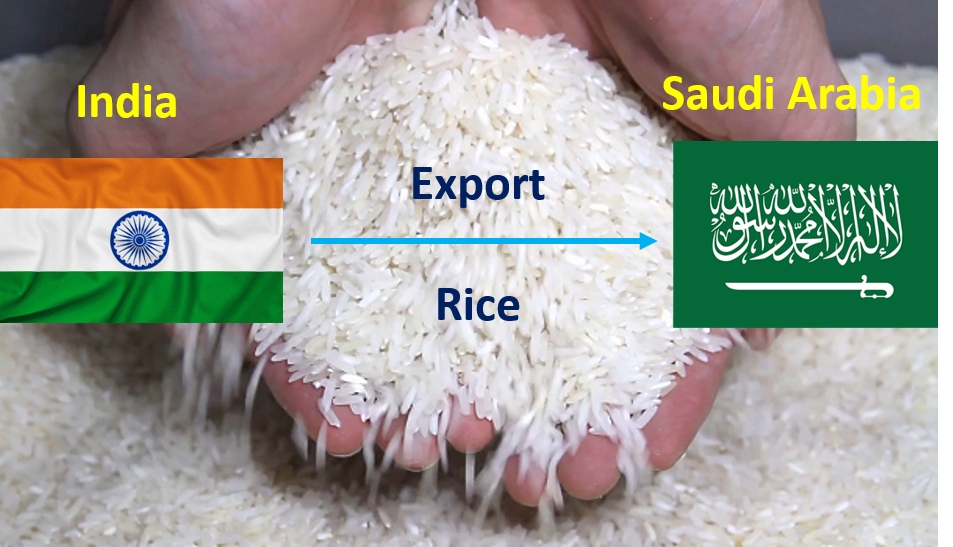
As a seasoned trader who’s navigated everything from volatile commodity swings to cross-border logistics nightmares, I remember my first big break in the rice market back in the early 2000s. It started with a simple shipment of basmati to the Middle East, but what turned it into a windfall was spotting the arbitrage gap—buying low in India and selling high where demand outstripped supply. Fast forward to 2026, and that same dynamic is playing out on steroids in Saudi Arabia. Prices for premium Indian basmati have hit record highs, averaging $1,200-$1,500 per metric ton landed cost, up 15-20% from last year. If you’re in the FMCG or wholesale game, this isn’t just market noise; it’s a profit opportunity screaming for attention. But why now? Let’s break it down step by step, drawing from real-world data and lessons I’ve learned the hard way.
Basmati Rice export in Saudi
The Fundamentals of Agricultural Arbitrage in the Rice Trade
Agricultural arbitrage isn’t some fancy Wall Street term—it’s the bread-and-butter strategy for smart traders who spot price differences across borders and capitalize on them. In simple terms, you buy where supply is abundant and cheap, then move it to where demand drives prices sky-high. For Indian basmati rice in Saudi Arabia, this gap has widened dramatically in 2026 due to a perfect storm of factors.
Consider the basics: India produces over 8 million metric tons of basmati annually, with exports hitting a projected 5.2 million tons this year, according to APEDA data. Saudi Arabia, meanwhile, imports nearly 1.5 million tons of rice overall, with basmati making up about 60% of that—largely from India. The arbitrage here stems from India’s low production costs (around $800-900 per ton at farm gate) versus Saudi’s import-dependent market, where local production is negligible due to arid conditions.
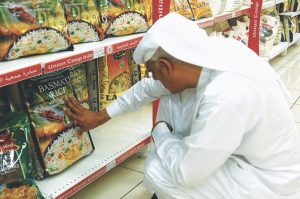
Rice supplies have on the Arab world
But it’s not just about geography. Arbitrage thrives on inefficiencies like tariffs, logistics bottlenecks, and seasonal demand spikes. In 2026, we’ve seen U.S. tariffs on non-Indian basmati push more buyers toward Indian sources, creating a premium. Tools like real-time market trackers can help spot these gaps early—platforms such as Platform.Tendify.Net offer AI-driven insights that analyze everything from currency fluctuations to shipping rates, making it easier to lock in profits before the window closes.
To illustrate, here’s a quick comparison of basmati price spreads:
| Region | Farm Gate Price (USD/MT) | Landed Cost in Saudi (USD/MT) | Arbitrage Margin Potential |
|---|---|---|---|
| India (Pusa 1121 Variety) | 850-950 | 1,200-1,500 | 30-40% |
| Pakistan (Competing Source) | 900-1,000 | 1,150-1,400 | 20-30% |
| Thailand (Alternative Long-Grain) | 700-800 | 1,000-1,200 | 15-25% |
These margins aren’t theoretical—they’re achievable with efficient supply chains. I’ve closed deals where a 20% spread turned a single container into six-figure returns, but only by acting fast on data.
Inside India’s Basmati Rice Dominance
India isn’t just exporting rice; it’s exporting a cultural staple that’s become synonymous with quality worldwide. Basmati’s unique aroma, elongated grains, and non-sticky texture after cooking make it irreplaceable in Middle Eastern cuisine, from biryanis to mandi. In 2026, exports to the GCC alone are up 12%, per APEDA, driven by varieties like 1121 and 1509.
What sets Indian basmati apart? Strict GI (Geographical Indication) protections ensure authenticity—only rice from specific Himalayan foothills qualifies. This scarcity adds value. Production hit 8.5 million tons this year, buoyed by favorable monsoons, but global demand has outpaced it, pushing export prices to $1,100 FOB from Indian ports.
Challenges persist, though. Climate variability—think erratic rains—has led to quality inconsistencies in some batches. Traders I’ve spoken with emphasize third-party testing for parameters like elongation ratio (over 2x after cooking) and amylose content (20-25% for that fluffy texture). For deeper dives into optimizing your basmati supply chain, check out related insights on Tendify.net/blog, such as “Cold Chain in Oman: Beating 50°C Heat Without Losing a Single Load,” which ties directly into preserving grain quality during transit.
Rupee + Dirham = Millions Saved for Indian Traders
Saudi Arabia’s Evolving Rice Import Landscape
Saudi Arabia imports over 95% of its rice, making it a prime arbitrage target. In 2026, total imports are forecast at 1.6 million tons, with basmati claiming 900,000 tons—mostly from India (70% share), per USDA data. Why the reliance? Domestic production is minimal; the kingdom’s Vision 2030 focuses on diversification, but rice farming isn’t viable in the desert.
Key stats paint the picture:
- Population growth: 2.3% annually, boosting per capita consumption to 45 kg/year.
- Tourism surge: 100 million visitors targeted by 2030, spiking demand in hospitality.
- Ramadan effect: Consumption jumps 30% during the holy month, projected for March 2026.
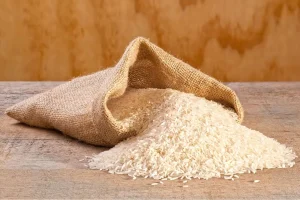
Basmati Rice export
Regulations add layers. SFDA (Saudi Food and Drug Authority) mandates strict standards: maximum moisture 14%, no GMOs, and halal certification. Tariffs are zero for most basmati, but compliance costs can add 5-10% to landed prices. I’ve seen shipments rejected over improper labeling—always verify with tools like Platform.Tendify.Net‘s compliance checker to avoid costly rejections.
Compared to neighbors:
- UAE: More diversified imports, but similar basmati preference.
- Qatar: Smaller market, but higher per capita spend.
For a broader GCC view, reference “UAE & Saudi Arabia in BRICS+: The New Trade Routes Every GCC Exporter Must Know in 2026” on Tendify.net/blog—it’s a goldmine for route optimization.
Mundra to Jebel Ali 2026: Bulk vs Container – Real Costs Revealed
Key Drivers Behind Soaring Prices in 2026
Prices don’t spike in a vacuum. Here’s the “why” behind the highs, backed by data from sources like Backlinko and USDA.
Supply Disruptions and Global Shortages
Global rice production dipped 1.5% in 2025 due to El Niño remnants, tightening supplies. India’s export curbs on non-basmati shifted focus to basmati, inflating premiums. In Saudi, Red Sea tensions added 10-15% to freight costs, per OSIRIZ reports. Result? Landed prices up 18%.
Real-world tip: Hedge with futures or use AI predictors—Platform.Tendify.Net‘s market pulse tool flagged this trend months ago.
Premium Demand During Peak Seasons
Ramadan 2026 (March-April) will drive a 25-30% demand surge. Saudi consumers favor aged basmati for iftar meals, willing to pay $1,400+ per ton. Diaspora communities (over 2 million South Asians) amplify this.
Case study: In 2025, exports to Saudi jumped 15% pre-Ramadan, per APEDA. Expect similar in 2026.
Currency and Policy Shifts
SAR pegged to USD means stable imports, but rupee volatility (down 5% vs. USD) makes Indian basmati cheaper to source—yet Saudi buyers pay premiums for quality. U.S. tariffs on alternatives (up to 50% on Pakistani) redirect flows to India.
From HubSpot research: Policies like India’s MEP (Minimum Export Price) stabilize but cap upside—current $950/ton floor.
Climate and Production Impacts
India’s 2026 harvest looks strong, but heatwaves could reduce yields by 5-10%, per FAO. Saudi’s zero local output means full import dependency.
Table of climate risks:
| Factor | Impact on Supply | Price Effect in Saudi |
|---|---|---|
| Monsoon Delays | -10% Yield | +15% Premium |
| Heat Stress | Quality Drop | Rejection Risks Up |
| Water Scarcity | Higher Costs | +8-12% Landed |
Seizing Opportunities as a Trader or Supplier
This price surge is your cue. Arbitrage margins hit 30-40% for bulk deals (20-50 MT minimum). Steps to capitalize:
- Source direct from Indian mills—aim for GI-certified.
- Optimize logistics: Use Jebel Ali as a hub for re-export.
- Diversify: Blend with non-basmati for value packs.
- Go digital: Platforms like Platform.Tendify.Net streamline everything from HS code searches to contract builders.
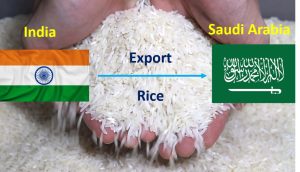
Import Indian Rice in Saudi Arabia
I’ve built partnerships yielding 25% ROI by focusing on long-term contracts—start with samples, scale to containers.
Overcoming Market Challenges
No rose without thorns. High prices invite competition from Pakistani basmati (cheaper by 10%). Solutions:
- Quality differentiation: Lab-test for purity.
- Risk mitigation: Use escrow over LC for smaller deals.
- Sustainability: Buyers demand low-residue rice—certify organic for premiums.
From my experience, 20% of deals fail on compliance—double-check SFDA rules.
Why Indian Jewelers Are Flocking to DMCC in 2026
Looking Ahead: Strategies for Sustainable Profits
By 2030, global basmati market hits $26 billion (CAGR 12%), per Business Research Company. Saudi demand grows 5% yearly. Strategies:
- Invest in cold chains: Preserve aroma during transit.
- Explore BRICS+ routes: Faster, cheaper via new corridors.
- Leverage tech: AI for price forecasting.
For hands-on tools, Platform.Tendify.Net’s AI Pulse analyzes real-time trends—it’s transformed how I spot arbitrage plays.
In closing, these high prices aren’t fleeting; they’re a signal of structural shifts. Whether you’re a supplier eyeing bulk exports or a trader hunting margins, the time to act is now.
Ready to turn this insight into action? Register at Tendify.net today and unlock our full suite of trade engines—from CRM to tariff calculators. Your next big deal awaits.