Blog
Vietnam Coffee Exports: B2B Sourcing Guide & 2026 Market Outlook
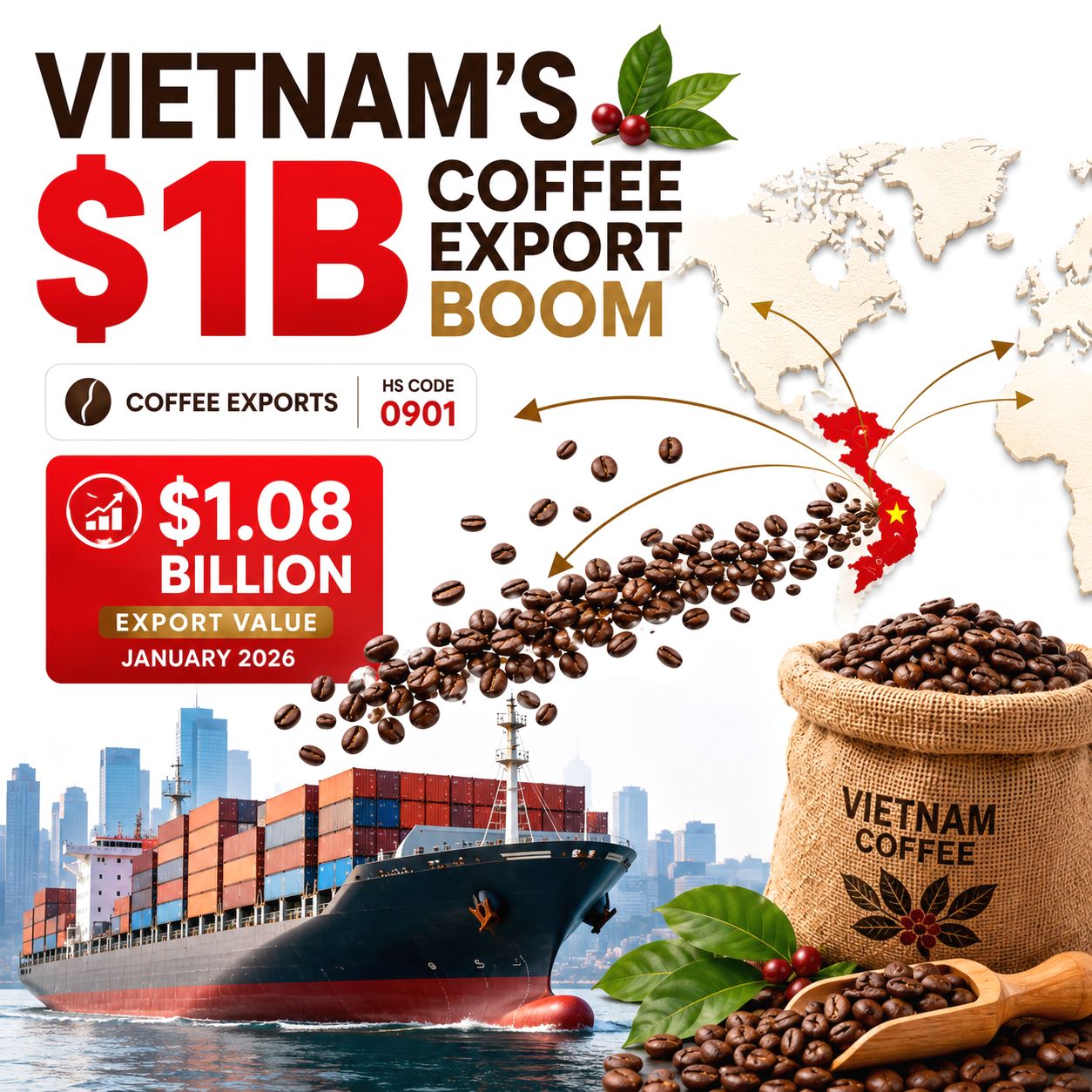
Vietnam has surged to become one of the world’s most dynamic coffee powerhouses, with January 2026 exports alone hitting $1.08 billion under HS Code 0901. For B2B traders, importers, and supply chain professionals scanning global markets, this isn’t just another agricultural headline—it’s a clear signal of shifting commodity flows, price premiums, and sourcing opportunities that reward those who move first.
While headlines often focus on high-tech sectors, traditional commodities like coffee continue to drive substantial cross-border volumes. Vietnam’s performance demonstrates how consistent quality improvements, expanded cultivation, and efficient logistics create reliable trade lanes for buyers seeking stable supply amid global volatility.
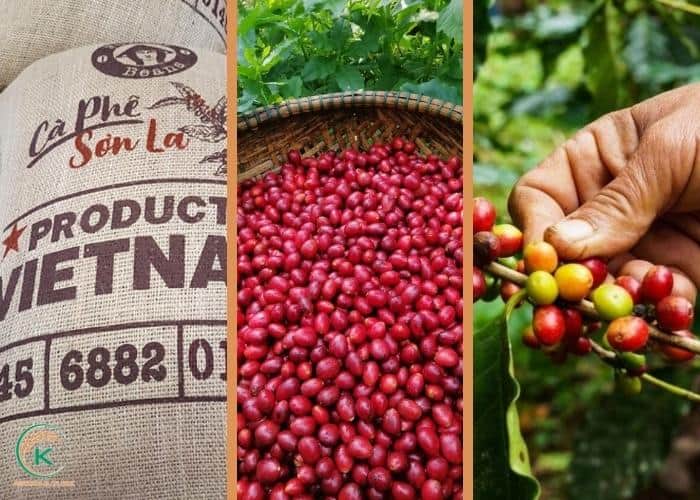
Vietnam Coffee Exports 2026
This guide breaks down the data, operational realities, and actionable steps for businesses looking to engage with Vietnamese coffee exports. Whether you’re an importer securing bulk contracts, a distributor building resilient supply chains, or a trader identifying arbitrage angles, here’s what you need to know to capitalize effectively in 2026.
GCC Food Security: Scaling AI, DeFi, and Smart Logistics for B2B Resilience
Understanding the Scale: Vietnam Coffee Exports in January 2026
The numbers paint a compelling picture. In the first month of 2026, Vietnam exported over 224,000 tonnes of coffee, generating $1.08 billion. Average prices hovered above $5,400 per tonne, reflecting strong demand and quality positioning.

Vietnam Coffee Exports
Key January 2026 Metrics:
- Export Value: $1.08 billion
- Volume: 224,000+ tonnes
- HS Code: 0901 (Coffee, whether or not roasted or decaffeinated)
- Ranking: Now among Vietnam’s leading agricultural exports
This performance builds on Vietnam’s established role as the world’s second-largest coffee producer, with robusta varieties dominating but arabica and specialty lines gaining traction. For international buyers, the story goes beyond volume—it’s about consistency in a market where supply disruptions elsewhere have tightened global availability.
Trade professionals monitoring these flows recognize the pattern: rising prices combined with reliable export infrastructure create predictable opportunities for long-term contracts and spot trading alike.
B2B Technical Standards & Quality Control (QC Specs)
High-volume coffee trading demands strict adherence to contract specifications. For global importers evaluating Vietnamese Robusta and Arabica shipments under HS Code 0901, cross-border transactions rely heavily on standard quality benchmarks to determine grading and price premiums.
Trader’s Note: Discrepancies in target screen size or moisture variance over 13% commonly trigger escrow dispute clauses and cargo devaluations in GCC ports.
Why Vietnam Coffee Exports Matter for GCC and MENA Importers
GCC markets show increasing appetite for diversified beverage and foodservice inputs. Vietnamese coffee fits neatly into this trend, offering competitive pricing, scalable volumes, and adaptable quality profiles for roasters, hospitality chains, and retailers.
Vietnam Coffee Exports Matter for GCC and MENA Importers
Strategic Maritime Corridors & Estimated Transit Times
For supply chain leads in the GCC and MENA regions, precise delivery timelines are critical for inventory forecasting and avoiding costly stockouts. Most bulk coffee shipments move from Vietnam via the Strait of Malacca, crossing the Indian Ocean to reach major Middle Eastern hubs. Below is the operational transit blueprint for 2026:
| Origin Port (Vietnam) | Destination Hub (GCC/MENA) | Service Type | Average Transit Time |
|---|---|---|---|
| Ho Chi Minh (Cat Lai / Cai Mep) | Jebel Ali, UAE | Direct Flight/Vessel | 11 – 14 Days |
| Ho Chi Minh (Cat Lai) | Jeddah Islamic Port, KSA | Transshipment (Singapore) | 18 – 24 Days |
| Hai Phong Port (North VN) | Jebel Ali, UAE | Transshipment (SITC/SGP) | 14 – 18 Days |
| Ho Chi Minh / Hai Phong | Sohar / Muscat, Oman | Direct / Feeder Connect | 13 – 16 Days |
Supply Chain Risk Mitigation: While direct ocean freight lanes offer swift 12-day turnarounds to the UAE, seasonal port congestion at Southern Vietnam berths (especially during the pre-Tet holiday surge in January/February) can add 4 to 6 days of buffer to the standard lead time. Forward booking 3 weeks in advance is highly recommended.
Practical Advantages for Regional Buyers:
- Cost Efficiency: Strong value proposition against premium origins, especially for robusta blends used in espresso and instant products.
- Supply Reliability: Established maritime routes through major ports reduce lead times compared to more distant suppliers.
- Quality Upgrades: Investments in processing and certification help meet stringent import standards in destination markets.
- Sustainability Angle: Growing focus on traceable and responsible sourcing aligns with corporate procurement goals.
In practice, importers in the UAE, Saudi Arabia, and neighboring countries use these shipments to stabilize inventory for cafes, hotels, and packaged goods manufacturers. The January figures confirm Vietnam’s capacity to deliver at scale without the seasonal gaps seen in some competing origins.
Sega’s Strategic Failure: What Supply Chains Must Learn
HS Code 0901 Deep Dive: Classification, Compliance, and Documentation
Accurate classification under HS Code 0901 is essential for smooth customs clearance and optimal duty treatment. This code covers coffee in various forms—green, roasted, decaffeinated—each with potential sub-headings that impact tariffs and requirements.
Breakdown of Key Sub-Categories:
- 0901.11 – Coffee, not roasted, not decaffeinated
- 0901.12 – Coffee, not roasted, decaffeinated
- 0901.21 – Coffee, roasted, not decaffeinated
- 0901.22 – Coffee, roasted, decaffeinated
For bulk B2B shipments, green coffee (unroasted) typically moves under the first categories, allowing importers flexibility in roasting locally to control flavor profiles and reduce transport costs.
GCC Customs Tariffs: Green vs. Roasted Coffee Arbitrage
Understanding the tariff variance under the GCC Unified Customs Union is critical for optimizing fiscal structures in your supply chain. Member states apply distinctly different duty structures to raw agricultural inputs versus value-added finished goods:
| Destination Country | Green Coffee Duty (HS 0901.11 / .12) | Roasted Coffee Duty (HS 0901.21 / .22) | Standard Import VAT |
|---|---|---|---|
| United Arab Emirates (UAE) | 0% (Duty Exempted) | 5% (Standard Rate) | 5% |
| Saudi Arabia (KSA) | 0% (Duty Exempted) | 5% (Standard Rate) | 15% |
| Sultanate of Oman | 0% (Duty Exempted) | 5% (Standard Rate) | 5% |
Compliance Checklist for 2026 Shipments:
- Verify origin certificates and phytosanitary documents.
- Confirm compliance with destination food safety regulations (e.g., maximum residue limits).
- Prepare commercial invoices, packing lists, and bills of lading with precise HS coding.
- Assess any applicable VAT or import duties in target GCC ports.
- Consider sustainability certifications (Rainforest Alliance, Fairtrade, or equivalent) that many buyers now require.
Misclassification or incomplete paperwork remains a top cause of delays. Experienced traders cross-reference with official tariff databases and work closely with freight forwarders familiar with Vietnamese export corridors.
Market Drivers Behind the 2026 Boom
Several converging factors explain Vietnam’s strong start to the year:
Geopolitical Transit Risks & Supply Chain Resilience in 2026
While climate bottlenecks traditionally dictate coffee yields, modern trade flows are heavily governed by maritime chokepoints. With ongoing volatility across the Red Sea and localized tensions affecting western Indian Ocean shipping lanes, smart B2B operators are shifting from “Just-in-Time” to “Just-in-Case” logistics. To secure Vietnamese coffee corridors heading into GCC hubs like the Strait of Hormuz, enterprises are actively employing three tactical hedges:
- •
Multi-Hub Route Diversification: Splitting freight allocations between direct routes to Jebel Ali and multimodal overland feeder networks traversing Oman (e.g., via the Port of Salalah or Sohar) to bypass congested maritime entrances. - •
Premium War Risk Insurance Inclusions: Incorporating specialized maritime clauses that cover carrier detours, ensuring cargo asset protection against unexpected chokepoint blockades. - •
Strategic Buffer Stockpiling: Utilizing cold-storage bonded warehouses within Middle Eastern free zones to maintain a 45-day operational reserve of green coffee beans, completely neutralizing short-term ocean freight disruptions.
- Quality and Yield Improvements: Vietnamese producers have scaled processing infrastructure and adopted better agronomic practices.
- Demand from Emerging Markets: Rising consumption in Asia, the Middle East, and Africa creates new outlets beyond traditional European and North American buyers.
- Logistics Maturity: Efficient containerized shipping from ports like Ho Chi Minh City and Da Nang supports just-in-time delivery models.
For B2B operators, these drivers translate into tangible opportunities: forward contracts locked at favorable levels, blended products tailored for regional tastes, and value-added processing partnerships.
Step-by-Step Guide to Importing Vietnamese Coffee in 2026
Successful engagement requires more than spotting the headline. Here’s a practical playbook used by active traders:

Importing Vietnamese Coffee
Phase 1: Market Research and Supplier Vetting
- Analyze recent export data for volume trends and pricing.
- Identify suppliers with export track records and relevant certifications.
- Request samples and cupping profiles to match your end-use requirements.
Phase 2: Contract and Finance Setup
- Choose appropriate Incoterms (FOB or CFR often preferred for bulk).
- Incorporate quality and quantity clauses with clear dispute resolution mechanisms.
BCL vs LC vs SBLC: The Real Difference Every Trader Must Know
B2B Trade Settlement & Financial Risk Management
In high-volume agricultural trade, settlement methods directly impact capital liquidity and counterparty risk. When importing coffee from Vietnam into the MENA region, physical traders deploy three primary financial mechanisms:
- ✔Documentary Letters of Credit (L/C): The traditional golden standard for bulk shipments. Buyers typically issue an Irrevocable L/C at Sight through prime GCC banks (e.g., Emirates NBD, FAB, or SABB), advising via Vietcombank or Techcombank. Release of funds remains strictly contingent on clean bills of lading, phytosanitary clearance, and certified weight certificates.
- ✔Smart Contract Escrow Protocols: Increasingly utilized by agile digital trading platforms in 2026 to optimize liquidity. Funds are locked on-chain in secure Web3 escrow contracts and programmatically released to the exporter instantly upon verifiable digital presentation of shipping documents (e.g., e-B/L via decentralized trade networks), bypassing multi-day correspondent banking delays.
- ✔Telegraphic Transfer (T/T) with Milestones: Standard for established relationships. Structuring typically follows a 20% to 30% advance deposit to secure the green coffee beans, with the remaining 70% to 80% balance paid against scanned copies of the original shipping manifest.
Phase 3: Logistics and Shipping
- Optimize container loading for coffee’s specific density and moisture sensitivity.
- Select carriers with strong Vietnam-GCC route experience.
- Plan for temperature and humidity control during transit.
Phase 4: Customs Clearance and Distribution
- Prepare documentation in advance.
- Coordinate with local agents for efficient port handling.
- Integrate into domestic supply chains quickly to maintain quality.
Businesses that map these steps into standardized operating procedures reduce friction and capture better margins.
For deeper insights into related trade tools, explore our guide on HS Code classification strategies.
Risk Management in Coffee Trade
No commodity trade is without challenges. Key risks in the Vietnamese coffee lane include:
- Price Volatility: Hedging tools and flexible contract terms help manage exposure.
- Quality Variation: Rigorous supplier audits and third-party testing mitigate issues.
- Logistics Disruptions: Diversified routing and buffer inventory provide resilience.
- Regulatory Changes: Staying current with origin and destination rules is non-negotiable.
Practical operators build multi-origin strategies, using Vietnam as a core reliable pillar while maintaining alternatives for specific needs.
Sustainability and Future Outlook
Buyers increasingly demand transparency. Vietnamese exporters responding with traceable chains and environmental practices position themselves strongly for premium segments. In GCC markets, where hospitality and retail sectors emphasize responsible sourcing, this creates differentiation opportunities.
Looking ahead through 2026, continued infrastructure investments and market access improvements suggest sustained momentum. Traders who engage early and build relationships stand to benefit most.
Operational Tools That Support Coffee Trade Success
Modern B2B trade benefits from specialized platforms that streamline sourcing, documentation, and compliance. Tools for tariff calculation, contract generation, and logistics optimization help teams execute faster with fewer errors.
One practical example is integrating platforms like Platform.Tendify.Net for connecting with verified partners and accessing trade utilities that simplify cross-border processes.
Additional relevant resources include our coverage of GCC port logistics optimization and efficient bulk commodity shipping strategies.
Building a Resilient Coffee Sourcing Strategy
The most successful importers treat coffee sourcing as a strategic function rather than a transactional one. This means:
- Developing long-term supplier relationships.
- Investing in quality control infrastructure.
- Leveraging data for demand forecasting.
- Diversifying across origins while capitalizing on Vietnam’s strengths.
By approaching the market with operational discipline, businesses turn commodity exposure into competitive advantage.
Vietnam’s January 2026 coffee export performance underscores a broader truth in global trade: steady execution in established categories often delivers outsized results. For professionals focused on results over hype, this creates a window worth serious attention.
The data is clear. The infrastructure is ready. The question is whether your supply chain strategy will capture the opportunity.
Ready to strengthen your cross-border operations and access reliable partners for commodities like coffee and beyond? Register today to streamline sourcing, documentation, and logistics execution: https://tendify.net/my-account/