Blog
Saudi Arabia Manufacturing Opportunities: Vision 2030 and Supply Gaps
A Transforming Industrial Landscape
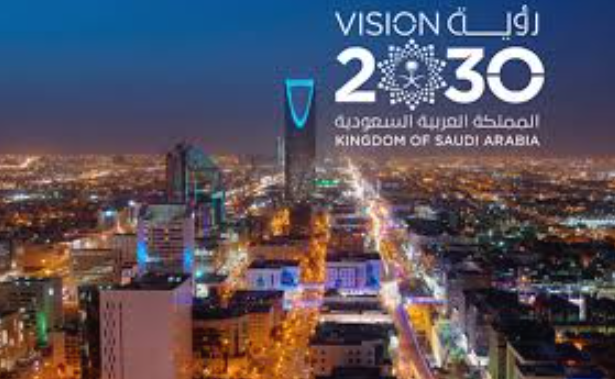
Saudi Arabia is no longer just the world’s leading oil exporter. Under Vision 2030, the Kingdom is accelerating diversification, aiming to build a robust industrial base across manufacturing, logistics, renewable energy, and high-value products.
Investors and international traders are watching closely because gaps in supply chains create real opportunities for local production, joint ventures, and technology transfer.
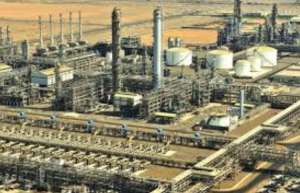
Saudi Arabia Manufacturing Opportunities
By 2030, the Kingdom’s goals include:
Raising the private sector’s GDP contribution from 40% to 65%
Expanding non-oil exports
Creating 1 million new jobs in manufacturing and industrial services
This article is written from a practical business perspective, highlighting real manufacturing opportunities, supply gaps, and investment insights.
Why Manufacturing Matters in Saudi Vision 2030
Economic diversification: Reducing dependency on oil revenues.
Job creation: Developing industrial skills among Saudi citizens.
Global competitiveness: Attracting foreign investors in key sectors.
Regional hub: Leveraging location for MENA and GCC trade.
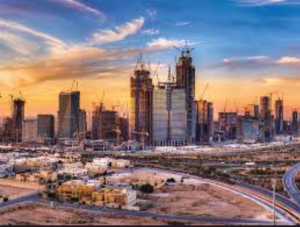
Saudi Vision 2030
Key Sectors Targeted for Growth
| Sector | Vision 2030 Goal | Opportunity Type |
|---|---|---|
| Petrochemicals & Plastics | High value-add, downstream industries | Joint ventures, tech licensing |
| Food & Agro-processing | Reduce import dependency | Local processing, cold chain solutions |
| Automotive & Parts | Local assembly & R&D | OEM partnerships, EV supply chains |
| Renewable Energy Equipment | Manufacturing solar panels, wind components | Export + local energy projects |
| Pharmaceuticals & MedTech | Local R&D and production | Supply for GCC + Africa |
📌 Investor Insight: The government offers incentives, industrial zones, and public-private partnerships to attract capital and technology.
Supply Gap Concept: Where Opportunities Arise
Supply gaps exist where demand exceeds local production. In Saudi Arabia, key gaps include:
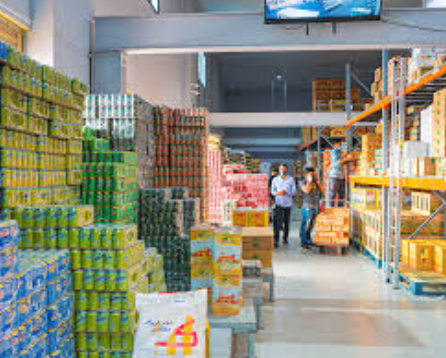
Food products – High reliance on imports for fruits, vegetables, dairy, and processed foods.
Industrial equipment – Limited domestic suppliers for machinery, spare parts, and tools.
Packaging & logistics solutions – Shortage of modern packaging plants, cold storage, and transport fleets.
High-tech manufacturing – Semiconductors, medical devices, electronics.
Renewables and energy-related components – Local production capacity remains low.
Practical Takeaways
For global investors, suppliers, and manufacturers:
Local production vs imports: Importing is expensive and vulnerable; local manufacturing fills the gap.
Public-private partnerships (PPPs): Many projects are structured for joint ventures.
Industrial zones: Special zones offer tax benefits, utilities, and streamlined licensing.
Sector-specific Vision 2030 targets: Understanding priority sectors helps prioritize investment and resource allocation.
💬 Real-world Insight:
A trader exporting food to Saudi Arabia discovered that fresh produce and packaged foods consistently face delays due to import quotas. Establishing a local processing facility not only reduces risk but captures premium pricing.
Sector-Wise Analysis and Supply Gap Insights
1. Food & Agro-Processing Industry
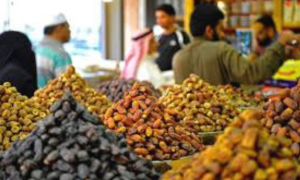
Saudi Food & Agro
1.1 Current Landscape
Saudi Arabia imports roughly 80–90% of its food. Despite investment in agriculture, the desert climate and water scarcity make local production limited.
High-demand categories:
Fruits & vegetables
Dairy & processed dairy products
Meat & poultry
Packaged & convenience foods
1.2 Supply Gaps
| Product | Local Production | Import Dependency | Gap Opportunity |
|---|---|---|---|
| Fresh vegetables | Low | 70% | Greenhouse farming, vertical farms |
| Dairy | Medium | 60% | Ultra-processed dairy, cheese, yogurt |
| Packaged snacks | Very low | 80% | Local packaging & private-label manufacturing |
| Meat & poultry | Low | 65% | Halal-certified meat processing & cold chain logistics |
1.3 Investment Insights
PPP projects for food parks are growing.
Cold chain and logistics solutions remain underdeveloped.
Innovative tech like hydroponics, vertical farms, and automated processing has high ROI.
💬 Practical Example:
A UAE-based investor partnered with a local Saudi company to build a vertical farm producing lettuce and herbs for Riyadh supermarkets — ROI was achieved within 18 months due to supply gap pricing.
Advanced Loan & Financial Calculator
2. Petrochemicals & Plastics
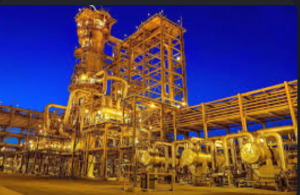
Saudi Petrochemicals & Plastics
2.1 Current Landscape
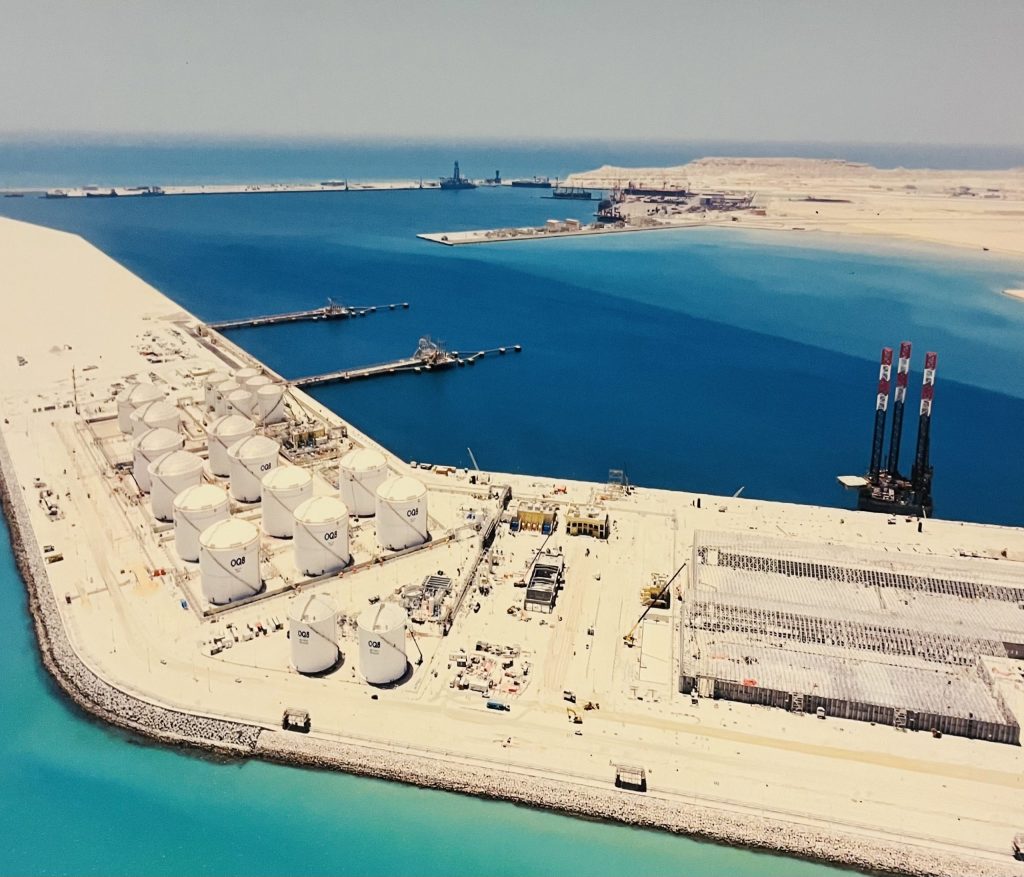
Saudi Arabia dominates petrochemical exports, but downstream products like plastics and specialty chemicals are partially imported. Vision 2030 encourages value-added processing.
High-demand categories:
Industrial plastics
Packaging materials
Automotive polymers
Specialty chemicals
2.2 Supply Gaps
| Product | Local Capacity | Import Dependency | Gap Opportunity |
|---|---|---|---|
| Industrial plastics | Medium | 40% | Local production for industrial users |
| Specialty chemicals | Low | 60% | Chemical formulation & lab facilities |
| Packaging films | Low | 70% | Flexible packaging & food-grade plastics |
2.3 Investment Insights
New industrial clusters (e.g., Jubail, Yanbu) provide land and utilities.
JV with international technology providers accelerates production.
Downstream industries can significantly reduce import costs and capture regional market share.
💬 Practical Example:
A European plastics manufacturer partnered in Jubail to produce food-grade polyethylene for GCC markets — cost savings compared to imports: 20–25% per ton.
3. Automotive & Mobility Components
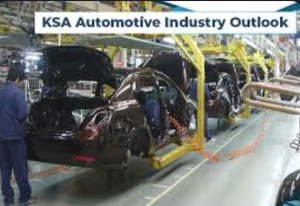
Saudi Automotive & Mobility Components
3.1 Current Landscape
Saudi Arabia currently assembles limited vehicle models and imports the majority of parts. Vision 2030 focuses on:
Electric vehicle adoption
Local assembly and parts manufacturing
Training Saudi engineers in automotive tech
3.2 Supply Gaps
| Segment | Local Capability | Import Dependency | Opportunity |
|---|---|---|---|
| EV batteries | Very low | 90% | Import substitution & joint R&D |
| Automotive parts | Medium | 70% | Tier-1 & Tier-2 component manufacturing |
| Charging infrastructure | Very low | 100% | Local production & service networks |
3.3 Investment Insights
Partnerships with EV manufacturers are incentivized.
Local component production reduces cost and ensures supply security.
Training and upskilling programs support Saudization (employing local workforce).
💬 Practical Example:
A Korean automotive parts supplier established a JV in Riyadh to produce EV braking systems. Result: first-mover advantage in a rapidly growing market.
4. Renewable Energy Equipment

Saudi Renewable Energy Equipment
4.1 Current Landscape
Saudi Arabia is investing $50–70 billion in renewables by 2030. Local manufacturing of solar panels, wind turbines, and storage solutions is minimal.
4.2 Supply Gaps
| Equipment | Local Capacity | Import Dependency | Gap Opportunity |
|---|---|---|---|
| Solar panels | Very low | 100% | Manufacturing & assembly |
| Wind turbine components | Very low | 100% | Blades, gearboxes, control systems |
| Battery storage & inverters | Very low | 90% | Lithium-ion cells, inverters |
4.3 Investment Insights
Industrial zones like NEOM & Ras Al Khair offer incentives.
Tech partnerships can transfer know-how.
Opportunity for regional export to MENA and Africa.
💬 Practical Example:
A Chinese solar firm partnered with a Saudi company to assemble PV panels locally — reduced customs and logistics costs by 30% and gained access to government renewable contracts.
Cheapest Way to Export to Saudi Arabia in 2026
5. Pharmaceuticals & MedTech
5.1 Current Landscape
Saudi Arabia imports 80–85% of pharmaceuticals. Vision 2030 promotes local production to:
Ensure healthcare security
Reduce import dependency
Create high-skilled jobs
5.2 Supply Gaps
| Category | Local Capacity | Import Dependency | Opportunity |
|---|---|---|---|
| Generic drugs | Medium | 70% | Local formulation & production |
| Biologics | Very low | 90% | JV with international pharma |
| Medical devices | Low | 80% | Imaging, monitoring, and diagnostic devices |
5.3 Investment Insights
Government grants and incentives for local R&D are available.
Licensing & technology transfer JVs are encouraged.
GCC regional market access is a major advantage.
💬 Practical Example:
A European medtech company set up assembly lines for diagnostic kits in Riyadh, supplying Saudi hospitals and neighboring GCC countries.
High-Tech, Logistics, Investment Frameworks & Conclusion
6. High-Tech Manufacturing & Electronics
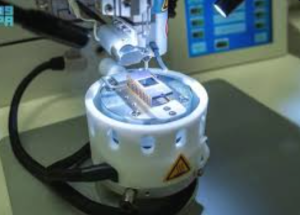
Saudi High-Tech Manufacturing & Electronics
6.1 Current Landscape
Saudi Arabia’s industrial base for electronics, semiconductors, and advanced machinery is still minimal. Imports dominate critical components for:
Electronics assembly
Robotics
AI-driven manufacturing
Semiconductor components
Vision 2030 targets technology-intensive manufacturing, aiming to attract international expertise and develop local talent.
6.2 Supply Gaps
| Segment | Local Capability | Import Dependency | Opportunity |
|---|---|---|---|
| Semiconductors | Very low | 100% | Assembly, testing, and JV with chipmakers |
| Robotics & automation | Low | 90% | Factory automation & AI integration |
| Industrial IoT | Low | 80% | Sensors, analytics, and smart manufacturing |
| Consumer electronics | Low | 85% | Local assembly & brand partnerships |
💡 Insight: High-tech manufacturing is strategic — first movers can dominate domestic and GCC markets.
6.3 Investment Opportunities
Partnerships with global electronics firms
Industrial zones offering tech clusters (NEOM, King Abdullah Economic City)
Licensing, R&D, and technology transfer agreements
Integration with renewable energy and automotive sectors
📌 Practical Example:
A German robotics company partnered with a Saudi industrial firm to provide automation for food and beverage lines — cost efficiency improved by 25–30% and production scaled faster.
7. Logistics, Packaging & Industrial Services

Saudi Logistics, Packaging & Industrial Services
7.1 Current Landscape
Even with Vision 2030 investment, logistics and industrial support services lag behind. Saudi Arabia imports most packaging materials, cold chain equipment, and industrial tools.
7.2 Supply Gaps
| Service | Local Capability | Import Dependency | Opportunity |
|---|---|---|---|
| Cold storage | Low | 80% | Modern cold chain warehouses for perishable goods |
| Packaging | Medium | 60–70% | Food-grade, industrial-grade, and custom solutions |
| Industrial tools & spare parts | Low | 70–80% | Machinery, tooling, maintenance services |
| Freight & customs solutions | Medium | N/A | Digital platforms, automated logistics |
💬 Practical Example:
A UAE logistics firm invested in a cold storage facility in Jeddah, serving imported fruits and dairy — ROI was achieved within 2 years due to persistent demand.
7.3 Strategic Insight
Supply chain gaps create recurring revenue opportunities.
Efficient logistics reduces risk and ensures premium pricing.
Integration with local manufacturing enhances market credibility and compliance.
How to Build an Internal Export Operations Playbook: Step-by-Step Guide for 2026
8. Investment Frameworks & Incentives
Saudi Investment Frameworks & Incentives
8.1 Saudi Industrial Zones & Special Economic Zones
| Zone | Focus | Incentives |
|---|---|---|
| King Abdullah Economic City | Multi-sector | Tax breaks, streamlined licensing |
| Jubail Industrial City | Petrochemicals | Utilities, cluster ecosystem |
| NEOM | High-tech & renewables | Land grants, R&D incentives |
| Ras Al Khair | Mining & energy | Port access, logistics support |
8.2 Financial & Legal Incentives
Corporate tax reductions for industrial investments
Government grants for R&D and local manufacturing
Foreign ownership up to 100% in most sectors
Saudization incentives for hiring local workforce
📌 Practical Insight: Early-stage investors can benefit from combined incentives in industrial clusters and priority sectors.
8.3 Public-Private Partnerships (PPP)
PPP projects are growing across:
Food processing
Renewable energy
Industrial parks
Healthcare & MedTech
These partnerships reduce risk and accelerate market entry.
9. Cross-Sector Synergies
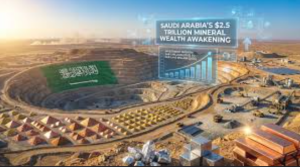
Saudi Cross-Sector Synergies
Vision 2030 encourages integration across sectors:
Renewables + High-tech: Solar panel assembly linked with industrial electronics.
Food + Logistics: Cold chain facilities integrated with local agro-processing.
Automotive + Robotics: EV manufacturing combined with automation for production efficiency.
MedTech + Pharma: Local production of devices aligned with pharmaceutical supply chains.
📌 Investor Tip: Targeting sectors with vertical integration potential maximizes ROI and mitigates supply chain risk.
10. Actionable Roadmap for Foreign Investors
Identify Supply Gaps: Focus on sectors where import dependency exceeds 60%.
Select Strategic Zone: Choose industrial or special economic zone aligned with sector.
Engage Local Partners: Leverage joint ventures for licensing and Saudization compliance.
Integrate Technology: Invest in automation, digital solutions, and advanced manufacturing.
Plan for Scale & Export: GCC & MENA markets are immediate growth opportunities.
Monitor Policy Updates: Vision 2030 is dynamic; incentives and priorities evolve annually.
11. Final Summary & Conclusion
Saudi Arabia’s Vision 2030 transforms the Kingdom from an oil-dependent economy into a diversified industrial hub.
Key points:
Supply gaps are real: Food, petrochemicals, automotive, renewable energy, high-tech, and logistics.
Government support is strong: Tax incentives, industrial zones, PPPs, and foreign ownership flexibility.
Cross-sector opportunities: Vertical integration amplifies ROI and mitigates risks.
First movers benefit most: Early entrants capture market share, government projects, and export opportunities.
✅ Strategic Takeaway:
Foreign investors, manufacturers, and technology providers that understand supply gaps, Vision 2030 priorities, and regulatory incentives can achieve high returns, market leadership, and long-term growth in Saudi Arabia and across the GCC.
💬 Call to Action (CTA):
Explore Saudi Arabia’s manufacturing opportunities today, analyze sector-specific supply gaps, and partner with local stakeholders to capitalize on Vision 2030 growth.