Blog
Iran Market Arbitrage: High-Margin Export Opportunities
Why Iran is a Unique Arbitrage Hub
Iran’s market in 2026 presents unique arbitrage opportunities due to a combination of:
Currency fluctuations
Regional trade dynamics
Supply-demand gaps in key commodities
Local production strengths in high-value goods
For global traders, this is a rare opportunity to leverage pricing inefficiencies and export high-demand products to neighboring countries and beyond.
Most Profitable Arbitrage Opportunities in Iran 2026 A Practical Guide
📌 Practical Insight:
Even with global sanctions considerations, certain sectors in Iran offer high margins for international buyers, especially if working with local consultants who understand regulations, sourcing, and logistics.
Saudi Arabia Manufacturing Opportunities: Vision 2030 and Supply Gaps
Why Arbitrage Works in Iran
Arbitrage exists when price differences between markets allow traders to buy low in one market and sell higher in another.
Factors creating these differences in Iran:
Exchange Rate Variability: Rial vs. USD/EUR rates fluctuate significantly, creating profit potential.
Import Restrictions & Licensing: Local restrictions often increase domestic supply value.
Regional Demand: Neighboring countries (GCC, Turkey, Central Asia) have high demand for Iranian goods.
Production Strengths: Iran has competitive industries in:
Petrochemicals
Agriculture & food processing
Pharmaceuticals & medical equipment
Textiles & carpets
Construction materials
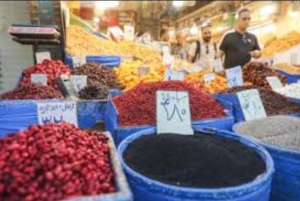
Why Arbitrage Works in Iran
Scope of This Guide
This article will cover:
Sector-wise analysis of profitable arbitrage opportunities
Practical pricing and export insights
Risk assessment and mitigation
Regulatory considerations
Actionable strategies for traders
💬 CTA for Traders:
For consultation and sourcing guidance, you can contact our experts to assist in buying high-demand products from Iran safely and efficiently.
Key Principles for Successful Arbitrage in Iran
| Principle & Pillar | Core Strategic Focus | Actionable Execution in Iran (2026) | Impact Level |
| 🔍 Local Intelligence | Deep real-time mapping of domestic supply-demand imbalances | Monitoring factory-gate prices vs. regional market rates, tracking seasonal yield variations, and identifying domestic surplus before market adjustments. | Critical |
| 📜 Regulatory & Export Compliance | Navigating Iranian export mandates, customs, and licenses | Securing official export permits (e.g., Ministry of Industry/Agriculture approvals), managing re-export structures, and adhering to trade compliance. | High |
| ⚡ Timing & Settlement Speed | Mitigating currency risk and capital friction | Capitalizing on rapid Rial volatility and locking in margins instantly using stablecoins (USDT) or regional exchange mechanisms before price adjustments. | Critical |
| 🤝 Verified Local Networks | De-risking operations through trusted ground partnerships | Partnering with vetted local sourcing agents, freight forwarders, and licensed trading houses to verify supplier authenticity and prevent shipment stalls. | High |
| 💡 Strategic Value Addition | Shifting from raw materials to processed/refined goods | Converting raw agricultural or chemical inputs into processed, packaged, or certified grades to capture higher margins and bypass raw-material export bans. | High |
| 🔄 Financial & Re-Export Alignment | Bridging international buyer constraints with local realities | Utilizing Special Purpose Vehicles (SPVs) in Dubai or Muscat and managing currency repatriations (NIMA/tazamin) compliant with local regulations. | High |
Sector-Wise Analysis of Profitable Opportunities
1. Petrochemicals & Polymers

Petrochemicals & Polymers
1.1 Overview
Iran is a major petrochemical producer in the region, supplying products like:
Polyethylene (HDPE, LDPE)
Polypropylene
PVC and industrial resins
Aromatics and derivatives
Why profitable:
Export prices in GCC & South Asia often exceed domestic costs.
Rial depreciation increases profitability for USD/EUR transactions.
1.2 Arbitrage & Profitability Matrix (Petrochemicals & Polymers)
| Product & Grade | Domestic Cost Base (USD/Ton) | Regional Export Price (USD/Ton) | Estimated Margin | Market Demand & Liquidity | Key Target Markets & Applications |
| 🛢️ High-Density Polyethylene (HDPE) (Blow Molding / Film) | $1,050 – $1,150 | $1,450 – $1,550 | 32% – 38% | 🟢 Very High (Instant Liquidity) | UAE, Oman, Turkey, India (Packaging, pipes, containers) |
| 📦 Polypropylene (PP) (Raffia / Injection Grade) | $1,180 – $1,280 | $1,580 – $1,700 | 30% – 35% | 🟢 High | Turkey, Pakistan, GCC (Automotive parts, woven bags) |
| 🏗️ Polyvinyl Chloride (PVC) (Suspension Grade – S65) | $950 – $1,050 | $1,320 – $1,420 | 35% – 40% | 🟡 Moderate-High | Iraq, CIS, India (Pipes, window profiles, construction) |
| 🧪 Aromatics & Intermediates (Toluene / Xylene / Benzene) | $1,250 – $1,350 | $1,750 – $1,880 | 38% – 42% | 🟡 Moderate | China, GCC, South Asia (Solvents, resins, chemical synthesis) |
| ⛽ Linear Low-Density Polyethylene (LLDPE) (Film Grade) | $1,000 – $1,100 | $1,380 – $1,480 | 33% – 37% | 🟢 High | GCC, Central Asia (Heavy-duty packaging, agriculture film) |
Strategic Sourcing Note: Profit margins in petrochemical arbitrage heavily depend on securing official allocation quotas from Iran’s Mercantile Exchange (IME) and selecting the optimal logistics route (e.g., ISO tanks for liquid aromatics vs. bulk/bagged sea containers via Bandar Abbas). Working with a verified local agent ensures compliant Certificate of Analysis (CoA) documentation and smooth customs clearance.
2. Agricultural & Food Products
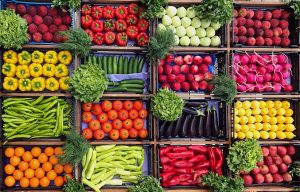
IRAN Agricultural & Food Products
2.1 Key Commodities
Iran has a comparative advantage in:
Pistachios, almonds, and dried fruits
Saffron and spices
Fresh fruits: pomegranates, citrus, kiwis
Processed food products
2.2 Agricultural & Food Commodities Arbitrage Matrix
| Product & Premium Grade | Domestic Wholesale Cost (USD/kg) | International Export Price (USD/kg) | Net Arbitrage Margin | Seasonal Peak & Shelf Life | Prime Target Markets & Value Addition |
| 🟢 Premium Pistachios (Akbari, Kalehghouchi, Fandoghi) | $10.00 – $12.00 | $18.00 – $22.00 | 70% – 95% | 🍂 Oct – Dec (18+ Months) | UAE, EU, China, India (Vacuum packing & aflatoxin certification required) |
| 🔴 Red Gold Saffron (Super Negin / Sargol Grade) | $1.20 – $1.50 / gram | $2.80 – $3.80 / gram | 110% – 160% | 🍁 Nov – Jan (24+ Months) | GCC, Spain, Italy, China (Requires retail-ready luxury packaging) |
| 🌴 Persian Dates (Piarom & Mazafati Grades) | $2.50 – $3.50 | $5.50 – $8.50 | 80% – 120% | 🌙 Pre-Ramadan Peak (12 Months) | GCC, Russia, India, EU (Organic sorting & cold-chain logistics) |
| 🍑 Dried Fruits & Nuts (Figs, Raisins, Dried Apricots) | $3.50 – $4.80 | $7.00 – $9.50 | 65% – 90% | ☀️ Year-round (12+ Months) | Central Asia, GCC, China (Industrial & B2B snack packaging) |
| 🍊 Fresh Citrus & Subtropical Fruits (Kiwi, Pomegranates, Oranges) | $0.40 – $0.65 | $1.10 – $1.55 | 90% – 130% | ❄️ Nov – Feb (Short Shelf Life) |
Quality & Compliance Insight: While agricultural margins are exceptionally high, successful arbitrage requires strict adherence to international sanitary and phytosanitary (SPS) standards. Securing recognized pesticide residue lab testing, ISO 22000 certifications, and utilizing vacuum or controlled-atmosphere packaging are essential steps to prevent customs rejections at destination ports.
Essential English-Arabic Business Dictionary for Exporters & Importers
3. Textiles & Carpets
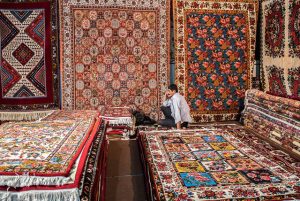
Textiles & Carpets
3.1 Overview
Iranian textiles and hand-woven carpets remain globally respected. Opportunities exist in:
Silk & wool carpets
Cotton textiles and apparel
Traditional handicrafts
3.2 Textiles & Rugs Arbitrage Potential Matrix
| Product & Craft Grade | Domestic Wholesale Cost | International Retail / B2B Price | Estimated Margin | Demand & Volume | Prime Target Markets & Logistics Focus |
| 🖼️ Authentic Hand-Knotted Persian Rugs (Silk / Fine Wool) | $450 – $600 / m² | $1,100 – $1,500 / m² | 120% – 150% | 🟡 Niche / High Value | EU, GCC, China, Japan (Requires authenticity certificates & re-export hub setups) |
| 🧵 High-Density Machine-Made Carpets (1200+ Reebd / Acrylic) | $35 – $55 / m² | $80 – $120 / m² | 110% – 130% | 🟢 High Volume | Iraq, Central Asia, GCC (High turnover, containerized bulk sea/land shipments) |
| 🐑 Hand-Woven Wool Rugs & Gabbehs (Nomadic / Tribal) | $180 – $240 / m² | $420 – $520 / m² | 110% – 130% | 🟢 Moderate-High | Europe, Australia, GCC (High demand in eco-friendly & boutique interior design) |
| 👕 Industrial Cotton & Synthetic Fabrics (Woven / Knitted) | $1.80 – $2.40 / meter | $4.20 – $5.50 / meter | 110% – 140% | 🟢 High Volume | GCC, East Africa, CIS (B2B apparel manufacturers & home textile suppliers) |
| ✨ Traditional Silk Brocade & Termeh (Luxury Handcrafts) | $15 – $25 / piece | $45 – $70 / piece | 150% – 180% | 🟡 Niche | Middle East, Luxury Souvenir Outlets (High-margin giftware & luxury home decor) |
Market Access & Origin Strategy: While Iranian hand-knotted carpets carry unmatched brand prestige globally, direct shipments to certain Western destinations face trade restrictions. Successful exporters leverage regional trade hubs like Dubai or Istanbul for re-packaging, origin documentation, and luxury showroom presentation to maximize retail margins.
4. Pharmaceuticals & MedTech

IRAN Pharmaceuticals & MedTech
4.1 Overview
Iran produces generic medicines, surgical equipment, and medical devices. Export opportunities exist despite some regulatory restrictions.
4.2 Pharmaceuticals & MedTech Arbitrage Matrix
| Product & Medical Category | Domestic Wholesale Cost Base | International Export Price | Estimated Margin | Regulatory & Compliance Level | Prime Target Markets & Strategic Focus |
| 🧬 Bio-Similars & Biotech Pharmaceuticals (Oncology, Insulin, Biologics) | $15.00 – $25.00 / vial | $40.00 – $65.00 / vial | 130% – 160% | 🔴 Strict (GMP & MOH Country Registration required) | GCC, CIS, Iraq, LatAm (Subsidized R&D cost creates high export margin) |
| 🔬 In-Vitro Diagnostic Kits & Rapid Tests (Molecular / PCR / ELISA Kits) | $5.00 – $7.00 / kit | $12.00 – $16.00 / kit | 110% – 140% | 🟡 Moderate-High (ISO 13485 & CE Mark) | Regional Hospitals, CIS, GCC (High demand in private testing labs) |
| 🩺 Medical Disposables & Consumables (Surgical Gloves, Syringes, Catheters) | $0.03 – $0.05 / unit | $0.07 – $0.11 / unit | 110% – 135% | 🟢 Moderate (ISO 13485 / Standard Certificate) | Iraq, Central Asia, East Africa (High-turnover bulk order packaging) |
| 🏥 Specialized Hospital & Lab Equipment (Operating Tables, Incubators, Autoclaves) | $1,200 – $2,200 / unit | $2,800 – $4,800 / unit | 100% – 130% | 🟡 Moderate-High (CE Mark & IFDA Approval) | Middle East Clinics, CIS, Iraq (Competitive engineering vs. European brands) |
Regulatory & Licensing Insight: Exporting pharmaceutical and bio-medtech products from Iran requires prior approval from the Iran Food and Drug Administration (IFDA) and compliance with target market health registration codes. Partnering with a licensed local distributor speeds up Certificate of Free Sale (CFS) issuance and simplifies cross-border health inspections.
5. Construction Materials

IRAN Construction Materials
5.1 Overview
With GCC countries investing heavily in infrastructure, Iranian cement, steel, and aluminum products have high demand.
5.2 Construction Materials & Metals Arbitrage Matrix
| Product & Industrial Grade | Domestic Wholesale Cost | Regional Export Price | Net Arbitrage Margin | Logistics & Transport Mode | Prime Target Markets & Value Focus |
| 🏗️ Steel Rebars & Construction Steel (Fe500 / Deformed Bars) | $480 – $520 / ton | $680 – $750 / ton | 40% – 50% | 🚛 Land Transit / Bulk Vessels | Iraq, Afghanistan, UAE, Oman (High-volume infrastructure & housing projects) |
| 🏬 Porcelain & Ceramic Tiles (Porcelain Wall & Floor Tiles) | $3.50 – $5.00 / m² | $7.50 – $11.00 / m² | 100% – 130% | 📦 Containerized Pallets | GCC, Central Asia, Russia (Massive margin due to cheap energy & local clay) |
| 🧱 Portland Cement & Clinker (Type II / V – Bulk & Bagged) | $35 – $45 / ton | $65 – $85 / ton | 65% – 85% | 🚢 Bulk Carriers / Sea Barges | CIS, Gulf States, East Africa (Essential supply gap filler for GCC mega-projects) |
| 🏛️ Natural Building Stones (Travertine, Marble & Granite) | $15 – $25 / m² | $35 – $60 / m² | 110% – 140% | 🚛 Heavy Flatbed Trucks / Containers | Qatar, Kuwait, UAE, China (High-end architectural facades & interior slabs) |
| 🛣️ Penetration Grade Bitumen (60/70 & 80/100 for Paving) | $320 – $360 / ton | $480 – $550 / ton | 45% – 55% | 🛢️ Drums / Flexitanks / Bitutainers | India, Southeast Asia, GCC (Vital input for regional road & highway construction) |
| 🔲 Extruded Aluminum Profiles (Inland Ingot-based Sheets) | $1,800 – $2,000 / ton | $2,500 – $2,800 / ton | 38% – 45% | 🚛 Covered Trailers / Sea Cargo | Turkey, Iraq, GCC (Facade systems & industrial frame manufacturing) |
Logistics & Freight Efficiency Note: In heavy construction commodities, gross margins can easily be eroded by inland transport and port handling charges. Successful arbitrage requires securing long-term freight rates with experienced forwarders, verifying ISO/EN standards for steel and cement, and optimizing container weight limits to maximize net profitability per shipment.
High-Tech, Energy, Regulations, Currency Arbitrage & Final Roadmap
6. High-Tech & Electronics Arbitrage
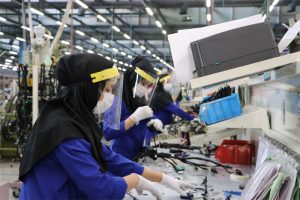
High-Tech & Electronics Arbitrage
Iran has a rapidly growing ecosystem in high-tech knowledge-based industries, biotechnology, and advanced industrial solutions. Rather than hardware electronics, Iran’s competitive advantage lies in bio-pharmaceuticals, nano-materials, industrial catalysts, advanced medical software, and specialized lab equipment. Due to highly qualified engineering talent and subsidized R&D costs, these specialized products offer significant export arbitrage margins to regional markets.
6.2 Knowledge-Based & High-Tech Opportunities Matrix
| Product / High-Tech Service | Domestic Cost Base | Regional Export Value | Net Arbitrage Margin | Delivery & Scalability | Key Target Markets & Value Proposition |
| 🧪 Industrial Catalysts (Oil & Gas) (Hydroprocessing / Steam Reforming) | $7,500 – $8,500 / ton | $13,500 – $15,000 / ton | 70% – 80% | 🟡 Made to Order (4–8 Weeks) | CIS, Regional Refineries (Massive cost advantage for complex petrochemical processing) |
| 🧬 Biotech & Recombinant Pharmaceuticals (Oncology Vials / Bio-Similars) | $14.00 – $18.00 / vial | $42.00 – $50.00 / vial | 180% – 210% | 🟢 High Scalability (Cold-Chain) | GCC, Iraq, Central Asia (Subsidized R&D with international GMP-compliant facilities) |
| 🔬 Advanced Lab & Medical Devices (Centrifuges, Analyzers, Diagnostic Units) | $1,100 – $1,300 / unit | $2,600 – $3,000 / unit | 120% – 140% | 🟢 Ready Stock (1–2 Weeks) | Regional Hospitals, Iraq, CIS (High precision engineering with ISO 13485 / CE standards) |
| ⚙️ Specialized Engineering & Technical Services (EPC, Plant Automation, SCADA) | $25 – $40 / hour (Base Cost) | $80 – $120 / hour (Market Rate) | 80% – 120% | 🟡 Project-Based | Middle East & North Africa (Highly skilled engineering talent at fraction of Western rates) |
| 💻 Custom Enterprise & Medical Software (Hospital Info Systems, Industrial AI) | $3,000 – $5,000 / license | $9,000 – $15,000 / license | 150% – 200% | 🟢 Instant Digital Delivery | GCC, Central Asia (Proprietary software tailored for regional regulatory standards) |
Intellectual Property & Quality Compliance: Sourcing high-tech solutions and specialized chemical agents from Iranian knowledge-based entities requires verified Certificate of Analysis (CoA) documentation, ISO compliance, and robust non-disclosure agreements (NDAs). Working with established trade consultants ensures smooth technology transfer and compliant cross-border service contracts.
7. Energy & Petrochemical Derivatives
7.1 Energy & Petrochemical Derivatives Arbitrage Matrix
Iran is a petrochemical powerhouse. Beyond raw products, derivatives and refined chemicals offer profitable arbitrage:
| Product & Chemical Grade | Domestic Cost Base (USD/Ton) | Regional Export Price (USD/Ton) | Estimated Net Margin | Shipping & Handling Mode | Primary Target Markets & Industrial Applications |
| 🧪 Methanol (AA Grade – Pure Industrial) | $280 – $320 | $440 – $500 | 45% – 58% | 🚢 Chemical Tankers / ISO Tanks | China, India, GCC (Essential feedstock for acetic acid, formaldehyde, and resins) |
| 💧 Mono Ethylene Glycol (MEG) (Fiber / Industrial Grade) | $580 – $640 | $880 – $960 | 42% – 50% | 🛢️ Flexitanks / ISO Tanks | GCC, Turkey, South Asia (Key raw material for PET bottles, polyester textiles, & anti-freeze) |
| ⚙️ Industrial & Automotive Lubricants (Virgin Base Oils SN150/SN500) | $1,100 – $1,250 | $1,750 – $1,950 | 48% – 58% | 📦 Steel Drums / IBC Tanks / Flexitanks | GCC, East Africa, Central Asia (Heavy machinery, automotive, & marine fleet maintenance) |
| 🌱 Granular & Prilled Urea (Agricultural / Technical 46% N) | $270 – $310 | $410 – $470 | 45% – 52% | 🚢 Bulk Carriers / 50kg Bags | India, Brazil, Turkey, GCC (High-demand chemical fertilizer & industrial resin synthesis) |
| 🕯️ Fully Refined Paraffin Wax (1-2% Oil Content) | $900 – $1,050 | $1,450 – $1,650 | 50% – 60% | 📦 Cartons / Wooden Pallets | EU, GCC, Central Asia (Cosmetics, packaging, candle manufacturing, & waterproofing) |
Logistics & Quality Assurance Note: Trading petrochemical derivatives from Iran requires careful selection of transport containers (e.g., ISO Tanks vs. Flexitanks for liquid chemicals) and strict adherence to international quality specifications verified by independent inspection agencies (such as SGS or Geo-Chem) at the loading port.
Export SOPs: Why Top Trading Firms Document Everything (And Average Exporters Don’t)
8. Cross-Border Regulatory Considerations
8.1 Licensing & Permits
Certain goods require export licenses from Iranian authorities.
Partnering with licensed trading companies simplifies paperwork.
8.2 Sanctions Awareness
Some sectors are restricted; arbitrage opportunities exist mostly in permitted sectors like food, petrochemicals, textiles, and certain industrial goods.
8.3 Customs & Documentation
Standard documents: Invoice, Packing List, Certificate of Origin, Health Certificates (for food/pharma).
Experienced consultants reduce shipment delays.
💬 Practical Tip:
Our consultants assist with full compliance, documentation, and sourcing, ensuring risk-free trade from Iran.
9. Currency & Payment Arbitrage
9.1 Exchange Rate Dynamics
Rial fluctuates heavily vs USD/EUR.
Buying domestic goods at local rates and exporting can increase margins by 20–50%, depending on timing.
9.2 Realistic Payment & Settlement Channels
Due to international banking restrictions and non-compliance with FATF, standard SWIFT transfers and Letters of Credit (L/C) are virtually inaccessible for Iranian cross-border trade. Successful traders utilize alternative, compliant, and highly efficient financial channels to execute arbitrage transactions safely:
Exchange Houses (Sarrafi System): Licensed third-party exchange networks operate via regional financial hubs (mainly Dubai, Muscat, and Istanbul) to settle fiat transactions smoothly without direct Iranian bank interaction.
Crypto & Stablecoin Settlement (USDT): Tether (USDT) has become the dominant, high-speed medium for instant cross-border liquidity and pricing lock-ins, eliminating bank transfer delays and currency slippage.
Special Purpose Vehicles (SPVs) & Offshore Entities: Establishing intermediary holding companies in the UAE, Oman, or Turkey allows foreign buyers to process invoices and payments under standard international trade terms.
Barter Trade (Commodity Offset): Large-scale traders frequently match Iranian export goods (e.g., petrochemicals, bitumen, agricultural items) against imported raw materials, equipment, or essential consumer goods to settle accounts without fiat movement.
Pro Tip (Financial Risk Mitigation): Never attempt direct international bank transfers to Iranian accounts. To secure transactions, utilize escrow-like structures through licensed regional exchange partners, lock in exchange rates via USDT for instant settlement, or set up a trading SPV in Oman or the UAE to manage invoicing and compliance seamlessly.
10. Step-by-Step Arbitrage Execution in Iran
Identify high-demand product in target market.
Check local suppliers and confirm domestic pricing.
Analyze supply gaps in regional markets.
Verify compliance: export permits, quality certifications.
Engage a trusted local consultant for sourcing & logistics.
Select an optimal settlement path (Crypto/USDT, Regional Exchange House, or Barter Offset) to eliminate banking bottlenecks and fix the profit margin before dispatching cargo.
Arrange transport & customs clearance efficiently.
Monitor market prices in target country for optimal timing.
💬 CTA:
For consultation and assistance in sourcing or buying products from Iran, our experts provide personalized support to ensure safe, profitable, and compliant transactions.
11. Risk Management
| Risk Category | Key Vulnerability | Practical Mitigation Strategy (2026) | Risk Impact Level |
| 🏦 Banking Restrictions & SWIFT Locks | Inability to use standard SWIFT wire transfers or traditional L/Cs due to sanctions. | Leverage USDT (Tether) for instant crypto liquidity, utilize licensed regional Sarrafi exchange networks, or process invoices through offshore SPVs (UAE/Oman). | 🔴 Critical |
| 📉 Currency Volatility & Slippage | Sudden Rial fluctuations causing pricing mismatches between order and delivery. | Lock in purchase contracts using USD-pegged stablecoins (USDT), structure back-to-back supply agreements, and shorten payment settlement windows. | 🔴 Critical |
| 📜 Regulatory Compliance & Exemption Bans | Sudden domestic export quota adjustments, bans, or currency repatriation mandates (NIMA). | Work exclusively through licensed Iranian trading partners, secure pre-approved export permits from relevant ministries, and audit NIMA compliance rules in advance. | 🟠 High |
| 🚢 Supply Chain & Customs Delays | Border bottlenecks, customs holds, or vessel availability issues at Iranian ports. | Engage pre-vetted local freight forwarders, pre-clear shipping documentation, and utilize regional re-export hubs (e.g., Jebel Ali or Sohar) for smooth transfer. | 🟡 Moderate |
| 🔍 Product Quality & Specification Discrepancies | Cargo not matching international specifications or failing target market standards. | Mandate third-party pre-shipment inspections (e.g., SGS or Geo-Chem) at the loading port and tie final release payments to verified Certificate of Analysis (CoA) reports. | 🟠 High |
12. Final Summary & Conclusion
Iran in 2026 offers unique arbitrage opportunities due to:
Strong local production in food, petrochemicals, textiles, pharmaceuticals, high-tech
Supply gaps in regional markets, creating high-margin export potential
Government support in some sectors, industrial clusters, and incentives
Dynamic currency fluctuations enhancing profitability for savvy traders
Key Takeaways for Investors and Traders:
Identify sectors with 60%+ import dependency in target markets.
Leverage local consultants for sourcing, compliance, and logistics.
Focus on high-value products (saffron, pistachios, petrochemicals, pharma, high-tech).
Monitor exchange rates and market trends for maximum margin.
Establish reliable supply chains to reduce risk and build credibility.
Start Trading with Confidence in 2026
Don’t leave your margins to chance. Partner with local market experts to navigate sourcing, compliance, and risk-free cross-border execution.