Blog
Turkey Straits Fee Increase 2026: Smart Strategies to Cut Shipping Costs
In the high-stakes world of global trade, a single regulatory shift can quietly erode margins that took months to build. I’ve spent decades optimizing export operations through volatile corridors, and one lesson stands out: the routes you take today determine whether your deal stays profitable tomorrow. Starting July 1, 2026, vessels transiting the Bosphorus and Dardanelles straits without calling at Turkish ports will face a nearly 15% increase in passage fees — pushing the rate to $6.70 per net ton.
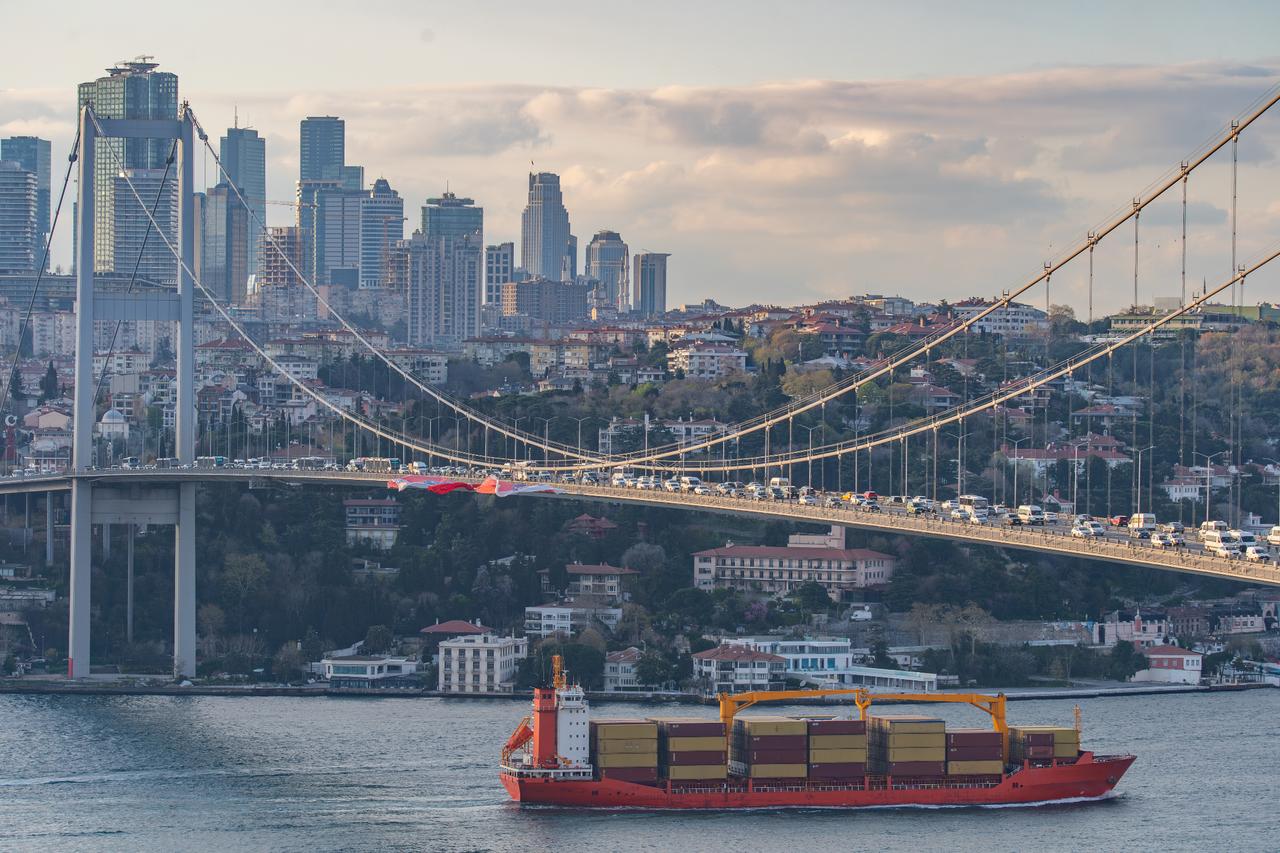
Turkey Straits Fee Increase
This adjustment, tied to the historical gold franc under the 1936 Montreux Convention, isn’t just another line item. For traders moving bulk commodities, energy, grains, or manufactured goods between the Black Sea and Mediterranean, it adds real pressure. A 10,000-ton vessel could now see total transit fees climb to $67,000, depending on exact tonnage and services. Over multiple voyages, that compounds fast.
At Tendify, we’ve built tools precisely for moments like this — helping businesses model costs, explore alternatives, and keep deals competitive. In this comprehensive guide, I’ll break down exactly what’s changing, why it matters for your operations, and actionable steps to stay ahead. Whether you’re routing through key hubs or planning 2026 contracts, these insights come from real-world experience turning challenges into advantages.
Understanding the Turkey Straits Fee Increase: The Details That Matter
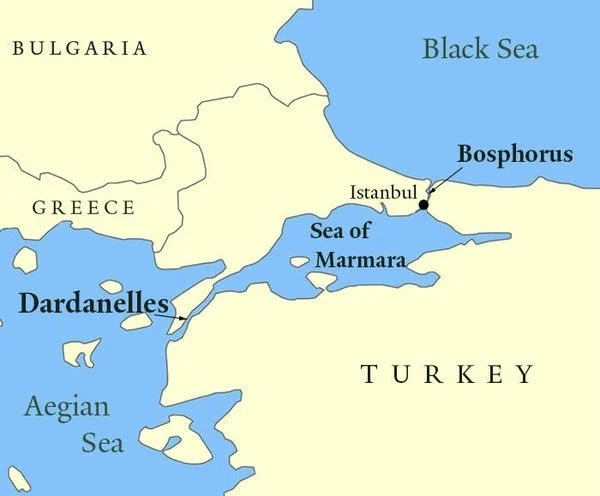
The Turkish Straits — the Bosphorus connecting the Black Sea to the Sea of Marmara, and the Dardanelles linking to the Mediterranean — remain one of the world’s busiest and most strategically vital waterways. Under the Montreux Convention, Turkey charges fees for specific services like health inspections, lighthouse maintenance, and search-and-rescue operations for vessels passing without stopping at ports.

Turkey Straits Fee
Key Changes Effective July 1, 2026:
- New rate: $6.70 per net registered ton (up from $5.83 in 2025).
- Annual indexation based on gold franc valuation, adjusted for economic realities.
- Applies to nonstop transits; vessels calling at Turkish ports may have different structures.
- Projected revenue for Turkey: Around $254 million for the period, funding critical maritime infrastructure.
This continues a trend since 2022, when fees began annual updates after decades at a flat $0.80. The increase reflects rising operational costs, safety demands in congested waters, and broader economic goals. For context, over 50,000 vessels made qualifying transits in recent years, moving everything from energy exports to agricultural goods.
The Math Behind the Toll: How the Fees Are Calculated
For supply chain directors and maritime auditors, calculating these transits isn’t a matter of guesswork. The total levy for nonstop passage is rooted in the original 1936 Montreux Convention framework, which utilizes the Gold Franc (Germinal Franc) as its baseline accounting unit. The total fee is determined by multiplying the vessel’s net tonnage by fixed service coefficients, adjusted annually by the Turkish Ministry of Transport for the current U.S. Dollar conversion rate.
Official Transit Fee Formula (Effective July 1, 2026):
Total Straits Fee = NRT × Base Coefficient × $6.70
Where NRT is the vessel’s Net Registered Tonnage, and the Base Coefficient represents the combined statutory rates for health inspection, lighthouses, and life-saving services (historically aggregated around 0.29 to 1.0 depending on exact ship configurations and service tiers).
For instance, applying this formula to a standard bulk carrier highlights how the recent 15% escalation from the 2025 rate ($5.83) to the 2026 rate ($6.70) creates immediate cost compounding across heavy-lift fleets. If your operations department isn’t updating these constants inside your internal ERP systems, your voyage estimations for H2 2026 will automatically carry structural deficits.
Why the Gold Franc? This historical unit ties fees to gold value for stability across currencies and inflation. Turkey updates its dollar equivalent yearly, providing a predictable yet adjustable mechanism.
Real-World Impact on Global Trade Routes and Costs
Don’t underestimate the ripple effects. These straits handle a massive share of Black Sea exports — grains, oil, chemicals, and more — feeding into Mediterranean, European, and global markets. Higher fees directly hit:
- Bulk Commodity Traders: Grain and energy shippers often run tight margins. An extra few thousand dollars per voyage can force price adjustments or lost bids.
To understand the gravity of a 15% increase, we must look beyond high-margin container freight and analyze low-margin, high-volume commodities like bitumen, cement, and bulk petrochemicals. For these goods, freight costs represent a massive percentage of the total landed cost, meaning even a minor regulatory shift can instantly erase a trader’s net profit.
Case Study: The $6.70/Ton Impact on a 10,000-Ton Bitumen Shipment
Let’s run the exact math for a standard 10,000 Net Registered Ton (NRT) vessel carrying industrial bitumen from the Black Sea toward Mediterranean or Gulf hubs, comparing 2025 rates against the new July 1, 2026 tariff:
| Cost Variable (10,000 NRT Vessel) | 2025 Pricing ($5.83 / Ton) | July 1, 2026 Pricing ($6.70 / Ton) | Net Impact / Loss |
|---|---|---|---|
| Total Transit Fees | $58,300 | $67,000 | +$8,700 per single voyage |
| Margin Erosion (Bitumen/Cement) | Baseline Cost | Absorbed from Net Profit | $0.87 directly lost per ton |
The Reality Check: In competitive B2B tenders for commodities like bitumen or cement, traders often fight over margins as thin as $2.00 to $4.00 per ton. A sudden, unmodeled loss of nearly $1.00 per ton strictly to transit fee adjustments does not just lower profitability—it can completely turn a winning contract into a deficit operations nightmare. This is exactly why automated cost intelligence and contract shielding clauses are no longer optional.
- Container and General Cargo: While some routes absorb it, frequent users see cumulative pressure on just-in-time supply chains.
- Alternative Routing Considerations: Longer paths around Africa or via other corridors add fuel, time, and insurance costs that might exceed the fee hike.
Regional Alternative Corridors: The Multimodal Advantage
While global shipping discussions often default to the Cape of Good Hope or the Suez Canal, traders operating across the Middle East, Turkey, Iraq, and India must look closer to home. Emerging multimodal routes are fundamentally altering the logistics landscape and the cost-benefit analysis of the Turkish Straits.
- The International North-South Transport Corridor (INSTC): A critical artery bypassing traditional maritime chokepoints, offering significant transit time reductions for freight moving between India, the Persian Gulf, and Eurasia.
- The Iraq Development Road: An ambitious infrastructure project connecting the Al-Faw Grand Port to Turkey via rail and highways, creating a direct land bridge to European markets.
- Strategic Takeaway: When comparing the compounding costs of the new $6.70 per net ton Bosphorus fee against multimodal transport through these regional networks, the math begins to shift. For high-volume commodities like bitumen, cement, and petrochemicals, leveraging these alternative land-sea bridges helps mitigate maritime bottlenecks and protects tight margins.
From my experience, small operators feel this first. One delayed or costlier leg can cascade into demurrage, missed connections, or renegotiated contracts. Larger players with diversified fleets adapt faster, but everyone benefits from proactive planning.
Case in Point: Imagine a Black Sea grain exporter shipping to Mediterranean buyers. Previously competitive rates now face upward pressure. Without adjustments, that could mean 5-15% higher landed costs, depending on vessel size and frequency — enough to shift supplier preferences in competitive tenders.
Why This Matters Now: Broader Market Context in 2026
Geopolitical tensions, shifting alliances, and infrastructure investments amplify the importance of efficient routing. Red Sea disruptions, evolving energy flows, and regional port developments already force constant recalibration. The straits fee hike adds another layer of predictability you can model rather than react to.
The Geopolitics of the Gold Franc: De-Dollarization & Smart Escrows
There is a profound irony at the heart of the Turkish Straits fee system: in an era dominated by fiat currency volatility, maritime transit through one of the world’s most critical chokepoints is anchored to the 1936 Montreux Convention’s Gold Franc. As the macro environment witnesses a structural shift toward de-dollarization, the rise of the Petroyuan, and alternative regional settlement mechanisms, Turkey’s annual adjustment of the dollar-equivalent rate exposes traders to severe currency risk.

Gold Franc
When the underlying benchmark is tied to gold value but settled in volatile global currencies, a sudden shift in foreign exchange (FX) rates can quietly distort a deal’s financial architecture while the vessel is still in transit.
The Tech-Driven Solution: This is where legacy trade meets next-generation decentralized finance (DeFi). To shield cross-border deals from FX fluctuations between the contract signing and the actual Bosphorus transit, smart contract infrastructure is becoming the new standard. By leveraging automated escrow accounts—like those integrated into the Tendify architecture—traders can lock in transit cost baselines using asset-backed stablecoins or real-world asset (RWA) tokens. If currency markets fluctuate or Turkey updates its dollar conversion factor mid-voyage, the smart contract automatically executes pre-hedged parameters, ensuring that geopolitical friction does not translate into bottom-line erosion.
Data from industry sources shows consistent growth in strait traffic alongside rising service costs. Smart businesses treat this as a signal to audit routes, not panic.
Procurement Management Guide: Mastering Direct, Indirect, OPEX & CAPEX
Actionable Strategies to Mitigate the Fee Increase
Here’s the direct, practical playbook I’ve used to keep operations resilient:
1. Optimize Vessel and Cargo Planning
- Calculate exact net tonnage impacts using precise vessel specs. Tools like Tendify’s cost calculators help simulate scenarios quickly.
- Consolidate shipments for economies of scale where possible.
- Explore calling at Turkish ports if service fees or incentives offset transit charges (review case-by-case).
2. Diversify and Model Alternative Routes
- Compare full costs: Suez vs. Cape of Good Hope vs. overland/rail combinations for certain cargoes.
- Factor in fuel (bunker prices), transit times, piracy/insurance risks, and carbon considerations.
- For Black Sea-Mediterranean flows, monitor emerging corridors and multimodal options.
3. Leverage Technology for Cost Intelligence Modern platforms turn data into decisions. Platform.Tendify.Net offers integrated calculators for tariffs, logistics optimization, and scenario planning — exactly the kind of edge that turns regulatory changes into manageable variables. Check it out to run your own route comparisons in minutes.
4. Contract and Negotiation Tactics
- Build fee adjustment clauses into long-term charters or sales contracts.
- Negotiate with forwarders for bundled rates that absorb or share incremental costs.
- Use Incoterms wisely (e.g., reviewing CFR vs. FOB implications for buyer/seller burden).
5. Compliance and Documentation Excellence Higher scrutiny often accompanies fee changes. Ensure flawless paperwork to avoid delays that compound costs. Our export checklist generators on the platform streamline this.
6. Sustainability and Efficiency Gains Invest in better vessel tech, route optimization software, or green fuels. Some offsets may help long-term as environmental regulations tighten.
Comparative Analysis: Straits vs. Other Chokepoints
| Chokepoint | Typical Impact | Mitigation Focus | Relevance 2026 |
|---|---|---|---|
| Turkish Straits | Direct per-ton fee hike | Route modeling, port calls | High for Black Sea trade |
| Suez Canal | Toll + congestion risks | Alternative routing, scheduling | Ongoing volatility |
| Panama Canal | Draft restrictions, fees | Water levels, vessel sizing | Climate-sensitive |
| Strait of Hormuz | Geopolitical risk | Diversification, insurance | Energy flows |
This table highlights why the Turkish straits adjustment feels targeted yet manageable compared to broader disruptions.
How Digital Tools Are Changing the Game
In today’s environment, gut feel isn’t enough. AI-powered market pulse tools, tariff calculators, and logistics optimizers let you forecast impacts before signing contracts. At Tendify’s command center, features like the Arbitrage Hunter, Trade Cost Analyzer, and HS Code tools integrate seamlessly to give you a full operational picture. Whether modeling a new Black Sea route or optimizing container loads, these reduce guesswork dramatically.
I’ve seen teams cut effective logistics costs by double digits simply by running better simulations. It’s not about avoiding every fee — it’s about making informed choices that protect and grow margins.
Lessons from Past Adjustments and Forward Outlook
Previous fee hikes since 2022 showed markets adapt: some rerouted selectively, others absorbed and passed on costs strategically. This 2026 update follows the pattern but arrives amid tighter global margins. Expect forwarders to update quotes quickly — get ahead by auditing your network now.
Looking further, continued investment in Turkish maritime infrastructure could bring efficiency gains that partially offset fees. Meanwhile, watch for developments in rail corridors, new port alliances, and digital trade facilitation that reduce physical strait dependency for certain goods.
Building Resilience: Your 2026 Trade Playbook
- Audit Current Routes — Map every shipment through the straits and quantify exposure.
- Run Scenarios — Use cost tools to compare options.
- Strengthen Partnerships — Work with forwarders and carriers experienced in the region.
- Document Everything — Leverage professional templates and checklists.
- Stay Informed — Monitor updates via reliable platforms and adjust quarterly.
These aren’t theoretical steps. They’re the difference between reacting to market shifts and shaping your outcomes.
Frequently Asked Questions (FAQ)
What is the official Turkish Straits fee rate effective July 1, 2026?
A: Starting July 1, 2026, the transit fee for vessels passing nonstop through the Bosphorus and Dardanelles straits is $6.70 per Net Registered Ton (NRT), representing a nearly 15% increase from the 2025 rate of $5.83.
Why are maritime transit fees in Turkey calculated using the Gold Franc?
A: The Gold Franc (or Germinal Franc) is the historical accounting unit established under the 1936 Montreux Convention. It anchors maritime tariffs to a gold standard to prevent absolute currency inflation, with Turkey updating its U.S. Dollar equivalent annually.
How can B2B commodity traders mitigate the 2026 Bosphorus fee increase?
A: Traders can mitigate this by utilizing multimodal corridors like the International North-South Transport Corridor (INSTC), building fee-adjustment clauses into long-term charter parties, and leveraging automated logistics engines like Tendify to run dynamic route simulations.
Internal Resources to Deepen Your Edge
For more on related challenges:
- Explore GCC Ports 2026: Master Customs Valuation for complementary compliance insights.
- Check our guide on Streamlining Cross-Border Logistics for Gulf-focused strategies.
- Review Export Documentation Checklist tools for flawless execution.
These pieces connect the dots across your entire workflow.
The Turkey straits fee increase is a reminder that global trade rewards those who plan meticulously. With the right tools and mindset, what looks like a cost becomes an opportunity to refine operations and outperform competitors.
Ready to turn regulatory changes into your advantage? Head to Platform.Tendify.Net today. Explore the full suite of AI engines, calculators, and document builders designed for traders who refuse to leave margins on the table. Sign up, run your first route simulation, and see how much smoother your next quarter can be. Your supply chain — and bottom line — will thank you.