المدونة
Warning: Money Mules in 2026 – The Fastest Way to Lose Your Bank Account and Freedom

I’ve been navigating global finance and trade for over four decades, closing deals in bustling markets and learning the hard way that one wrong move can cost everything. Years ago, a contact asked me to “help” by receiving a payment and forwarding most of it—seemed harmless, a quick favor for easy cash. Turns out, it was a classic money mule setup, and dodging it saved me from frozen accounts and endless headaches. In today’s digital world, especially in fast-growing regions like the Middle East, this trap catches ordinary folks daily—job seekers, students, even professionals lured by promises of quick money.

Money Mules
Money mules—people who transfer illicit funds through their accounts—are the weak link criminals exploit to launder billions. A 2025 report flagged nearly 2 million mule accounts globally, with spikes in scams targeting everyday bank users. In the Gulf, booming economies and digital payments make it worse: remittances, online jobs, and fintech apps create perfect cover. This guide pulls no punches—we’ll uncover how these schemes work, why they’re exploding in 2026, the devastating fallout, and direct steps to protect yourself. Knowledge here isn’t theory; it’s your shield against becoming an accidental criminal.
What Exactly Is a Money Mule? Breaking Down the Basics
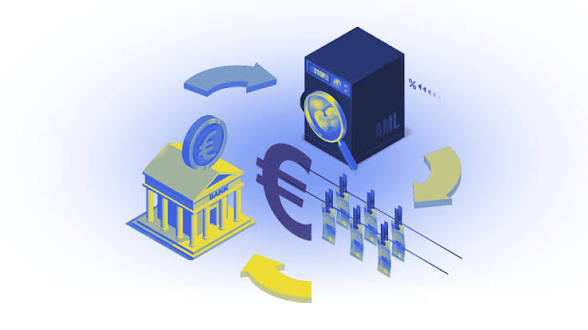
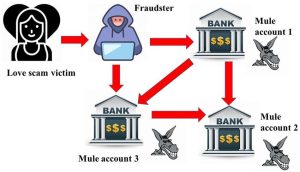
A money mule receives illegally obtained money into their account, then transfers it elsewhere—often keeping a cut. Criminals use this to obscure trails from fraud, scams, or worse.
What Exactly Is a Money Mule
Types of Money Mules: From Innocent to Complicit
Mules fall into categories, each with different risks:
- Unwitting Mules: Most common—victims think they’re helping legitimately, like in a romance or job scam. They have no clue it’s laundering.
- Witting Mules: Suspect something shady but ignore flags for the payout—willful blindness.
- Complicit Mules: Fully aware, actively recruiting or running operations for bigger shares.
In Middle East contexts, unwitting mules dominate—recruited via fake remote jobs or social media offers promising “easy work from home” processing payments. Global data shows young adults and job hunters as prime targets, with 2025 seeing thousands investigated in various markets for related scams.
Why the surge? Digital banking and apps make transfers instant and anonymous-looking. Criminals layer funds through multiple mules, breaking trails across borders.
Key Insight: You’re not “just helping”—you’re enabling laundering, turning dirty money clean. Banks spot patterns eventually, but by then, your account’s tainted.
How Money Mule Schemes Operate: The Step-by-Step Playbook
Criminals are sophisticated, using psychology and tech to recruit and exploit.
Common Recruitment Tactics in 2026
Scammers cast wide nets:
- Fake Job Offers: Ads for “payment processors” or “financial agents”—work from home, no experience needed, high pay for transferring funds.
- Romance Scams: Online “partners” build trust, then ask for help receiving/sending money due to “bank issues abroad.”
- Investment or Prize Scams: You “win” or invest, but must forward fees or funds first.
- Overpayment Schemes: Sellers on marketplaces get excess payments, asked to refund the difference.
- Social Media Lures: Direct messages offering quick cash for account access.
In Gulf hubs, these blend with legitimate remote work booms—fake offers mimic real fintech roles.
The Transfer Process: How Funds Move
- Criminals send stolen money (from hacks, fraud) to your account.
- You withdraw or wire it (often via crypto, gift cards, or international transfers)—keeping 5-10%.
- Funds layer further, origins obscured.
Crypto adds complexity: Mules convert to digital assets for anonymity. 2025 saw mule networks tied to ransomware and scams.
Real-World Scale: Reports indicate millions in losses funneled through mules annually, with organized rings targeting expats and locals in high-remittance areas.
Why the Middle East Is a Hotspot for Money Mule Activity in 2026
Rapid digital growth meets vulnerabilities—large expat populations, high remittances, fintech explosion.

Why the Middle East Is a Hotspot for Money Mule Activity in 2026
Regional Drivers Fueling the Problem
- Remittance Culture: Billions flow yearly; mules hide illicit transfers in legit ones.
- Job Market Pressures: Unemployment or side-hustle seekers fall for fake offers.
- Digital Adoption: Apps and online banking ease quick moves, but lag in awareness.
- Cross-Border Ties: Proximity to high-risk areas amplifies exploitation.
Authorities crack down—UAE and Saudi strengthened AML in 2025—but mules remain key for evading controls. 2025 data linked mule networks to broader laundering, including trade-based schemes.
Statistic: Global mule accounts neared 2 million reported in 2024-2025, with regional spikes in scam-related investigations.
The “why” matters: Economic diversification brings opportunity, but criminals piggyback on it.
The Severe Consequences: What Happens If You Get Involved
Ignorance isn’t defense—consequences hit hard.
Financial and Legal Fallout
- Account Freezes/Closures: Banks flag suspicious activity; access lost indefinitely.
- Criminal Charges: Laundering participation means fines, jail—even unwittingly in some cases.
- Credit Damage: Black marks ruin loans, jobs, visas.
- Personal Liability: Reverse stolen funds; victims sue mules.
Examples: 2025 saw thousands probed, accounts seized. In tighter regimes, penalties escalate.
Emotional Toll: Guilt, stress—many realize too late they’ve aided serious crimes.
Red Flags: Spotting a Money Mule Scam Before It’s Too Late
Train yourself to see warnings.

Money Mules in Money Laundering
Top Warning Signs
- Promises of easy money for minimal work (e.g., “just receive and send”).
- Requests to use your account for others’ transactions.
- Pressure for urgency—”do it now or miss out.”
- Poor communication: Grammar errors, evasive details.
- Payments via unusual methods (crypto, gift cards).
- Strangers asking for bank details or logins.
نصيحة احترافية: Legit employers never use personal accounts for business funds.
If multiple flags appear, walk away.
Step-by-Step Guide: How to Protect Yourself and Stay Safe
Direct, actionable defenses.
Core Prevention Strategies
- Verify Offers: Research companies independently—check official sites, reviews.
- Never Share Access: Don’t give bank details, PINs, or allow remote control.
- Question Unsolicited Contacts: Ignore random money requests.
- Use Secure Channels: Stick to verified platforms for jobs/finance.
- Monitor Accounts: Watch for unusual deposits; report immediately.
- Educate Yourself: Follow bank alerts on scams.
If You Suspect Involvement
- Stop transfers instantly.
- Contact your bank—explain situation.
- Report to authorities (local cybercrime units).
- Freeze accounts if needed.
Early action minimizes damage.
For related risks, read our guide on crypto money laundering myths و Saudi vs. UAE economic impacts on trade.
Emerging Trends: Money Mules in the Digital Age of 2026
AI and bots supercharge recruitment—personalized scams via social media.
Crypto mules rise: Converting fiat to digital for evasion.
Authorities respond with AI detection, but education lags.
Outlook: Mule activity spikes predicted; vigilance key.
Final Thoughts: Empowerment Through Awareness
Money mule schemes prey on trust and need—don’t let them win. In dynamic markets, protecting your finances protects your future.
Trading safely in growing regions requires trusted networks. Tendify.net connects you with verified partners, real-time insights, and secure opportunities—no risks attached.
Ready to safeguard your finances and explore legit deals? اشترك في Tendify.net اليوم—post offers, find buyers, and build confidently.