وبلاگ
China to Jebel Ali 2026: Air vs. Sea Freight Cost-Benefit Analysis
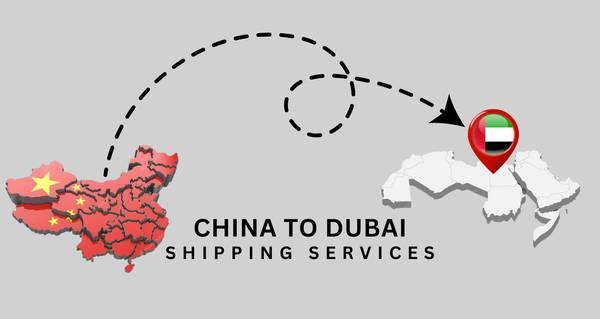
من دههها صرف تهیه و واردات کالا در زنجیرههای تأمین جهانی، از لوازم الکترونیکی در شنژن گرفته تا ماشینآلات در شانگهای، و هدایت هزاران کانتینر و پالت به بندر جبل علی کردهام. یک حقیقت پابرجاست: انتخاب بین حمل و نقل هوایی و حمل و نقل دریایی فقط بحث سرعت در مقابل هزینه نیست - بحث همسو کردن ارزش، فوریت و حجم کالای شما با واقعیتهای لجستیکی دنیای واقعی است. در سال ۲۰۲۶، با تثبیت نرخهای پس از اوج و تقاضاهای در حال تحول تجارت الکترونیک، واردکنندگان اماراتی با تصمیمات ظریفی روبرو هستند. جبل علی همچنان قطب قدرتمند خاورمیانه است و سالانه بیش از ۱۳ میلیون TEU را مدیریت میکند، اما اختلالاتی مانند ازدحام گاه به گاه یا رویدادهای جهانی میتواند اوضاع را تغییر دهد.
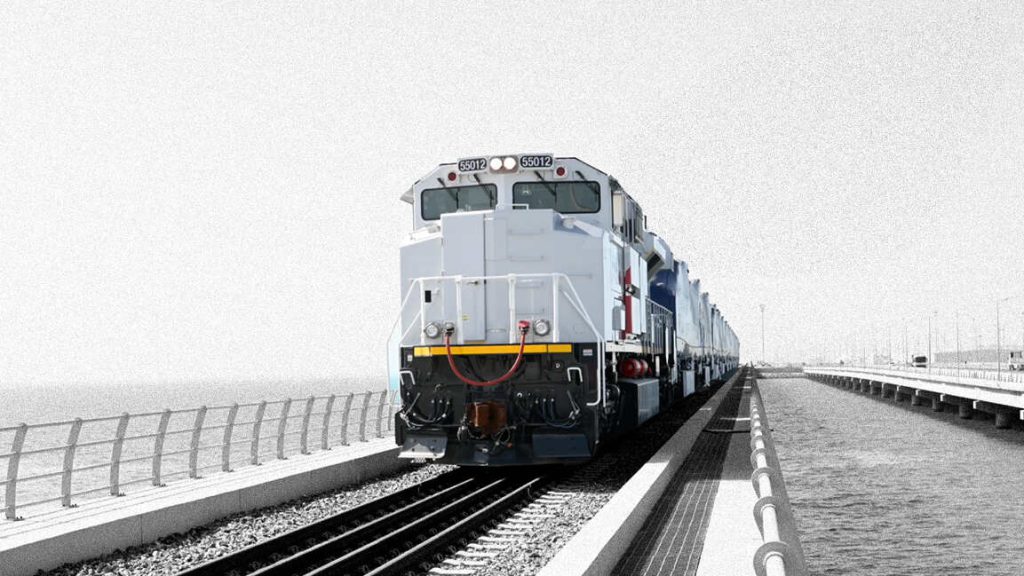
چین به جبل علی
این نکتهی آموزنده را در نظر بگیرید: در حالی که حمل و نقل دریایی ۹۰۱TP3T از حجم تجارت جهانی را در اختیار دارد، حمل و نقل هوایی محمولههای با ارزش بالا به ارزش تریلیونها دلار را در اختیار دارد. با این حال، برای مسیرهای چین به امارات متحده عربی - که واردات اصلی شامل لوازم الکترونیکی، ماشینآلات، منسوجات و کالاهای مصرفی است - یک روش حمل و نقل نامتناسب میتواند ۱۰-۲۰۱TP3T از حاشیه سود را از طریق تأخیر یا هزینههای اضافی از بین ببرد. این راهنما به طور واضح و روشن ارائه میدهد. تحلیل هزینه-فایده ۲۰۲۶, با تکیه بر روندهای فعلی و دادههای منابعی مانند Freightos و گزارشهای صنعتی. من مزایا، معایب، نرخها و توصیههای خاص کالا را برای کمک به شما در بهینهسازی، تجزیه و تحلیل خواهم کرد.
Pro-Tip: The “Hidden” 45kg Threshold
Based on our 2025 shipping data, many SMEs lose money by choosing Sea Freight for loads between 45kg and 100kg. While Sea Freight unit costs look lower, the Port Handling Charges (PHC) at Jebel Ali often neutralize the savings for small volumes.
Actual Case: A shipment of 60kg of electronics from Shenzhen to Dubai cost $350 via Air (door-to-door), whereas Sea Freight (LCL) totaled $410 after adding terminal handling and documentation fees. Rule of thumb for 2026: If it’s under 100kg, always run a full DDP comparison before defaulting to sea.
چرا مسیر چین به جبل علی نیازمند انتخاب دقیق روش حمل و نقل است؟
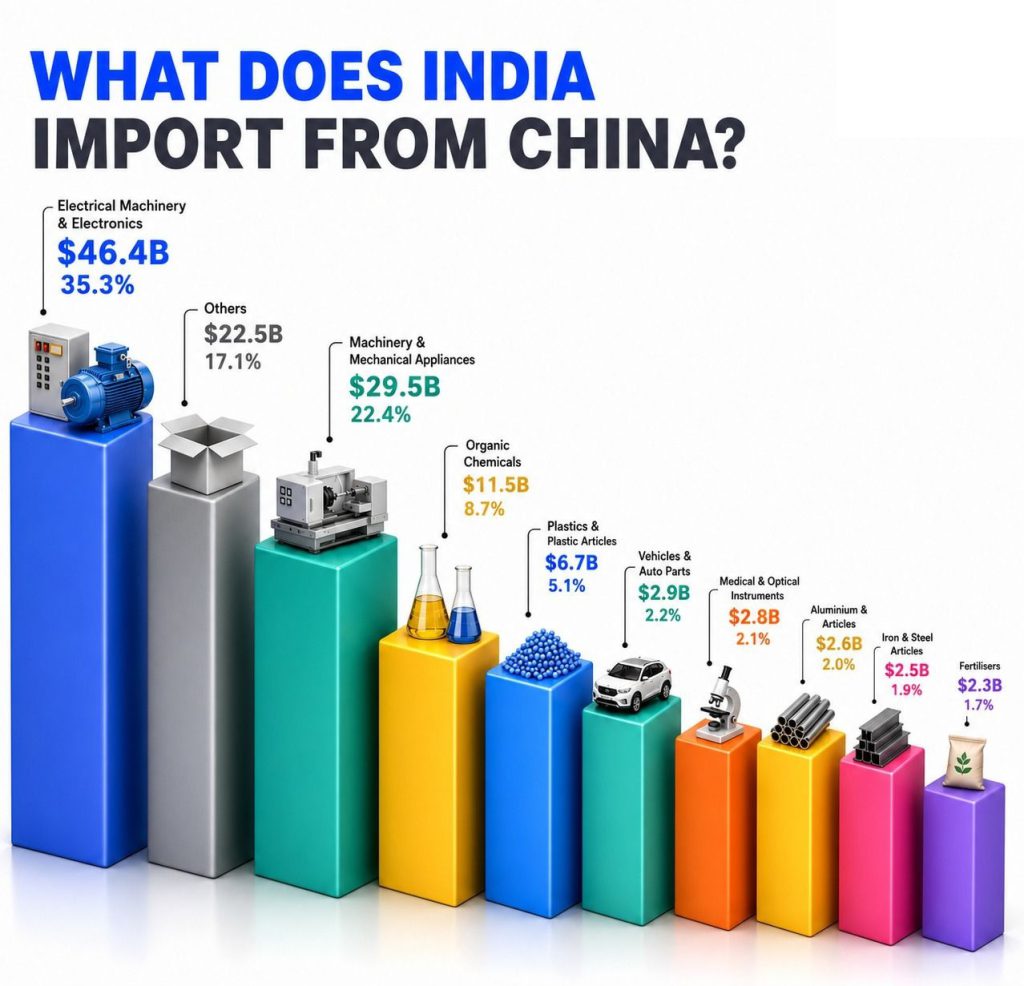
چین همچنان شریک تجاری اصلی امارات متحده عربی است و تجارت دوجانبه در سالهای اخیر از ۱.۴ میلیارد روپیه در هر ۱۰۰ میلیارد روپیه فراتر رفته است. کالاهای کلیدی که به جبل علی سرازیر میشوند عبارتند از:
- ماشین آلات برقی و الکترونیکی (تلفن، قطعات)
- لوازم و ماشین آلات مکانیکی
- منسوجات، پوشاک و کفش
- پلاستیک، مبلمان و اسباببازی
- وسایل نقلیه و قطعات
کارایی جبل علی - اسکلههای عمیق، ترخیص سریع - آن را ایدهآل میکند، اما جزئیات مسیر نیز مهم است. سفرهای دریایی مستقیم از شانگهای یا شنژن زمان سفر دریایی را کاهش میدهد، در حالی که فرودگاه بینالمللی دبی (DXB) از ورود هوایی بدون وقفه پشتیبانی میکند.
تنش هسته: حمل و نقل دریایی از نظر حجم و قیمت مناسب، برای کالاهای فلهای و غیرفوری ایدهآل است. حمل و نقل هوایی سرعت را برای اقلام حساس به زمان یا با ارزش بالا در اولویت قرار میدهد. در سال 2026، انتظار میرود نرخهای دریایی با ظرفیت کشتیهای جدید کمی کاهش یابد، در حالی که نرخهای هوایی با توجه به رشد تجارت الکترونیک ثابت میماند.
تحلیلهای HubSpot و تحلیلهای مشابه نشان میدهد که بیش از ۶۰۱TP3T واردکنندگان، حالتهای ترکیبی استراتژیک دارند - دریا برای بارگیری اولیه، هوا برای پر کردن مجدد.
زمانهای فعلی حمل و نقل: دریایی در مقابل هوایی از چین به جبل علی/دبی
سرعت اغلب هزینههای موجودی و رضایت مشتری را تعیین میکند.
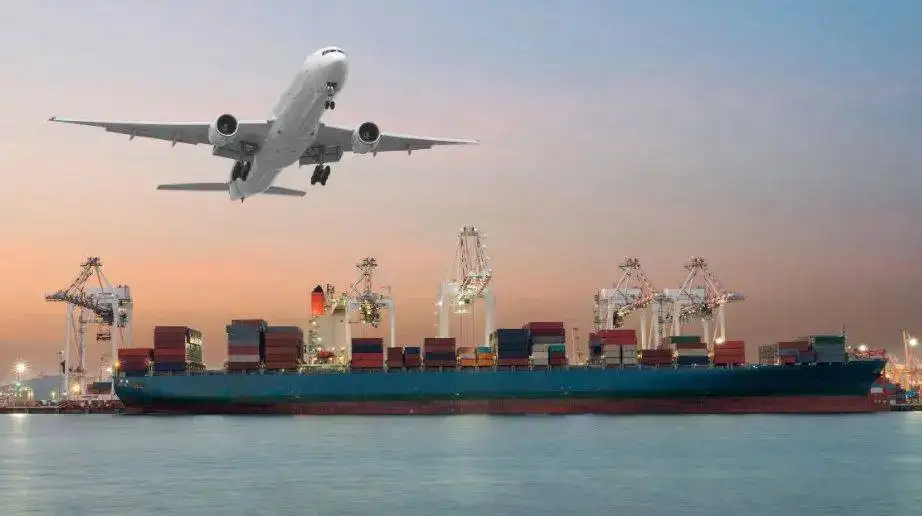
دریا در مقابل هوا از چین به جبل علی
زمان حمل و نقل دریایی
In 2026, maritime transit times from China to Jebel Ali are influenced by advanced port automation and evolving global shipping corridors. While base timelines remain consistent, strategic logistics planning now requires a deeper understanding of regional nuances:
Key Port-to-Port Timelines:
Shanghai & Ningbo (East China): As the primary manufacturing hubs, direct sailings typically range between 19 and 25 days. During peak seasons (pre-Lunar New Year or Golden Week), expect a potential 5-day buffer due to increased port congestion at the origin.
Shenzhen & Guangzhou (South China): Benefiting from geographical proximity, shipments from the Greater Bay Area offer the fastest maritime route, arriving at Jebel Ali in 16 to 22 days.
Qingdao & Tianjin (North China): For heavy industrial or northern commodities, transit usually spans 22 to 30 days, often involving an intermediate call at southern transshipment hubs.
FCL vs. LCL Operational Realities:
Full Container Load (FCL): Major liners such as Maersk, COSCO, and MSC maintain rigid weekly schedules. In 2026, the integration of AI-driven berth allocation at Jebel Ali Terminal 4 has streamlined offloading, allowing FCL units to be “gate-out ready” within 24 hours of vessel berthing.
Less than Container Load (LCL): Cargo consolidation in China and subsequent deconsolidation at Jebel Ali’s CFS (Container Freight Station) adds a mandatory 5 to 10 days to the total lead time. For time-sensitive LCL, we recommend “Expedited LCL” services which bypass certain secondary sorting layers.
Critical Factors Influencing 2026 Transit:
Sustainable Shipping (Slow Steaming): To comply with 2026 carbon emission targets, some carriers utilize “Eco-speed” settings. While this may add ۱–۲ روز to the voyage, it significantly stabilizes fuel surcharges for the shipper.
Infrastructure Synergy: The synchronization between China’s “Digital Silk Road” tracking and Dubai’s Bayyan 2.0 system now provides real-time visibility, reducing administrative “blind days” during the Indian Ocean crossing.
Expert Insight: Always account for a 7-day “Final Mile” buffer. This covers the gap between the ship’s arrival and the actual delivery to your warehouse in Dubai or the Northern Emirates, accounting for customs spot-checks and local haulage scheduling.
Strategic Updates for Jebel Ali in 2026
As Jebel Ali moves toward full automation of Terminal 4, the integration of AI-driven slot booking is expected to reduce vessel idling time by 15%. However, this requires more precise documentation from the Chinese side.
- Digital Twin Integration: Shippers using carriers with digital twin tracking will see a 2-day reduction in “blind spots” during the Indian Ocean transit.
- Green Freight Corridors: Look for “Eco-Sea” options. Starting mid-2026, Jebel Ali offers priority berthing for vessels using low-carbon fuels, potentially shaving 24 hours off your lead time.
زمانهای حمل و نقل هوایی
In the fast-paced 2026 trade environment, Air Freight remains the definitive choice for high-value electronics, seasonal fashion, and critical industrial spares. While the speed is unmatched, understanding the nuances of the “Total Transit Cycle” is key to maximizing ROI:
Standard Service Levels:
Direct Cargo Hold (Airport-to-Airport): Utilizing major carriers like Emirates SkyCargo or Air China, transit usually takes ۱ تا ۳ روز. These are ideal for consolidated shipments where the importer handles local clearance.
Express/Courier (Door-to-Door): Services such as DHL, FedEx, or UPS provide a seamless 3–7 day window. This is the “gold standard” for e-commerce and sample testing, bypassing many of the manual coordination steps required in traditional freight.
Comprehensive Logistics Cycle: For standard commercial air freight, we recommend budgeting ۵ تا ۱۰ روز. This includes the “First Mile” (factory to airport in China), origin export clearance, flight duration, and the “Final Mile” delivery from DXB or DWC to your facility.
Strategic Hubs in 2026:
The China Exit: While Hong Kong (HKG) remains a duty-free powerhouse for electronics, the Shenzhen (SZX) and Guangzhou (CAN) hubs have integrated specialized AI-sorting for Middle East-bound cargo, often reducing ground handling time by 12 hours.
The UAE Entry: Most cargo arrives at Dubai International (DXB) یا Al Maktoum International (DWC). DWC, in particular, has become the 2026 hub for “Sea-Air” hybrid models, offering rapid bonded transfer to the Jebel Ali Free Zone (JAFZA).
Operational Excellence & Efficiency:
Customs Acceleration: By utilizing the Bayyan 2.0 system for pre-arrival filing, air shipments can often achieve “Clearance on Arrival,” meaning the goods are released by UAE Customs before the plane even touches the tarmac.
Volumetric Awareness: In 2026, air carriers have tightened “dim-weight” (dimensional weight) calculations. For lightweight but bulky goods, the cost can escalate quickly. Always optimize packaging to minimize “dead air” within cartons.
Expert Insight: Air freight isn’t just about speed; it’s about capital liquidity. By reducing transit from 30 days (sea) to 5 days (air), you free up 25 days of cash flow. For high-margin products, the interest saved on tied-up capital often outweighs the higher freight cost.
مقایسه هزینهها در سال ۲۰۲۶: حمل و نقل هوایی در مقابل حمل و نقل دریایی
While freight rates are subject to market volatility, 2026 benchmarks reveal a stabilizing trend with a shift toward “Green Logistics” surcharges. Sea freight remains the undisputed leader for volume, while air freight has optimized its pricing for mid-tier bulk (1,000kg+).
هزینه حمل و نقل دریایی (چین به جبل علی)
Sea freight remains the backbone of B2B trade, offering the lowest cost-per-unit for large inventories.
FCL (Full Container Load):
20ft Container: $1,800 – $2,500 (Ideal for heavy machinery or dense raw materials).
40ft/40ft HC Container: $2,500 – $3,200 (Most cost-effective for consumer goods and furniture).
LCL (Less than Container Load):
Rate: $15 – $25 per Cubic Meter (CBM).
Note: While the base rate is low, 2026 LCL shipments require careful attention to “Minimum Billable Volume” (usually 1 CBM) and terminal handling charges at Jebel Ali which can sometimes exceed the ocean freight itself for very small loads.
2026 Market Variable: These rates typically exclude the IMO 2026 Low-Sulfur Surcharge and local documentation fees (BL fee, DO fee), which add roughly $300–$500 to the total landed cost per container.
هزینههای حمل و نقل هوایی (چین به دبی/امارات متحده عربی)
Air freight is no longer just for emergencies; it is a cash-flow tool. In 2026, the gap between “Standard” and “Economy” air freight has narrowed due to increased freighter capacity between Shenzhen and Dubai.
Standard Air Cargo: $4.00 – $6.50 per kg. This applies to high-priority shipments or smaller loads (under 500kg).
High-Volume Economy (1,000kg+): ~$4.30 per kg. For established traders moving consistent tonnage, “Block Space Agreements” (BSA) can drive this even lower.
Cost Ratio: Air freight typically costs 5 to 12 times more than sea freight per kg. However, when the product value exceeds $50 per kg, the insurance and inventory holding cost savings often justify the air premium.
The “Landed Cost” Perspective (Expert Insight)
In 2026, savvy entrepreneurs don’t just look at the freight quote; they look at the Total Landed Cost.
Sea Freight has higher “hidden” costs: Port storage (Demurrage), trucking from Jebel Ali, and longer capital tie-up.
Air Freight has lower “hidden” costs: Minimal warehousing, faster time-to-market, and significantly lower insurance premiums due to reduced transit risk.
Pro-Decision Rule for 2026:
If your Freight Cost is < 15% of the Product Value, stick to Air Freight to maintain agility.
If your Cargo Volume exceeds 15 CBM, Sea Freight is mathematically unbeatable for your bottom line.
تجزیه و تحلیل هزینهها به صورت پهلو به پهلو (مثال: حمل و نقل 10 تنی)
| نوع کالا | حمل و نقل دریایی (تخمین FCL/LCL) | حمل و نقل هوایی (به ازای هر کیلوگرم) | تفاوت هزینه | بهترین حالت |
|---|---|---|---|---|
| ماشین آلات سنگین (ارزش کم/تن) | ۱TP4T۳۰۰۰-۴۰۰۰ (۴۰ فوت) | $40,000-65,000 | هوا ۱۰-۱۵ برابر بالاتر | دریا |
| لوازم الکترونیکی (ارزش بالا) | $2,500-3,500 | $20,000-40,000 | هوا ۸-۱۲ برابر بالاتر | در صورت فوریت، هوا بگیرید |
| منسوجات/پوشاک | $2,000-3,000 | $30,000-50,000 | هوا ۱۲-۲۰ برابر بالاتر | دریا (مگر اینکه فصلی باشد) |
مزایا و معایب حمل و نقل دریایی از چین به جبل علی
حمل و نقل دریایی به دلایل موجهی، ۹۰۱TP3T از حجم مبادلات چین-امارات متحده عربی را مدیریت میکند.
مزایا
- مقرون به صرفهکمترین هزینه به ازای هر واحد برای حجم انبوه - هزاران دلار در هزینه کانتینرها صرفهجویی میشود.
- ظرفیت بالا: بارهای پر، اقلام بزرگ یا سنگین را به راحتی ارسال میکند.
- سازگار با محیط زیست: CO2 کمتر در هر تن نسبت به هوا (تا 90% انتشار کمتر).
- برنامههای قابل اعتمادسفرهای مستقیم هفتگی، غافلگیریها را به حداقل میرساند.
معایب
- حمل و نقل طولانیتر، هزینههای نگهداری موجودی را افزایش میدهد.
- در برابر ازدحام بندر یا رویدادهای جهانی آسیبپذیر است.
- کاغذبازی و رسیدگی بیشتر برای LCL.
ایدهآل برای کالاهایی با تقاضای ثابت مانند ماشینآلات یا مبلمان.
مزایا و معایب حمل و نقل هوایی از چین به جبل علی/دبی
حمل و نقل هوایی سرعت، معیار اصلی است.
مزایا
- سرعت خیرهکننده: زمان تحویل را به طرز چشمگیری کاهش میدهد - که برای مد یا کالاهای فاسدشدنی بسیار مهم است.
- امنیت بالاترپروتکلهای سختگیرانه فرودگاهی، خطر سرقت را کاهش میدهند.
- انعطافپذیری: برای شارژهای کوچکتر یا فوری آسانتر است.
- ردیابی قابل اعتماد: قابلیت مشاهده در زمان واقعی.
معایب
- قیمتگذاری بالا، حاشیه سود کالاهای کمارزش را کاهش میدهد.
- محدودیتهای وزن/حجم - وزن قابل پرداخت اغلب حجمی است.
- تأثیر محیطی بالاتر.
- محدودیت ظرفیت در زمان اوج مصرف.
بهترین گزینه برای لوازم الکترونیکی، نمونهها یا تجارت الکترونیک با گردش مالی بالا.
توصیههای خاص کالا برای سال 2026
کالاهای خود را با مد روز هماهنگ کنید - این توصیهی امتحانشدهی من است:
- الکترونیک و فناوری پیشرفتهبرای نمونههای اولیه/نمونهها از هوا؛ برای کالاهای فله از دریا. چگالی ارزش، حق بیمه هوا را توجیه میکند.
- ماشین آلات و مصالح ساختمانیدریا غالب است - حجم و وزن به نفع کانتینرها است.
- منسوجات، پوشاک، کفشدریا برای برنامهریزی فصلی؛ هوا برای روندهای سریع مد.
- پلاستیک، اسباببازی، مبلمانهزینه حمل و نقل دریایی بر سرعت غلبه دارد.
- کالاهای فاسدشدنی یا فوری: منحصراً هوا.
رویکرد ترکیبی: دریا برای سوخت اصلی، هوا برای سوختهای جایگزین. در یک عملیات، این ترکیب هزینهها را ۱۵۱TP3T کاهش داد و در عین حال به اهداف تحویل رسید.
The Poland Corridor: A Strategic Guide to Import-Export Opportunities
هزینههای پنهان و عوامل خطر در سال ۲۰۲۶
Expert traders know that the freight quote is only the beginning. In 2026, global trade shifts—from green energy mandates to digital customs—have introduced new variables that can impact your final “Landed Cost.”
1. Sea Freight: The “Delay” Multiplier
While sea freight is economical, it carries the highest risk of secondary charges if your logistics chain is not tightly managed.
Demurrage & Detention (D&D): In 2026, Jebel Ali’s high-efficiency terminals have shortened “free time” windows. Exceeding your allotted days for container pickup or return can result in daily penalties ranging from $80 to $200 per TEU.
BAF (Bunker Adjustment Factor): As carriers transition to Liquefied Natural Gas (LNG) and ammonia fuels to meet 2026 emission targets, expect fluctuating fuel surcharges that may be adjusted mid-transit.
LCL “Wasted Space” Fees: For LCL shipments, poor packaging that prevents stacking (non-stackable cargo) can trigger surcharges as you are billed for the “void” space above your goods.
2. Air Freight: The “Demand” Spike
Air freight costs are highly sensitive to global events and seasonal shifts.
Peak Season Surcharges (PSS): With the continued boom in cross-border e-commerce, air capacity from hubs like Shenzhen and Hong Kong becomes extremely tight from October to January. Rates can spike by 30-50% during these windows.
Lithium Battery & Dangerous Goods (DG) Handling: In 2026, safety regulations for electronics have intensified. Shipping products with batteries requires specialized labeling and “DG” fees, which can add $50–$150 to your airway bill.
Security & Fuel (FSC/SSC): Standard add-ons that fluctuate weekly based on jet fuel prices and regional security levels at transit hubs.
3. Universal Costs (Applicable to Both)
UAE Customs & VAT: Most goods entering the UAE are subject to a 5% Customs Duty و 5% VAT. Accurate HS Code classification is mandatory; incorrect filing in the Bayyan 2.0 system can lead to inspection delays and fines.
Comprehensive Insurance: We recommend budgeting 0.1% to 0.5% of the CIF value. In 2026, given the complexity of global maritime routes, “All-Risk” insurance is no longer optional—it is a strategic necessity for capital protection.
The “Green Tax” Trend: 2026 marks the widespread implementation of carbon-offsetting fees. While sea freight is hit by fuel transition costs, air freight providers are increasingly integrating “Sustainable Aviation Fuel” (SAF) premiums into their base rates.
Expert Insight: To minimize these risks, always request a “Landed Cost Quote” from your forwarder. This should include everything from the factory gate in China to your warehouse door in the UAE, ensuring there are no surprises when the cargo arrives at the port.
چارچوب تصمیمگیری گام به گام
با این فرآیند بهینه سازی کنید:
- ارزیابی کالاارزش به ازای هر کیلوگرم؟ فوریت؟ حجم؟
- محاسبه کل هزینه فرود: حمل و نقل + عوارض + هزینه داخلی.
- فهرست عواملتاخیر شرکت سی باعث ایجاد مانع در سرمایه میشود - از فرمولهای هزینه حمل استفاده کنید.
- طرح سناریو: اختلالات مدل.
- نقل قول چندگانه: فورواردرها برای بهترین نرخها.
برای بینشهای عمیقتر در مورد لجستیک، این منابع را بررسی کنید:
- راهنمای جامع و کاربردی صادرات مجدد کالا از دبی
- راهنمای جامع درگاههای پرداخت و خدمات بانکی برای تجارت بینالمللی در امارات متحده عربی
- راهنمای جامع بازار امارات برای محصولات تخصصی
2026 Logistics Decision Checklist
| عامل | Choose AIR if… | Choose SEA if… |
|---|---|---|
| Inventory Turnover | Turnover > 12x/year | Turnover < 4x/year |
| نوع کالا | Fashion, Tech, Samples | Furniture, Raw Materials, Bulk |
| Risk Tolerance | Zero (High value) | Moderate (Insurance covered) |
حکم نهایی: همین حالا استراتژی حمل و نقل چین به جبل علی خود را بهینه کنید
در سال ۲۰۲۶،, حمل و نقل هوایی در مقابل حمل و نقل دریایی به اولویتها خلاصه میشود: دریا برای مقیاس مقرونبهصرفه، هوا برای پاسخگویی چابک. اکثر واردکنندگان امارات متحده عربی با استراتژیهای غالب دریایی با تأکید بر هوا پیشرفت میکنند - حفظ حاشیه سود در عین برآورده کردن تقاضاها.
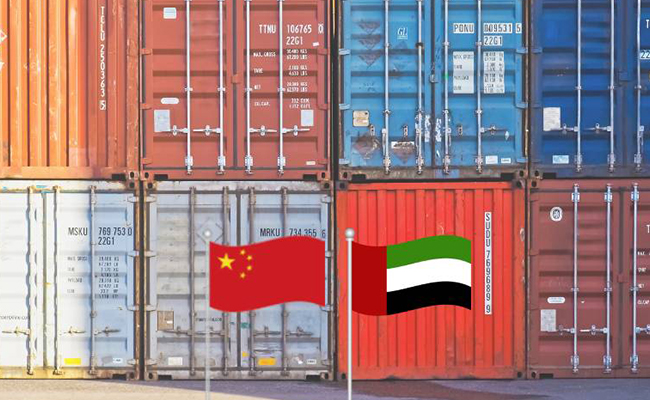
استراتژی حمل و نقل از چین به جبل علی
من دیدهام که روشهای حمل و نقل نامتناسب، سود را از بین میبرند؛ انتخاب درست، مزایا را با هم ترکیب میکند. با رونق تجارت چین و امارات، تصمیمات هوشمندانه در مورد حمل و نقل بار، مزیتهای رقابتی را افزایش میدهد.
آمادهاید تا منابع خود را از چین سادهسازی کنید، حمل و نقل مطمئنی داشته باشید و با تأمینکنندگان تأیید شده ارتباط برقرار کنید؟ همین امروز در Tendify.net ثبت نام کنید تا از ابزارهای RFQ رایگان، قیمتهای لحظهای و تراکنشهای امن که واردات را آسان میکند، بهرهمند شوید. همین حالا ثبت نام کنید و زنجیره تامین خود را متحول کنید.