المدونة
Why ASTM Type V Cement is Mandatory for GCC Coastal & Marine Projects
دليل تقني شامل
لقد أمضيتُ عقوداً من الزمن في سلسلة توريد مواد البناء، حيث كنتُ أعمل في توريد الأسمنت والركام لمشاريع البنية التحتية الضخمة في بيئات قاسية. لا شيء يتعلمه المرء أسرع من مشاهدة الأساسات المصبوبة بإتقان وهي تتصدع تحت التربة القاسية أو التعرض لمياه البحر. في المناطق الساحلية في منطقة دول مجلس التعاون الخليجي - مثل الموانئ والجسور ومحطات تحلية المياه والمنشآت البحرية - فإن الجمع بين الكلوريدات العالية من مياه البحر والكبريتات من المياه الجوفية أو تربة السبخة يخلق واحدة من أكثر البيئات التي تؤثر على متانة الخرسانة.

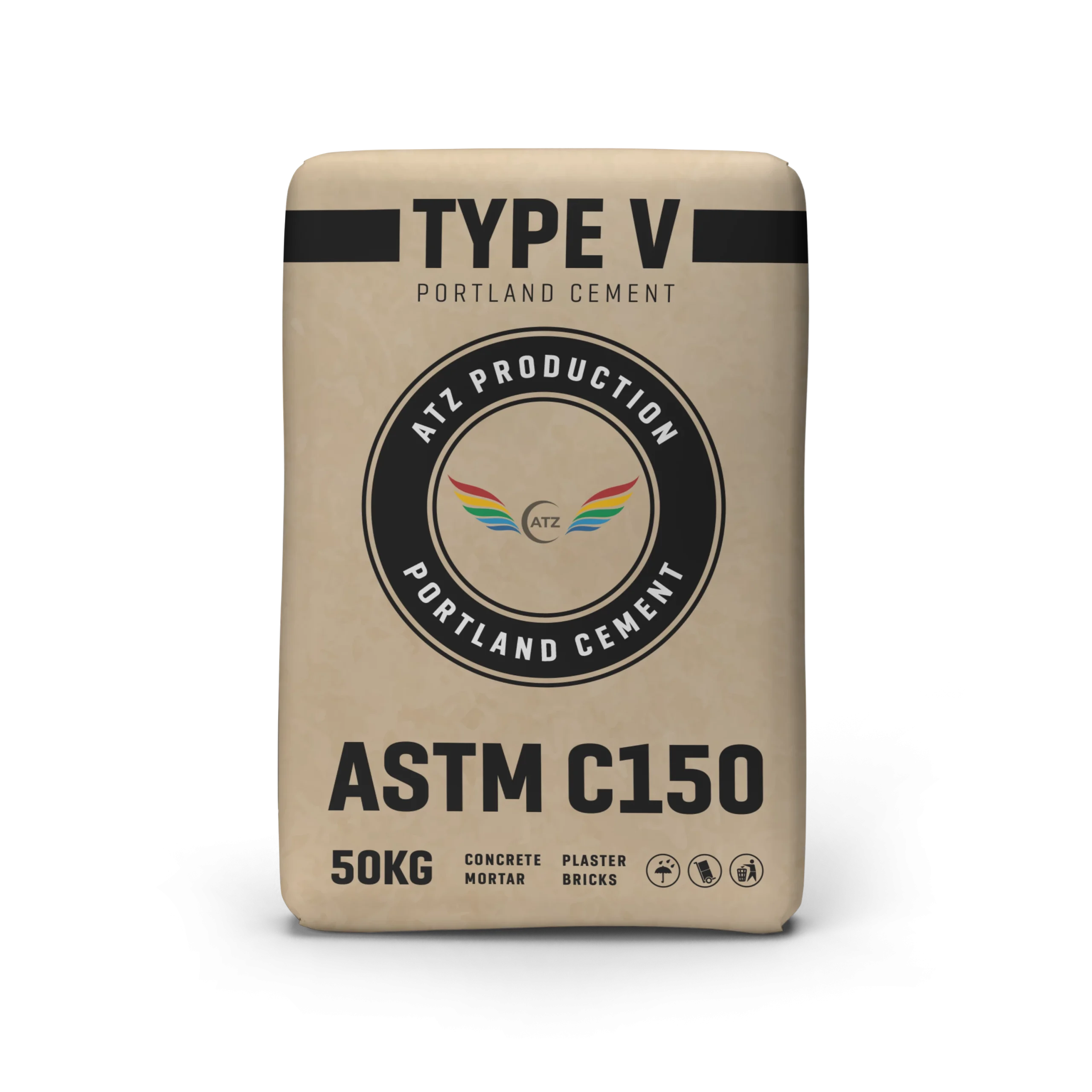
أسمنت ASTM من النوع V
الحقيقة الصعبة؟ غالبًا ما تفشل الأسمنتات القياسية هنا قبل الأوان، مما يؤدي إلى إصلاحات مكلفة أو تقصير عمر الخدمة. لهذا السبب أسمنت ASTM من النوع V, مع مقاومته العالية للكبريتات، لا يوصى به فقط - بل هو ضرورة للأداء طويل الأجل. يتعمق هذا الدليل في بروتوكولات الاختبار وآليات التحلل والاستراتيجيات العملية لضمان مقاومة الخرسانة لهذه التهديدات المزدوجة.
Technical Comparison: Type I vs. Type V Cement
Understanding the chemical threshold is critical for procurement managers in the GCC.
| مركب | ASTM Type I (General) | ASTM Type V (High Sulfate) |
|---|---|---|
| ألومينات التريكالسيوم الثلاثية (C3A) | 8% – 15% | Max 5% |
| مقاومة الكبريتات | منخفضة | Severe Exposure Ready |
فهم التهديدات المزدوجة: دخول الكلوريد وهجوم الكبريتات في البيئات البحرية
Coastal infrastructure in the GCC region operates under some of the most aggressive environmental conditions on Earth. The Persian Gulf is characterized by high salinity—averaging 40,000 to 50,000 ppm Total Dissolved Solids (TDS)—and extreme evaporation rates. Projects are exposed to a relentless combination of 19,000+ ppm chlorides و 2,700 ppm sulfates in seawater. Furthermore, groundwater in the notorious Sabkha areas (salt-crusted flats) can harbor sulfate concentrations exceeding 10,000 ppm, creating a subterranean environment that can rapidly compromise concrete foundations.
1. Chloride-Induced Degradation: The Catalyst for Corrosion
Chlorides act as a primary catalyst for the electrochemical decay of reinforced concrete. Unlike other pollutants, they do not directly attack the concrete matrix but target the steel reinforcement embedded within.
Mechanisms of Penetration: Chlorides migrate through the concrete via ionic diffusion and capillary suction. In the GCC, the “Splash Zone” is particularly vulnerable due to frequent wet-dry cycling, which forces salt-laden water deep into the concrete pores.
The Depassivation Threshold: Once chloride ions reach the rebar level and exceed a critical concentration, they destroy the protective oxide film (the passive layer). This triggers Pitting Corrosion, a localized and severe form of decay.
Structural Impact: As corrosion progresses, the resulting iron oxide (rust) occupies 6 to 7 times the original volume of the steel. This volumetric expansion generates immense internal tensile stress, leading to longitudinal cracking, spalling of the concrete cover, and an eventual loss of structural load-bearing capacity.
2. Sulfate Attack: Chemical Decomposition of the Concrete Matrix
While chlorides target the steel, sulfate attack is a direct chemical assault on the cement paste itself, leading to the disintegration of the concrete’s binder.
Ettringite Formation: Sulfates react with hydration products, specifically ألومينات التريكالسيوم الثلاثية (C3A), to form secondary ettringite. This mineral grows as needle-like crystals that exert internal pressure, causing expansive cracking throughout the matrix.
Gypsum Formation: The reaction between sulfates and calcium hydroxide leads to the formation of gypsum, which causes the concrete to soften, lose its alkalinity, and eventually lose its cohesive strength.
Physical Salt Crystallization: In high-evaporation zones, sodium sulfates undergo thenardite-to-mirabilite phase changes. These crystallization cycles add significant mechanical stress to the concrete’s pore structure, accelerating surface scaling.
The “Synergy of Destruction”
In the combined chloride-sulfate environments of the Persian Gulf, these two threats do not act in isolation. Studies and field observations indicate that sulfate-induced micro-cracking significantly increases the Chloride Diffusion Coefficient—often by 2 to 5 times. This synergy means that a failure to resist sulfates inevitably accelerates rebar corrosion. Therefore, utilizing a specialized binder like أسمنت ASTM من النوع V is not merely an option; it is the first line of defense for ensuring the 50-to-100-year design life of maritime assets.
The Poland Corridor: A Strategic Guide to Import-Export Opportunities
لماذا يتفوق أسمنت ASTM من النوع V في مقاومة الكبريتات العالية
تعرّف ASTM C150 الأسمنت من النوع الخامس خصيصًا للتعرض الشديد للكبريتات، مما يحد من ألومينات التريكالسيوم (C3A) بحد أقصى 5% (مقارنةً بما يصل إلى 15% في النوع الأول/الثاني).
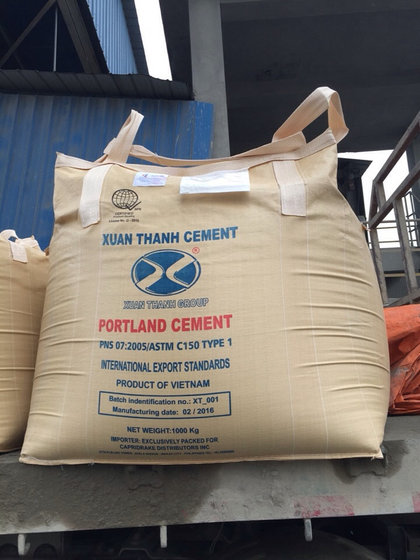
أسمنت ASTM
المتطلبات الكيميائية الرئيسية للنوع V (حسب ASTM C150)
| مركب | الحد الأقصى (%) | السبب |
|---|---|---|
| ألومينات التريكالسيوم الثلاثية (C3A) | 5 | يقلل من تكوين الإترينجيت |
| مجموع C4AF + 2 (C3A) | 20 | ضوابط أخرى للألومينات التفاعلية |
| سيليكات التريكالسيوم الثلاثي (C3S) | لا يوجد حد معين، ولكنه متوازن للقوة | يضمن المتانة بدون حرارة زائدة |
على النقيض من ذلك:
- النوع الثاني (مقاومة معتدلة): C3A ≤8%، مناسب للتعرض المعتدل.
- النوع الأول: لا توجد حدود للكبريتات، ضعيفة في التربة عالية الكبريتات.
البيانات الواقعية من المشاريع الساحلية تدعم ذلك: تُظهر الهياكل التي تستخدم النوع V في المناطق البحرية عالية الكبريتات عمر خدمة أطول بـ 50-100% قبل حدوث تدهور كبير، وفقًا لدراسات الحالة في بيئات مماثلة.
طرق الاختبار الأساسية لمقاومة الكلوريد والكبريتات
الاختبار السليم ليس اختيارياً - إنه تأمينك ضد الفشل. إليك كيفية التحقق من صحة أداء الخرسانة.
اختبار مقاومة الكبريتات
ASTM C1012: التغير في طول ملاط الأسمنت الهيدروليكي المعرض لمحلول الكبريتات
- الإجراءات:
- قضبان هاون مصبوبة (25x25x285 مم).
- يعالج لمدة 28 يومًا حتى تصل قوته إلى 20 ميجا باسكال.
- يُغمر في محلول كبريتات الصوديوم 5% (يُجدد دورياً).
- قياس التغير في الطول على مدار 12-18 شهرًا.
- معايير القبول للمقاومة العالية: <0.040% توسع في 6 أشهر.
- لماذا يمكن الاعتماد عليها: يحاكي التعرض طويل الأجل؛ ويرتبط بشكل جيد بالأداء الميداني.
البديل: ASTM C452 (للأسمنت البورتلاندي النقي فقط) يخلط الكبريتات في الملاط للحصول على نتائج متسارعة.
اختبار مقاومة تغلغل الكلوريد في الجسم
ASTM C1202: اختبار نفاذية الكلوريد السريع (RCPT)
- الإجراءات:
- شرائح بسماكة 50 مم من أسطوانات بسماكة 100 مم.
- ضَعْ 60 فولت تيار مستمر 60 فولت عبر العينة (أحد الجانبين 3% NaCl، والآخر 0.3N NaOH).
- قياس الشحنة المارة (كولوم) على مدار 6 ساعات.
- التصنيفات النوعية:
| الشحنة المارة (كولوم) | نفاذية أيونات الكلوريد | نموذجي للمزائج من النوع V |
|---|---|---|
| >4,000 | عالية | نادر مع تصميم مزيج جيد |
| 2,000-4,000 | معتدل | خط الأساس المشترك |
| 1,000-2,000 | منخفضة | قابل للتحقيق |
| 100-1,000 | منخفضة جداً | مع SCMs |
| <100 | ضئيل | خلطات متانة ممتازة |
- البصيرة: تشير الكولومب المنخفضة إلى بنية مجهرية كثيفة، مما يقلل من الانتشار.
الاختبارات الرئيسية الأخرى
- ASTM C1556: معامل انتشار الكلوريد الظاهر (الانتشار السائب في العينات المشبعة).
- ASTM C1543: الانتقال في غير الحالة المستقرة لمعاملات الانتشار.
بالنسبة للهجمات المدمجة، تكشف اختبارات الغمر المخصصة (على سبيل المثال، محاليل الكلوريد/الكبريتات بالتناوب) عن التفاعلات.
Trading with ASEAN : Opportunities, Regulations, and Market Entry Strategies
استراتيجيات عملية لتحسين المتانة في المشاريع الساحلية في دول مجلس التعاون الخليجي
While أسمنت ASTM من النوع V serves as the critical foundation for sulfate resistance, achieving a 50+ year service life in the Persian Gulf’s hyper-saline environment requires a multi-layered durability strategy. Implementation must go beyond basic compliance to incorporate advanced mix design and rigorous site protocols.
1. High-Performance Mix Design Best Practices
A robust concrete matrix is the second line of defense after selecting the correct cement type. To minimize permeability and enhance chemical resistance, the following parameters are recommended:
Ultra-Low Water-Cementitious (w/cm) Ratio: Maintain a ratio of ≤ 0.40. Reducing free water is the most effective way to create a dense, impermeable paste that slows the ingress of both chlorides and sulfates.
Synergistic Use of SCMs: Incorporate Supplementary Cementitious Materials (SCMs) such as Ground Granulated Blast Furnace Slag (GGBS) or Fly Ash (typically 20-30% replacement). These materials refine the pore structure and chemically bind aluminates, providing a secondary defense against ettringite formation.
Compressive Strength Targets: Specify a minimum 28-day characteristic strength of ≥ 40 MPa. High-strength mixes inherently offer better resistance to the internal stresses generated by salt crystallization and rebar expansion.
Advanced Chemical Admixtures: Utilize high-range water reducers (polycarboxylates) to maintain workability at low w/cm ratios, ensuring full compaction without the risk of honeycombing.
2. Strategic Implementation Roadmap
For large-scale maritime assets, durability must be managed through a systematic step-by-step process:
Rigorous Exposure Assessment: Classify the environment according to ACI 318 standards. Locations facing “Severe” sulfate exposure (Category S3) must mandate Type V cement as a non-negotiable requirement.
Verified Procurement: Source ASTM Type V cement exclusively from suppliers who can provide consistent Mill Test Certificates (MTC) confirming a Tricalcium Aluminate (C3A) content below the 5% threshold.
Performance-Based Testing: Before full-scale casting, qualify trial batches using specialized durability tests:
ASTM C1012: To evaluate the expansion of mortar bars immersed in sulfate solutions.
ASTM C1202 (RCPT): To measure the Rapid Chloride Permeability, ensuring the mix meets “Low” or “Very Low” penetration ratings.
Stringent Curing Protocols: Implement a minimum of 14 days of moist curing. In the arid GCC climate, premature drying stops the hydration process, leading to surface micro-cracking that acts as a highway for salt ingress.
Long-Term Lifecycle Monitoring: Establish an “In-Service” monitoring program. Periodic core sampling and chloride profiling allow asset managers to predict the time-to-corrosion and schedule preventive maintenance before structural damage occurs.
مقارنة بين أنواع الأسمنت في حالات التعرض الشديد
| نوع الأسمنت | ماكس C3A (%) | ملاءمة التعرض للكبريتات | مقاومة الكلوريد (كولومب المقاومة الكلوريد (كولومب RCPT النموذجي) | هل يوصى به للساحلية الخليجية؟ |
|---|---|---|---|---|
| النوع الأول | لا يوجد حد | منخفضة | 3,000-5,000 | لا يوجد |
| النوع الثاني | 8 | معتدل | 2,000-4,000 | هامشي |
| النوع V | 5 | عالية | 1,500 إلى 3,000 1,500 (يتحسن مع آليات إدارة المخاطر) | نعم |
Field Experience: The “Sabkha” Challenge
In my years overseeing logistics for maritime projects in Jebel Ali و أبو ظبي,
I’ve seen engineers overlook the Sabkha soil (salt-crusted flats). Type V cement isn’t just for seawater;
it’s a shield against the aggressive groundwater sulfates prevalent in the GCC’s coastal plains.
- Logistics Tip: Always verify the mill test certificates (MTC) for C3A content below 5% before unloading at the site.
- Thermal Tip: Type V has a slower heat of hydration—perfect for the 45°C+ temperatures of the Persian Gulf.
Frequently Asked Questions
رؤى حالة من البيئات القاسية
في المناطق ذات التربة المالحة المماثلة والتعرض البحري، خفضت المشاريع التي تحولت إلى النوع الخامس + SCMs تكاليف الصيانة بنسبة 40-60% على مدى 20 عامًا. غالبًا ما ترجع الأعطال المبكرة إلى استخدام النوع الثاني حيث تجاوزت الكبريتات 5000 جزء في المليون - مما أدى إلى تشقق الأغطية المتشققة وتآكل الكلوريد.
يتلخص “السبب” في الكيمياء: المراحل التفاعلية المنخفضة تعني نواتج توسعية أقل، مما يحافظ على السلامة لفترة أطول.
للتعمق أكثر في لوجستيات التجارة أو استراتيجيات الموردين في المنطقة، راجع هذه الأدلة ذات الصلة على Tendify.net:
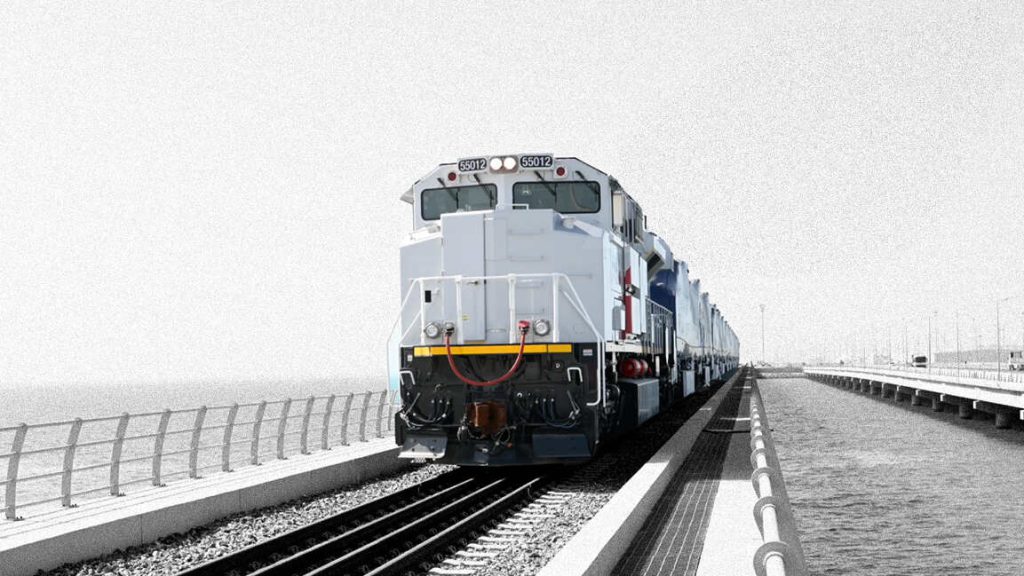
- الخدمات اللوجستية المحلية في الإمارات العربية المتحدة: إتقان شبكات الطرق بين الإمارات العربية المتحدة، وثورة الاتحاد للقطارات، وصعود شراكات 3PL الذكية
- الدليل العملي النهائي لإعادة تصدير البضائع من دبي: العمليات والفوائد وفرص السوق
- الدليل الكامل لإتقان الاستيراد في الإمارات العربية المتحدة 2026-2027
- كارتل الأسمنت العالمي 2026: كشف النقاب عن العمالقة السبعة الذين يسيطرون على 62% من التجارة العالمية وتكتيكاتهم للضغط على المصدرين المستقلين
- التسعير وشروط الدفع وبنود العقد التي ضمنت $28 مليون دولار أرباحًا على صفقات الأسمنت 2024-2026
تغطي هذه المواد مصادر المواد عالية الجودة بكفاءة عالية.
هل أنت جاهز للحصول على أسمنت متين أو التواصل مع موردين معتمدين لمشروعك الساحلي الخليجي القادم؟ انضم إلى Tendify.net اليوم - تربط منصتنا B2B بين المشترين والبائعين مباشرةً لمواد البناء، مع معاملات آمنة وأسعار في الوقت الفعلي. سجِّل الآن وارفع من عمر مشروعك.