المدونة
Dubai Re-Export Blueprint: How to Move Goods Globally with Zero Tax
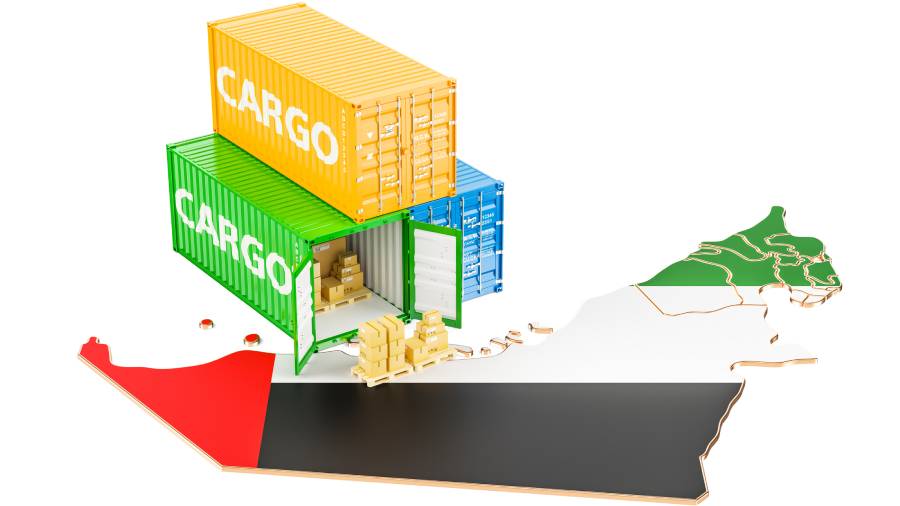
لقد عملت في مجال التجارة لعقود من الزمن، حيث قمت ببناء شركات تنقل البضائع عبر القارات. وكانت إحدى أذكى الخطوات التي اتخذتها على الإطلاق هي الاستفادة من دبي كمركز لإعادة التصدير. لا يتعلق الأمر فقط بانخفاض التكاليف - بل يتعلق الأمر بخدمات لوجستية أكثر ذكاءً، ومشاكل أقل، والوصول إلى أسواق كان من الصعب الوصول إليها. إذا كنت تتطلع إلى توسيع نطاق عملياتك التجارية، فإن إعادة التصدير من دبي يمكن أن يحول هوامش أرباحك وإمكانات النمو لديك. في هذا الدليل، سأرشدك إلى الجانب العملي: الإجراءات القانونية والجمركية، والمزايا المالية الحقيقية مقارنةً بالواردات المباشرة، والفرص الهائلة في إفريقيا وآسيا وبلدان رابطة الدول المستقلة.
إعادة تصدير البضائع من دبي
تتعامل دبي مع حجم مذهل من إعادة التصدير - أكثر من 734 مليار درهم إماراتي في عام 2024 وحده، حيث بلغت التجارة غير النفطية مستويات قياسية. لماذا؟ لأن المناطق الحرة في الإمارات العربية المتحدة، وخاصة منطقة جبل علي، تجعل من السهل استيراد البضائع معفاة من الرسوم الجمركية وتخزينها وشحنها إلى الخارج دون أعباء ضريبية معتادة. دعنا نتعمق في الأمر.
💡 Pro-Tip from My Experience
One often overlooked detail in Dubai re-exporting is the “Customs Deposit Management.” Many traders lose money simply because they don’t track their claims within the 180-day window. To avoid this, always ensure your Bill of Entry matches the Exit Certificate perfectly. Even a minor typo in the HS Code can lead to a rejected tax refund.
لماذا تُعد دبي المركز الأول لإعادة التصدير في العالم؟
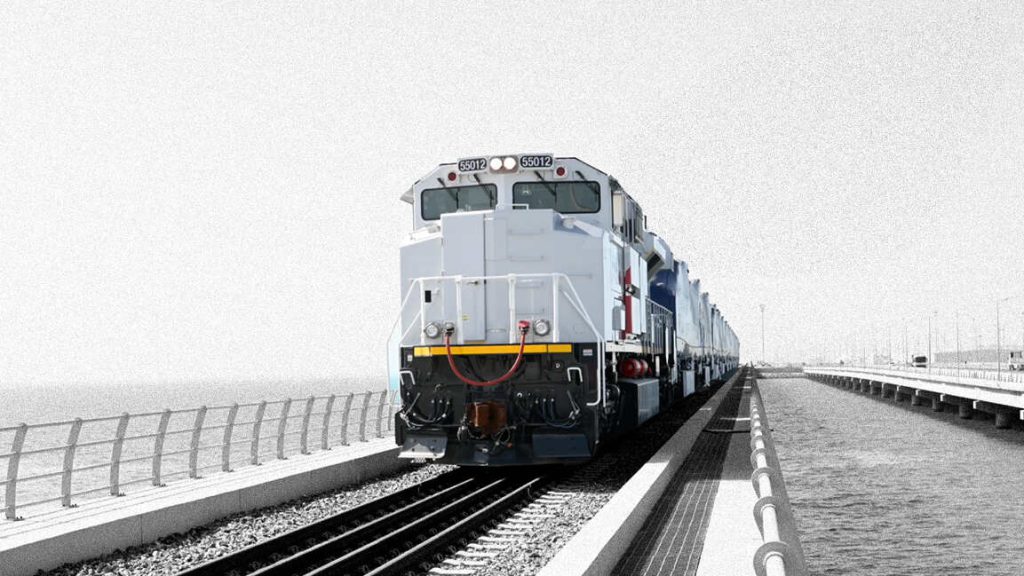
Dubai isn’t just a skyline of architectural wonders—it is a high-octane logistics powerhouse engineered for global trade. At the heart of this success is the Logistics Corridor, a unique integration of Jebel Ali Port (one of the world’s most technologically advanced container terminals) and Al Maktoum International Airport (DWC).
The Multimodal Advantage
What sets Dubai apart is the physical and digital bridge between sea and air. This setup facilitates a seamless “sea-to-air” transition, allowing for multimodal transport that is both fast and cost-effective. In my experience working with global supply chains, I have seen businesses cut transit times by up to 40% simply by utilizing the bonded corridor that allows goods to move from the port to the aircraft in less than four hours without leaving a customs-controlled area.
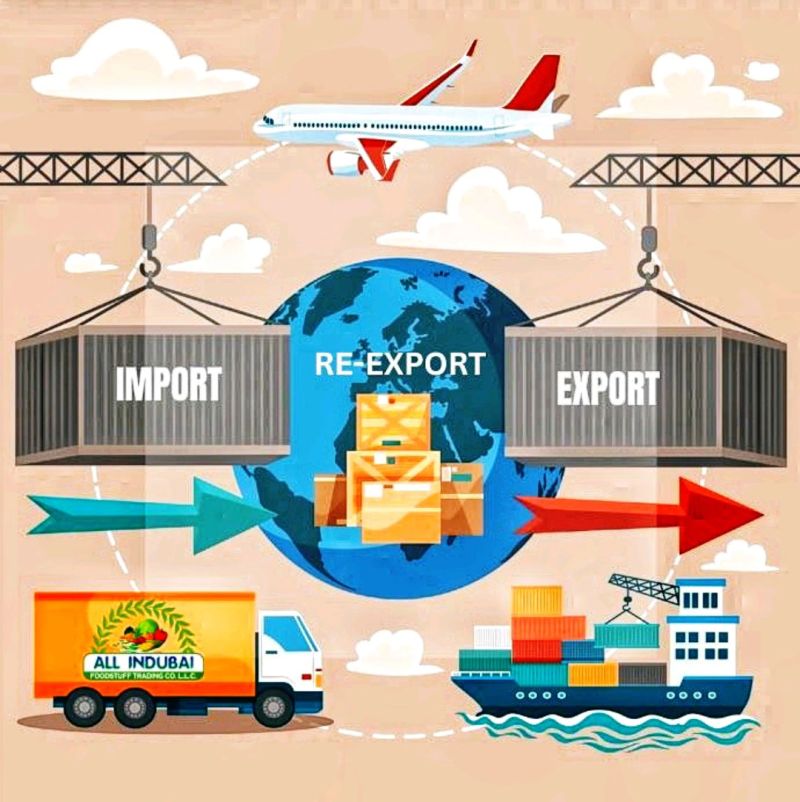
مركز إعادة التصدير
The Numbers Behind the Success
The scale of this operation is backed by staggering data:
Trade Volume: The UAE’s non-oil foreign trade hit a record AED 3.5 trillion (surpassing earlier 2024 projections), with re-exports acting as the primary engine.
Redistribution Power: Nearly 45% of all imports entering Dubai are re-exported. This transforms the emirate from a final destination into a strategic redistribution center for emerging markets in Africa, Central Asia, and the Indian Subcontinent.
Growth Trajectory: Dubai’s D33 economic agenda aims to double the size of the economy by 2033, with re-export corridors at its core.
Expert Insight: The real “secret sauce” isn’t just the infrastructure; it’s the Free Zone Ecosystem.
Strategic Free Zones: Beyond JAFZA
While Jebel Ali Free Zone (JAFZA) is the crown jewel—offering 0% customs duties, 100% foreign ownership, and zero corporate tax for qualified activities—other hubs like دبي الجنوب و DAFZ (Dubai Airport Freezone) offer specialized niches for high-value re-exports like electronics and pharmaceuticals.
These zones don’t just offer “streamlined procedures”; they provide a Single Window (Dubai Trade) for all documentation, which effectively eliminates the bureaucratic friction found in other global hubs. This operational efficiency is what has driven consistent, double-digit growth in trade volumes year after year.
Trading with ASEAN : Opportunities, Regulations, and Market Entry Strategies
العملية القانونية والجمركية خطوة بخطوة لإعادة التصدير من دبي
Re-exporting from Dubai is designed to be frictionless, provided you navigate the digital infrastructure correctly. The backbone of this process is the Dubai Trade Portal, which integrates the Mirsal 2 (and now the upgraded Bayyan) online systems to handle declarations with 99% paperless efficiency.
Here is the operational blueprint for a successful re-export cycle:
1. Business Setup & Customs Coding
Before moving a single pallet, you must establish a legal entity. While you can operate on the Mainland, most re-exporters choose a Free Zone (like JAFZA, DWC, or DAFZA) to simplify the tax ring-fence.
The Trade License: Ensure your license explicitly includes “Import/Export” or “General Trading.”
Customs Client Code: Once licensed, you must register with Dubai Customs to receive your unique Customs Client Code. This code is your “digital passport” for all Mirsal 2 transactions.
2. Import for Re-Export (Duty-Free Entry)
When goods arrive at Jebel Ali Port or DXB/DWC airports, they must be declared under the “Import for Re-Export” regime. This is critical: it allows goods to enter a bonded area or Free Zone without the 5% VAT or customs duties.
Required Documentation:
Commercial Invoice: Must clearly state the value, currency, and Incoterms.
Bill of Lading / Air Waybill: The title document for the cargo.
Detailed Packing List: Specifics on weight, packaging, and HS Codes.
Certificate of Origin: Vital for verifying preferential tariffs and trade agreements.
3. Managing the Customs Deposit (Financial Strategy)
Expert Insight: If you move goods to the البر الرئيسي for temporary storage before re-exporting, you must provide a financial guarantee (either a bank guarantee or a cash deposit) equivalent to the 5% customs duty. This deposit is only refunded once you provide a valid “Proof of Export”. Tracking these refunds is where many businesses fail—ensure your accounting team monitors “Deposit Claims” monthly.
4. Value-Added Services in Free Zones
While stored in a Free Zone, your goods are “offshore” in the eyes of Customs. You have the flexibility to:
Repackage or relabel for different regional markets.
Assemble or kit products.
Perform quality control inspections. These activities do not trigger duty payments as long as the goods do not enter the UAE domestic market.
5. The Re-Export Declaration & Exit
To ship the goods out, you submit a Re-Export Declaration via Dubai Trade.
Clearance: In 2025/2026, Dubai Customs’ AI-driven risk engine clears standard shipments almost instantly.
The Exit Certificate: Once the goods depart, ensure you obtain the Customs Exit Certificate. This is your legal proof to close the file and reclaim any deposits.
6. Handling Restricted Goods
For specialized cargo like pharmaceuticals, chemicals, or high-end electronics, you will need “E-Permits” from relevant ministries:
Ministry of Health (MOH): For medical supplies.
MOIAT: For industrial and electronic standards. The good news? These are now fully integrated into the Dubai Trade single-window system.
Pro-Tip: The “HS Code” Trap
I cannot overstress this: Always use a reliable clearing agent for your initial shipments. The most common cause of fines or “Customs Holds” is the misclassification of HS Codes. A professional agent ensures your goods are classified correctly, preventing you from paying unnecessary duties or facing compliance audits.
المزايا المالية والجمركية لإعادة التصدير من دبي مقابل الاستيراد المباشر
وهنا يبرز دور إعادة التصدير. فالواردات المباشرة إلى العديد من الأسواق تعني دفع رسوم كاملة مقدماً، بالإضافة إلى تكاليف لوجستية أعلى. التوجيه عبر دبي يغير اللعبة.
Digital Efficiency: Leveraging Bayyan 2.0 for Faster Re-Exports
The UAE has modernized its logistics through the Bayyan 2.0 system. As a tech-driven trader, I’ve found that using digital customs integration reduces clearance time by up to 40%.
- Automated Documentation: Direct linkage between shipping agents and Dubai Customs.
- Real-time Tracking: Monitor your re-export status from the moment it leaves the Jebel Ali port.
- Reduced Manual Errors: The system pre-validates HS Codes, preventing costly delays.
Using Tendify.io tools alongside Bayyan can further optimize your logistics workflow for maximum profitability.
المزايا الرئيسية:
- رسوم جمركية صفرية في المناطق الحرة: لا تدفع البضائع المستوردة إلى المنطقة الحرة الأردنية - جافزا لإعادة التصدير أي رسوم استيراد. تُطبق فقط 5% إذا دخلت البر الرئيسي لدولة الإمارات العربية المتحدة. قارن ذلك بالواردات المباشرة إلى إفريقيا أو آسيا، حيث يمكن أن تصل الرسوم إلى 20-501 تيرابايت إلى 3 تيرابايت.
- ضريبة القيمة المضافة والكفاءة الضريبية: لا تخضع الصادرات وإعادة التصدير لضريبة القيمة المضافة. لا توجد ضريبة على الشركات على الأرباح في المناطق الحرة (إذا كانت أقل من الحدود الدنيا).
- وفورات في التكاليف على الخدمات اللوجستية: تقلل الطرق الأقصر والمناولة بالجملة من الشحن بمقدار 15-30%. بالإضافة إلى إعادة الأرباح بمقدار 100%.

إعادة التصدير من دبي
إليك جدول مقارنة سريع:
| أسبكت | إعادة التصدير عبر دبي (المنطقة الحرة) | الاستيراد المباشر إلى سوق الوجهة |
|---|---|---|
| الرسوم الجمركية | 0% عند الاستيراد/إعادة التصدير | 5-50% حسب البلد/البضائع |
| تكاليف التخزين | منخفض، وقت غير محدود | مستودعات عالية ومحدودة زمنياً |
| وقت العبور | أسرع (موقع مركزي) | الطرق الأطول |
| وفورات التكلفة الإجمالية | 20-40% نموذجي | خط الأساس |
| مخاطر التأخير/الغرامات | الحد الأدنى مع الإعداد المناسب | أعلى بسبب اختلاف اللوائح التنظيمية |
تسلط الدراسات الصادرة عن مصادر مثل البنك الدولي الضوء على المراتب الأولى لدبي في التجارة عبر الحدود، وذلك بفضل هذه الكفاءات.
The Poland Corridor: A Strategic Guide to Import-Export Opportunities
ازدهار فرص إعادة التصدير إلى أسواق أفريقيا وآسيا ورابطة الدول المستقلة
يربط موقع دبي بين ثلاث قارات، مما يجعلها مثالية لإعادة التصدير إلى المناطق ذات النمو المرتفع.
أفريقيا: ازدهار الطلب على الإلكترونيات والآلات والمركبات والسلع الاستهلاكية. تستورد أسواق مثل نيجيريا وكينيا وإثيوبيا وغانا بكثافة عبر دبي - حيث أن الأسعار المعقولة والتسليم السريع يدفعان ذلك. في عام 2025، تستمر تجارة إفريقيا مع الإمارات العربية المتحدة في الارتفاع، حيث تتصدر إعادة التصدير في مجال السيارات والسلع الاستهلاكية.
آسيا: تفضل الهند والصين وجنوب شرق آسيا دبي للسلع الفاخرة والعطور والتكنولوجيا. كما أن طلب جنوب آسيا على الإلكترونيات والمنسوجات يجعل هوامش إعادة التصدير قوية.
بلدان رابطة الدول المستقلة: تسعى كازاخستان وأوزبكستان وغيرهما إلى الحصول على مواد البناء والمعدات الطبية والسلع الاستهلاكية. تقدم الاقتصادات الناشئة هنا هوامش ربح عالية بسبب محدودية سلاسل التوريد المباشرة.
أهم القطاعات لعام 2025:
- الإلكترونيات والهواتف المحمولة
- قطع غيار السيارات والمركبات
- المستحضرات الصيدلانية والمعدات الطبية
- المأكولات والمشروبات
- مواد البناء
لا تزال أسواق دول مجلس التعاون الخليجي تستحوذ على جزء كبير من التجارة، لكن أسواق أفريقيا وآسيا (من خارج دول مجلس التعاون الخليجي) ورابطة الدول المستقلة هي الأسرع نموًا بشكل ملحوظ في البيانات الأخيرة.
لقد قمت ببناء شبكات لتوريد الآلات إلى رابطة الدول المستقلة والسلع الاستهلاكية إلى أفريقيا، وكلها يتم إعادة تصديرها بسلاسة من دبي. و“السبب” بسيط: انخفاض تكاليف الإنزال والتوريد الموثوق به يتفوق على الطرق المباشرة.
الدليل الكامل لإتقان الاستيراد في الإمارات العربية المتحدة 2026-2027
التحديات الشائعة وكيفية التغلب عليها
التحديات موجودة، ولكن يمكن التعامل معها:
- أخطاء في التوثيق: تحقق مرة أخرى من رموز النظام المنسق وأصوله. استخدم الوكلاء في البداية.
- السلع المقيدة: تصاريح التخليص المسبق - خطط مسبقاً.
- تقلبات السوق: تنويع الوجهات.
المردود؟ نمو مستمر في مركز مستقر.
للتعمق أكثر، راجع الموارد ذات الصلة حول لوجستيات التجارة العالمية أو استراتيجيات التوريد بين الشركات.
الأسئلة الشائعة (FAQ)
How long can goods stay in Dubai before re-exporting?
In Free Zones like JAFZA, you can store goods indefinitely without paying customs duty, provided they are kept in a bonded warehouse and eventually re-exported.
Is the 5% VAT applicable to re-exported goods?
No. Re-exported goods are usually zero-rated or exempt from VAT, provided you follow the “Direct Export” أو “Indirect Export” documentation rules strictly.
What is the most common reason for tax refund rejection?
The lack of a valid Proof of Exit. Always ensure your freight forwarder provides the stamped Exit Certificate from the port of departure.
اتخذ إجراءً: ابدأ رحلة إعادة التصدير اليوم
إن إعادة التصدير من دبي ليست اختصاراً - بل هي ميزة استراتيجية عززت أكبر نجاحاتي. فمع تبسيط العمليات، ووضوح المزايا، وازدهار الأسواق، لم يعد هناك وقت أفضل من هذا الوقت.
هل أنت جاهز للتواصل مع موردين معتمدين أو نشر طلبات عروض الأسعار أو إدراج منتجاتك على منصة B2B الموثوقة؟ سجّل مجاناً على Tendify.net اليوم واحصل على فرص التجارة العالمية الآمنة والمباشرة. شحنتك الكبيرة التالية تبدأ من هنا-سجّل الآن ودعنا نبني شيئًا مربحًا معًا.