المدونة
Middle East FMCG Trends 2026: Innovation & Growth Strategies for Brands
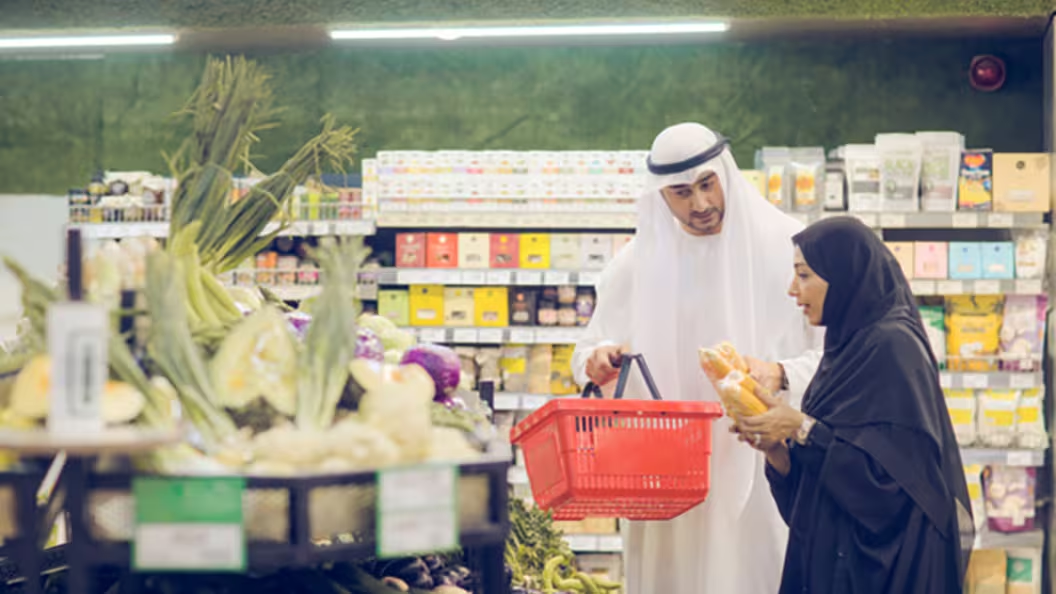
لقد عملت في مجال تجارة التجزئة وسلاسل التوريد لأكثر من 40 عاماً، وشاهدت الأسواق ترتفع وتنخفض في مختلف المناطق. شيء واحد تعلمته: قطاع السلع الاستهلاكية سريعة الدوران في الشرق الأوسط لا ينمو فقط - بل إنه يتحول بسرعة فائقة. مع وجود سوق تقدر قيمتها بحوالي $568 مليار دولار في عام 2025 ومن المتوقع أن ترتفع بشكل مطرد، مدفوعة بالسكان الشباب والتحضر والتبني الرقمي، فإن هذا منجم ذهب للمنتجين والموزعين والعلامات التجارية الذين يحسنون التعامل مع هذه السوق.
تخيل هذا: منطقة يتزايد فيها وعي المستهلكين بالصحة والوعي البيئي والالتصاق بهواتفهم للتسوق - ومع ذلك لا يزالون مخلصين للجودة والقيمة وسط الضغوط الاقتصادية. لقد رأيت الموردين يزدهرون من خلال اكتشاف هذه التحولات في وقت مبكر، وتحويل الاتجاهات إلى شراكات مربحة. ولكن إذا فاتتك هذه التحولات، ستجد نفسك أمام مخزون غير مباع.
اتجاهات السلع الاستهلاكية في الشرق الأوسط
يفصل هذا الدليل الشامل الاتجاهات الرئيسية للسلع الاستهلاكية سريعة التداول في الشرق الأوسط لعام 2025 وما بعده. سنتعمق في البيانات، و“لماذا” وراء كل تحول، والخطوات العملية للاستفادة منها. مدعومًا برؤى من مصادر مثل Statista وNielsenIQ وTechnavio، هذا هو خارطة طريقك للبقاء في المقدمة.
The Poland Corridor: A Strategic Guide to Import-Export Opportunities
Market Overview: FMCG in MENA (2024-2026)
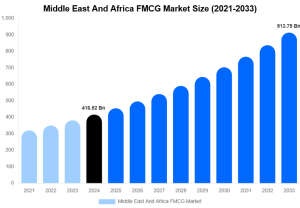
Based on recent trade data, the FMCG market in the Middle East is projected to witness a CAGR of 4.5% through 2026. Saudi Arabia and the UAE remain the primary engines, accounting for over 60% of total regional spending. As a professional active in regional logistics, we’ve observed a 15% year-on-year shift from traditional bulk imports to specialized, high-purity industrial materials and refined consumer goods.
سوق السلع الاستهلاكية المزدهرة في الشرق الأوسط: الإحصاءات الرئيسية ومحركات النمو
The Middle East FMCG landscape is not just growing; it is fundamentally transforming. As of 2025, the sector holds approximately 3.88% of the global market share, driven by exceptionally strong performance in GCC powerhouses like the UAE and Saudi Arabia.
Middle East FMCG Market
Vital Stats at a Glance
These figures highlight a market that is successfully balancing volume growth with inflationary pressures:
Regional FMCG Value: Recent data places the market value at approximately $58 billion, characterized by a 2% volume growth و 4% price adjustment.
GCC Online Retail Dominance: Digital adoption is skyrocketing, with the online retail share expected to exceed 16% by 2025.
UAE Spending Surge: Total FMCG spending in the UAE is up 7%, with significant momentum in high-frequency categories like snacking, beverages, dairy, and personal care.
Saudi Arabia’s Specialized Growth: The Kingdom maintains a steady 3.3% overall growth, but specific niches are exploding: pet care is up 10% و snacking has risen by 9%.
Core Growth Drivers
The underlying mechanics of this growth are tied to structural shifts in the region’s economy:
Rapid Urbanization & Demographics: The MENA region is now 64% urbanized. This shift, combined with a young, affluent, and tech-savvy population, is creating a permanent demand for modern retail solutions.
Rising Disposable Incomes & Tourism: Increased purchasing power and a massive boost in international tourism—particularly in Saudi Arabia and the UAE—are diversifying the consumer base and driving “premiumization” across product lines.
Government Diversification Mandates: Strategic frameworks like Saudi Vision 2030 و UAE’s economic diversification strategies have created a stable environment for international trade and industrial investment.
Why This Matters
These aren’t just abstract numbers—they represent a market that consistently outperforms many other global regions. While the world grapples with economic cooling, the Middle East’s urban consumers continue to demand convenience and quality. For businesses, this economic resilience ensures that spending remains steady, providing a fertile ground for brands that can adapt to high-velocity supply chains and automated customs environments.
الاتجاه 1: التحول الرقمي وانفجار التجارة الإلكترونية
لم تعد الرقمية قناة جانبية بعد الآن؛ بل هي الشريان الرئيسي لنمو السلع الاستهلاكية في الشرق الأوسط.
لماذا يحدث ذلك: يتوق المستهلكون الشباب البارعون في استخدام التكنولوجيا (متوسط ما بين ساعتين إلى 3 ساعات يوميًا على وسائل التواصل الاجتماعي) إلى الراحة. وقد أدت عادات ما بعد الجائحة وخيارات التوصيل السريع إلى تسريع ذلك.
الرؤى الرئيسية لعام 2025:
- ارتفاع حصة التجارة الإلكترونية للسلع الاستهلاكية سريعة التداول عبر الإنترنت: 11% في الإمارات العربية المتحدة (بزيادة عن السنوات السابقة)، مع نمو مضاعف عبر الإنترنت في مجال العناية الشخصية والغسيل.
- ازدهار التجارة الاجتماعية ونماذج التجارة المباشرة إلى المستهلك، خاصة في المملكة العربية السعودية والإمارات العربية المتحدة.
- الذكاء الاصطناعي وتحليلات البيانات التي تقود عملية التخصيص - العلامات التجارية التي تستخدم رؤى في الوقت الفعلي للمخزون والعروض الترويجية المستهدفة.
خطوات عملية قابلة للتنفيذ:
- بناء حضور قوي على الإنترنت: الشراكة مع منصات مثل نون أو أمازون للوصول إلى نطاق أوسع.
- استثمر في بوابات البائعين والتجارة السريعة للتوصيل في نفس اليوم.
- استخدم أدوات الذكاء الاصطناعي للطلب التنبؤي - لقد رأيت أن هذا يقلل من الهدر بنسبة 20-301 تيرابايت في عمليات مماثلة.
تجاهل التكنولوجيا الرقمية يعني التنازل عن الأرض لصالح المنافسين المرنين. العلامات التجارية التي تمزج بين الإنترنت وغير المتصل تربح الكثير.
أهم اتجاهات السلع الاستهلاكية الاستهلاكية في الشرق الأوسط
الاتجاه 2: الصحة والعافية يحتلان مركز الصدارة
لا يشتري المستهلكون المنتجات فحسب، بل يستثمرون في حياة أفضل.
شرح التحول زيادة الوعي بالأغذية فائقة المعالجة والمبيدات الحشرية وأمراض نمط الحياة. في المملكة العربية السعودية، وصل استخدام أدوية GLP-1 إلى 11%، مما يشير إلى خيارات صحية استباقية.
أبرز أحداث 2025:
- ارتفاع الطلب على الأطعمة ذات العلامات النظيفة والنباتية والمقوّاة والوظيفية ذات العلامات النظيفة.
- تتصدر المنتجات العضوية والصحية التي تركز على الصحة النمو في الوجبات الخفيفة والمشروبات والعناية الشخصية.
- الأجهزة القابلة للارتداء والتطبيقات التي تتكامل مع التسوق-67% من المستهلكين المهتمين بجودة الطعام.
ما أهمية ذلك: الاتجاهات الصحية تدفع إلى رفع الأقساط. يدفع المستهلكون مبالغ أكبر مقابل الفوائد المتصورة، مما يعزز هوامش الربح.
كيفية الاستفادة منها:
- إعادة صياغة المنتجات: أضيفي المقويات أو اعتمدي على المنتجات النباتية - مع الحصول على شهادات مثل حلال وعضوية.
- تسليط الضوء على الفوائد بشفافية: استخدام التغليف والتسويق للتوعية بالمكونات.
- استهدف المراكز الحضرية مثل دبي والرياض، حيث يكون تبني العافية في أعلى مستوياته.
لقد قدمت المشورة للموردين الذين تحولوا إلى خطوط إنتاج صحية أكثر وشهدوا تضاعف المبيعات - إنها ليست بدعة؛ إنها المستقبل.
CARICOM Trade Guide: How to Profit in the Caribbean Single Market
الاتجاه 3: الاستدامة والخيارات الواعية بالبيئة
الاستدامة ليست اختيارية، بل هي مطلب للمستهلكين وميزة تنافسية.
القوى الدافعة: ضغوط عالمية بالإضافة إلى مبادرات إقليمية لممارسات أكثر مراعاة للبيئة. يسعى المستهلكون إلى تقليل النفايات والتوريد الأخلاقي.
التطورات الرئيسية في عام 2025:
- ابتكارات التغليف الصديقة للبيئة: المواد القابلة لإعادة التدوير والمواد البلاستيكية المخفضة تكتسب زخماً.
- علامات تجارية مستدامة تشهد نمواً أعلى في مبيعات الوحدات.
- التركيز على المصادر المحلية وتقليل البصمة الكربونية.
رؤية احترافية: 73% من المستهلكين العالميين (أعلى بين الشباب) المستعدين لدفع المزيد مقابل خيارات مستدامة - وهذا ينطبق على الشرق الأوسط أيضاً.
الاستراتيجيات العملية:
- التدقيق في سلاسل التوريد من أجل الاستدامة - الشراكة مع موردين معتمدين بيئيًا.
- تغليف مبتكر: تصاميم ذكية بأقل قدر من النفايات تجذب المشترين الواعين.
- توصيل الجهود: الشهادات والقصص تبني الثقة والولاء.
لا يقتصر دور العلامات التجارية الرائدة هنا على بيع المزيد من المنتجات فحسب، بل بناء علاقات دائمة.
الاتجاه 4: التفضيل في مقابل البحث عن القيمة - سوق متشعبة
تخلق الحقائق الاقتصادية انقسامًا: البعض يطارد العلاوة، والبعض الآخر يطارد القيمة.
الديناميكيات يخفف التضخم من حدة الإنفاق، ولكن الشرائح الميسورة تتباهى بالجودة.
الملاحظات:
- نمو من رقمين في كل من فئتي الدرجة الممتازة والقيمة في الإمارات العربية المتحدة والمملكة العربية السعودية.
- ارتفاع العلامات الخاصة والبدائل ذات الأسعار المعقولة.
- تتصدر الوجبات الخفيفة والمشروبات، مع طفرات موسمية (رمضان والأعياد).
قانون التوازن
- تقديم منتجات متدرجة: منتجات متميزة للمشترين الطموحين، وقيمة للمشترين الحساسين للأسعار.
- استفد من العروض الترويجية خلال فترات الذروة لزيادة الحجم.
- مراقبة البيانات: استخدم التحليلات للتخزين وفقًا لذلك.
توفر هذه الازدواجية فرصًا - تمركز بذكاء لالتقاط كلا الطرفين.
الاتجاه 5: مرونة سلسلة التوريد وتوطينها
تدفع التحديات الجيوسياسية واللوجستية إلى إقامة شبكات محلية أقوى.
لماذا الآن: تسلط الأحداث والتكاليف الضوء على نقاط الضعف؛ ويقلل التوطين من المخاطر.
الاتجاهات:
- الاستثمارات في الخدمات اللوجستية الذكية، والذكاء الاصطناعي، وشراكات 3PL.
- تفضيل العلامات التجارية الإقليمية والمصادر الإقليمية.
- Re-export hubs like الإمارات العربية المتحدة strengthening distribution.
خطوات للأمام
- تنويع الموردين وبناء مخزون احتياطي.
- اعتمد التكنولوجيا من أجل التتبع والكفاءة.
- استكشف التصنيع المحلي للحصول على وصول أسرع وأرخص.
السلاسل المرنة تحوّل التحديات إلى مزايا.
Trading with ASEAN : Opportunities, Regulations, and Market Entry Strategies
التحديات وكيفية التغلب عليها
No growth comes without significant hurdles, and the Middle Eastern FMCG landscape is particularly nuanced. Based on current market shifts, here is how to navigate the primary obstacles:
Inflation and Heightened Price Sensitivity: While the region sees high spending, global inflationary pressures have made consumers more “value-conscious” than ever.
How to Overcome: Move beyond simple discounting by implementing Value Innovations. This includes “right-sizing” packaging for different price points and focusing on “affordable premiumization”—offering high-quality essentials that justify a slightly higher margin through superior benefits.
Hyper-Competition in a Crowded Digital Space: The barrier to entry has lowered, leading to an explosion of both local and international D2C brands.
How to Overcome: Differentiation is no longer optional; it must be driven by Data-Backed Uniqueness. Utilize AI-driven consumer insights to identify untapped niches—such as hyper-localized flavors or specialized wellness needs—and leverage “Engineering as Marketing” by providing interactive tools that help distributors and retailers forecast demand more accurately.
Rapidly Evolving Regulatory & Compliance Landscapes: Governments across the GCC and MENA are tightening standards around Halal certification, mandatory nutritional labeling (Front-of-Pack), and plastic reduction mandates.
How to Overcome: Treat compliance as a competitive advantage rather than a bureaucratic hurdle. By proactively adopting sustainable packaging and transparent labeling before they become law, brands build immense trust with both regulators and the growing demographic of “conscious consumers”.
Supply Chain Volatility and Geopolitical Shifts: Fluctuating energy markets and regional tensions can disrupt even the most robust logistics networks.
How to Overcome: Diversify trade corridors by utilizing emerging systems like rail freight و automated customs processing (e.g., Bayyan 2.0) to reduce reliance on single-mode transport. Investing in localized warehousing and multipurpose maritime vessels can provide the agility needed to bypass regional bottlenecks.
Persistence and adaptation are the ultimate differentiators—I’ve seen it time and again: those who integrate technical expertise with market agility are the ones who dominate.
للتعمق أكثر في الفرص الإقليمية، استكشف موارد Tendify.net هذه:
- الدليل الشامل لمحلات الهايبر ماركت الكبرى وسلاسل السوبر ماركت ومتاجر البقالة الكبيرة في الإمارات العربية المتحدة للموردين والمنتجين
- الخدمات اللوجستية المحلية في الإمارات العربية المتحدة: إتقان شبكات الطرق بين الإمارات العربية المتحدة، وثورة الاتحاد للقطارات، وصعود شراكات 3PL الذكية
- لماذا تعتبر الإمارات العربية المتحدة المركز الأول لإعادة التصدير في الشرق الأوسط: نظرة متعمقة على الميزة الاستراتيجية لدبي وأبوظبي
سوق السلع الاستهلاكية سريعة التداول في الشرق الأوسط في عام 2025 يكافئ المستعدين. سواء كنت منتجاً تتطلع إلى التوزيع أو علامة تجارية تتوسع في السوق، فإن هذه الاتجاهات تشير إلى إمكانات هائلة.
هل أنت جاهز لمواءمة أعمالك مع اتجاهات السلع الاستهلاكية سريعة الدوران في الشرق الأوسط وإطلاق العنان لنمو جديد؟ تزودك Tendify.net بأدوات الخبراء ومعلومات السوق وشبكات الموردين لتحقيق ذلك. اشترك اليوم ودعنا نحول الرؤى إلى أفعال - سجل الآن على Tendify.net!
In our experience managing technical equipment and industrial supply chains through Shayesteh Kar Rad Caspian, the bottleneck for FMCG growth in 2026 won’t be demand, but Customs Automation. Transitioning to systems like Bayyan 2.0 and leveraging rail freight over traditional road transport is reducing lead times by up to 30% in the GCC corridor.
Strategic Trade Corridors: Beyond the GCC
While Dubai remains the hub, 2026 will see the rise of the ECO (Economic Cooperation Organization) و AfCFTA corridors. Brands that utilize multipurpose working vessels and specialized maritime logistics to reach markets like Ethiopia and Uzbekistan will gain a first-mover advantage. At Tendify, we are seeing increased demand for high-margin industrial commodities like Lithium and Vein Graphite, which are essential for the manufacturing side of the FMCG ecosystem.
Need a Lead Generation Strategy for your Brand?
Use our interactive B2B Trade Audit tool to assess your market readiness for 2026.
Top Trending FMCG Products to Watch in the Middle East for 2025-2026
As these broader trends reshape the FMCG landscape in the Middle East, here are some specific product categories gaining serious traction right now—ones I’ve seen fly off shelves and dominate distributor conversations:
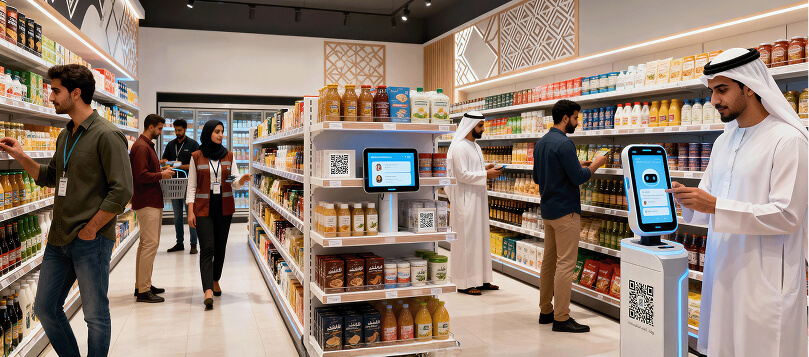
Top Trending FMCG Products
- Functional beverages with health boosts: Think probiotic sodas, mushroom-infused drinks, and low-sugar energy options that support gut health and immunity—perfect for consumers prioritizing wellness without sacrificing taste.
- Plant-based and clean-label snacks: High-protein, vegan biscuits and snacks made with natural ingredients are exploding, especially among younger buyers seeking convenient, guilt-free options.
- Herbal and beauty supplements: Collagen gummies, biotin boosters, and herbal supplements for skin, hair, and longevity are topping sales charts, driven by the “beauty from within” movement.
- Eco-friendly personal care items: Sustainable packaging in skincare serums, cruelty-free cosmetics, and recyclable hygiene products that align with growing environmental awareness.
- Premium yet affordable dairy alternatives: Plant-based milks, yogurts, and functional dairy with added probiotics or proteins, appealing to the bifurcated market of value-seekers and premium hunters.
- Halal-Certified Natural Beauty & Personal Care: There is a surging demand for skincare and cosmetics that combine Halal certification with indigenous regional ingredients like black seed oil, saffron, and date extracts.
- Gourmet Frozen & Ready-to-Eat Meals: As lifestyles accelerate across the GCC, consumers are shifting toward high-quality, preservative-free frozen meals that offer restaurant-grade taste with the convenience of rapid preparation.
- Concentrated & Eco-Friendly Household Cleaners: Driven by both sustainability goals and the need to optimize logistics costs, concentrated formulas that reduce plastic waste and shipping volume are gaining significant shelf space.
- At-Home Wellness & Diagnostic Kits: Reflecting the “preventative health” trend, rapid home testing kits for monitoring glucose, vitamin deficiencies, and food intolerances are becoming a staple in the FMCG health aisle.
- Low-Glycemic & Natural Sweeteners: With rising health awareness regarding diabetes in the Middle East, natural alternatives like Stevia, monk fruit, and low-GI syrups are rapidly replacing traditional refined sugars.
- Premium Organic Baby Food & Care: Modern parents in the region are increasingly prioritizing organic, paraben-free, and chemically clean products for their children, making this one of the most resilient high-margin sectors.

FMCG Products to Watch in the Middle East
الأسئلة الشائعة (FAQ)
Q1: What are the primary growth drivers for the FMCG sector in the Middle East for 2026? The sector is primarily driven by rapid urbanization—with MENA now 64% urbanized—and a young, tech-savvy population with high disposable income. Additionally, government initiatives like Saudi Vision 2030 and UAE economic diversifications are creating a highly stable environment for trade and investment.
Q2: How significant is the shift toward E-commerce in the GCC? The shift is transformative. Online retail share in the GCC is expected to exceed 16% by 2025. This surge is particularly evident in the UAE, where spending in snacking, beverages, and personal care has seen a 7% increase.
Q3: Which product categories are seeing the highest growth in Saudi Arabia? While the overall market grows at a steady 3.3%, specialized categories are leading the way. Specifically, pet care has seen a 10% increase, while the snacking category has grown by 9%.
Q4: How can brands overcome the challenge of inflation and price sensitivity? Brands should focus on “Value Innovations” rather than just price cuts. This involves right-sizing packaging for different price points and focusing on “affordable premiumization”—delivering high-quality essentials that justify their value through superior benefits.
Q5: What regulatory trends should FMCG distributors be aware of? There is an increasing focus on strict Halal certification, mandatory nutritional “Front-of-Pack” labeling, and sustainability mandates aimed at reducing plastic waste. Proactively adopting these standards is now a key competitive advantage in the region.
Q6: How is the supply chain evolving to meet these new demands? Efficiency is being driven by automation and infrastructure diversification. The transition to automated customs systems like Bayyan 2.0 and the increasing use of rail freight are significantly reducing lead times and helping brands bypass traditional logistics bottlenecks.