Blog
Dubai Re-Export Blueprint: How to Move Goods Globally with Zero Tax
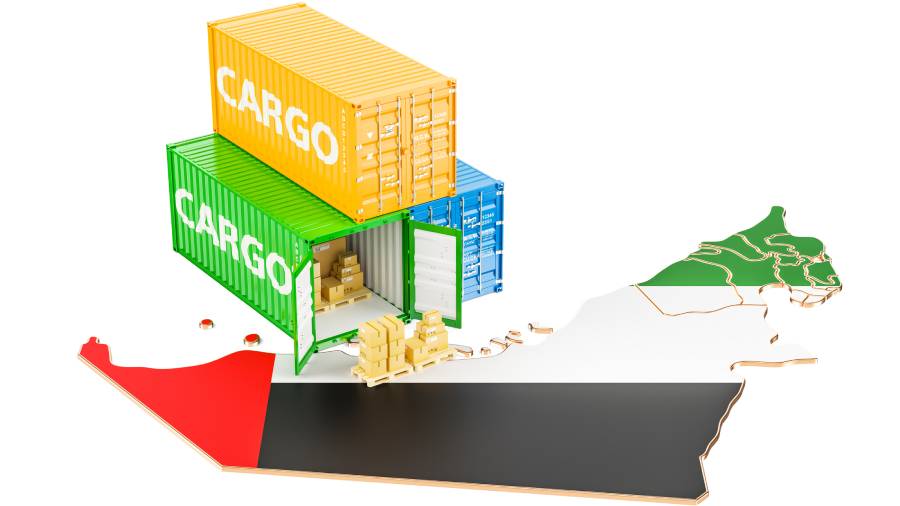
I’ve been in the trading business for decades, building companies that move goods across continents. One of the smartest moves I’ve ever made was leveraging Dubai as a re-export hub. It’s not just about lower costs—it’s about smarter logistics, fewer headaches, and access to markets that would otherwise be tough to reach. If you’re looking to scale your trade operations, re-exporting from Dubai can transform your margins and growth potential. In this guide, I’ll walk you through the practical side: the legal and customs processes, the real financial advantages over direct imports, and the massive opportunities in Africa, Asia, and CIS countries.
Re-Exporting Goods from Dubai
Dubai handles a staggering volume of re-exports—over AED 734 billion in 2024 alone, with non-oil trade hitting record highs. Why? Because the UAE’s free zones, especially Jebel Ali, make it seamless to import goods duty-free, store them, and ship them out without the usual tax burdens. Let’s dive in.
💡 Pro-Tip from My Experience
One often overlooked detail in Dubai re-exporting is the “Customs Deposit Management.” Many traders lose money simply because they don’t track their claims within the 180-day window. To avoid this, always ensure your Bill of Entry matches the Exit Certificate perfectly. Even a minor typo in the HS Code can lead to a rejected tax refund.
Why Dubai is the World’s Premier Re-Export Hub
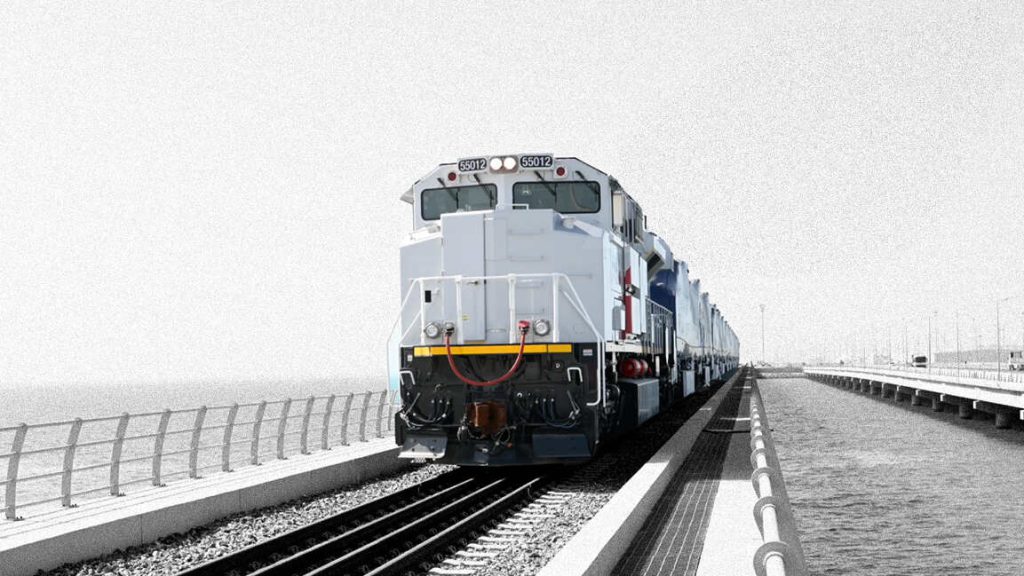
Dubai isn’t just a skyline of architectural wonders—it is a high-octane logistics powerhouse engineered for global trade. At the heart of this success is the Logistics Corridor, a unique integration of Jebel Ali Port (one of the world’s most technologically advanced container terminals) and Al Maktoum International Airport (DWC).
The Multimodal Advantage
What sets Dubai apart is the physical and digital bridge between sea and air. This setup facilitates a seamless “sea-to-air” transition, allowing for multimodal transport that is both fast and cost-effective. In my experience working with global supply chains, I have seen businesses cut transit times by up to 40% simply by utilizing the bonded corridor that allows goods to move from the port to the aircraft in less than four hours without leaving a customs-controlled area.
Re-Export Hub
The Numbers Behind the Success
The scale of this operation is backed by staggering data:
Trade Volume: The UAE’s non-oil foreign trade hit a record AED 3.5 trillion (surpassing earlier 2024 projections), with re-exports acting as the primary engine.
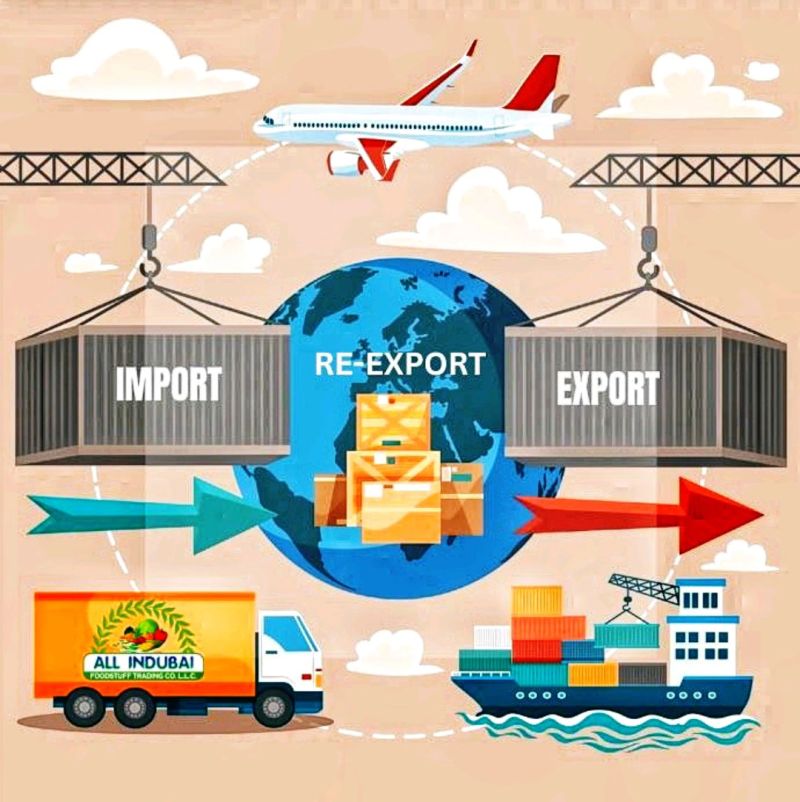
Redistribution Power: Nearly 45% of all imports entering Dubai are re-exported. This transforms the emirate from a final destination into a strategic redistribution center for emerging markets in Africa, Central Asia, and the Indian Subcontinent.
Growth Trajectory: Dubai’s D33 economic agenda aims to double the size of the economy by 2033, with re-export corridors at its core.
Expert Insight: The real “secret sauce” isn’t just the infrastructure; it’s the Free Zone Ecosystem.
Strategic Free Zones: Beyond JAFZA
While Jebel Ali Free Zone (JAFZA) is the crown jewel—offering 0% customs duties, 100% foreign ownership, and zero corporate tax for qualified activities—other hubs like Dubai South and DAFZ (Dubai Airport Freezone) offer specialized niches for high-value re-exports like electronics and pharmaceuticals.
These zones don’t just offer “streamlined procedures”; they provide a Single Window (Dubai Trade) for all documentation, which effectively eliminates the bureaucratic friction found in other global hubs. This operational efficiency is what has driven consistent, double-digit growth in trade volumes year after year.
Trading with ASEAN : Opportunities, Regulations, and Market Entry Strategies
The Step-by-Step Legal and Customs Process for Re-Exporting from Dubai
Re-exporting from Dubai is designed to be frictionless, provided you navigate the digital infrastructure correctly. The backbone of this process is the Dubai Trade Portal, which integrates the Mirsal 2 (and now the upgraded Bayyan) online systems to handle declarations with 99% paperless efficiency.
Here is the operational blueprint for a successful re-export cycle:
1. Business Setup & Customs Coding
Before moving a single pallet, you must establish a legal entity. While you can operate on the Mainland, most re-exporters choose a Free Zone (like JAFZA, DWC, or DAFZA) to simplify the tax ring-fence.
The Trade License: Ensure your license explicitly includes “Import/Export” or “General Trading.”
Customs Client Code: Once licensed, you must register with Dubai Customs to receive your unique Customs Client Code. This code is your “digital passport” for all Mirsal 2 transactions.
2. Import for Re-Export (Duty-Free Entry)
When goods arrive at Jebel Ali Port or DXB/DWC airports, they must be declared under the “Import for Re-Export” regime. This is critical: it allows goods to enter a bonded area or Free Zone without the 5% VAT or customs duties.
Required Documentation:
Commercial Invoice: Must clearly state the value, currency, and Incoterms.
Bill of Lading / Air Waybill: The title document for the cargo.
Detailed Packing List: Specifics on weight, packaging, and HS Codes.
Certificate of Origin: Vital for verifying preferential tariffs and trade agreements.
3. Managing the Customs Deposit (Financial Strategy)
Expert Insight: If you move goods to the Mainland for temporary storage before re-exporting, you must provide a financial guarantee (either a bank guarantee or a cash deposit) equivalent to the 5% customs duty. This deposit is only refunded once you provide a valid “Proof of Export”. Tracking these refunds is where many businesses fail—ensure your accounting team monitors “Deposit Claims” monthly.
4. Value-Added Services in Free Zones
While stored in a Free Zone, your goods are “offshore” in the eyes of Customs. You have the flexibility to:
Repackage or relabel for different regional markets.
Assemble or kit products.
Perform quality control inspections. These activities do not trigger duty payments as long as the goods do not enter the UAE domestic market.
5. The Re-Export Declaration & Exit
To ship the goods out, you submit a Re-Export Declaration via Dubai Trade.
Clearance: In 2025/2026, Dubai Customs’ AI-driven risk engine clears standard shipments almost instantly.
The Exit Certificate: Once the goods depart, ensure you obtain the Customs Exit Certificate. This is your legal proof to close the file and reclaim any deposits.
6. Handling Restricted Goods
For specialized cargo like pharmaceuticals, chemicals, or high-end electronics, you will need “E-Permits” from relevant ministries:
Ministry of Health (MOH): For medical supplies.
MOIAT: For industrial and electronic standards. The good news? These are now fully integrated into the Dubai Trade single-window system.
Pro-Tip: The “HS Code” Trap
I cannot overstress this: Always use a reliable clearing agent for your initial shipments. The most common cause of fines or “Customs Holds” is the misclassification of HS Codes. A professional agent ensures your goods are classified correctly, preventing you from paying unnecessary duties or facing compliance audits.
Financial and Customs Advantages of Re-Exporting from Dubai vs. Direct Import
This is where re-exporting shines. Direct imports to many markets mean paying full duties upfront, plus higher logistics costs. Routing through Dubai changes the game.
Digital Efficiency: Leveraging Bayyan 2.0 for Faster Re-Exports
The UAE has modernized its logistics through the Bayyan 2.0 system. As a tech-driven trader, I’ve found that using digital customs integration reduces clearance time by up to 40%.
- Automated Documentation: Direct linkage between shipping agents and Dubai Customs.
- Real-time Tracking: Monitor your re-export status from the moment it leaves the Jebel Ali port.
- Reduced Manual Errors: The system pre-validates HS Codes, preventing costly delays.
Using Tendify.io tools alongside Bayyan can further optimize your logistics workflow for maximum profitability.
Key Advantages:
- Zero Customs Duties in Free Zones: Goods imported into JAFZA for re-export pay no import duties. Only 5% applies if entering the UAE mainland. Compare that to direct imports to Africa or Asia, where duties can hit 20-50%.
- VAT and Tax Efficiency: Exports and re-exports are zero-rated for VAT. No corporate tax on profits in free zones (if below thresholds).
- Cost Savings on Logistics: Shorter routes and bulk handling reduce freight by 15-30%. Plus, 100% repatriation of profits.

Re-Exporting from Dubai
Here’s a quick comparison table:
| Aspect | Re-Export via Dubai (Free Zone) | Direct Import to Destination Market |
|---|---|---|
| Customs Duties | 0% on import/re-export | 5-50% depending on country/goods |
| Storage Costs | Low, unlimited time | Higher, time-limited warehouses |
| Transit Time | Faster (central location) | Longer routes |
| Overall Cost Savings | 20-40% typical | Baseline |
| Risk of Delays/Fines | Minimal with proper setup | Higher due to varying regulations |
Studies from sources like the World Bank highlight Dubai’s top rankings in trading across borders, thanks to these efficiencies.
The Poland Corridor: A Strategic Guide to Import-Export Opportunities
Thriving Re-Export Opportunities to Africa, Asia, and CIS Markets
Dubai’s location bridges three continents, making it ideal for re-exporting to high-growth regions.
Africa: Booming demand for electronics, machinery, vehicles, and consumer goods. Markets like Nigeria, Kenya, Ethiopia, and Ghana import heavily via Dubai—affordable pricing and quick delivery drive this. In 2025, Africa’s trade with UAE continues surging, with re-exports in autos and FMCG leading.
Asia: India, China, and Southeast Asia favor Dubai for luxury goods, perfumes, and tech. South Asia’s demand for electronics and textiles makes re-export margins strong.
CIS Countries: Kazakhstan, Uzbekistan, and others seek construction materials, medical equipment, and FMCG. Emerging economies here offer high margins due to limited direct supply chains.
Top sectors for 2025:
- Electronics and mobiles
- Automotive parts and vehicles
- Pharmaceuticals and medical equipment
- Food and beverages
- Construction materials
GCC markets still anchor much trade, but Africa, Asia (non-GCC), and CIS are growing fastest—up significantly in recent data.
I’ve built networks supplying machinery to CIS and consumer goods to Africa, all re-exported smoothly from Dubai. The “why” is simple: lower landed costs and reliable supply beat direct routes.
The Complete 2026–2027 UAE Import Mastery Manual
Common Challenges and How to Overcome Them
Challenges exist, but they’re manageable:
- Documentation Errors: Double-check HS codes and origins. Use agents initially.
- Restricted Goods: Pre-clear permits—plan ahead.
- Market Volatility: Diversify destinations.
The payoff? Consistent growth in a stable hub.
For deeper dives, check related resources on global trade logistics or B2B sourcing strategies.
Frequently Asked Questions (FAQ)
How long can goods stay in Dubai before re-exporting?
In Free Zones like JAFZA, you can store goods indefinitely without paying customs duty, provided they are kept in a bonded warehouse and eventually re-exported.
Is the 5% VAT applicable to re-exported goods?
No. Re-exported goods are usually zero-rated or exempt from VAT, provided you follow the “Direct Export” or “Indirect Export” documentation rules strictly.
What is the most common reason for tax refund rejection?
The lack of a valid Proof of Exit. Always ensure your freight forwarder provides the stamped Exit Certificate from the port of departure.
Take Action: Start Your Re-Export Journey Today
Re-exporting from Dubai isn’t a shortcut—it’s a strategic edge that has fueled my biggest successes. With the processes streamlined, advantages clear, and markets exploding, there’s no better time.
Ready to connect with verified suppliers, post RFQs, or list your products on a trusted B2B platform? Sign up for free on Tendify.net today and unlock secure, direct global trade opportunities. Your next big shipment starts here—register now and let’s build something profitable together.