


Blog
Bypass Logistics in the Gulf: A B2B Risk Framework
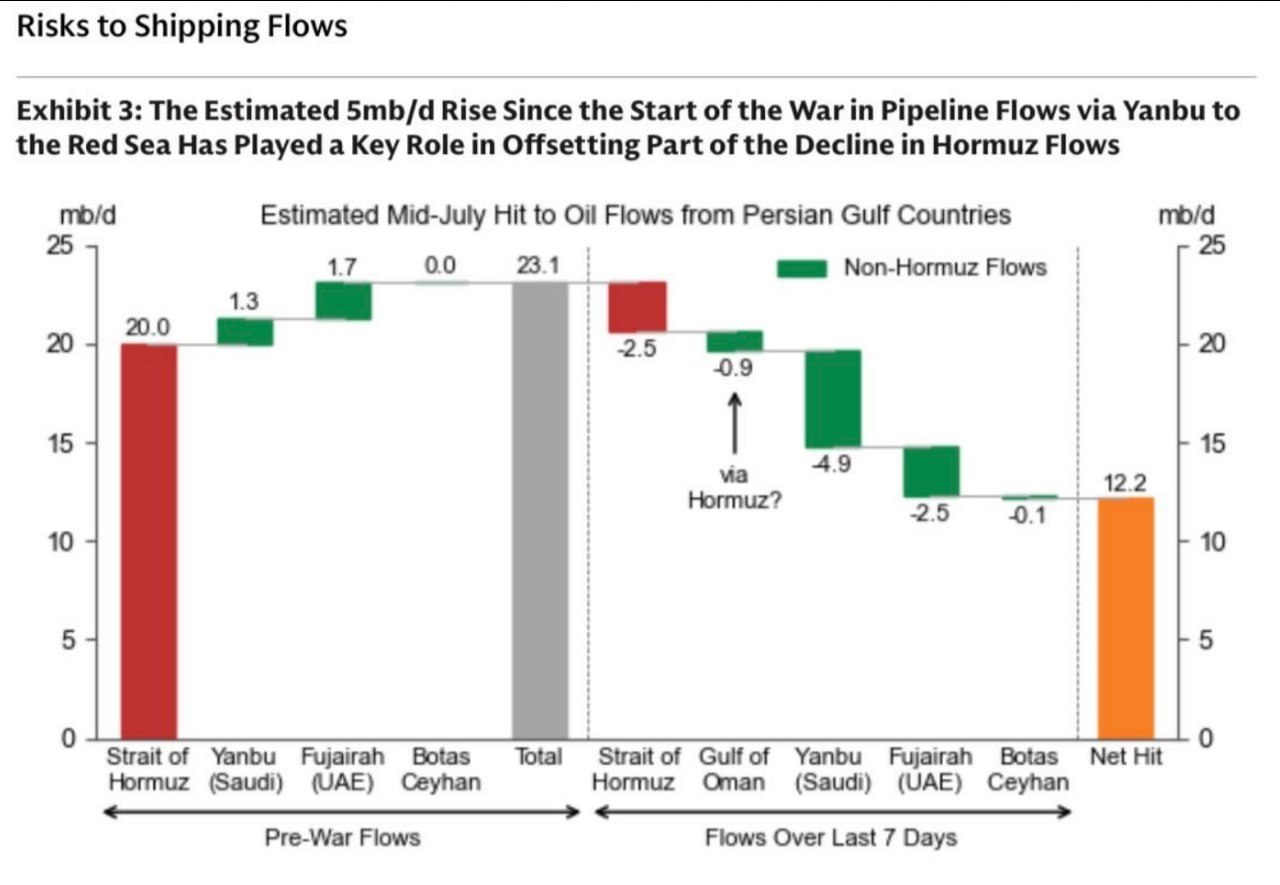
Global energy and commodity traders operating in the Gulf face persistent volatility in maritime chokepoints. Recent assessments, including detailed flow analysis from leading investment banks, show how GCC nations are actively diversifying export pathways to maintain supply chain stability even amid heightened regional tensions. This comprehensive guide examines the mechanics of Hormuz-related risks, the expanding role of alternative pipelines and ports, and actionable strategies for B2B traders to protect margins and ensure continuity in 2026.

Bypass Logistics in the Gulf
Understanding the Strategic Importance of Gulf Shipping Routes
The Strait of Hormuz remains one of the world’s most critical energy arteries. Pre-crisis estimates placed daily flows through this narrow passage at approximately 20 million barrels per day (mb/d) for crude and products from Persian Gulf producers. Disruptions here directly impact global pricing, insurance premiums, and delivery schedules for everything from energy commodities to downstream industrial inputs.
However, infrastructure investments across the UAE and Saudi Arabia have created meaningful redundancy. Pipeline systems linking eastern production hubs to western and southern export terminals now provide viable bypass capacity. This shift is not theoretical — operational data from mid-2026 periods demonstrates how these routes absorbed significant volume when traditional flows faced pressure.
Key Pre-War Baseline Flows (Approximate mb/d):
- Strait of Hormuz: ~20.0
- Yanbu (Saudi Arabia, Red Sea access): ~1.3
- Fujairah (UAE, Gulf of Oman access): ~1.7
- Botas Ceyhan (Turkey): Negligible in early comparisons
- Total regional benchmark: ~23.1
These numbers highlight the concentrated risk in the primary strait while underscoring the growing contribution of diversified outlets.
Quantifying the Impact: Recent Flow Shifts and Net Resilience
Analysis of a seven-day snapshot during a period of elevated risk reveals both the vulnerability and the mitigation power of alternative infrastructure:
- Decline in Hormuz Transit:A sharp reduction in volume passing directly through the strait.
- Surge in Bypass Routes:
- Yanbu pipeline capacity ramped up significantly (reported increases near 4.9 mb/d in peak response).
- Fujairah terminal flows expanded by approximately 2.5 mb/d.
- Additional incremental volumes moved via Gulf of Oman pathways.
Net Effect: Despite the Hormuz contraction, the overall hit to total export capacity was moderated to around 12.2 mb/d in the adjusted net figure, thanks to a roughly 5 mb/d collective increase through non-Hormuz pipelines and terminals. This demonstrates how strategic infrastructure acts as a pressure-release valve for regional supply chains.
For traders, this translates into tangible opportunities and risks. Contracts tied exclusively to Hormuz-dependent loading ports face higher volatility in freight rates, demurrage exposure, and force majeure claims. Those leveraging diversified routing enjoy more predictable lead times and potentially lower insurance costs.
Ripple Effects Beyond Crude: Non-Oil B2B Commodity Supply Chains
Maritime choke-point volatility extends far beyond crude oil tankers. The regional industrial core — spanning petrochemical polymers, industrial chemicals, construction raw materials, and heavy machinery — faces direct cost and timeline inflation whenever Gulf transit routes absorb geopolitical pressure.
Polyethylene (PE) and Polypropylene (PP) exports suffer container equipment shortages and delayed feeder connections.
Bulk rebar, cement, and aluminum shipments face sudden demurrage escalations at feeder ports.
Why Alternative Routes Matter for B2B Cross-Border Trade
Beyond crude oil, these bypass capabilities influence the broader ecosystem of GCC imports and re-exports. Industrial buyers sourcing bulk commodities, construction materials, and energy derivatives benefit when primary routes face constraints because diversified logistics networks reduce single-point failures.
Core Advantages of Pipeline and Alternative Port Strategies:
- Reduced Transit Risk: Routes to Red Sea or Gulf of Oman terminals avoid the narrowest maritime pinch points.
- Faster Response to Market Shocks: Pre-positioned pipeline capacity allows rapid volume pivots.
- Cost Optimization Potential: While initial pipeline tariffs exist, they can offset elevated war-risk premiums and longer detour voyages.
- Enhanced Compliance and Tracking: Modern terminals like Fujairah and Yanbu integrate advanced digital clearance systems that streamline documentation for cross-border deals.
In practice, savvy traders now build multi-port bidding strategies into their sourcing frameworks, evaluating not just price but route resilience scores.
Critical Cost Driver: War Risk Insurance & Surcharges
While physical transit bottlenecks command headline attention, the immediate financial shock for B2B traders often stems from maritime insurance markets. Vessel transits through the Strait of Hormuz trigger mandatory War Risk Insurance Premiums and unpredictable carrier surcharges, fundamentally altering landed cost structures.
Spikes in Additional Premium (AP) rates directly inflate CIF margins overnight.
Fujairah and Red Sea loadings often bypass high-risk zone surcharges completely.
Practical Risk Assessment Framework for 2026 Traders
To operationalize these insights, implement a structured evaluation process:
- Map Your Exposure
Review all active and planned shipments for dependency on Hormuz-adjacent ports. Categorize by commodity type, volume, and destination. - Scenario Planning
Model three outcomes: baseline operations, moderate disruption (20-30% Hormuz reduction), and severe constraint. Factor in current pipeline utilization data. - Diversify Counterparties
Engage freight forwarders and terminal operators with proven access to Fujairah, Yanbu, and complementary overland options. - Update Contract Language
Incorporate flexible loading port clauses, updated force majeure definitions covering maritime chokepoints, and escalation mechanisms for route changes. - Leverage Technology
Utilize real-time tracking platforms and predictive analytics to monitor flow indicators and adjust routing dynamically.
- Map Your Exposure
Tactical Action Checklist: De-Risking GCC Trade Operations
Immediate operational steps for B2B procurement and supply chain managers.
Safety Stock Cushioning
Increase regional buffer stocks from 30 to 45–60 days for critical non-perishable inputs (polymers, chemicals, metals) near secondary hubs like Fujairah or Jebel Ali Free Zone.
Alternative Load-Port Clause
Insert a “Flexible Loading Rider” allowing automatic rerouting to Fujairah/Yanbu if War Risk Premiums exceed $1,000/TEU or if the Strait of Hormuz threat level escalates.
Demurrage Guarantee Caps
Pre-negotiate extended free-time agreements (minimum 14–21 days free time) with ocean carriers to cushion against port congestion and anchorage delays at alternative hubs.
Dual-Carrier Booking Strategy
Split volume allocations (70/30) between primary ocean carriers and regional feeder operators/overland truckers with established Etihad Rail access.
Incoterms 2020 Adaptations: Managing Rerouting Risk in GCC Contracts
During maritime choke-point crises, static contract terms expose both buyers and sellers to unexpected liabilities. Shifting from traditional inner-Gulf loading ports to alternative hubs requires precise updates to Incoterms 2020 delivery points and risk-transfer clauses to prevent disputes over war risk surcharges, rerouting costs, and Force Majeure triggers.
Specify alternative load ports (e.g., FOB Fujairah vs. FOB Jebel Ali) to lock in clear risk delivery points outside the strait.
Incorporate contractual caps or cost-sharing mechanisms for War Risk Surcharges (WRS) in delivered terms.
Beyond Sea Lanes: Multimodal & Overland Rail Integration
Bypassing maritime pinch points extends beyond pipelines and alternative sea ports. The operational scaling of cross-border overland logistics — spearheaded by Etihad Rail and integrated GCC trucking corridors — offers a true land bridge connecting major industrial nodes between the UAE, Saudi Arabia, and Oman.
Direct heavy-freight rail links connecting Ghuweifat to Saudi borders and Fujairah ports.
Overland transit eliminates Strait of Hormuz transit risks and marine insurance surcharges completely.
Comparative Logistics Matrix: 2026 GCC Routing Options
Evaluating cost, lead times, exposure, and optimal commodity fit across Gulf export pathways.
| Route / Corridor | Estimated Cost Impact | Transit Lead Time | Geopolitical & Congestion Risk | Recommended Cargo Type |
|---|---|---|---|---|
| Strait of Hormuz (Jebel Ali, Dammam, Abu Dhabi) | Baseline ocean freight + High War Risk Surcharges (+$500–$2,000/TEU) | Baseline (Direct calling) | High / Critical | Large-volume contract bulk, non-urgent general cargo, localized GCC trade. |
| Fujairah / Kalba (Gulf of Oman Bypass) | Moderate (+10–15% feeder/inland connection); avoids inner-Gulf premiums | +1 to +3 Days (Feeder & queue delays) | Moderate (Congestion) | Containerized polymers, spot chemical exports, Asian/Global export cargo. |
| Yanbu Port (Saudi Red Sea Pipeline Corridor) | Moderate to High (+15–25% pipeline/inland tariff) | +2 to +4 Days East (-2 Days for Europe/Med) | Low to Moderate | Europe/Mediterranean bound shipments, crude, refined energy derivatives. |
| Overland & Etihad Rail (GCC Landbridge Connection) | Higher per-unit freight (+25–35% vs. standard sea freight) | Express Fast (-2 to -4 Days savings) | Low (Zero Sea Risk) | High-value industrial machinery, perishable goods, urgent project cargo. |
Operational Reality: Port Congestion & Bottlenecks at Alternative Hubs
While routing cargo through Fujairah or Yanbu effectively bypasses Hormuz risks, sudden volume surges create secondary logistical hurdles. Rapid traffic shifts can strain terminal infrastructure, resulting in limited berth availability, anchorage queueing, and severe demurrage exposure for unprepared traders.
Extended vessel waiting times at Fujairah anchorage can quickly erase routing cost savings.
Securing priority terminal slots requires pre-negotiated volume guarantees during peak shifts.
Broader Implications for GCC Supply Chain Strategy
The demonstrated ability to reroute millions of barrels daily signals a maturing regional logistics architecture. For B2B participants in construction, manufacturing, and energy-intensive industries, this means greater confidence in long-term sourcing from GCC hubs.
Strategic Recommendations:
- Build Redundancy into Supplier Scorecards: Weight route diversification as a key performance indicator.
- Monitor Infrastructure Developments: Track expansions at key terminals and pipeline projects as indicators of future capacity.
- Integrate Insurance and Hedging: Align coverage with actual routing profiles rather than generic regional assumptions.
- Collaborate on Digital Standards: Shared visibility platforms across the value chain reduce friction during rerouting events.
Linking to Operational Tools and Resources
Effective risk management requires both strategic insight and tactical execution. Platforms offering integrated calculators for trade costs, compliance checklists, and market pulse monitoring can significantly de-risk these decisions. For instance, tools that model end-to-end logistics scenarios help quantify the financial impact of choosing Fujairah over traditional Gulf ports.
Related reading on the Tendify network:
- Demurrage vs. Detention in GCC Ports: How to Save $2,000 per Container in UAE & Saudi Arabia
- GCC Ports 2026: Master Customs Valuation and Dodge Crushing Penalties
- The 2026 UAE Freight Playbook: From Desert Roads to High-Speed Rail
Future Outlook: Toward Greater Supply Chain Sovereignty
As GCC economies advance diversification under national visions, expect continued investment in multi-modal connectivity. The 2026 landscape already shows that concentrated maritime risks can be meaningfully mitigated through infrastructure and operational agility.
Traders who embed route resilience into their core planning — rather than treating it as a contingency — will capture competitive advantages in both stability and cost efficiency.
The Hormuz experience, viewed through the lens of recent flow data, ultimately reinforces a core principle of modern cross-border commerce: redundancy is not a luxury but a fundamental driver of sustainable profitability in volatile regions.
Ready to strengthen your trade operations with tools designed for exactly these scenarios? Register on the platform to access calculators, compliance generators, market intelligence, and a network built for resilient GCC and international B2B commerce. Secure your processes and accelerate growth at https://tendify.net/my-account/.

