Blog
Dubai D33 Economic Agenda: The Smart Trader’s 2026 Playbook
I’ve spent over two decades building and scaling trade businesses across borders. What I’ve learned is simple: the winners aren’t the ones who react to market shifts—they’re the ones who position themselves years ahead of the curve. Dubai’s Economic Agenda D33 isn’t just another government plan. It’s a high-stakes blueprint designed to double the emirate’s economy by 2033, inject trillions into new corridors, and cement Dubai as one of the top three global economic powerhouses.

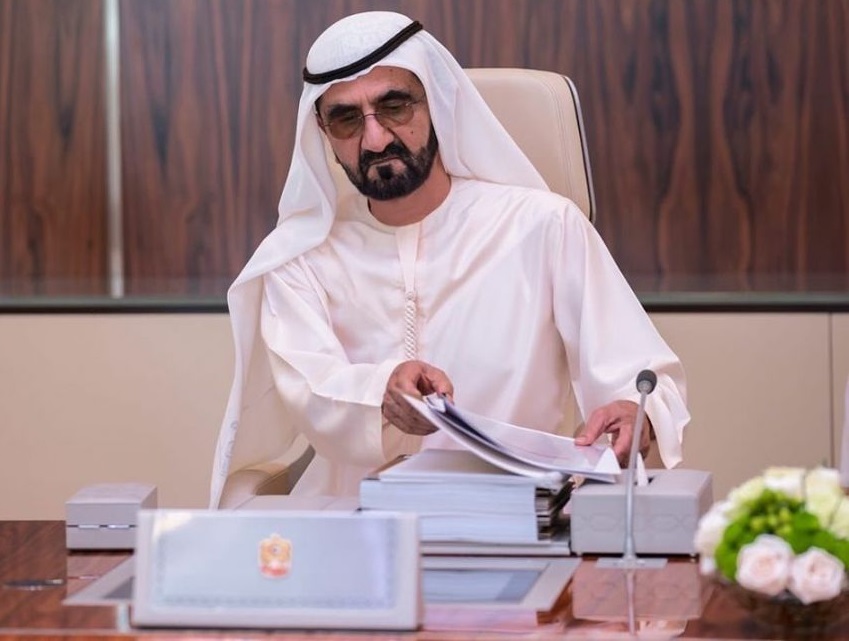
Mohammed bin Rashid Dubai D33
For importers, exporters, investors, and logistics operators, this isn’t background noise. It’s your operating environment for the next decade. Understanding D33 means unlocking lower costs, faster clearances, new markets, and competitive edges that traditional hubs can’t match. In this comprehensive guide, I’ll break down exactly what D33 means for your business, why it matters more than ever in 2026, and the practical steps you can take right now to profit from it.
What Is the Dubai Economic Agenda D33?
Launched in early 2023 by Sheikh Mohammed bin Rashid Al Maktoum, the Dubai Economic Agenda D33 is a bold, 10-year strategic roadmap with one crystal-clear, audacious goal: double the size of Dubai’s economy by 2033.
After more than two decades navigating international trade, I’ve seen plenty of government visions. Most stay on paper. D33 is different. It’s engineered for execution, backed by massive capital commitments, and already showing measurable momentum in 2026. This isn’t just about growth—it’s about fundamentally upgrading Dubai from a world-class re-export powerhouse to the intelligent, frictionless nerve center of global commerce.

What Is the Dubai Economic Agenda D33?
The agenda envisions cumulative economic output of AED 32 trillion (roughly $8.7 trillion) over the decade. It aims to position Dubai among the world’s top three economic cities alongside giants like New York, London, and Tokyo. Think seamless movement of goods, capital, data, talent, and ideas with minimal bureaucracy and maximum intelligence.
It’s not vague aspiration. D33 includes over 100 transformative projects spanning logistics, digital economy, tourism, finance, green industries, talent attraction, and sustainable development. For traders and business owners like you and me, this means a dramatically improved operating environment: faster clearances, smarter infrastructure, better incentives, and new high-growth corridors opening up across Africa, Latin America, Southeast Asia, and beyond.
Key Numerical Targets That Matter for Traders and Global Businesses
Here are the metrics that directly impact your bottom line:
- Foreign Trade Volume: Jumping from AED 14.2 trillion in the previous decade to AED 25.6 trillion for goods and services — a massive expansion that rewards those already plugged into Dubai’s networks.
- Foreign Direct Investment (FDI): Rising from an average of AED 32 billion annually to AED 60 billion per year, with a cumulative target exceeding AED 650 billion by 2033.
- New Trading Partners: Adding 400 new cities to Dubai’s primary trading network, creating fresh demand and supply routes you can tap into today.
- Government and Private Investment: Government spending increasing to AED 700 billion, while private sector investment climbs to AED 1 trillion over the decade.
These targets are already translating into real-world progress. As of 2026, we’re seeing stronger FDI inflows, accelerated infrastructure projects, policy adjustments favoring digital trade, and tangible improvements in logistics efficiency.
Why these numbers should excite you as a trader: Every percentage point of growth in Dubai’s trade volume creates ripple effects—more cargo moving through Jebel Ali, more buyers seeking reliable suppliers, more opportunities for value-added services, and stronger demand for compliant, efficient operators. In my experience, the businesses that position themselves early in such transformations capture disproportionate market share.
D33 isn’t happening in isolation. It builds on Dubai’s existing strengths—strategic location, world-class ports and airports, business-friendly regulations, and a multicultural talent pool—while pushing hard into the future: AI-driven supply chains, green logistics, fintech innovation, and knowledge-based industries.
The result? A more resilient, competitive ecosystem where costs can be lowered, risks better managed, and opportunities scaled faster than in traditional markets.
In the sections ahead, I’ll break down the core pillars of D33, how they directly affect importers, exporters, logistics providers, and investors, and—most importantly—the exact steps you can take right now to align your operations and profit from this once-in-a-generation shift.
Understanding D33 isn’t optional if you’re serious about GCC and global trade. It’s your new operating manual.
Why D33 Matters for Global Traders and Businesses in 2026
I’ve watched countless “visions” come and go. D33 stands out because it’s engineered for execution in a volatile world. Geopolitical tensions, supply chain disruptions, and shifting tariffs make reliable, innovative hubs essential. Dubai is doubling down on exactly that.
For Re-Exporters and Logistics Operators: D33 supercharges Dubai’s traditional strengths. Enhanced economic corridors target high-growth regions in Africa, Latin America, and Southeast Asia. Expect smarter customs processes, digital integration at Jebel Ali and other ports, and tools that slash transit times and costs. If you’re moving containers through the GCC, this means faster turnarounds and better predictability.
For Importers and Suppliers: Lower barriers, more incentives for manufacturing and value-added activities, and a push toward sustainable logistics. Programs aligned with D33 favor compliant, efficient players—exactly the kind that thrive on platforms like ours.

Why D33 Matters for Global Traders and Businesses in 2026
For Investors and Service Providers: The agenda emphasizes fintech, AI-driven trade tools, green logistics, and talent. This creates demand for everything from advanced CRM systems to compliance software and market intelligence.
In short, D33 isn’t just growing Dubai—it’s redesigning the rules of engagement for anyone trading into, out of, or through the Middle East.
Core Pillars of D33 and Their Business Impact
After two decades of building trade operations across volatile markets, I’ve learned that real opportunity comes from understanding not just what a government plans to do, but exactly how those plans translate into daily advantages and risks for your business. The Dubai Economic Agenda D33 rests on five interconnected pillars. Each one is designed to solve real friction points in global trade while creating new competitive edges for those who move quickly.
Here’s a clear, practical breakdown of what each pillar means for importers, exporters, logistics operators, and investors in 2026 and beyond.
1. Economic Corridors and Logistics Dominance
D33 is making massive investments in new trade routes and next-generation digital infrastructure. This goes far beyond simply expanding ports and roads.
What this actually delivers:
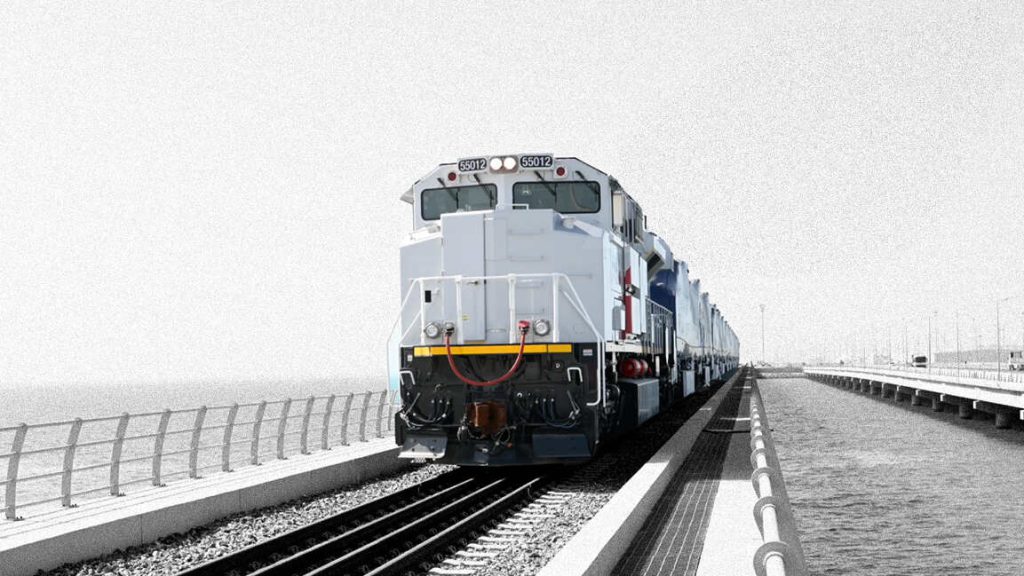
- Upgraded multimodal connectivity linking sea, air, road, and rail with greater efficiency.
- AI-optimized supply chains that predict disruptions before they happen.
- Significantly reduced bureaucracy for cross-border flows through smarter customs integration and paperless processes.
The practical outcomes for your business: Lower demurrage and detention risks, more reliable route options, faster transit times, and better cost predictability. For anyone moving containers through Jebel Ali or partnering with GCC buyers, this means fewer delays, reduced storage fees, and stronger margins.
In my experience, logistics efficiency is often the difference between winning a tender and watching your competitor take it. D33 is turning Dubai into the preferred gateway for high-growth corridors connecting Africa, Latin America, Southeast Asia, and the broader GCC.
Actionable tip: Start mapping your current routes against D33 priorities. Use tools that give you real-time visibility into tariffs, optimal container loading, and multimodal cost comparisons to stay ahead of the curve.
2. Digital Transformation and the Dubai Sandbox
Dubai is transforming itself into a living laboratory for innovation. The Dubai Sandbox gives companies a flexible regulatory environment to test and scale fintech, Web3, AI, blockchain, and tokenized assets in real market conditions.
For traders and businesses, this translates into:
- Easier adoption of digital contracts and e-signatures.
- Secure, faster escrow services that reduce counterparty risk.
- Predictive analytics that help you anticipate market shifts and demand changes.
- A gradual but decisive move away from slow, capital-intensive traditional Letters of Credit (LCs).
This pillar directly addresses one of the biggest pain points I’ve faced in international trade: friction in payments and documentation. By supporting these technologies, D33 is making deals faster, safer, and more accessible — especially for SMEs that previously struggled with traditional banking requirements.
3. Talent, Innovation, and Knowledge Economy
D33 aims to attract over 100,000 high-caliber specialists while nurturing the next generation of unicorn companies. This isn’t just about hiring — it’s about building a dense ecosystem of skilled partners, consultants, tech developers, and industry experts.
Business impact: You gain easier access to top-tier talent for your operations, better local partners for joint ventures, and a growing pool of innovative service providers who understand both global standards and regional nuances.
Whether you need AI specialists for supply chain optimization, compliance experts, or digital marketing professionals focused on GCC markets, the talent pool is deepening rapidly. This makes it far more feasible to scale operations without relocating your entire team.
4. Sustainability and Green Trade
Green logistics, ESG compliance, and renewable energy projects sit at the heart of D33. Early movers who invest in carbon tracking, sustainable shipping practices, and environmentally compliant operations are already seeing advantages in tenders and long-term partnerships.
Why this matters now: Major buyers and government projects increasingly prioritize suppliers who can demonstrate ESG performance. Companies that treat sustainability as a checkbox risk losing ground to those who treat it as a strategic advantage.
Practical advantage: Businesses using intelligent carbon footprint tools and green logistics solutions are positioning themselves for premium contracts and smoother regulatory approvals.
5. Trade Facilitation and FDI Incentives
This pillar focuses on making Dubai the easiest and most attractive place to do business in the region. Key improvements include:
- Faster company setup and licensing processes.
- Competitive tax regimes, especially within free zones.
- Streamlined compliance procedures across customs, visas, and operations.
The goal is clear: remove every unnecessary barrier so capital, talent, and goods can flow with minimal friction. For international traders, this means lower setup costs, quicker market entry, and more predictable regulatory environments.
How These Pillars Work Together
What makes D33 powerful is that these pillars reinforce each other. Better logistics + digital tools + talent + sustainability + facilitation creates a compounding effect that traditional hubs struggle to match. The businesses winning right now are those aligning their operations across all five areas instead of treating them in isolation.
My recommendation after years of experience: Don’t wait for perfect conditions. Start small but strategic. Audit your current processes against these pillars, then implement targeted improvements that deliver quick wins while building toward the bigger picture.
At Platform.Tendify.Net, we’ve built exactly the kind of integrated command center that helps you operationalize these pillars in real time. From AI Market Pulse for trend forecasting and CarbonPro for ESG compliance, to advanced tariff calculators, 3D container optimization, digital document builders, and Sanctions Pro for risk management — these tools are designed for traders who want to move faster in the D33 environment.
The next decade belongs to those who treat D33 not as distant government policy, but as their personal operating system for growth.
How to Position Your Business for D33 Success: Actionable Strategies
Knowledge alone won’t cut it. Here’s what I’ve seen work in practice.
Step 1: Optimize Your Market Entry and Compliance Align with D33 priorities like digital documentation and sustainability. Use HS code tools, duty calculators, and export checklists to minimize delays. Review your Incoterms and contracts for clauses that protect against volatility while leveraging new corridors.
Step 2: Leverage Technology for Efficiency D33 rewards digital players. Integrate AI market pulse tools for sentiment analysis, CRM systems for lead management, and logistics optimizers for container loading. These aren’t nice-to-haves—they’re competitive necessities that cut costs and reveal opportunities others miss.
Step 3: Build Networks in the New Corridors Target the 400+ cities in focus. Attend aligned exhibitions (check calendars for UAE, Saudi, Oman, etc.) and use B2B platforms to connect directly with buyers and suppliers in Africa, Asia, and Latin America.
Step 4: Focus on High-Growth Sectors Prioritize areas D33 amplifies: construction materials, FMCG, energy products, tech services, and green solutions. Analyze demand gaps using trade explorer tools.
Step 5: Manage Risks Proactively With increased volumes come new compliance demands. Stay ahead on sanctions screening, ESG reporting, and payment security (escrow over traditional methods where suitable).
One lesson from my career: Businesses that treat compliance and tech as overhead lose ground. Those who embed them as advantages win bigger contracts and margins.
Real-World Opportunities Created by D33 in 2026
After years of watching policy announcements turn into actual profit centers, I can tell you this: the real money in big government agendas like D33 isn’t made by understanding the vision — it’s made by spotting the specific opportunities it creates and acting on them faster than everyone else.
In 2026, the Dubai Economic Agenda D33 is moving from planning to execution, opening concrete doors for importers, exporters, service providers, and investors. Here are the highest-impact opportunities available right now and exactly how smart operators are already capitalizing on them.
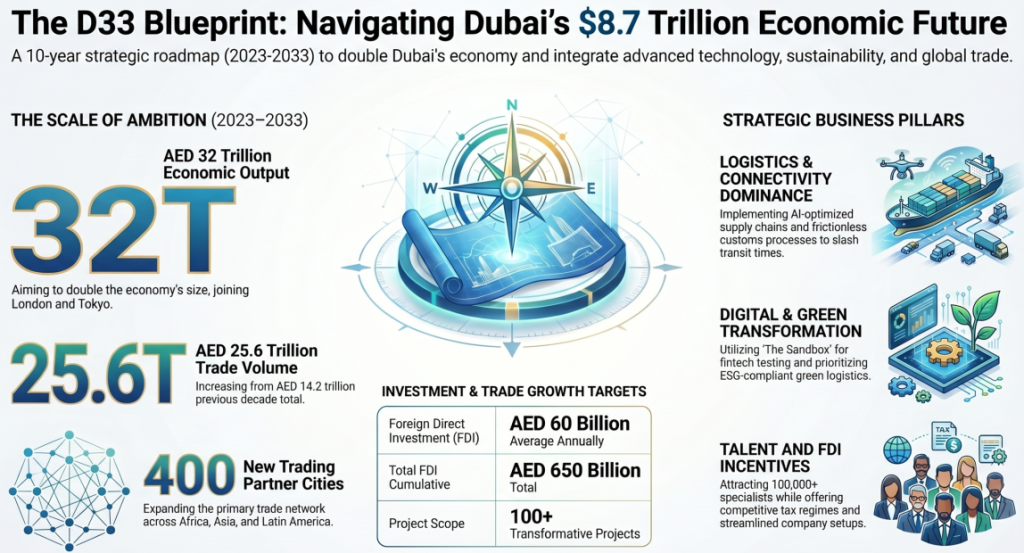
The D33 Blueprint Mastering Dubai’s $8.7 Trillion Economic Future
Re-Export Expansion: Stronger Free Zone Advantages and Faster Transshipment
D33 is doubling down on Dubai’s traditional strength as a global re-export hub while making it significantly more efficient. Enhanced benefits in free zones, faster customs clearances, and improved digital connectivity at Jebel Ali and other ports are reducing turnaround times and lowering costs for transshipment.
Practical impact: Businesses moving goods between Asia, Africa, Europe, and the GCC are seeing lower storage fees, reduced demurrage risks, and quicker market access. If you’re currently routing cargo through Dubai, now is the time to review your setup — many traders are capturing 8-15% better margins simply by optimizing their re-export flows under the new incentives.
Manufacturing and Value-Add: Attractive Incentives for Industrial Setup and Partnerships
D33 offers compelling incentives for companies willing to move beyond pure trading into manufacturing, assembly, or value-added processing inside designated industrial zones. This includes tax advantages, streamlined licensing, and infrastructure support tailored for light manufacturing, food processing, construction materials, and tech assembly.
Smart move: Companies that partner locally or set up small-scale operations are not only cutting duties but also building stronger relationships with GCC buyers who increasingly prefer “made with Dubai” or regionally value-added products. This shift is especially powerful for businesses looking to reduce China+1 risks while staying close to high-demand markets.
Service Exports: Booming Demand for Fintech, Logistics Tech, and Consulting
The push toward a knowledge-based economy is creating explosive demand for high-value services. Fintech solutions, logistics optimization platforms, compliance software, digital trade tools, and specialized consulting are all in high demand.
Businesses offering AI-powered supply chain solutions, digital contract platforms, ESG reporting tools, or market entry advisory services are winning major contracts. D33’s focus on innovation means service exporters who can demonstrate clear ROI are commanding premium pricing and long-term retainers.
Sustainability Plays: Carbon Tracking and Green Certifications Unlock Premium Channels
Green trade is no longer a nice-to-have — it’s becoming a competitive requirement. D33 prioritizes sustainability across logistics, energy, and supply chains. Companies that implement proper carbon footprint tracking, sustainable shipping practices, and recognized ESG certifications are gaining preferred supplier status in government and corporate tenders.
Early-mover advantage: Traders and logistics providers using intelligent carbon management tools are already winning larger contracts and enjoying smoother approvals. In my experience, investing in these capabilities now pays for itself many times over through higher win rates and better pricing power.
Investment Hubs: Easier FDI Pathways and Joint Venture Opportunities
D33 is actively simplifying foreign direct investment processes and encouraging strategic joint ventures. Whether you want to establish a regional headquarters, invest in local projects, or form partnerships with Emirati firms, the pathways are becoming faster and more attractive.
This creates opportunities for equity participation, technology transfers, and long-term market access that go well beyond simple trading relationships. Many businesses are using these channels to secure stable, high-margin positions in the GCC growth story.
The Common Thread: Early Adopters Are Winning Big
The businesses I respect most right now aren’t waiting for 2033 — they’re integrating these opportunities into their 2026 strategy today. They report smoother operations, higher tender win rates, stronger margins, and more resilient supply chains.
The pattern is clear: companies that combine deep understanding of D33 with practical tools and decisive execution are pulling ahead of slower competitors.
How to turn these opportunities into results:
- Audit your current operations against D33 priorities
- Identify one or two areas (re-export optimization, sustainability, or service expansion) where you can gain quick traction
- Deploy the right digital tools to reduce execution risk
The D33 wave is building right now. The question is whether you’ll ride it or watch it pass by.
Common Pitfalls to Avoid
Many overlook the “why” behind D33. It’s not just growth—it’s about creating a resilient, intelligent ecosystem. Don’t:
- Stick to outdated manual processes.
- Ignore digital compliance tools.
- Underestimate the speed of infrastructure rollout.
- Neglect relationship-building in new corridors.
The traders succeeding right now are those treating D33 as their strategic North Star, not a distant policy document.
Tools and Resources to Navigate D33 Effectively
Success requires the right stack. At Platform.Tendify.Net, we’ve built a command center exactly for this environment—unifying the engines you need in one place.
Explore AI Market Pulse for trends, Sanctions Pro for compliance, Free CRM for relationships, CarbonPro for ESG, plus calculators for duties, tariffs, loans, and 3D container optimization. Document builders for proformas and contracts streamline your workflow. These aren’t generic tools—they’re battle-tested for the realities of GCC and global trade under agendas like D33.
Check the exhibition calendars, HS code finder, and trade explorers to stay ahead. The platform turns complex data into actionable insights, saving hours and reducing costly errors.
The Bottom Line: Your Move in the D33 Era
Dubai Economic Agenda D33 represents one of the most decisive shifts in global trade this decade. It’s creating winners who act decisively and leaving others scrambling to catch up.
Whether you’re scaling re-exports, entering new markets, or optimizing existing routes, the advantage goes to those who combine deep understanding of the agenda with practical, integrated tools.
I’ve built my career by betting on hubs and systems that execute at scale. D33 is that bet for the 2030s.
Don’t watch from the sidelines. Position your business today.
Ready to align your operations with D33? Head to Platform.Tendify.Net and explore the full suite of trade engines, calculators, and AI advisors designed for this exact moment. Sign up for free, test the tools that matter most to your flows, and start capturing the opportunities D33 is unlocking right now. Your next major deal could depend on the systems you put in place this quarter.
The future of trade is being built in Dubai. Make sure you’re part of it.