Blog
Hormuz May 2026: The Trader’s Survival Guide to the Jask Escalation

In over two decades scaling export operations through some of the world’s most unpredictable corridors, I’ve learned that the biggest threats often become the sharpest opportunities for those who prepare. As of May 4, 2026, the Strait of Hormuz — the critical chokepoint for roughly 20% of global seaborne oil and significant LNG, fertilizer, and petrochemical flows — sits at the center of escalating tensions. With U.S.-led efforts like Project Freedom attempting to escort stranded vessels and reports of naval incidents near Jask, shipping traffic has plummeted, insurance premiums have skyrocketed, and Brent crude has surged above $108 per barrel.

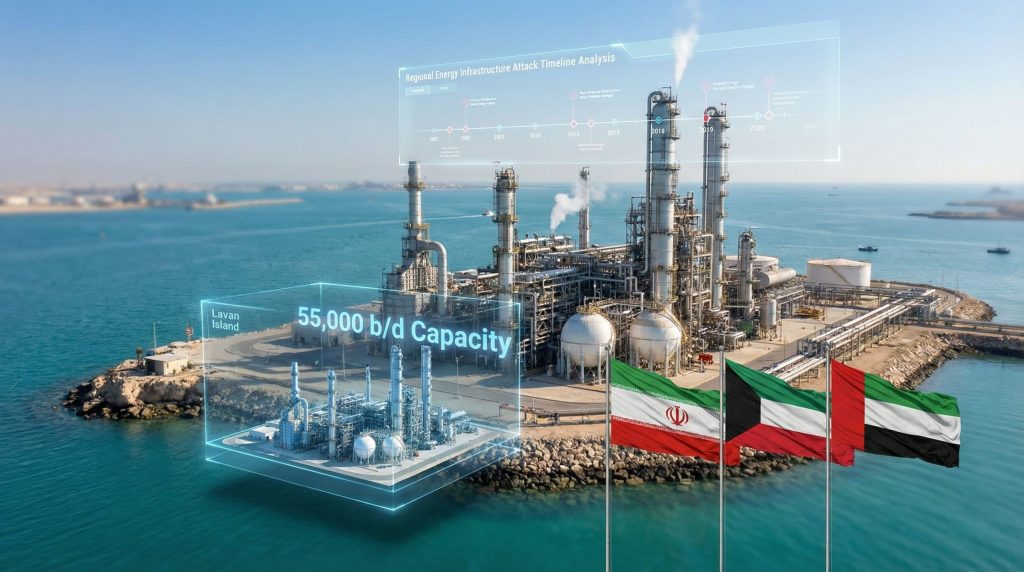
Hormuz May 2026
This isn’t just another headline. For B2B traders, importers, and exporters moving goods across the GCC, Iran corridor, and beyond, it’s a live stress test of resilience. In this comprehensive guide, I’ll break down exactly what’s happening, why it matters to your bottom line, and — most importantly — the actionable strategies that separate survivors from those caught off guard. Whether you’re shipping construction materials, bulk commodities, or machinery, these insights come from real-world execution in volatile markets.
The Poland Corridor: A Strategic Guide to Import-Export Opportunities
Why the Strait of Hormuz Remains the World’s Most Critical Trade Artery
The Strait of Hormuz is not merely a geographic point; it is the central nervous system of global energy and commodity trade. This narrow waterway, separating Iran and Oman, facilitates an immense volume of critical cargo that sustains the industrial heartbeats of Asia and Europe.

Strait of Hormuz
In the high-stakes environment of May 2026, disruptions here are never “localized.” They function as systemic shocks that trigger a domino effect across global supply chains—inflating freight costs, forcing emergency rerouting, and reshaping global sourcing strategies within hours of a naval incident.
Key Facts on Hormuz Dependency (2026 Strategic Context):
Global Energy Dominance: Roughly 20-25% of all seaborne crude oil and petroleum products pass through this corridor. Any friction here creates an immediate “Risk Premium” on global Brent prices, as we’ve seen with the recent surge past $108 per barrel.
The LNG Lifeblood: Qatar’s massive LNG exports—essential for the energy security of India, Japan, and the EU—are almost entirely dependent on this exit point. A closure doesn’t just raise prices; it threatens total industrial shutdowns in energy-dependent markets.
Industrial and Agricultural Feedstocks: Beyond energy, the Strait is a primary conduit for nitrogenous fertilizers, DAP, and petrochemicals. For the agricultural sectors of the subcontinent, a delay in these shipments directly translates into higher food inflation and supply shortages months down the line.
The Inadequacy of Alternatives: While pipelines (like the East-West Pipeline in Saudi Arabia or Abu Dhabi’s Habshan-Fujairah line) and overland corridors exist, they collectively handle less than 30% of the Strait’s total capacity. These alternatives are often already at peak utilization, and pivoting to them adds significant lead time and “congestion surcharges.”
The Operational Cost of Tension
When geopolitical friction spikes—characterized by recent blockades, naval escort operations like Project Freedom, or incidents near Jask—the economic impact on a B2B trader is immediate and measurable:
Insurance Hyper-Inflation: “War-Risk” premiums are no longer a minor line item. We are seeing spikes of 200-500%, making traditional maritime contracts near-obsolete for low-margin commodities.
The Jebel Ali Congestion Ripple: For traders reliant on major hubs like Jebel Ali, maritime insecurity leads to vessel bunching and stranded cargo. This creates a “Liquidity Trap” where your capital is literally stuck at sea.
The Delivery Timeline Crisis: Rerouting around the Cape of Good Hope or using multimodal land-bridges can add 10 to 15 days to a standard transit, triggering late-delivery penalties and damaging long-term buyer relationships.
The 2026 Advantage: Intelligence over Instinct
I’ve navigated these shocks for over two decades, but the landscape in 2026 is fundamentally different. The gap between survivors and the sidelined is no longer just about “size”—it’s about Digital Agility.
Today, while the Strait remains a physical bottleneck, diversified networks and AI-powered trade tools allow prepared businesses to pivot their logistics architecture in real-time. The goal isn’t just to avoid the crisis; it’s to use superior data to move while your competitors are still waiting for the next headline.
Immediate Impacts on Global and Regional Trade
The current escalation in the Strait of Hormuz has moved beyond a geopolitical event; it has evolved into a systemic economic stress test. As of May 2026, we are witnessing a “perfect storm” of challenges that are forcing a radical re-evaluation of regional P&L structures.

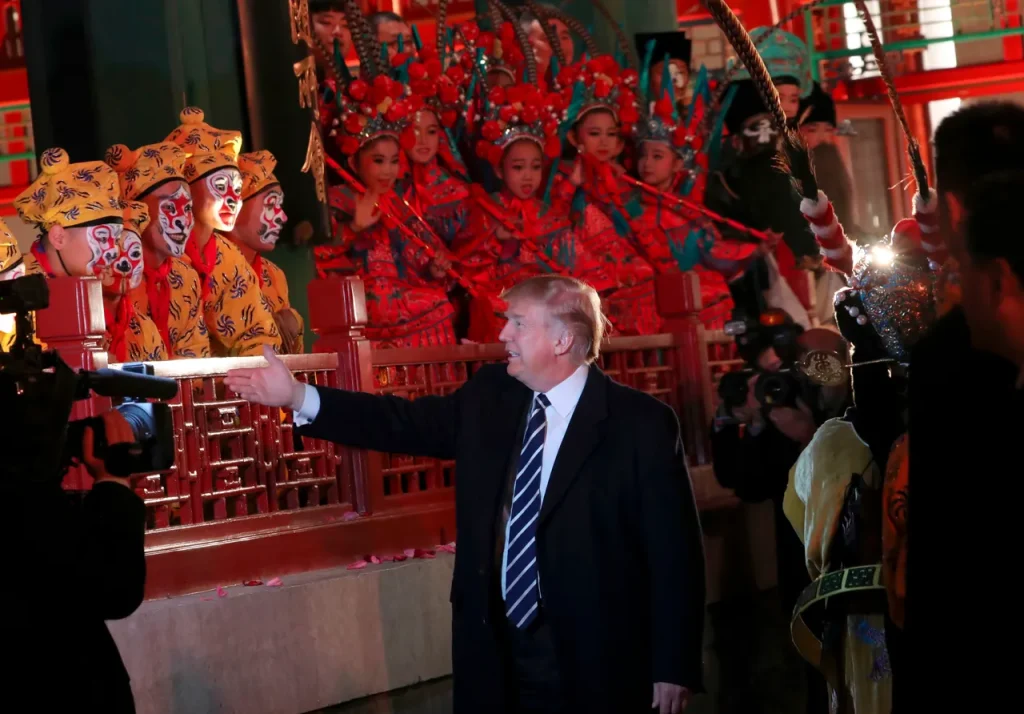
Trump Project Freedom
1. Energy and Commodity Price Volatility: The Fuel Surcharge Spiral
When oil prices surge past $108/barrel, the impact is not confined to the pump.
The Bunker Effect: Oil spikes directly inflate Bunker Adjustment Factors (BAF). For a B2B trader, this means sea freight rates are escalating across all routes, not just those through the Gulf.
Downstream Paralysis: Petrochemical and fertilizer exports are facing critical bottlenecks. In 2026, a 10-day delay in fertilizer shipments from the GCC triggers a cascading crisis for Asian agriculture, leading to spiked input costs and renegotiated food export contracts.
2. The Logistics and Insurance Crisis: A Prohibitive Cost Environment
Traditional maritime routing has become a high-stakes financial gamble.
War-Risk Hyper-inflation: Premiums have moved from a minor overhead to a deal-breaker. In certain risk zones, “War-Risk” surcharges have rendered low-margin bulk trade via traditional Gulf routes mathematically impossible.
Operational Gridlock: Major hubs like Jebel Ali are experiencing “vessel bunching” and severe yard congestion. While overland alternatives through Oman (Duqm/Salalah) or Saudi (East-West land bridge) exist, they are currently being stressed at 120% capacity, leading to unprecedented transit surcharges and equipment shortages.
3. Cascading Disruptions for Non-Energy Goods
A common misconception is that “non-oil” cargo is safe. The reality is far more complex.
The Container Bottleneck: Container shipping, Ro-Ro (Roll-on/Roll-off), and bulk carriers are facing “cascading delays.” When one vessel is rerouted or delayed, the entire schedule for the next three ports is compromised.
The Demurrage Trap: We are seeing a massive spike in Demurrage and Detention (D&D) fees. Traders who lack flexible force majeure clauses are finding their profits erased by port-side penalties beyond their control.
4. Currency, Payment, and GCC Macro-Risks
Geopolitical instability doesn’t just block ships; it blocks capital.
Economic Cooling: Fluctuating oil revenues and high defense spending are impacting the fiscal liquidity of GCC economies.
The Hedging Necessity: Currency volatility is making FX hedging essential. Traders who haven’t locked in their Rupee-Dirham-Dollar rates are seeing their margins evaporate before the cargo even arrives.
5. Digital Finance & Liquidity: The Rise of DeFi Trade Settlement
The most significant shift in 2026 is how smart operators are bypassing traditional banking bottlenecks.
Bypassing the “Frozen” Corridor: Traditional banking corridors often slow down or freeze during naval escalations as compliance departments over-correct.
The Stablecoin Solution: Smart traders are now integrating DeFi (Decentralized Finance) and Stablecoin settlements (USDT/USDC) for instant cross-border liquidity.
Operational Continuity: By utilizing blockchain-based payments, you ensure that even if a traditional Letter of Credit (LC) is stuck in a compliance review, your suppliers are paid, and your goods are released—maintaining a flow of trade that is “decoupled” from regional banking anxiety.
Expert’s Note: “In my twenty years of trade, I’ve learned that panic is a cost, but audit is an investment. The businesses thriving today are not the luckiest; they are the ones who treated these disruptions as a signal to move their finance and logistics into the 21st century.”
Risk Assessment Framework: Evaluate Your Exposure Now
In a volatile corridor, intuition is a liability; data is your only hedge. Before initiating a strategic pivot, you must conduct a cold, objective audit of your current trade architecture. Below is the “Operational Resilience Checklist” I deploy within my own firms to identify hidden vulnerabilities.
1. Route Dependency & The “Hormuz Concentration” Ratio
The Audit: Calculate the exact percentage of your TEU (Twenty-foot Equivalent Unit) volume or bulk tonnage that physically transits the Strait of Hormuz.
The Threshold: If your dependency exceeds 40%, you are not just trading; you are gambling on regional stability. You must identify “Pressure Relief” routes (e.g., Oman-Saudi land bridges or North-South Corridors) immediately.

Hormuz Concentration
2. Commodity Sensitivity & Elasticity
The Audit: Categorize your cargo. Are you moving “High-Sensitivity” goods like DAP/Fertilizers, Energy, or Perishables?
The Impact: These commodities face non-linear price spikes during naval escalations. If your product has low price elasticity, you must secure Fixed-Freight Agreements now to prevent your margins from being cannibalized by surcharges.
3. Legal & Contractual Fortification
The Audit: Conduct a deep-dive review of your Incoterms and Force Majeure clauses.
The Vulnerability: Many standard contracts in 2026 do not explicitly cover “naval escort delays” or “cyber-kinetic maritime disruptions.”
Payment Security: Evaluate your reliance on traditional LCs versus Platform-Based Escrow. In a crisis, liquidity is king; don’t let your capital get locked in a compliance-heavy banking bottleneck.
4. Insurance Gap Analysis
The Audit: Verify that your “War-Risk” and “Delay-in-Transit” provisions are not just active, but adequately funded for 2026 premiums.
The Detail: Ensure your coverage includes “Seizure & Detainment” and “Diversion Expenses.” Standard hull or cargo insurance is often insufficient when ships are rerouted around the Cape of Good Hope or diverted to Duqm.
5. Network Concentration Risk
The Audit: Map your supplier and buyer density.
The Risk: If 80% of your sourcing comes from a single port zone (e.g., Jebel Ali or Bandar Abbas), a localized blockade is a total business stoppage. You need a “Geographic Hedge”—a secondary network of verified partners in alternative hubs.
Pro-Tactical Tip: “Information decay is your biggest enemy. Do not rely on static spreadsheets. Use Tendify’s AI-powered Trade Calculators and HS Code Analytics to run ‘What-If’ simulations in real-time. By modeling a 200% insurance spike or a 12-day delay today, you can price your contracts for the reality of tomorrow.”
Proven Strategies to Mitigate Risks and Stay Profitable
Here’s what actually works on the ground — not theory.
1. Diversify Sourcing and Routing Aggressively
- Shift to alternative suppliers outside the immediate Gulf chokepoint (e.g., exploring opportunities via Pakistani ports, Turkey-Iraq corridors, or farther afield).
- Activate multimodal options: Combine sea with road/rail where pipelines or overland links can bypass bottlenecks.
- Example: Many traders are rerouting via Jebel Ali alternatives or accelerating use of corridors like North-South for certain bulk moves.
Internal link suggestion: Check our guide on Pakistani Ports vs Jebel Ali: The 2026 Trade Shift for detailed comparisons.
2. Strengthen Payment and Contract Security
- Move away from traditional Letters of Credit toward escrow services or platform-based trust accounts that reduce exposure.
- Build in flexible clauses for delays, price adjustments, and alternative delivery points.
- Our ProTrade Contract tool on the platform helps generate robust, region-specific agreements quickly.
3. Leverage Technology for Real-Time Visibility
Modern trade demands data. AI-powered market pulse tools, container optimization, and tariff calculators cut through uncertainty.
Head to Platform.Tendify.Net — it’s packed with live utilities like duty calculators, HS Code search, 3D container loaders, and compliance checkers that save hours (and thousands) during volatile periods. Traders using these see faster pivots and lower error rates.
4. Build Resilient Networks and Compliance Muscle
- Verify partners rigorously. Use B2B marketplaces with identity checks.
- Stay ahead of sanctions, ESG, and customs changes with up-to-date checklists.
- Network digitally: Platforms facilitate direct connections that bypass traditional gatekeepers.
Related reading: Mastering Digital Networking for B2B Success in Gulf Markets — essential for maintaining relationships when physical travel is risky.
5. Capitalize on Arbitrage and Emerging Opportunities
Disruptions create gaps. Look for:
- Increased demand for alternative energy/logistics routes.
- Investment plays in reconstruction or new infrastructure.
- Niche exports to markets pivoting away from disrupted supplies.
We’ve seen savvy operators capture margins by acting decisively on tools like Arbitrage Hunter available in the Tendify ecosystem.
6. Implement AI-Driven Predictive Logistics
In 2026, reacting to a blockage is too late. Leveraging AI engines to analyze satellite imagery, naval transponders, and geopolitical sentiment allows you to predict congestion before it manifests physically. By using Tendify’s AI Pulse, traders can receive early-warning signals that trigger automated rerouting protocols, ensuring your cargo stays moving while others are still analyzing the news
Long-Term Playbook: Building Antifragile Trade Operations
Short-term survival is table stakes. Winners build systems that get stronger under pressure:
- Single Source of Truth: Integrate data across CRM, logistics, and compliance (free CRM options help here).
- Scenario Planning: Regularly model “what if” disruptions using your platform tools.
- Sustainability Edge: Green logistics and ESG compliance increasingly win contracts in the GCC.
- Continuous Learning: Document SOPs and workflows so your team executes flawlessly under stress.
- Maintain a Crisis Communication Command Center: Volatility creates anxiety for your buyers. Use automated tracking and transparent reporting tools to give your clients real-time updates. Proactive communication — supported by data from the Tendify platform — transforms a delay from a ‘failure’ into a ‘managed event,’ preserving your long-term reputation.
The companies I respect most treat volatility as a feature, not a bug — they use it to stress-test and upgrade.
Case Studies from Real Operations
In past shocks, firms that diversified early and used digital platforms maintained 80-90% on-time performance while others dropped to under 50%. One industrial machinery exporter I advised shifted 40% of their volume from Hormuz to the Oman-Saudi Land Bridge within 72 hours of the Jask incident. By using our 3D Container Loader, they optimized the new truck-based route to carry 15% more cargo per trip, completely offsetting the higher road-freight costs.
Another used container optimization tools to maximize loads and cut per-unit costs enough to absorb insurance hikes.
These aren’t lucky breaks — they’re repeatable processes available to anyone who acts.
The 24-Hour Action Checklist:
[ ]Scan your current Bill of Ladings for ‘Hormuz-Dependent’ clauses.
[ ]Run a 200% insurance premium simulation in the Tendify Duty Calculator.
[ ]Identify two alternative ‘Green Channel’ partners on Platform.Tendify.Net.
[ ]Review Force Majeure terms in your existing Proforma Invoices.
Tools and Resources on Platform.Tendify.Net
The Tendify Command Center brings together everything needed in one secure environment: AI engines for market sentiment, compliance monitors, document builders, calculators for duties/tariffs/Incoterms, and direct connections to verified buyers and suppliers.
Whether you need to generate a proforma, optimize a 40ft container, or find HS codes under pressure, these tools are battle-tested for exactly these scenarios. Logging in gives you an edge that paper-based or fragmented systems simply can’t match. It’s where serious traders consolidate operations and reduce friction.
The Bottom Line: Turn Crisis into Competitive Advantage
The Hormuz situation on May 4, 2026, and ongoing developments remind us that global trade has always involved calculated risks. Those who panic lose ground. Those who prepare — diversifying routes, securing payments, leveraging technology, and building strong networks — emerge stronger.
I’ve built my career on this principle: understand the “why” behind disruptions, then execute the “how” with discipline and the right tools.
Don’t wait for the next headline. Audit your exposure today, test alternative routes, and integrate platforms that give you real-time control.
Ready to future-proof your trade operations? Join thousands of serious B2B traders already using the platform. Head to Platform.Tendify.Net now, explore the full suite of AI engines, calculators, and verified networks, and position your business to not just survive — but thrive — through whatever comes next in these dynamic markets.
Your next profitable move starts with decisive action. Let’s build resilient trade together.