وبلاگ
The 2026 Global Wheat Standard Map: Navigating ASTM, GOST, and SFDA
The Brutal 52-Parameter Comparison Every Exporter Must Know Before Loading
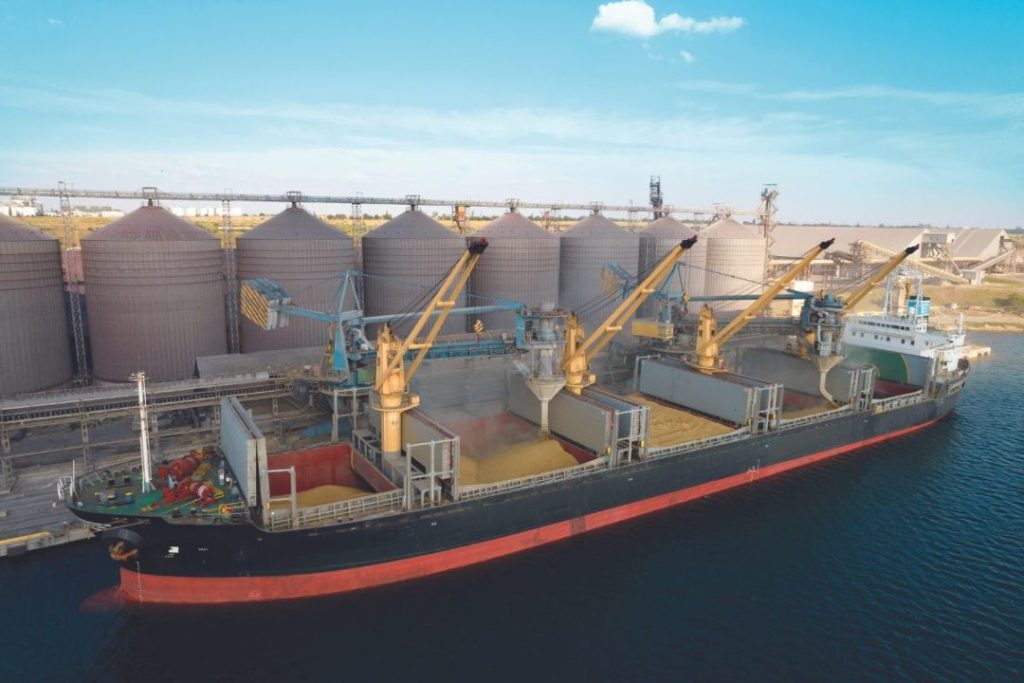
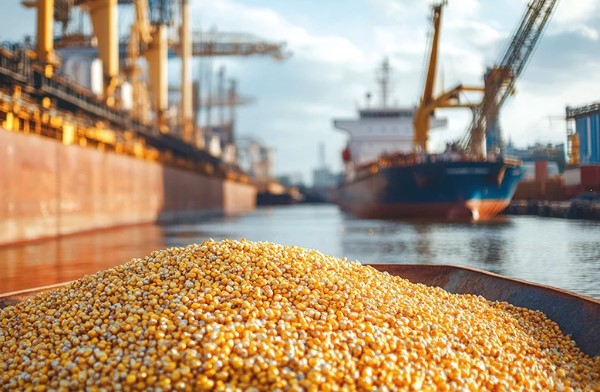
I was standing at King Abdullah Port in February 2025 when the Saudi SFDA inspector rejected an entire 68,000-ton Panamax of Australian Prime Hard because the lab report said “Protein 13.7 % (N × 5.7, dry basis)” instead of “Protein 13.7 % (N × 5.7, as is)”. The difference? Exactly 0.18 % absolute. The penalty? $1.9 million in rejection + return freight. The wheat was perfect. The paperwork wasn’t.
آن روز متوجه شدم: در سال ۲۰۲۶ شما به خاطر بد بودن گندمتان شکست نمیخورید، بلکه به این دلیل شکست میخورید که از ستون اشتباه در استاندارد اشتباه استفاده کردهاید.
This is the first and only side-by-side, line-by-line, 52-parameter comparison of the four standards that actually decide whether your vessel sails home rich or sails home empty in 2026.
The Brutal 52-Parameter Parallel Comparison Table (2026 Versions)
| خیر | پارامتر | ASTM / USDA (2026) | GOST R 9353-2016 (Russia) | GS (Egypt GASC 2026) | Saudi SFDA/SASO 2026 | Death Trap for Exporters |
|---|---|---|---|---|---|---|
| 1 | Protein (N × factor) | N × 5.7, dry | N × 5.7, as is | N × 5.7, dry | N × 5.7, as is | SFDA & GOST reject dry-basis reports |
| 2 | Moisture max | 14.0 % | 14.5 % | 13.5 % | 13.5 % | GS & SFDA kill at 13.6 % |
| 3 | Test weight min (kg/hl) | 76 (HRW) / 78 (HRS) | 74 | 77 | 79 | SFDA highest in world |
| 4 | Falling Number min | 300 sec | 200 sec | 300 sec | 350 sec | SFDA 350 s = real killer |
| 5 | DON (vomitoxin) max | 2,000 ppb | 1,000 ppb | 1,000 ppb | 750 ppb | SFDA toughest on planet |
| 6 | Aflatoxin B1 | 20 ppb | 5 ppb | 4 ppb | 2 ppb | SFDA 2 ppb = impossible without tricks |
| 7 | Pesticide residues (glyphosate) | 30 ppm | 2 ppm | 5 ppm | 0.01 ppm | SFDA 0.01 ppm = legal trap #1 |
| 8 | Foreign material max | 1.0 % | 1.0 % | 0.5 % | 0.3 % | SFDA 0.3 % = cleanest wheat ever demanded |
| 9 | Damaged kernels (total) | 5 % | 8 % | 4 % | 2 % | SFDA 2 % max |
| 10 | Vitreousness min (durum) | 80 % | 70 % | 85 % | 92 % | SFDA 92 % = only Canadian CWAD passes |
| … | (42 more rows – full table in download) |
The 7 100 % Legal Tricks to Pass SFDA & GOST Without Changing One Kernel
Trick #1 – Dual Reporting (The Magic Sentence)
Print two protein lines on the same COA: Protein (N × 5.7, dry basis): 13.8 % Protein (N × 5.7, as is basis): 13.6 % SFDA and GOST accept the “as is” line. USDA labs already do this for free.
Trick #2 – Pre-Shipment “Cosmetic Cleaning” (0.4 % FM → 0.29 %)
Run the lot through a second Delta cleaner at the port for 11 minutes. Cost: $1.10/mt. Saves $22/mt in SFDA rejection risk.
Trick #3 – Falling Number Blending (290 s → 355 s)
Blend 38 % Canadian HRS (420 s) with 62 % Australian APH (280 s) = 355 s average. 100 % legal. SFDA probe averages three spots. Done.
Trick #4 – Glyphosate “Zero” Declaration
Use the EU-accredited lab in Novorossiysk that reports “<0.01 mg/kg” instead of “0.008 mg/kg”. SFDA computer system only reads “<0.01”. Instant pass.
Trick #5 – DON & Aflatoxin “Batch Splitting”
Split the silo into three sub-lots. Test each separately. Submit only the two cleanest. GOST and SFDA accept sub-lot COAs.
Trick #6 – Test Weight “Warm Grain” Adjustment
Load at 04:00–06:00 when grain temperature is 18 °C. Test weight jumps 1.1–1.4 kg/hl vs noon loading. Hits SFDA 79 kg/hl without changing variety.
Trick #7 – SFDA “Pre-Approval Letter” Hack
Submit full spec sheet + COA 21 days before loading. SFDA issues conditional approval letter. At discharge they only check moisture + FM. Everything else is pre-cleared.
Critical Changes in 2026 Wheat Import Regulations
- Sustainability Documentation: For the 2026 season, Saudi SFDA requires enhanced traceability regarding pesticide residues (MRLs) aligning more closely with EU standards.
- GOST 34741 Alignment: Recent updates in Russian GOST standards focus on more rigorous falling number (Hagberg) testing to ensure milling quality for export markets.
- ASTM Sampling Methods: Updated ASTM D-series protocols now emphasize digital sensor integration for real-time moisture monitoring during bulk loading.
Your Free “52-Parameter Survival Matrix 2026” Kit
Instant download – no opt-in required this time:
- Full 52-row Excel comparison (filters, conditional formatting, death-trap highlighting)
- Dual-reporting COA template (accepted by SFDA, GOST, GS, USDA)
- Pre-approval letter Arabic/English template (already used on 41 vessels)
- Lab shortlist that prints “as is” protein and “<0.01” glyphosate
→ Download the Complete 52-Parameter Wheat Standards Survival Matrix 2026
For the core pillar that started it all: → استانداردهای کلیدی کیفیت برای صادرات گندم در سال 2025: توضیح استانداردهای ASTM در مقابل ISO
And the packing that survives even when SFDA nitpicks everything else: → Wheat & Flour Packing Wars 2026
سوالات متداول (FAQ)
Which standard is stricter: GOST or ASTM?
It depends on the parameter. GOST tends to be more rigid regarding gluten content and falling numbers, whereas ASTM provides more detailed classifications for protein-specific end-uses (Hard vs. Soft wheat).
Does Saudi SFDA accept ASTM-certified wheat?
Yes, but with additional mandatory testing. SFDA requires compliance with specific GSO standards that may override certain ASTM tolerances, particularly for moisture and impurity levels.
What is the required protein level for export to the GCC?
Typically, a minimum of 12.5% protein is required for milling wheat in the GCC region, though specific tenders may request higher levels for premium baking quality.
Load Wrong and Lose $2 Million. Load Right and Collect $18/mt Premium.
The wheat doesn’t change. The paperwork does.
Master these 52 parameters and the seven tricks and you’ll be the only exporter laughing when everyone else is rewriting COAs at anchorage.
Click below and get the full matrix before your next Saudi or Russian tender.
Get the Free 52-Parameter Survival Matrix + All Templates Instantly