وبلاگ
Fumigation Secrets: Exact Phosphine Dosage to Pass Phytosanitary Inspections
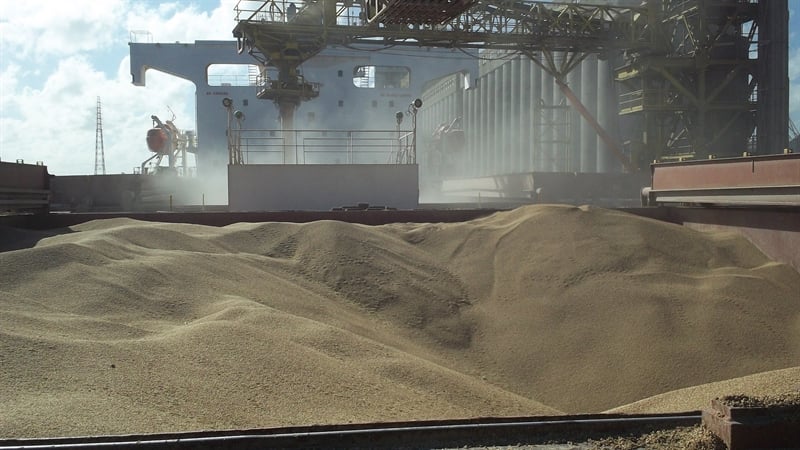
من بیش از چهار دهه در تجارت صادرات غلات بودهام و همه چیز را از منبعیابی از مزرعه گرفته تا بارگیری کشتیهای فلهبر عظیم به مقصد بنادر سراسر جهان، مدیریت کردهام. یکی از بزرگترین سردردهایی که با آن مواجه بودهام - و به افراد بیشماری کمک کردهام تا بر آن غلبه کنند - اطمینان از ترخیص محمولههای گندم فله بوده است. بازرسیهای بهداشت گیاهی بدون تأخیر، رد شدن یا سمپاشیهای پرهزینه. هیچ چیز سریعتر از حشرات زندهای که هنگام تخلیه شناسایی میشوند، مانع از انجام معامله نمیشود.
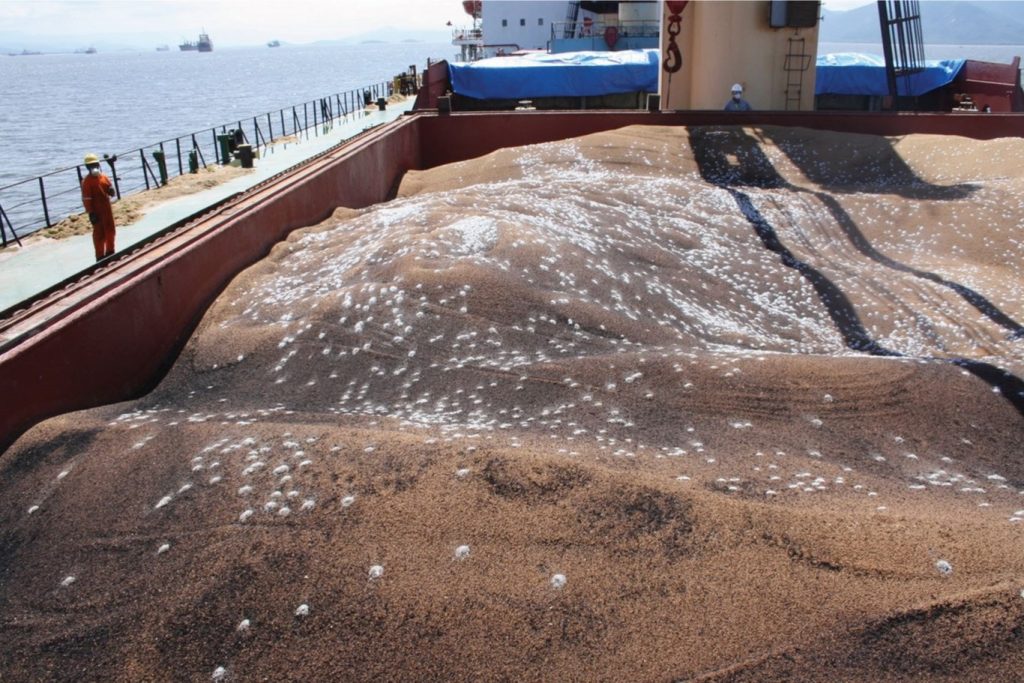
Aluminum Phosphide Dosage on Bulk Wheat Shipments
سلاح مخفی؟ بخور فسفین درست انجام شود. این روش قابل اعتمادترین و پذیرفتهشدهترین روش برای ضدعفونی گندم فله در انبارهای کشتی است. اما حقیقت این است: بسیاری از صادرکنندگان اشتباه میکنند زیرا دوز را کم مصرف میکنند یا زمان قرار گرفتن در معرض آفتکش را کوتاه میکنند که منجر به شکست میشود. من شاهد بودهام که محمولهها هفتهها معطل ماندهاند و هزینههای معطلی را متحمل شدهاند که سود را از بین میبرد.
در این راهنما، موارد زیر را به اشتراک میگذارم پروتکلهای دقیق دوز و مدت زمان مصرف فسفین که به طور مداوم محمولههای من - و محمولههای شرکایی که به آنها مشاوره دادهام - را در اولین بازرسی تأیید کردهاند. این موارد بر اساس تجربیات دنیای واقعی و با پشتیبانی دستورالعملهای USDA، FAO و استانداردهای صنعتی است. ما توضیح خواهیم داد که چرا این جزئیات کار میکنند، چگونه میتوان آنها را بدون نقص اجرا کرد و از چه مشکلاتی باید اجتناب کرد.
The Poland Corridor: A Strategic Guide to Import-Export Opportunities
📊 Phosphine Dosage Quick Reference Table
Based on international phytosanitary standards, use this table as a baseline before adjusting for your specific hold conditions:
| محدوده دما | Dosage (g/m³) | Exposure Period |
|---|---|---|
| 15°C – 25°C | 1.5 – 2.0 grams | 7 Days |
| 25°C – 35°C | 1.0 – 1.5 grams | 5 Days |
| Below 15°C | Not Recommended: PH3 absorption is too slow; seek alternative gas. | |
چرا فسفین بهترین سم تدخینی برای صادرات عمده گندم است؟
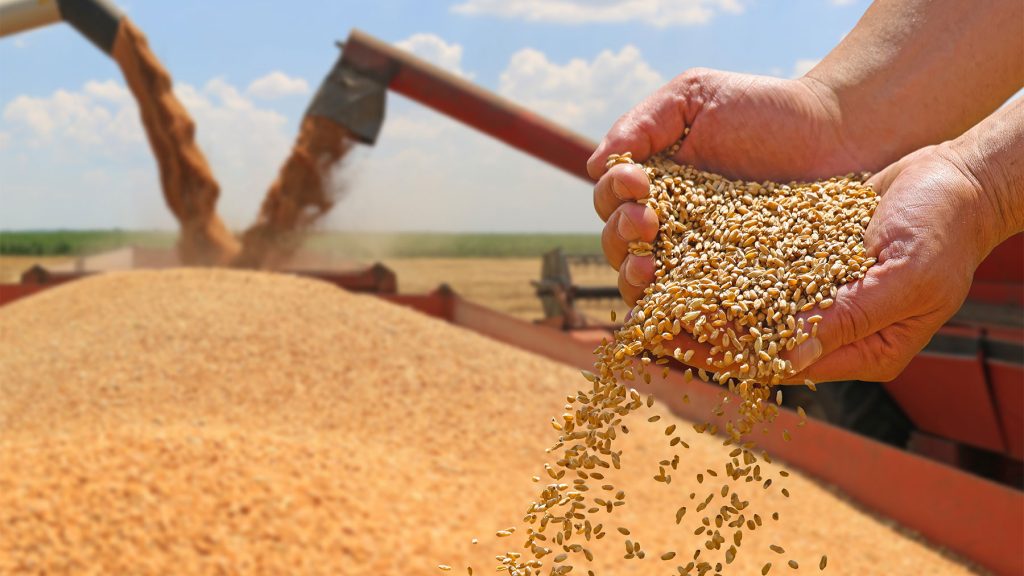
فسفین (تولید شده از فسفید آلومینیوم) به عمق غلات نفوذ میکند و تمام مراحل زندگی آفات رایج مانند شپشکها، کرمهای سوراخکننده و سوسکها را از بین میبرد. برخلاف جایگزینها، پس از هوادهی مناسب، عاری از هرگونه باقیمانده است و برای صدور گواهینامه بهداشت گیاهی در سطح جهانی پذیرفته شده است.
مزایای کلیدی:
- موثر در برابر گونههای مقاوم وقتی به درستی دوز بندی شود.
- بدون تاثیر بر کیفیت گندم- جوانهزنی، خواص پخت یا ارزش غذایی دستنخورده باقی میمانند.
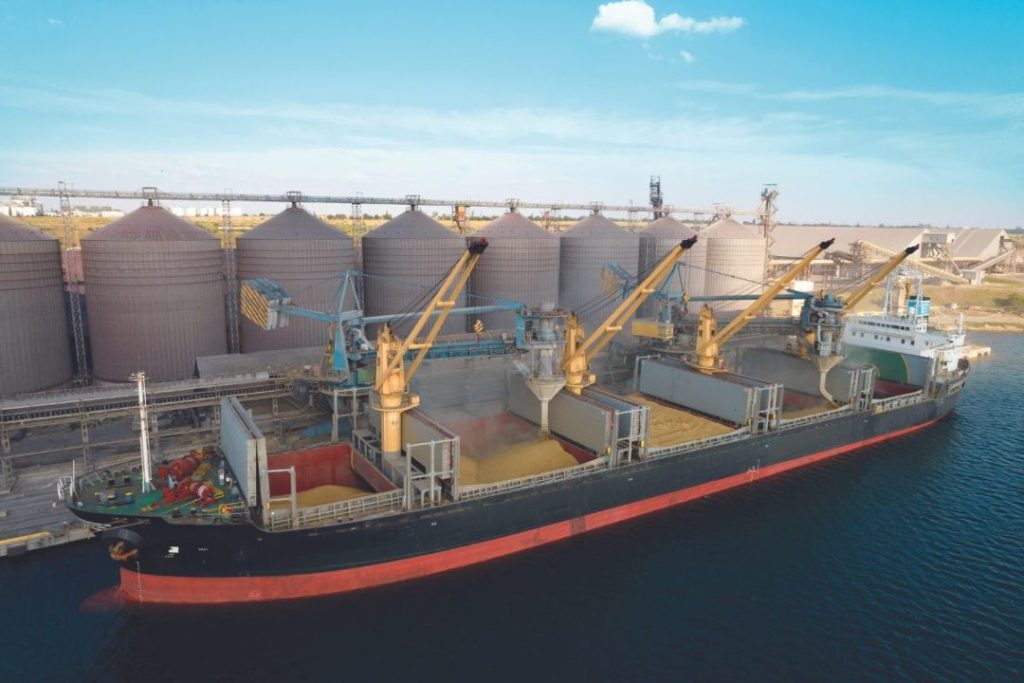
- مقرون به صرفه برای حجمهای بزرگ مانند انبارهای کشتی (۲۰،۰۰۰ تا ۶۰،۰۰۰ تن گندم رایج).
دادهها این را تأیید میکنند: مطالعات منابعی مانند FAO و USDA نشان میدهد که فسفین در صورت رعایت فرمولهای غلظت-زمان (CT)، به میزان 100% مرگ و میر میرسد. به عنوان مثال، حفظ غلظت 200 تا 300 ppm به مدت 7 تا 10 روز، حتی تخمها و شفیرههای مقاوم را نیز از بین میبرد.
اما کمکاری منجر به زنده ماندن میشود. من با کرمهای غلات کماهمیتتری برخورد کردهام که درمانهای کمدوز را نادیده میگرفتند - تا اینکه پروتکل مناسب را تنظیم کردیم.
درک دوز فسفین: اصول اولیه
دوز بر اساس محاسبه میشود حجم انبار کشتی, نه فقط تناژ گندم، زیرا گاز فسفین کل فضا را پر کرده است.
محصولات استاندارد فسفید آلومینیوم:
- قرصها: هر کدام ۳ گرم، ۱ گرم فسفین آزاد میکنند.
- گلولهها: هر کدام ۰.۶ گرم، ۰.۲ گرم فسفین آزاد میکنند.
دوز توصیه شده برای گندم فله در انبارهای کشتی:
- ۱.۵ تا ۳ گرم فسفین در هر متر مکعب (m³) از حجم مخزن.
- این به معنای تقریباً ۲ تا ۴ قرص در هر تن گندم است، اما همیشه برای دقت بیشتر، حجم نگهداری را بررسی کنید.
برای بخور دادن در حین حمل و نقل (که برای صادرات گندم رایج است):
- پروتکلهای USDA/FGIS امکان استفاده در حین بارگیری را فراهم میکنند و برای توزیع یکنواخت، امکان گردش مجدد وجود دارد.
- هدف: دستیابی به غلظت ۲۰۰ تا ۷۰۰ ppm، که در طول مدت سفر دریایی حفظ شود.
مقدار مصرف فسفین در محمولههای فلهای گندم
انتهای بالاتر محدوده برای دماهای پایینتر (<20°C) یا مقاومت شناخته شده.
| عامل | دوز پایین (۱.۵ تا ۲ گرم بر متر مکعب) | دوز استاندارد (۲-۳ گرم بر متر مکعب) | دوز بالا (بیش از ۳ گرم بر متر مکعب، حداکثر مقدار روی برچسب) |
|---|---|---|---|
| دما | >25 درجه سانتیگراد | ۱۵ تا ۲۵ درجه سانتیگراد | کمتر از ۱۵ درجه سانتیگراد یا آلودگی شدید |
| زمان نوردهی مورد نیاز | ۷ تا ۱۰ روز | ۱۰ تا ۱۴ روز | ۱۴ تا ۲۱ روز |
| مرگ و میر آفات RaWte | ۹۵–۹۸۱TP3T (تخمها ممکن است زنده بمانند) | ۹۹–۱۰۰۱TP3T | سویههای مقاوم به درمان ۱۰۰۱TP3T |
| خطر از دست دادن گاز | کم در محفظههای مهر و موم شده | متوسط | بالا اگر آببندی ضعیف باشد |
نقش حیاتی مدت زمان مواجهه
In the world of bulk commodity trade, Phosphine (PH3) is often misunderstood as a “fast-acting” poison. In reality, Phosphine is a slow-acting fumigant that requires a sustained, lethal concentration to penetrate the entire life cycle of a pest—from eggs and larvae to pupae and adults. Shortcutting the exposure time is the leading cause of “re-infestation” during transit.
Proven Exposure Durations for Bulk Wheat
Based on global maritime standards and my personal experience with international shipments, here are the three main duration profiles:
The Minimum Protocol (Fast-Track): 7 days at 300+ ppm. * وضعیت: Only recommended for high-temperature grain (above 25°C) where insect metabolism is rapid.
The Standard Commercial Protocol: 10 days at 200–300 ppm. * وضعیت: This is the “sweet spot” for most standard grain exports, providing a high safety margin for moisture variations.
The Guaranteed Phytosanitary Protocol: 10–14 days at >200 ppm. * وضعیت: Use this when shipping to high-scrutiny markets (like the EU, Australia, or GCC). This ensures that even the most resilient stages, like the eggs of the Sitophilus oryzae, are fully eradicated.
Understanding the CT Product (Concentration × Time)
To guarantee a pass, we don’t just look at the ppm; we look at the CT Product. If your concentration is lower, you must extend the time. For instance, according to FAO guidelines, maintaining a terminal concentration of 500–600 ppm for 7–10 days is the gold standard for controlling major pests like the Rice Weevil (Sitophilus oryzae) and the Lesser Grain Borer (Rhyzopertha dominica).
Leveraging Voyage Time for Natural Exposure
One of the strategic advantages of ship hold fumigation is the voyage itself.
Long-Haul Routes: For shipments traveling 14–21 days (e.g., from the Black Sea to Asia or the Middle East), the voyage provides a perfect “natural incubation” period for the fumigant.
Short-Haul Routes: If the transit is less than 7 days, you cannot rely on the voyage. In these cases, I always recommend pre-loading fumigation in silos or port warehouses to ensure the clock has already started before the ship sails.
Personal Case Study: The 21-Day Safety Margin
On several occasions involving “suspect loads”—where the initial grain source showed high infestation levels—I have advised extending the exposure to ۲۱ روز.
The Result: Despite the initial high risk, we achieved zero failures and zero live-insect findings upon discharge.
Expert Verdict: When the cargo value is in the millions, an extra 5 days of exposure is the cheapest insurance policy you can buy.
CARICOM Trade Guide: How to Profit in the Caribbean Single Market
اجرای گام به گام ضدعفونی انبار کشتی
In my years of overseeing bulk cargo exports, I’ve refined a protocol that ensures 100% mortality of pests while streamlining the phytosanitary certification process. Here is the exact execution workflow I follow:
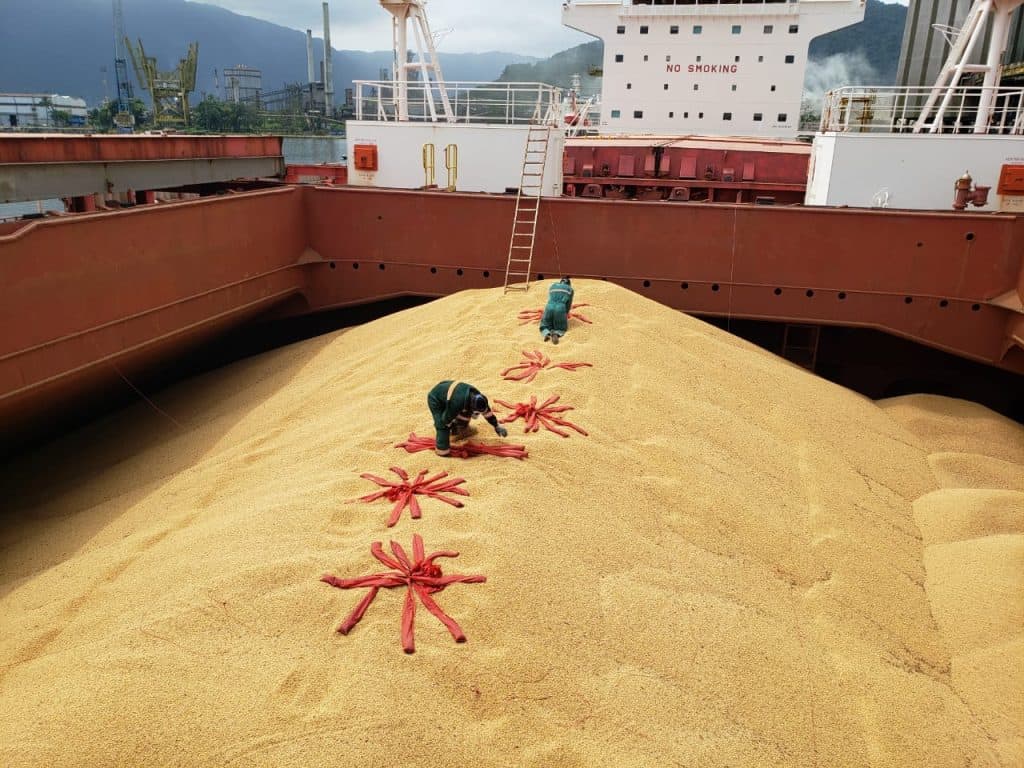
اجرای حکم گندزدایی انبار کشتی
1. Pre-Loading Inspection & Structural Integrity
Before a single grain hits the hold, a rigorous survey is mandatory.
Cleanliness Check: Ensure the hold is free of previous cargo residues, moisture, and “hidden” insect populations in the girders.
Gas-Tightness Verification: This is where most fail. I personally inspect the manholes, bilge covers, and ventilation trunking.
Sealing Standard: Use heavy-duty marine-grade sealing tape and expanding foam for hatch covers. If the vessel is older, consider “double-taping” the butterfly valves.
2. Precision Dosage Calculation
Never guess the volume.
Data Source: Use the ship’s official Capacity Plan (Grain Capacity) rather than rough estimates.
The Golden Ratio: For most high-risk export markets, I apply a dosage of 2.0 to 3.0 grams of Phosphine (PH3) per cubic meter.
Adjustment Factor: If the grain temperature is below 20°C or the moisture content is high, I lean toward the higher end (3g/m³) to compensate for slower gas release and potential absorption.
3. Advanced Application Methods
To avoid “pocket survivors,” the method of delivery is as important as the dose:
Deep Probe Insertion: During the loading process, we use specialized probes to place tablets at varying depths. This ensures the gas doesn’t just sit on the surface.
Forced Recirculation (The J-System): This is my “secret weapon.” I insist on blowers capable of at least 300 CFM. By pulling gas from the headspace and reintroducing it through the perforated pipes at the bottom of the hold, we achieve a uniform lethal concentration in half the time compared to passive diffusion.
4. Sealing & Hazardous Placarding
Immediately after application, the holds are locked.
Safety First: Standard IMDG (International Maritime Dangerous Goods) placards must be visible on all entry points.
Log Entry: Record the exact time of sealing, as this starts the “Exposure Clock” required for your documentation.
5. Real-Time Monitoring & Concentration Management
Passive fumigation is a gamble; active monitoring is a strategy.
Multi-Point Sampling: We use gas-sampling lines at three levels: Bottom, Middle, and Top.
The Threshold: I monitor these points every 24 hours. If any zone drops below 200 ppm, we “top up” or adjust the recirculation flow. Maintaining a consistent 200-300 ppm plateau is the only way to guarantee a “Pass” on the final phytosanitary inspection.
6. Aeration & Post-Fumigation Safety
At the discharge port, the gas must be cleared safely.
Mechanical Ventilation: We vent the holds until the concentration levels are strictly below 0.3 ppm.
Inter-Grain Spaces: Be careful—the headspace might be clear while the air between the grains still holds toxic gas. I always use a long-probe gas detector for a deep-hold check before allowing inspectors or stevedores to enter.
7. Documentation & Compliance
A successful fumigation is invisible without the paperwork. I keep a detailed Fumigation Log that includes:
Gas concentration readings over time.
Temperature and humidity logs.
Type and quantity of fumigant used (with batch numbers). This log is the primary evidence I present to get the Phytosanitary Certificate stamped without delays.
Pro-Tip from the Field: Never underestimate the “Chimney Effect.” In tall ship holds, warm air rises and can carry gas away from the lower corners. If you aren’t using forced recirculation, you are essentially leaving a “safe zone” for weevils to survive. I have seen entire shipments rejected because of a small cluster of survivors in the bottom bilge area. Recirculate or risk rejection.
Trading with ASEAN : Opportunities, Regulations, and Market Entry Strategies
مشکلات رایج و نحوه اجتناب از آنها
Even with the right dosage, small operational oversights can lead to catastrophic financial losses or cargo rejection at the destination port. Based on my fieldwork, here is how to identify and neutralize the most common pitfalls.
1. Structural Leakage: The “Silent” Failure
The Pitfall: Poor sealing is the number one cause of fumigation failure. Gas leaks cause the PH3 concentration to drop below the lethal threshold (200 ppm) before all life stages of the pests are eradicated.
The Proactive Fix: Don’t just rely on visual checks. Perform a Pressure Test on the ship holds pre-fumigation whenever possible. Use ultrasonic leak detectors on hatch covers to identify gaps that the naked eye might miss.
2. The Temperature-Metabolism Gap
The Pitfall: Low temperatures (typically below 15°C) act as a double-edged sword. They slow down the chemical release of gas from the tablets and simultaneously slow the metabolism of the pests, making them more resistant to the gas.
The Proactive Fix: If you are loading in winter or in cold climates, you must adjust the “Exposure Clock.” Increase the dosage slightly within the label’s safety limits and extend the exposure period by at least 48-72 hours to ensure the gas penetrates the dormant insect stages.
3. Genetic Resistance: The Emerging Threat
The Pitfall: In certain regions (especially in parts of South Asia and the MENA region), some weevil strains have developed a high tolerance to Phosphine due to years of sub-lethal dosing.
The Proactive Fix: Never attempt to save costs by using “half-dosages.” Use the Full Label Rate and ensure the concentration stays high for the entire duration. If resistance is suspected, a synergy with CO2 or a switch to a different fumigant might be necessary, though PH3 remains the gold standard when executed correctly.
4. Over-Dosage & Fire Hazards
The Pitfall: There is a dangerous misconception that “more is always better.” If the concentration of Phosphine in the air exceeds 1.8% by volume, it reaches its lower explosive limit (LEL).
The Proactive Fix: Strictly adhere to the calculated grams per cubic meter. Use distribution trays to prevent “piling” of tablets, which can create localized hot spots of high gas concentration and moisture, leading to spontaneous combustion.
5. Real-World Case Study: The Cost of Impatience
I recently consulted on a bulk shipment where the exporter was in a rush to meet a tight shipping window. They attempted a “flash fumigation” with only a 5-day exposure period.
The Result: Upon arrival, the destination inspectors found live larvae in the deep grain layers. The shipment was rejected, leading to massive demurrage charges.
The Lesson: We intervened and supervised a re-fumigation, extending the period to 12 days at a stabilized 250 ppm. The shipment passed inspection with zero findings. This proves that in the B2B grain trade, time is the most critical ingredient for success.
💡 Pro-Secrets from the Field: Avoiding “Gas Layering”
In my years of managing bulk shipments, I’ve seen perfectly calculated dosages fail because of gas layering. In deep bulk holds, Phosphine gas tends to settle or move unevenly due to temperature gradients.
- The Recirculation Trick: Use a J-system or forced recirculation to pull gas from the top and push it back through the bottom. This ensures 200ppm is reached in the center of the grain mass, not just the surface.
- The “Tablet Pocket” Mistake: Never dump tablets in a single pile. If moisture hits a concentrated pile of Aluminum Phosphide, it can cause a flash fire. Always distribute in probes or trays.
ایمنی و انطباق با مقررات
فسفین بسیار سمی است - همیشه از تجهیزات حفاظت فردی، مانیتورها و دستگاههای آموزشدیده استفاده کنید.
رعایت موارد زیر:
- APHIS وزارت کشاورزی ایالات متحده برای صادرات.
- دستورالعملهای IMO برای حمل و نقل در حین حمل و نقل.
- الزامات کشور واردکننده (بسیاری از آنها بخوردهی دارای گواهینامه USDA را میپذیرند).
هوادهی کامل: باقیماندهها به سرعت و بسیار پایینتر از حد مجاز، دفع میشوند.
برای اطلاعات بیشتر در مورد چالشهای حمل و نقل بینالمللی، راهنماهای ما را در اینجا بررسی کنید مدیریت خسارت کانتینر در تجارت جهانی و جلوگیری از اختلافات هنگام صادرات کالا. همچنین، کاوش کنید گزینههای حمل و نقل هوایی در مقابل دریایی برای بهینه سازی لجستیک شما.
تسلط بر بخور فسفین، میلیونها دلار صرفهجویی و از ضرر جلوگیری کرده است. با اجرای دقیق این پروتکلها، محمولههای گندم فلهای شما هر بار از بازرسیها عبور خواهند کرد.
آمادهاید صادرات خود را سادهسازی کنید؟ همین امروز به Tendify.net بپیوندید— مستقیماً با خریداران تأیید شده ارتباط برقرار کنید، درخواستهای استعلام قیمت (RFQ) ارسال کنید و با حسابهای امانی، معاملات خود را تضمین کنید. همین حالا ثبت نام کنید و بازی تجارت عمده فروشی خود را ارتقا دهید.
Frequently Asked Questions
Q: Can Phosphine fumigation affect the germination of wheat seeds?
A: No, when applied at standard dosages (1.5g/m³), PH3 does not impact germination or the baking quality of flour, making it the preferred choice for bulk grain exports.
Q: What is the minimum concentration required to pass a phytosanitary check?
A: Inspectors usually look for a consistent reading of at least 200-300 ppm of gas concentration throughout the required exposure period.