وبلاگ
Avoid Costly Cleaning Fees: The Pro Guide to Bitumen 60/70 Container Logistics
I’ve been in the commodities trading game for over two decades, moving everything from petrochemicals to construction materials across oceans and borders. One thing I’ve learned the hard way—and thankfully, taught others to avoid—is how quickly a smooth export deal can turn into a headache over unexpected charges.
Take a recent shipment I handled: 50 containers carrying 1,000 tons of high-quality قیر ۶۰/۷۰ به مقصد مالزی. در مقصد، خط کشتیرانی با ادعای هزینه سنگین نظافت، ما را تحت فشار قرار داد. اما با اسناد معتبر از محل بارگیری - عکسها، گزارشهای بازرسی و مهرهای زمانی - ثابت کردیم که کانتینرها از قبل آسیب دیده بودند. هزینه به طور کامل بخشیده شد. این تجربه هزاران دلار را نجات داد و یک درس اصلی را تقویت کرد: مستندسازی مناسب اختیاری نیست؛ این بهترین دفاع شما در برابر هزینههای غیرضروری است..
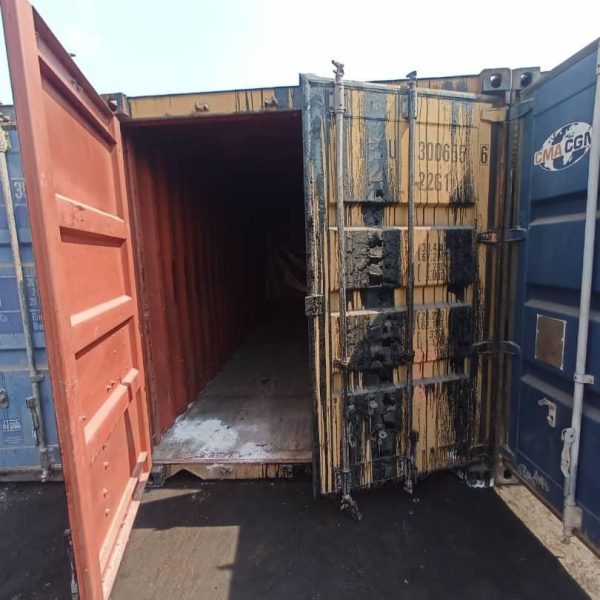
اجتناب از هزینههای تمیزکاری و اختلافات کانتینری هنگام صادرات قیر ۶۰-۷۰
در این راهنمای جامع، عمیقاً به صادرات خواهیم پرداخت. قیر نفوذی ۶۰/۷۰, با تمرکز بر مشکلاتی که منجر به هزینههای تمیز کردن کانتینر، اختلافات مربوط به خسارت و چگونگی جلوگیری از آنها میشود. چه یک صادرکننده باتجربه باشید و چه عملیات خود را گسترش دهید، این استراتژیهای عملی از حاشیه سود شما محافظت کرده و مشارکتهای قویتری ایجاد میکنند.
Pro Experience: The Temperature-Leakage Correlation
One of the most overlooked factors in Bitumen 60/70 logistics is the ambient temperature during transshipment. In hubs like Jebel Ali or Bandar Abbas, temperatures can soar, causing the bitumen to expand and leak through micro-tears in liner bags.
- بینش: Always ensure a 10-15 cm “Expansion Gap” is left at the top of the drums or jumbo bags.
- Risk Mitigation: Use triple-layered heat-resistant liners for shipments passing through the Persian Gulf during summer months.
Iraq Customs Clearance 2026: Tariffs & Oilfield Regulations
آشنایی با قیر ۶۰/۷۰: استاندارد طلایی برای صادرات راهسازی
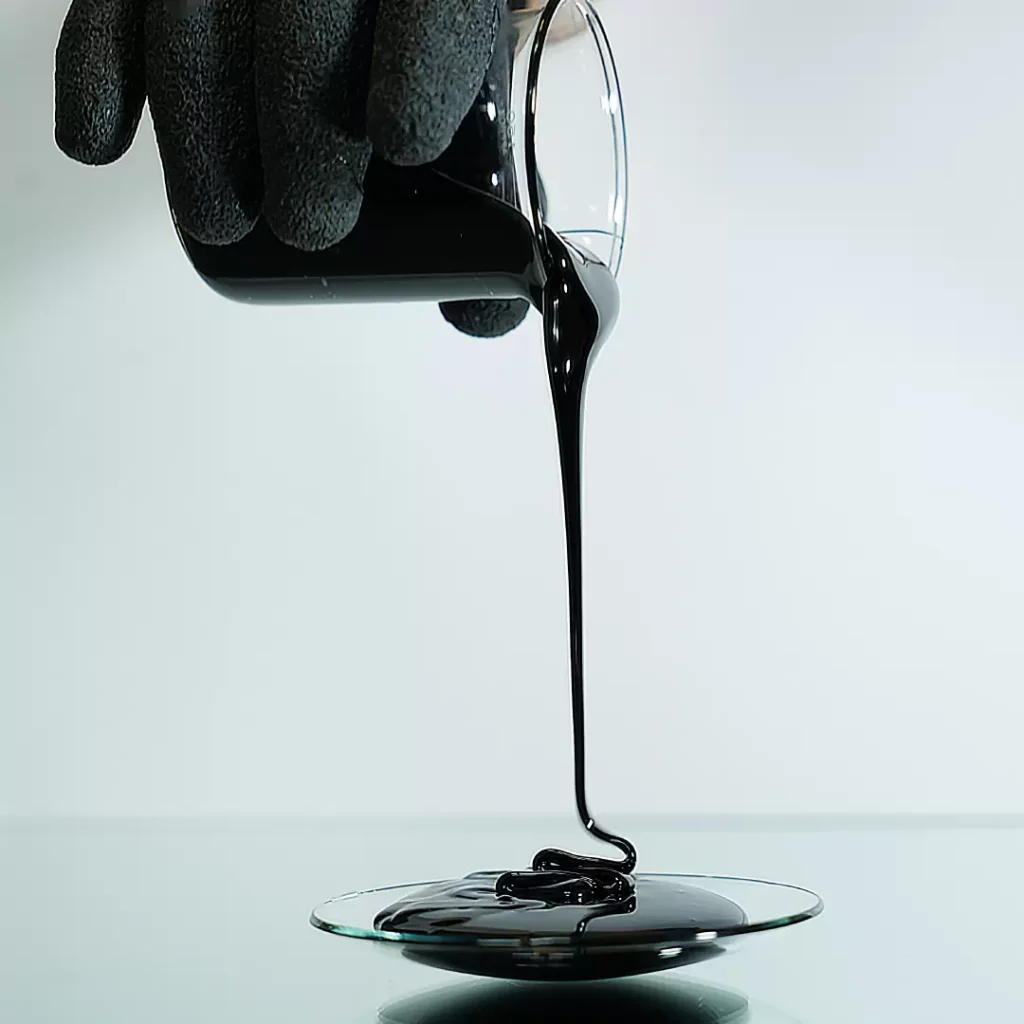
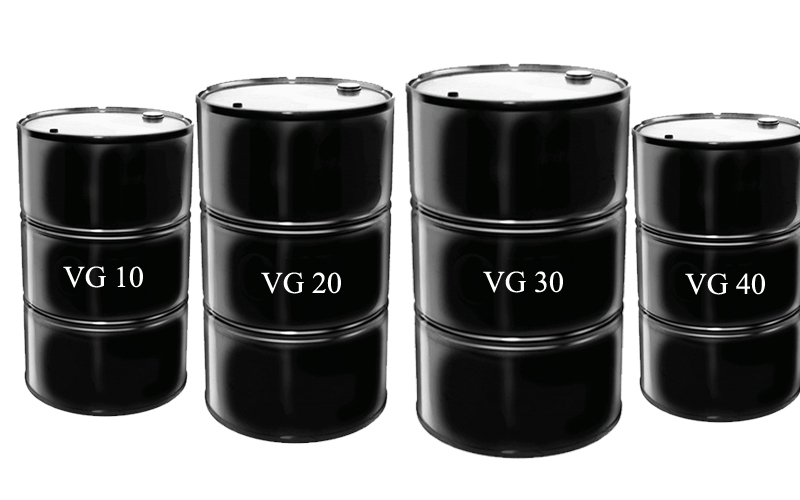
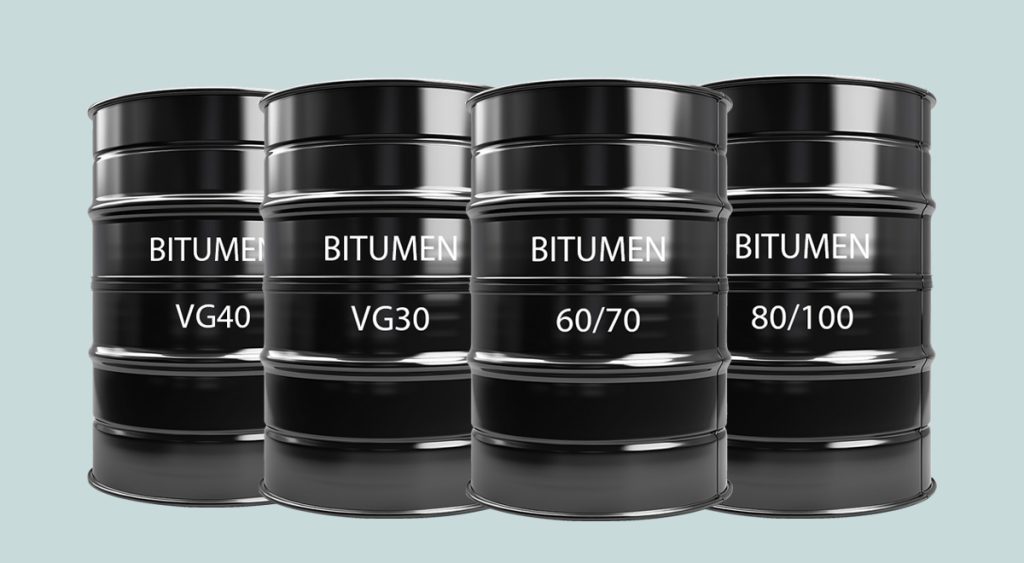
قیر ۶۰/۷۰قیر - که با نام درجه نفوذ ۶۰/۷۰ نیز شناخته میشود - نیروی محرکه صنعت آسفالت است. این قیر نیمهسخت با هوادهی پسماندهای وکیوم باتم در پالایشگاهها تولید میشود و درجه نفوذ آن بین ۶۰ تا ۷۰ میلیمتر در دمای ۲۵ درجه سانتیگراد است. این درجه، تعادل کاملی را برقرار میکند: به اندازه کافی محکم برای دوام در آب و هوای گرم، در عین حال انعطافپذیر برای زیرسازی جاده و پوششهای آسفالتی.
چرا این محصول برای صادرات، به خصوص به بازارهایی مانند جنوب شرقی آسیا، اینقدر محبوب است؟
- عملکرد همه کاره: در آسفالت گرم برای بزرگراهها، فرودگاهها و جادههای شهری عالی عمل میکند.
- مقاومت در برابر دمادر دمای بالا نرم میشود تا کاربرد آن آسان باشد، در دمای پایین سفت میشود تا دوام بیشتری داشته باشد.
- محرک تقاضای جهانیطبق گزارشهای صنعتی، قیرهای با درجه نفوذپذیری مانند ۶۰/۷۰ بیش از ۷۰۱TP3T از قیرهای مورد استفاده در آسفالتکاری در سراسر جهان را تشکیل میدهند و بیشترین مصرف آنها در مناطق دارای زیرساختهای سنگین است.
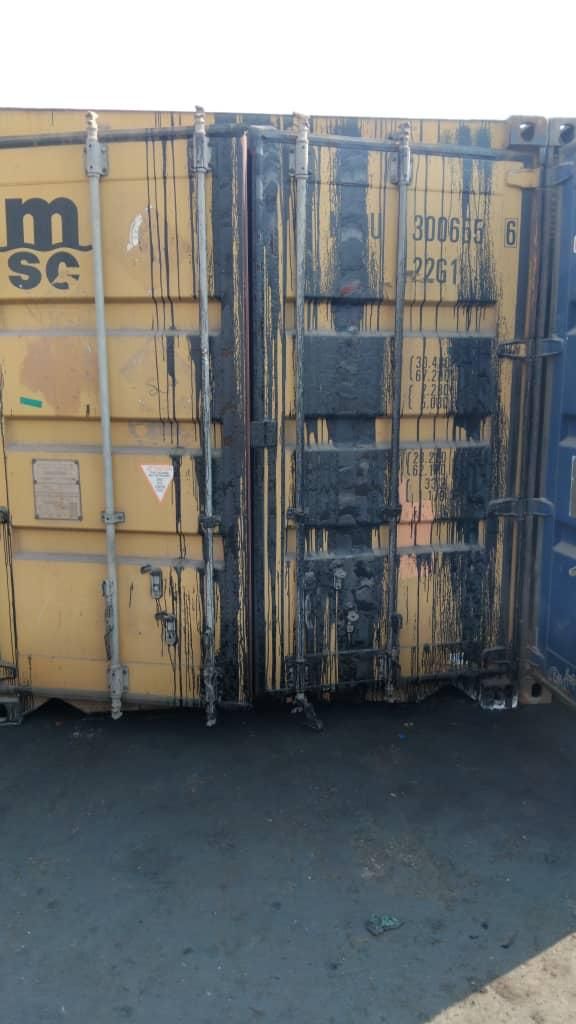
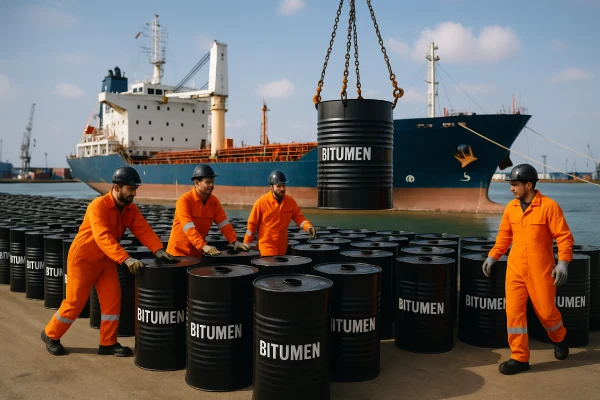
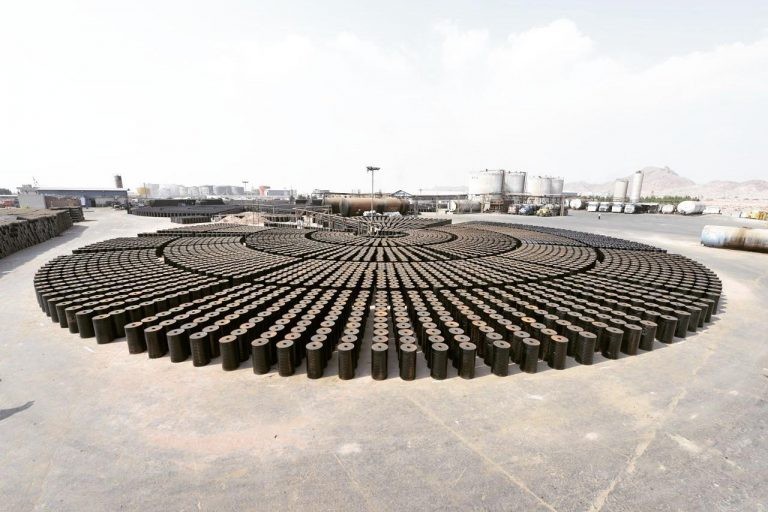
۵۰ کانتینر ۱۰۰۰ تنی قیر ۶۰-۷۰ به مقصد مالزی
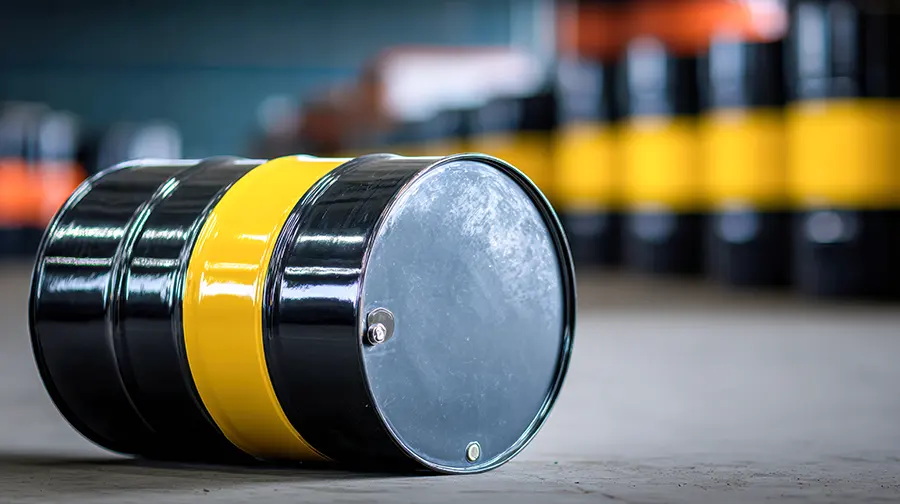
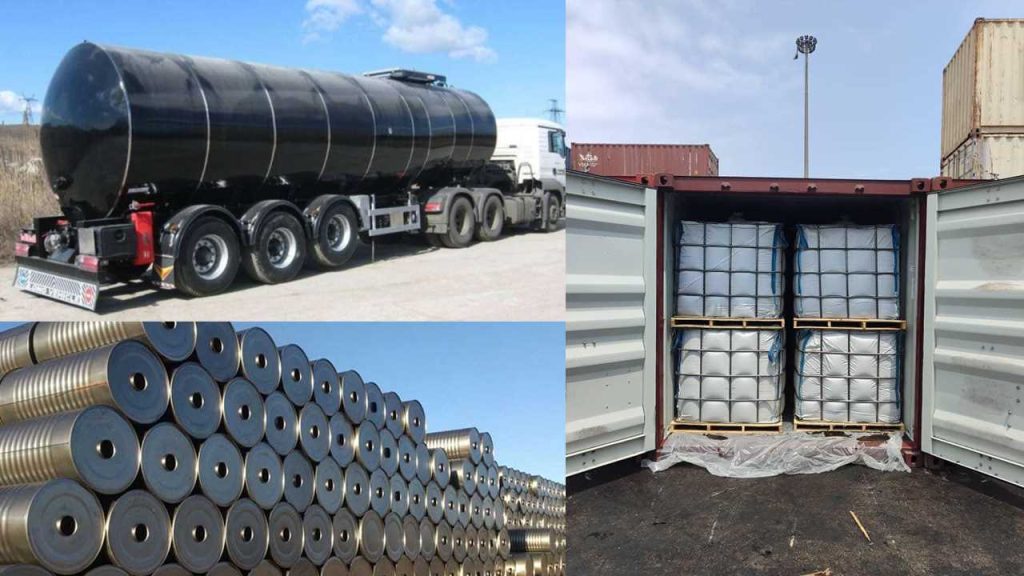
در صادرات، معمولاً در بشکههای فولادی، کیسههای پلیاتیلن یا به صورت فله در ظروف گرمشده بستهبندی میشود تا جریان خود را حفظ کند. اما اینجاست که چالشهایی ایجاد میشود: ماهیت چسبناک و چسبناک قیر، بقایایی را به جا میگذارد که اگر به درستی مدیریت نشود، میتواند باعث اختلافات مربوط به تمیزکاری شود.
چالشهای رایج در حمل و نقل قیر: چرا هزینههای تمیزکاری به شدت افزایش مییابد؟
حمل قیر مانند جابجایی کالاهای خشک نیست. تجمع رسوبات، نوسانات دما و شرایط کانتینر، زمینه مناسبی را برای هزینههای اضافی فراهم میکند.
مسائل کلیدی که باعث ایجاد هزینههای نظافت و اختلافات میشوند
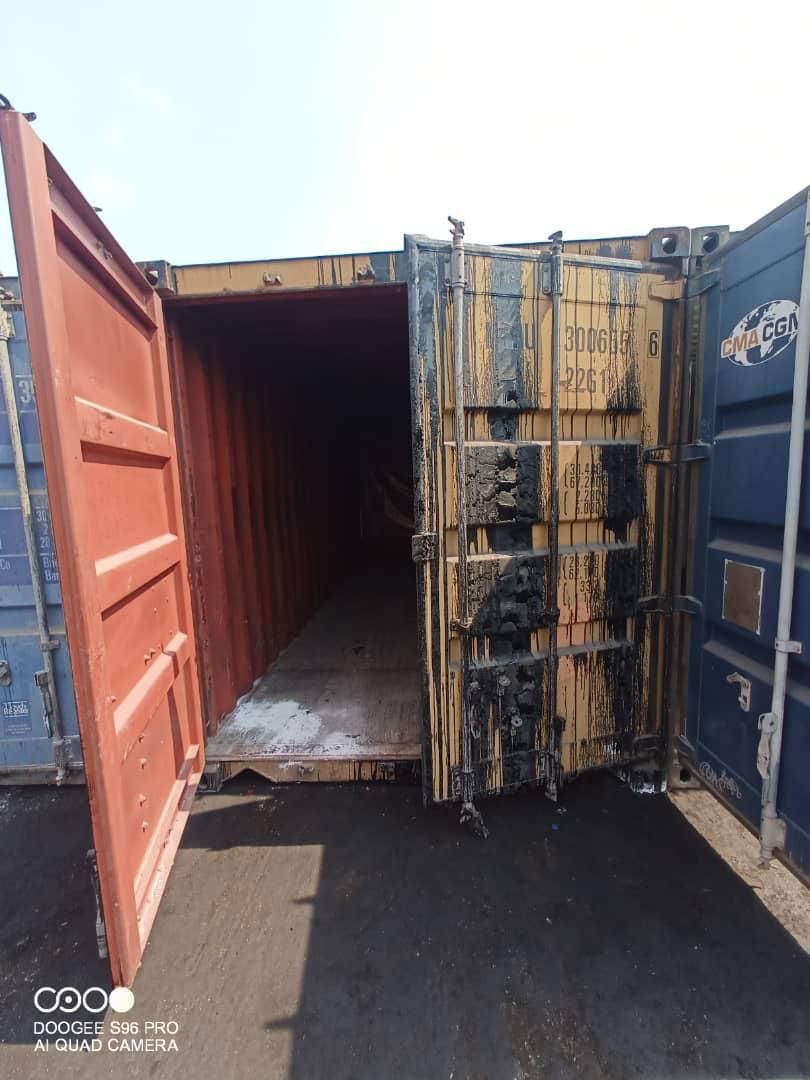
- باقیمانده و آلودگیحتی نشتیها یا ریختوپاشهای جزئی در حین بارگیری/تخلیه میتواند فضای داخلی را بپوشاند و نیاز به تمیزکاری حرفهای داشته باشد.
- آسیبهای از پیش موجودفرورفتگیها، زنگزدگی یا بقایای قدیمی از محمولههای قبلی، تقصیر محموله شما هستند.
- رسیدگی نامناسبپر کردن بیش از حد، گرمایش ناکافی یا آببندی ضعیف منجر به انجماد و ایجاد رسوب سرسخت میشود.
- سیاستهای مختص هر خط تولیدبسیاری از شرکتهای حمل و نقل، در صورت بازگشت کانتینر به صورت "کثیف"، هزینهای معادل ۱TP4T500 تا ۱TP4T2000 برای تمیز کردن هر کانتینر به علاوه هزینههای مربوط به زمان از کار افتادگی دریافت میکنند.
در یک مطالعه از کارشناسان لجستیک، تا ۱۵۱TP۳T محمولههای فله مایع به دلیل اختلافات مربوط به وضعیت کانتینر با هزینههای جانبی مواجه میشوند. برای صادرکنندگان قیر، این هزینهها میتواند ۵ تا ۱۰۱TP۳T حاشیه سود را در یک سفر دریایی کاهش دهد.
من شاهد بودهام که معاملات بر سر هزینههای مورد اختلاف ۱TP4T50,000 در سراسر ناوگان به بنبست رسیده است - پولی که میتوانست صرف نرخهای بهتر حمل بار یا ارتقاء کیفیت شود.
The Pre-Loading “Clean Container” Protocol
To avoid disputed cleaning fees, your team must document the container’s condition قبل از the cargo is stuffed. Use this checklist to safeguard your interests:
| Inspection Point | Critical Action |
|---|---|
| Floor Condition | Ensure no oil stains or previous bitumen residue exist. Take HD photos. |
| Corner Castings | Check for structural integrity to prevent sagging during heavy bitumen loading. |
| EIR Verification | The Equipment Interchange Receipt must explicitly state “Container Clean & Odor Free.” |
قدرت مستندسازی دقیق: سپر شما در برابر اتهامات ناعادلانه
اون محموله مالزی؟ شانسی نبود. آمادگی بود. ما همه چیز رو از مبدا ثبت کردیم و یه ضرر احتمالی رو به یه برد تبدیل کردیم.
چرا مستندسازی اینقدر خوب عمل میکند؟ بار اثبات را تغییر میدهد. خطوط کشتیرانی به بازرسیهای مقصد متکی هستند؛ شواهد مبدا شما به طور مؤثر با ادعاها مقابله میکند.
گام به گام: چگونه وضعیت کانتینر را مانند یک حرفهای مستند کنیم
هر بار این فرآیند اثباتشده را دنبال کنید:
- بازرسی قبل از بارگیریظرف خالی را کاملاً بررسی کنید. هرگونه فرورفتگی، زنگزدگی، سوراخ یا باقیمانده را یادداشت کنید.
- شواهد با کیفیت بالا را ثبت کنید:
- عکس از تمام زوایا: نمای بیرونی، دیوارهای داخلی، کف، سقف، درها.
- نماهای نزدیک از فکها، گوشهها و هرگونه ناهنجاری.
- ویدیوهای دارای مهر زمانی که از میان کانتینر عبور میکنند.
- استفاده از فرمهای استانداردرسید تبادل تجهیزات (EIR) را با انبار تکمیل کنید و هرگونه مشکل از قبل موجود را علامت بزنید.
- در حین بارگیری:
- (در صورت استفاده از ورقهای پلاستیکی) آستر تمیز را مستند کنید.
- از فرآیند پر کردن و آببندی نهایی عکس بگیرید.
- بارگذاری پس ازعکسهای نهایی از نمای بیرونی با پلمپهای سالم و شماره کانتینر قابل مشاهده.
- پشتیبان گیری دیجیتالفایلها را در پوشههای ابری، بر اساس شماره و تاریخ کانتینر، ذخیره کنید. فوراً با تیم و فرستنده خود به اشتراک بگذارید.
Recommended Bill of Lading (B/L) Clause:
"Shipper not responsible for pre-existing residues. Container inspected and found fit for bitumen carriage as per EIR No: [Number]. Any cleaning claims must be supported by photographic evidence within 48 hours of discharge."
Adding this clause significantly reduces the success rate of predatory cleaning fee claims by shipping lines.
نکته حرفهایاز برنامههایی مانند ابزارهای بازرسی کانتینر برای عکسهای دارای برچسب جغرافیایی و زمانبندیشده استفاده کنید - که در اختلافات غیرقابل انکار است.
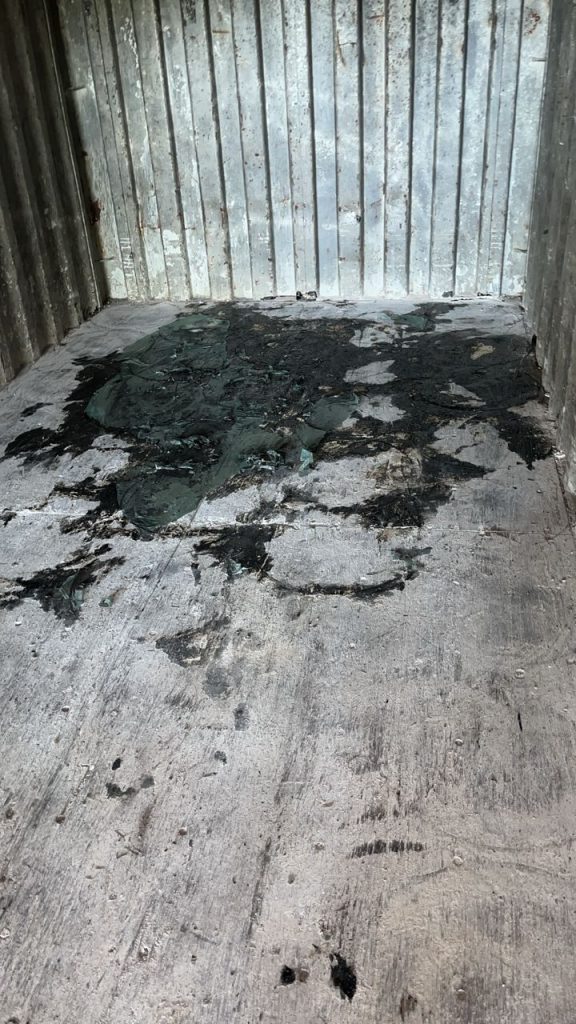
چالشهای رایج در حمل و نقل قیر
طبق تجربه من، صادرکنندگانی که از این مرحله میگذرند، هزینه گزافی متحمل میشوند. آنهایی که این کار را نمیکنند؟ 90% از دعاوی را به نفع خود حل و فصل میکنند.
بهترین روشها برای بارگیری و حمل قیر ۶۰/۷۰ در کانتینرها
While documentation serves as your legal shield, operational excellence at the loading site is what prevents disputes from arising in the first place. Smart handling and technical precision during the stuffing process are the most effective ways to mitigate the risk of leakage and equipment damage.
Essential Loading Techniques to Minimize Residue and Risk
1. Precision Temperature Management (Thermal Optimization) The viscosity of Bitumen 60/70 is highly sensitive to temperature. It is critical to maintain the bitumen between 140°C and 160°C during the loading phase.
The Risk of Overheating: Exceeding 170°C can lead to “Cracking” or carbonization, which hardens the bitumen prematurely and makes unloading nearly impossible, leading to heavy residue claims.
The Risk of Underheating: If the temperature drops too low during pumping, the flow becomes sluggish, causing air pockets and uneven weight distribution within the container.
2. Implementation of Multi-Layered Protective Barriers Relying on standard packaging is often not enough for long-haul maritime transit.
Advanced Lining: Utilize heavy-duty, heat-resistant polyethylene (PE) liners or specialized dry bulk liners for jumbo bags. These act as a secondary containment system.
Flexitank Integrity: If shipping in bulk, ensure the flexitanks are “Bitumen-Grade” and equipped with specialized heating pads. A single-use, high-tensile strength bag significantly reduces the “Cross-Contamination” risk, ensuring the container remains in food-grade or industrial-grade cleanliness after the voyage.
3. Strategic Ullage (Headspace) Allocation One of the most common causes of container floor damage is “Thermal Expansion Leakage.” Bitumen expands as its temperature fluctuates during transit through different climate zones.
The 10% Rule: Never fill drums or bags to the brim. Maintaining a 5% to 10% ullage (headspace) allows the bitumen to expand safely without breaching the seals or gaskets.
Stability Factor: Proper headspace also prevents the center of gravity from shifting, which protects the container’s structural integrity during heavy sea swells.
4. High-Integrity Sealing and Gasket Verification The final barrier between your cargo and a $1,000 cleaning fee is the seal.
Gasket Quality: Use only high-grade, oil-resistant gaskets for drum lids and valves. Before sealing the container, perform a “Visual Integrity Check” on all closure points.
Secondary Containment: For high-risk shipments, place absorbent materials or specialized “Barrier Paper” near the container door area. This prevents minor seepage from reaching the door sills, which is the first place port inspectors check for leaks.
5. Weight Distribution and Securing (The Pro Tip) Bitumen is a high-density cargo. Ensure that the weight is distributed evenly across the container floor to prevent “Sleeper Damage” or floor warping. Use timber blocking and bracing (Dunnage) to secure the drums/bags, preventing movement that could lead to punctures during crane operations.
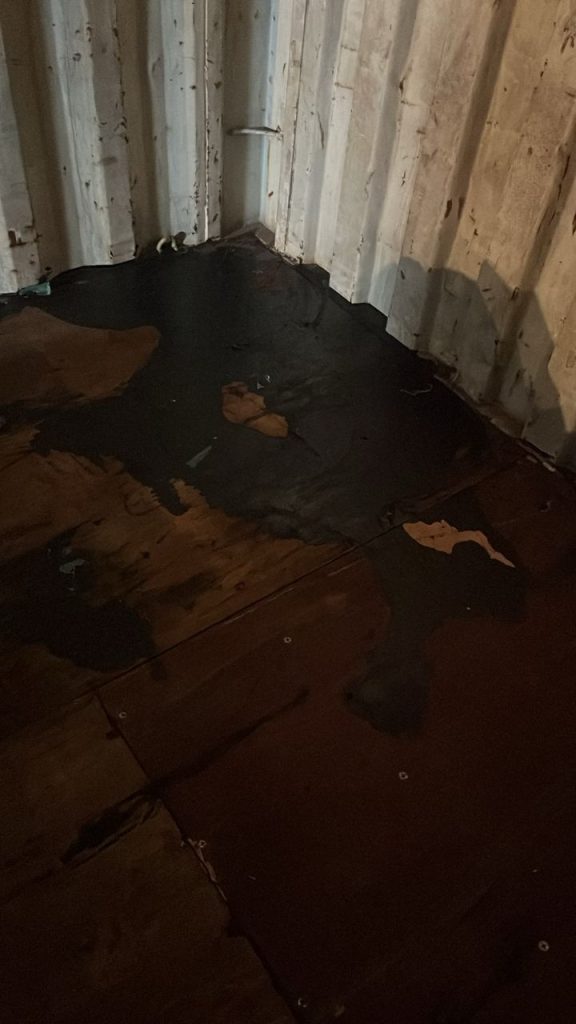
بهترین روشها برای بارگیری و حمل قیر
مقایسه: روشهای بستهبندی رایج برای صادرات قیر
| روش | ظرفیت هر کانتینر 20 فوت | مزایا | معایب | بهترین برای |
|---|---|---|---|---|
| درامهای فولادی | ۸۰ تا ۱۱۰ بشکه (۱۶ تا ۲۰ تن) | جابجایی آسان، قابل استفاده مجدد | ریسک بالاتر نیروی کار و باقیمانده مواد غذایی | محمولههای کوچک و متوسط |
| کیسههای پلیکیسهای | تا ۲۲ تن | مقرون به صرفه، ضایعات کمتر | اشکهای احتمالی | صادرات بودجه |
| مخازن قیر/فلکسی تانک | ۲۰ تا ۲۴ تن | حداکثر ظرفیت، حداقل پسماند | تجهیزات تخصصی مورد نیاز | در مقیاس بزرگ، مسافت طولانی |
انتخاب روش حمل و نقل مناسب: دریایی در مقابل جایگزینها
حمل و نقل دریایی از نظر هزینه بر صادرات قیر غالب است، اما عاقلانه مقایسه کنید:
- مزایای دریاییحجم فله، نرخ پایینتر به ازای هر تن.
- چالشها: حمل و نقل طولانیتر، افت دما در مسیرهای سرد.
- جایگزینهامخازن ISO گرم شده برای گریدهای ممتاز یا هوا برای نمونهها (به ندرت).
برای بینش عمیقتر در مورد انتخابهای حمل و نقل، پست ما را در ... بررسی کنید. حمل و نقل هوایی در مقابل حمل و نقل دریایی از چین به جبل علی: تحلیل هزینه-فایده برای کالای شما در سال 2026.
مطالعات موردی دنیای واقعی: درسهایی از سنگرها
Theoretical advice is valuable, but real-world victories prove that a rigorous documentation strategy is the best defense against ancillary charges. Beyond individual anecdotes, these anonymized cases highlight the financial impact of proactive logistics management:
Case Study 1: The “Legacy Rust” Rebuttal (Middle East Export) A major bitumen exporter shipping from a high-volume Persian Gulf hub was hit with a $30,000 “heavy cleaning and floor restoration” invoice covering 30 containers upon arrival at the destination port. The carrier claimed that bitumen leakage had caused deep corrosion.
The Defense: The exporter’s logistics team produced a high-resolution “Pre-Loading Inspection Report.” The photos clearly showed that the “pitted rust” on the container floors was pre-existing oxidation, not fresh bitumen damage.
The Result: Faced with indisputable evidence that the damage predated the cargo stuffing, the shipping line dropped all charges.
Pro Lesson: Always document the floor condition under the liner bags before loading begins.
Case Study 2: The Video Evidence Advantage (SE Asian Importer) An Asian importer was billed for specialized chemical cleaning after a carrier claimed bitumen residue was found during a post-discharge survey. The carrier insisted the liners had failed during transit.
The Defense: The importer provided time-stamped CCTV and handheld video footage of the “de-stuffing” process. The video proved that the bags were intact and that the “residue” in question was actually dried industrial waste from a previous voyage that had been hidden under the liners.
The Result: The carrier absorbed the cleaning costs and waived the associated detention fees, acknowledging the “Evidentiary Chain” provided by the importer.
Pro Lesson: Video documentation of the container opening and the removal of the first row of cargo is often more persuasive than static photos.
Case Study 3: The Data-Driven Defense (Global Logistics Forums) Aggregate data from major freight and logistics forums indicates a clear trend in dispute resolution. Shipments backed by a complete digital “Condition Trail” (Photos, EIRs, and Survey Reports) resolve disputes significantly faster than those without.
The Insight: Documented shipments resolve 4x faster on average, reducing the “dead time” where containers are held up, which in turn prevents cascading Demurrage and Detention (D&D) costs.
The Result: For a standard 20-container shipment, this speed of resolution can save an exporter between $5,000 and $12,000 in potential port storage penalties.
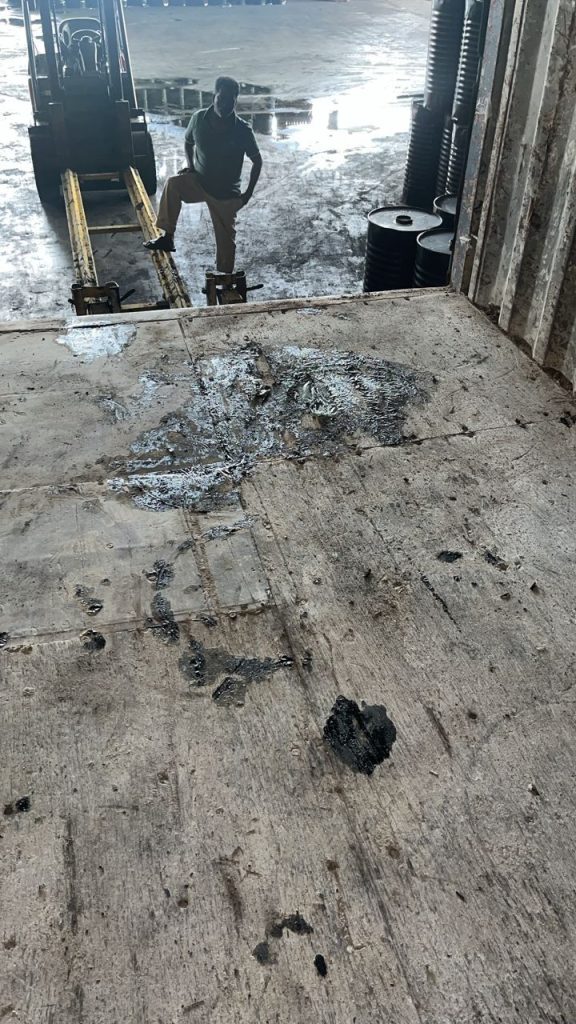
ظروف قدیمی آسیب دیده بودند
استراتژیهای پیشرفته: ایجاد حمایتهای بلندمدت
To safeguard your margins in the volatile bitumen market, you must move beyond basic logistics and implement a robust risk-mitigation framework. Here is how to institutionalize protection against predatory cleaning fees and logistical disputes:
1. Strategic Carrier Selection and Vetting Don’t prioritize freight rates at the expense of terminal flexibility. Partner with reliable shipping lines that demonstrate transparent Equipment Interchange Receipt (EIR) policies. In high-stakes regions like the GCC or MENA, some carriers are notorious for aggressive “cleanliness” inspections. Research and choose carriers that provide a clear dispute resolution window and have a history of fair assessment regarding “normal wear and tear” versus actual cargo leakage.
2. Comprehensive Insurance and Ancillary Coverage Standard cargo insurance often fails to cover “indirect” or “ancillary” charges such as container cleaning, detention, or environmental remediation. Consult with your broker to include specific add-ons or “Liability Extensions.” These endorsements ensure that if a flexitank or drum fails, the resulting professional cleaning costs and port fines are borne by the insurer, not your bottom line.
3. Independent Third-Party Surveys and Inspections The most effective defense is objective evidence. Hire independent, internationally recognized surveyors (such as SGS or Saybolt) to conduct inspections at both the point of stuffing (origin) and unstuffing (destination). A “Pre-Shipment Inspection Report” accompanied by high-resolution, time-stamped photographs of the container’s interior floor and walls creates an indisputable baseline. This neutral report often forces shipping lines to drop baseless cleaning claims immediately.
4. Precision in Contractual Clauses and Documentation Your sales contracts and Shipping Instructions (SI) must be your legal shield. Incorporate specific “Clean on Board” terms and explicit photo requirements. For instance, include a clause stating: “The carrier acknowledges that the container was inspected and found fit for Bitumen 60/70 carriage; any subsequent cleaning claims must be supported by photographic evidence provided within 48 hours of discharge.” By shifting the burden of proof back to the carrier or the consignee, you significantly reduce the success rate of arbitrary fee impositions.
5. Operational “Pro-Tips” from the Field
The Expansion Gap: Always ensure a 10% ullage (expansion space) in drums or bags, especially when transiting through high-temperature zones like Jebel Ali. Heat-induced expansion is the #1 cause of micro-leaks.
Secondary Liners: For jumbo bag shipments, investing in a high-quality secondary floor liner (PE film or corrugated paper) is a fraction of the cost of a cleaning fee and serves as a vital physical barrier.
همچنین، مدیریت ریسک در معاملات مرتبط را از طریق راهنماهای ما در ... بررسی کنید. بیمه خطر جنگ و بندهای فورس ماژور در قراردادها و قوانین ارزشگذاری گمرکی امارات متحده عربی.
Frequently Asked Questions
A: Depending on the severity of the leak and the shipping line (e.g., MSC or Maersk), fees can range from $300 to $1,500 per TEU.
Q: Can I dispute a cleaning fee after 30 days?A: It is difficult. Most shipping lines require disputes to be filed within 7-10 days of the invoice date, supported by the destination EIR.
سخن آخر: با عادتهای پیشگیرانه از سود خود محافظت کنید
صادرات قیر ۶۰/۷۰ میتواند بسیار سودآور باشد، اما اگر هوشیار نباشید، هزینههای پنهانی مانند هزینههای نظافت در کمین شما خواهد بود. مستندسازی کامل، بارگیری هوشمند و مشارکتهای مناسب، خطرات را به روال تبدیل میکند.
من کسب و کارم را بر اساس این اصول بنا کردهام - صرفهجویی میلیونها دلار در طول سالها و کسب اعتماد خریداران در سراسر جهان.
آمادهاید تا صادرات قیر خود را سادهسازی کنید و با خریداران جهانی تأیید شده ارتباط برقرار کنید؟ همین امروز به Tendify.net بپیوندید. محصولات خود را ارسال کنید، درخواستهای استعلام قیمت (RFQ) دریافت کنید، یا معاملات امن در حوزه پتروشیمی و فراتر از آن را بررسی کنید. همین حالا ثبت نام کنید و کنترل محموله بعدی خود را در دست بگیرید.