وبلاگ
Strategic Opportunities for Technical Contractors in Post-Ceasefire Reconstruction

Rebuilding Energy Infrastructure
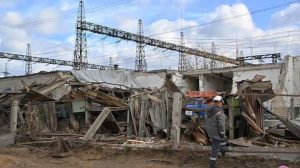
The ceasefire and initial framework agreement have created a window for large-scale reconstruction of energy infrastructure across key regional markets. Decades of accumulated wear, combined with damage sustained during recent hostilities, have generated urgent demand for precision equipment, industrial components, control systems, and turnkey engineering services. For technical contractors, equipment suppliers, and EPC (engineering, procurement, and construction) firms that operate within fully compliant frameworks, this period represents a significant commercial opportunity. The focus of this guide is strictly on legal, audit-ready participation: how regulated entities can position themselves to supply critical components and services while satisfying international sanctions regimes, export-control requirements, and standard trade-finance obligations.
Rebuilding Energy Infrastructure
This operational playbook provides CEOs, compliance officers, and business-development leaders with a practical roadmap. It examines the scale of reconstruction needs, identifies priority markets, outlines contractual and compliance safeguards, and delivers a step-by-step implementation plan. Every recommendation is designed to be regulator-neutral, fully consistent with FATF standards, Travel Rule obligations, and applicable sanctions compliance programs. The objective is to enable legitimate participation in reconstruction while protecting corporate infrastructure against residual geopolitical and regulatory risk.
Strategic Insight for Executives: Reconstruction demand is not speculative; it is driven by measurable physical infrastructure requirements. Companies that embed audit-ready compliance, performance-based contracting, and diversified supply-chain safeguards from day one will secure long-term contracts and regulatory goodwill.
The Scale of Energy Infrastructure Reconstruction Needs
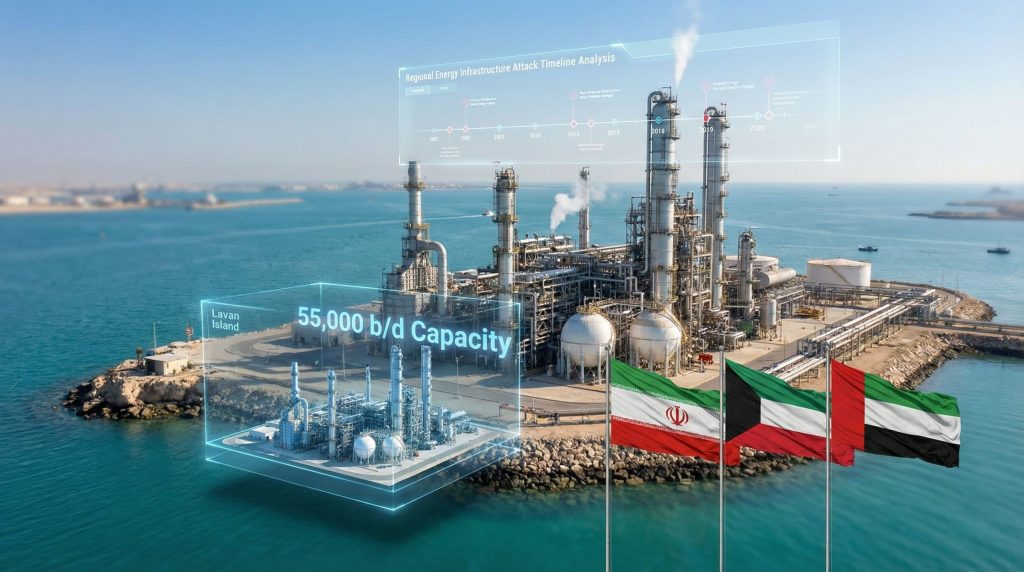
Regional energy assets — including gas processing plants, oil terminals, LNG facilities, pipelines, and associated control systems — require substantial rehabilitation. Decades of operation under varying maintenance regimes, coupled with the physical impact of recent conflict, have created a backlog of projects. Priority areas include refurbishment of metering and instrumentation, replacement of aging control valves, upgrade of safety systems, and modernization of SCADA (supervisory control and data acquisition) networks.

The Scale of Energy Infrastructure Reconstruction Needs
The demand extends beyond core extraction and processing assets to supporting infrastructure: power generation tied to energy hubs, desalination plants that rely on reliable gas supply, and logistics terminals that handle export volumes. Technical contractors with expertise in precision instrumentation, industrial automation, and turnkey EPC services are uniquely positioned to address these needs. The opportunity is particularly pronounced in markets that have already signaled commitment to rapid capacity restoration.
For a broader perspective on route diversification and supply-chain resilience in energy corridors, see our operational guide on Compliant Trade Route Reengineering: Audit-Ready Alternatives to the Strait of Hormuz Crisis.
Priority Markets: Qatar, Iran, and the United Arab Emirates
Three jurisdictions stand out as immediate focal points for reconstruction activity. Each presents distinct technical and commercial requirements while sharing a common need for compliant, high-quality equipment and services.
Qatar: LNG Capacity Expansion and Associated Infrastructure
Qatar’s ongoing LNG expansion program requires accelerated rehabilitation of upstream facilities and export terminals. Demand is concentrated in high-precision instrumentation, cryogenic valves, and safety-critical control systems. Contractors able to deliver certified, sanctions-compliant components will find ready procurement channels through established EPC consortia.

Qatar: LNG Capacity Expansion and Associated Infrastructure
Iran: Gas Processing and Pipeline Rehabilitation
Iran’s extensive gas network has sustained cumulative damage that necessitates urgent repair of processing plants, compressor stations, and metering systems. Priority procurement focuses on industrial automation, pressure regulation equipment, and leak-detection technologies. Participation must occur through fully transparent, audit-ready channels that satisfy applicable sanctions screening and export-control requirements.
United Arab Emirates: Integrated Energy Hub Modernization
The UAE’s vision for diversified energy infrastructure includes upgrades to oil and gas terminals, power generation tied to hydrocarbons, and supporting logistics. Demand centers on advanced SCADA systems, corrosion-resistant materials, and modular process units. The market favors suppliers with proven track records in compliant delivery and post-installation support.
Across all three markets, the common thread is the need for rapid, reliable supply of technical components. Companies that can combine engineering expertise with robust compliance documentation will secure preferred-supplier status. Strategic considerations for manufacturers establishing or expanding regional footprints are detailed in Friendshoring 2.0: Compliant Nearshoring Strategies for Manufacturers Targeting GCC and Emerging Markets.
Explosive Demand for Precision Equipment and Technical Services
The reconstruction phase is expected to generate sustained demand for the following categories:
- Instrumentation and metering systems (flow, pressure, temperature, and level sensors)
- Control valves, actuators, and safety shutdown systems
- SCADA, PLC, and industrial automation hardware and software
- Corrosion-resistant piping, fittings, and pressure vessels
- Leak detection, fire suppression, and environmental monitoring solutions
- Modular process skids and prefabricated equipment packages
This demand creates a multi-year procurement cycle that favors suppliers capable of delivering certified, traceable components on accelerated timelines. Technical contractors who integrate digital procurement platforms, performance-based warranties, and real-time compliance tracking will differentiate themselves in competitive tender processes.
For insight into payment and liquidity mechanisms that support large-scale reconstruction contracts, refer to War Economy and Crypto: How Stablecoins Emerged as a Compliant Alternative to Physical Dollars in Cross-Border Transactions During Geopolitical Crises.
Compliance and Risk-Management Considerations for Technical Contractors
Participation in energy reconstruction must occur within strict regulatory boundaries. Key obligations include sanctions screening of counterparties, verification of end-use for controlled equipment, and maintenance of audit-ready records for every shipment. Contractors should implement the following safeguards:
- Pre-qualification of all counterparties against current sanctions lists
- End-use certificates and destination-control statements for dual-use items
- Performance-based payment structures using regulated escrow or stablecoin rails
- Digital traceability from factory to installation site
These measures not only satisfy compliance requirements but also strengthen competitive positioning by demonstrating reliability to project owners and financiers. Detailed contractual strategies for managing snapback and geopolitical uncertainty are available in Snapback Risk in the Iran-US-Israel Ceasefire: A Strategic Contract Management Guide for CEOs and Investors.
Strategic Contract Drafting for Reconstruction Projects
Successful participation begins with contracts that allocate risk transparently and provide operational flexibility. Recommended provisions include:
- Clear milestones tied to independent verification of delivery and installation
- Force-majeure and sanctions-carve-out clauses that reference objective triggers
- Escrow or letter-of-credit mechanisms that release payment only upon confirmed performance
- Alternative-supply and termination rights if regulatory conditions change
These clauses protect both parties while remaining fully compliant with international trade law. Contractors should engage specialized counsel to tailor language to each jurisdiction and project type.
Implementation Playbook: 90-Day Positioning for Technical Contractors
Days 1–15: Market and Capability Assessment
- Map internal product lines against documented reconstruction needs
- Identify priority tenders in Qatar, Iran, and the UAE
- Conduct sanctions and export-control compliance audit of target projects
Days 16–45: Partnership and Compliance Infrastructure
- Establish joint-venture or agency relationships with local compliant partners
- Implement digital traceability and audit-ready documentation systems
- Secure performance-bond and insurance coverage for high-value shipments
Days 46–75: Tender Preparation and Contract Readiness
- Develop standardized proposal templates incorporating recommended clauses
- Train business-development and compliance teams on reconstruction-specific requirements
- Conduct dry-run simulations of end-to-end supply under potential snapback scenarios
Days 76–90: Market Entry and First Deliveries
- Submit pre-qualified bids on priority projects
- Establish on-ground support and after-sales service infrastructure
- Schedule first quarterly compliance review of all active reconstruction contracts
This structured approach enables technical contractors to enter the reconstruction market with speed and regulatory confidence.
Conclusion: Positioning for Long-Term Success in Energy Reconstruction
The post-ceasefire reconstruction of regional energy infrastructure represents a multi-year opportunity for technical contractors and equipment suppliers. Demand for precision instrumentation, industrial automation, and turnkey solutions is both urgent and sustained. Companies that combine engineering excellence with rigorous compliance frameworks, performance-based contracting, and diversified supply-chain safeguards will emerge as preferred partners for major projects in Qatar, Iran, and the United Arab Emirates.
Success in this environment requires more than technical capability; it demands audit-ready processes, transparent risk allocation, and proactive adaptation to evolving regulatory expectations. By implementing the frameworks outlined above, contractors can capture significant commercial value while contributing to the responsible rebuilding of critical energy assets.
Platforms purpose-built for regulated trade and project finance provide the operational infrastructure necessary to execute these strategies efficiently. Entities seeking to strengthen their position in energy reconstruction are encouraged to evaluate integrated solutions that align with the compliance and contractual principles discussed throughout this guide.
Request a Confidential Energy Reconstruction Opportunity Assessment