Blog
Strait of Hormuz Crisis: Who Wins and Who Survives in 2026?

Over more than two decades navigating volatile markets, I’ve seen my share of shocks that rewrite the rules overnight. But the 2026 Strait of Hormuz crisis stands apart. What began as regional tensions escalated into the largest supply disruption in modern energy history, choking one of the world’s most critical chokepoints and sending Brent crude soaring past $120 per barrel.

Strait of Hormuz Crisis
For traders, exporters, and importers dealing in energy and related commodities, this isn’t just another headline—it’s a live case study in why location, infrastructure, and adaptability determine who thrives and who barely survives. In this deep dive, I’ll break down exactly what’s happening, why certain players are emerging as unexpected winners, the heavy costs for others, and—most importantly—actionable strategies you can use right now to protect and grow your business in this new reality.
The Khorfakkan Pivot: Master the UAE Land-Bridge to Bypass Hormuz Risks
Understanding the Strait of Hormuz: The World’s Most Critical Energy Artery
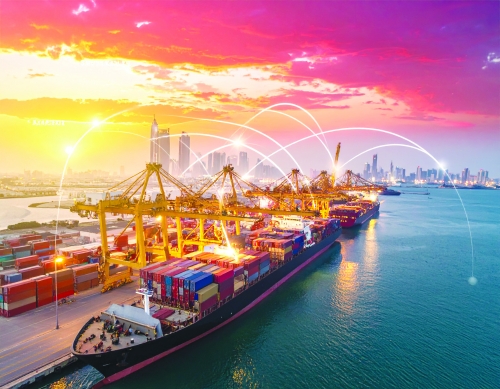
The Strait of Hormuz connects the Persian Gulf to the Gulf of Oman and, ultimately, global shipping lanes. At its narrowest point, it’s just over 30 kilometers wide, with shipping channels even tighter. Before the crisis, roughly 20 million barrels of oil and petroleum products flowed through it daily—about 20% of global seaborne oil trade. Significant volumes of liquefied natural gas (LNG) and other commodities also depended on this route.
I’ve shipped containers and bulk cargo through these waters for years. The efficiency was remarkable when stable, but the vulnerability was always there. A single point of failure in such a high-volume corridor means any disruption ripples instantly across continents—from Asian refineries to European power plants and American fuel prices.
When hostilities intensified in early 2026, Iran effectively closed or made the strait too dangerous for routine tanker traffic. Attacks on vessels, heightened insurance premiums (war risk clauses skyrocketed), and naval tensions brought commercial shipping to a near standstill. The International Energy Agency called it the biggest supply shock in history.
Why this matters beyond oil: Fertilizer shipments, petrochemicals, and even some food supply chains felt immediate pressure. For B2B traders like us, this isn’t abstract economics—it’s delayed contracts, renegotiated terms, and sudden margin compression or expansion depending on your positioning.
The Poland Corridor: A Strategic Guide to Import-Export Opportunities
The Clear Winner: Oman’s Strategic Geography Pays Off
Oman has emerged as one of the standout beneficiaries. Its position on the Arabian Sea, outside the strait, allows direct access without navigating the chokepoint.
- No transit risk: Omani export terminals don’t rely on Hormuz passage.
- Price windfall: Even with steady volumes, the global price surge dramatically boosted revenues. Oman continued exporting at pre-crisis levels while commanding premium prices.
- Infrastructure edge: Ports like Duqm and Salalah provide deep-water access and have seen increased interest as alternative hubs.

Understanding the Strait of Hormuz
In my experience, geography is destiny in trade. Oman’s setup reminds me of early moves I made to diversify routes during past disruptions. Exporters with Oman exposure or partnerships are seeing contracts flow their way as buyers seek reliability.
For traders: If you’re sourcing or routing energy products, Oman-based deals offer lower risk premiums and faster turnaround. Look into joint ventures or agency agreements there—I’ve found them to be straightforward compared to more constrained neighbors.
Saudi Arabia and UAE: High Prices Offset Volume Losses
Saudi Arabia and the UAE faced real volume reductions because much of their output historically transited the strait. Yet, they’ve mitigated damage effectively.
Saudi Arabia’s advantages:
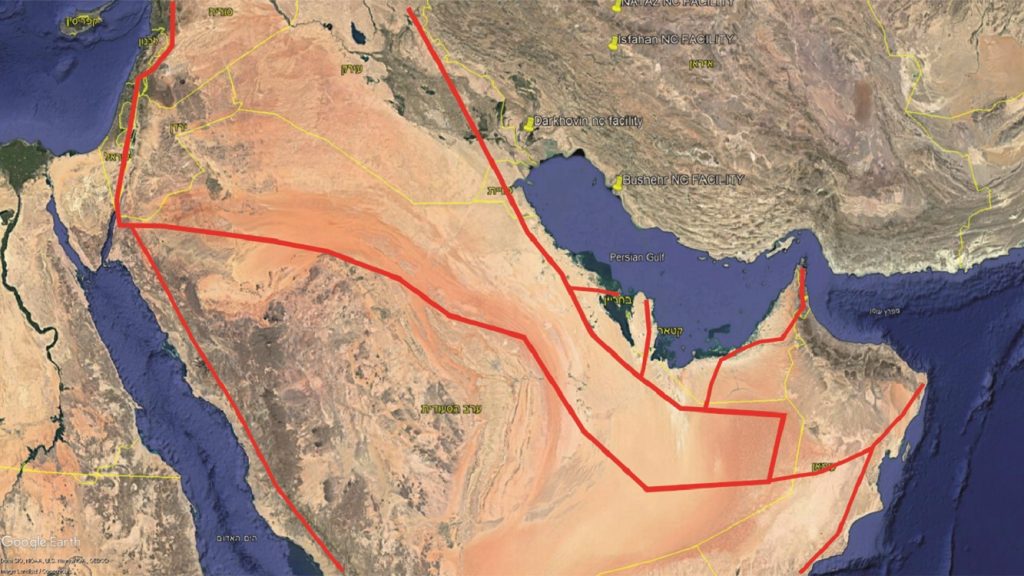
- East-West Pipeline to the Red Sea.
- Massive spare capacity and production flexibility under Vision 2030.
- Revenues still up despite lower volumes, thanks to the price spike.
UAE’s playbook:
- Habshan-Fujairah pipeline bypassing the strait to the Gulf of Oman.
- Diversified ports and re-export expertise.
These alternative routes aren’t unlimited, but they prevented total paralysis. The math is straightforward: higher price per barrel often outweighs moderate volume drops in the short term. Saudi and UAE producers are capturing outsized margins on whatever they ship.
Practical takeaway: When structuring long-term contracts now, build in price escalation clauses tied to benchmarks like Brent. In my operations, this has protected cash flow during volatility more than any single hedging tool.
Iran’s Heavy Toll: Sanctions, Blockades, and Reduced Output
Iran has suffered the most severe impact. U.S. and allied naval actions, combined with the strait tensions, led to a sharp drop in loadings—down to around 640,000 barrels per day in some reports, a two-thirds reduction from peaks.
Shadow fleets, floating storage, and workarounds face intense scrutiny. Insurance is prohibitive, and buyers (especially in Asia) are cautious. This creates opportunities for alternative suppliers but squeezes Iranian exporters and their partners.

Iran’s Heavy Toll
From a trader’s perspective, I’ve always advised stress-testing counterparties for geopolitical exposure. Deals that looked solid pre-crisis can evaporate when sanctions or blockades tighten. Diversify origins aggressively.
The Stranded Players: GCC Countries Fully Dependent on the Strait
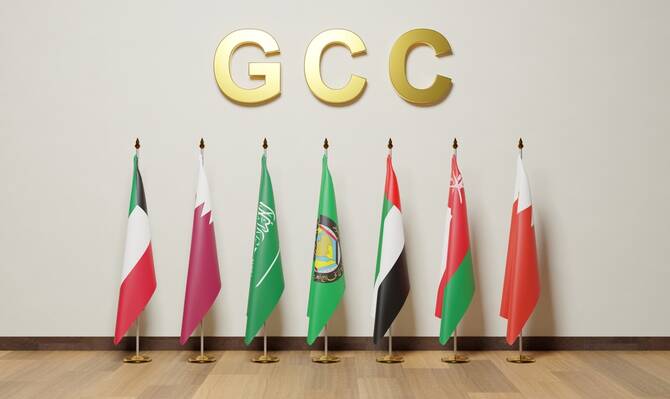
Countries like Iraq, Kuwait, Bahrain, and Qatar are geographically trapped inside the Gulf. For these nations, the closure of the Strait of Hormuz is not an operational hurdle—it is an economic blackout. Lacking direct coastlines on the open ocean, their entire economic survival depends on a single maritime gateway that is now completely compromised.

Strategic Roadmap for Trade Resilience
- Iraq and Kuwait:
Limited pipelines (e.g., Iraq to Turkey’s Ceyhan) can’t handle full Basra volumes. Production cuts and revenue losses are painful. Iraq’s northern export route through the Kirkuk-Ceyhan pipeline has been plagued by geopolitical disputes and technical capacity constraints for years, making it an entirely inadequate substitute for the massive flows from the southern Basra oil fields. Kuwait is in an even more precarious position, possessing absolutely zero alternative pipeline infrastructure to bypass the Gulf. Both nations have been forced to shut in production wells, cap active fields, and face devastating budget deficits as millions of barrels of crude remain physically stranded underground. The Qatar Crisis: Why the LNG Blockade is a Global Economic Threat
While the drop in oil production captures the loudest headlines, the situation unfolding in Qatar represents a far more dangerous systemic risk to the global economy. In the original text, I mentioned that QatarEnergy declared force majeure on its shipments. However, to truly understand the gravity of this development, we must look at the hard, uncompromising reality of liquefied natural gas logistics.
Unlike crude oil, which can occasionally be rerouted via transcontinental pipelines or overland trucking in limited volumes, LNG is entirely hostage to highly specialized maritime infrastructure. Qatar cannot simply pump its gas into an alternative pipeline to bypass the Strait of Hormuz. The country’s only major export pipeline, the Dolphin network, flows strictly to the UAE and Oman, keeping the energy trapped within the immediate conflict zone. Therefore, when the strait closes, Qatar’s massive LNG fleet is effectively anchored, and the global gas supply is instantly choked.
The ripples of this paralysis are hitting two major economic nerve centers with brutal force: Europe and East Asia. For European nations, which spent the last few years aggressively pivoting toward Qatari LNG to replace Russian pipeline gas, this disruption is an absolute worst-case scenario. Industrial hubs face immediate energy rationing, and gas storage facilities are depleting at an alarming rate. Concurrently, East Asian economic powerhouses—specifically Japan and South Korea, which rely heavily on long-term Qatari supply contracts to fuel their manufacturing sectors and power grids—are facing severe supply deficits.
As a B2B operator, this highlights a critical lesson: a chokepoint crisis is never localized. A bottleneck in the Persian Gulf can shut down an automotive assembly line in Nagoya or skyrocket electricity costs for a logistics warehouse in Frankfurt within days.
- Bahrain:
Highly dependent with minimal alternatives. As the smallest economy in the GCC, Bahrain lacks the massive financial reserves of its neighbors to cushion prolonged trade shocks. Its domestic refining sector, centered around the Sitra refinery, relies heavily on crude imports via pipelines from Saudi Arabia, but its ability to export refined petroleum products and aluminum out of the Gulf has ground to a near-total halt. With maritime insurance premiums at prohibitive highs and commercial vessels refusing to enter the upper Gulf, Bahrain’s industrial supply chains are severely fractured, leaving it fully exposed to the compounding costs of the blockade.
These nations are exploring emergency measures, but infrastructure takes years to build. Short-term, they’re prioritizing domestic needs and limited rerouting.
For B2B operators: This highlights the danger of single-route dependency. If your supply chain funnels through vulnerable chokepoints, audit it now. I once lost weeks on a delayed shipment because I hadn’t built redundancy—lesson learned the expensive way.
Broader Market Ripples and Global Consequences
The crisis has triggered:
- Price volatility: Brent surged dramatically, with fears of $150–$200+ in worst-case prolonged scenarios.
- Stockpiling and rationing: Asian importers hoarding; strategic reserves released in coordination.
- Secondary effects: Higher shipping costs, fertilizer shortages affecting agriculture, and inflation pressures worldwide.
- Shift in trade patterns: Increased interest in non-Gulf sources, overland routes, and alternative energy investments.
| Region / Country | Alternative Pipeline Access | Supply Chain Risk | 2026 Revenue & Economic Status |
|---|---|---|---|
| Oman | Fully independent of the Strait via direct ocean access | Extremely Low (Secure) | Maximum net profits driven by the $120+ price windfall on steady volumes |
| Saudi Arabia & UAE | Utilizes East-West and Habshan-Fujairah pipeline corridors | Moderate | Net Positive: Soaring global prices heavily outweigh the drop in transit volumes |
| Iran | Blockaded: No viable alternative maritime corridors | Extremely High | Severe revenue collapse due to a two-thirds drop in export loadings |
| Kuwait, Iraq, & Qatar | Lacks sufficient parallel bypass infrastructure | Critical | Near-total export paralysis and widespread declarations of force majeure |
I’ve watched similar shocks accelerate digital tools and platform-based trading. Transparency and real-time data become lifelines when physical routes fail.
Actionable Strategies for Traders in the Hormuz Era
Surviving and thriving requires more than watching prices. In global trade, volatility is either a margin-killer or an arbitrage opportunity, depending entirely on your operational readiness. Here is the blueprint for real-world execution, expanded to protect your cash flow and keep your supply chains moving when traditional routes fail:
1. Diversify Supply Origins Ruthlessly
Do not wait for a crisis to secure backup suppliers. You must systematically rewrite your sourcing map to reduce exposure to geopolitical choke points.
Build deep relationships with West African, Latin American, U.S., and non-Gulf suppliers. Securing secondary and tertiary off-takers and suppliers outside the conflict zone ensures business continuity when regional lanes freeze.
Explore Oman and East African maritime hubs as immediate alternative sourcing zones.
Shift your commercial framework from FOB Persian Gulf to CIF/CFR terms at secure, ocean-facing ports like Sohar, Duqm, or Salalah. This transfers the primary transit and bottleneck risks to the seller, protecting your capital.
Utilize advanced digital tools for real-time tariff and cost calculations. This allows you to instantly compare total landed costs across shifting origins without guesswork.
2. Master Alternative Logistics
When maritime lanes choke, the physical routing of your cargo becomes a chess game. Total reliance on standard container or tanker shipping lines is a liability.
Invest time and capital in mastering pipeline-aware routing. Leverage the UAE’s Fujairah terminals or Saudi Arabia’s Red Sea infrastructure (via Yanbu) to keep liquid and bulk cargo moving completely independent of the Strait.
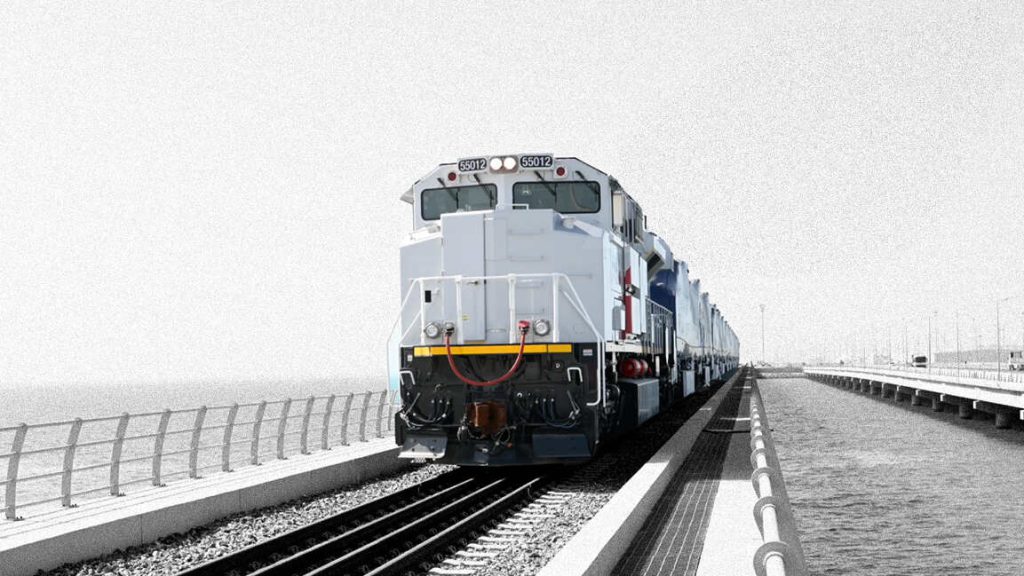
Pivot to multimodal transport networks where viable. When sea lanes face paralysis, a strategic combination of sea-to-rail, coastal feeder networks, or cross-border overland trucking can bypass maritime blockades entirely.
Establish standard operating procedures for transshipment. Be ready to short-ship to ocean-facing hubs and use secondary regional networks to pull cargo out of the Gulf via overland corridors.
3.The Hidden Killers of B2B Margins: War Risk Premiums and Demurrage
- When a maritime chokepoint like Hormuz faces a crisis, small to mid-sized B2B traders often look only at the soaring price of the commodity itself. This is a critical mistake. The real damage to your bottom line often comes from the hidden, compounding costs of maritime logistics under military tension—specifically, War Risk Premiums and Demurrage.
- In normal times, hull and cargo insurance are predictable operational expenses. But during an active conflict, underwriters invoke war risk clauses, causing War Risk Premiums for entering the Persian Gulf to skyrocket anywhere from 1% to 5% of the total value of the vessel and its cargo. To put this in perspective, for a Very Large Crude Carrier or a major capesize bulk vessel valued at 100 million dollars, this single premium adds an astronomical 1 to 5 million dollars in additional costs per single voyage. For smaller B2B operators trading containerized industrial goods or chemicals, this translates into an overnight surge in freight rates that can instantly wipe out planned profit margins.
- Compounding this financial strain is the brutal reality of demurrage. As naval blockades tighten and security screenings slow down traffic, vessels are forced to queue for days, sometimes weeks, outside the conflict zone or at alternative hubs like Fujairah or Muscat. Demurrage—the penalty fee paid to shipowners for exceeding the agreed time for loading or discharging cargo—accumulates every single hour the ship sits idle. When port congestion peaks during a crisis, daily demurrage rates can soar to tens of thousands of dollars. If your contract doesn’t explicitly define who bears the cost of these geopolitical delays, a single stranded shipment can lead to catastrophic disputes and severe cash flow depletion.
4. Strengthen Contracts and Risk Management
Vague, boilerplate contracts are an absolute death sentence during high-tension regional crises. Your legal frameworks must adapt to volatile operational realities.
Rewrite your Force Majeure definitions to explicitly cover maritime chokepoint closures, naval blockades, and sudden, prohibitive spikes in war risk insurance. Do not leave “unforeseen events” to standard legal interpretation.
Embed dynamic price-review mechanisms, flexible escalation clauses, and volume tolerances into long-term sales and purchase agreements (SPAs). This allows your contracts to automatically adjust parameters when benchmarks like Brent surge, preserving your margins.
Utilize secure escrow services or multi-jurisdictional payment platforms to slash counterparty default risk amid financial and banking disruptions.
5. Leverage Technology and Data
In a fast-moving crisis, information asymmetry is your greatest enemy. The traders who win are those who react to accurate data hours or days before the rest of the market.
Deploy real-time market intelligence and vessel-tracking platforms to identify instant regional price differentials and locate localized arbitrage opportunities.
Integrate Automated HS Code tools, live duty calculators, and compliance checkers into your workflow. This ensures that when you are forced to pivot routes or switch origins on short notice, your documentation remains flawless, avoiding costly customs delays at unfamiliar borders.
Implement AI-driven predictive analytics for sentiment monitoring, trend forecasting, and route optimization to simulate supply chain disruption scenarios before they manifest physically.
6. Build Regional Hubs
Physical proximity to open waters is an unmatched structural advantage. If your inventory is entirely trapped inside a closed gulf, your business is paralyzed.
Establish secondary warehousing, buffer stock, or light assembly centers within stable, secure economic zones with direct ocean access, such as Omani free zones or UAE bypass terminals.
Maintain decentralized inventory nodes further afield to insulate your core distribution networks from localized Middle Eastern shocks.
Aggressively network at international B2B exhibitions and digital trade platforms to cultivate a highly diversified portfolio of global buyers, allowing you to instantly reroute uncommitted cargo to alternative markets if a specific destination country becomes inaccessible.
In my businesses, the winners during crises were always those who treated logistics as a core competency, not an afterthought. They mapped every link in the chain, built deep technological resilience, and consistently maintained backups for backups.
Oman vs. Qatar: The Battle for the Next Re-Export Kingdom in 2026
Lessons from Past Crises: Why This One Feels Different
When you compare this to the 1970s oil shocks or the 2022 energy disruptions, the scale and speed of the 2026 Strait of Hormuz crisis are entirely unprecedented. Past energy shocks unfolded over months, giving global markets, alternative shipping routes, and manufacturing supply chains time to adapt and absorb the blow. Today, because of the exceptionally narrow geography of the strait and our hyper-dependent, modern just-in-time supply chains, the shockwave was instantaneous. Within forty-eight hours of the initial escalation, components and cargo destined for factories thousands of miles away were frozen in transit.
Yet, even in uncharted waters, historical patterns repeat: those with infrastructure agility win. The current crisis has clearly proven that building geographical redundancy is no longer an optional capital expenditure—it is a baseline requirement for corporate survival.
Oman’s success underscores a vital macroeconomic insight—proactive positioning and long-term infrastructure investment years in advance create massive asymmetric advantages when a crisis hits. Oman spent over a decade quietly developing deep-water ports like Duqm and Salalah and expanding its ocean-facing infrastructure, transforming its coastline into a global logistics fortress. Similarly, the multi-billion-dollar investments made by Saudi Arabia and the UAE into massive bypass infrastructure—such as the East-West Pipeline and the Habshan-Fujairah line—are paying massive dividends now. They built a literal safety valve for their economies, proving that the most valuable asset in modern trade is not the volume you can produce, but the flexibility of the routes you control.
Looking Ahead: Opportunities Amid the Chaos
While painful for many, crises accelerate innovation. Expect faster development of alternative routes, more LNG diversification, and greater adoption of digital trade platforms that reduce physical risk exposure.
For forward-thinking traders, this is a chance to capture market share from disrupted competitors. Focus on reliability, transparency, and value-added services like optimized routing or compliance support.
At Platform.Tendify.net, we’ve built exactly these capabilities—integrated tools for market analysis, document generation, calculators for duties and costs, and a network connecting reliable partners across shifting landscapes. Checking it out can give you a practical edge in modeling new routes or simulating scenarios without guesswork.
Final Thoughts: Adapt or Get Left Behind
The Strait of Hormuz crisis of 2026 has redrawn the map of energy trade. Oman leverages its fortunate coastline, Saudi Arabia and UAE use smart infrastructure, while others scramble. The “why” is simple: in global trade, resilience beats volume when routes fail.
From my desk after years of deals won and lost in tough markets, the message is clear—map your vulnerabilities today, invest in alternatives, and embrace tools that provide clarity. Those who act decisively will emerge stronger when flows eventually normalize.
The market always rewards preparation. Start auditing your supply chains this week. The next opportunity often hides in the disruption.
Ready to future-proof your trade operations? Head to Platform.Tendify.net and explore the command center tools designed for exactly these challenges. Whether it’s real-time calculators, compliance builders, or market intelligence, having the right systems in place turns volatility into advantage.