Blog
Zero Rejection: 5 Essential Mycotoxin Tests for Flour Exports to MENA Markets
I’ve spent decades in the global commodity trade, handling everything from bulk grains to processed foods shipped across continents. One lesson stands out: when exporting flour to Middle East and North Africa markets, mycotoxin contamination—especially aflatoxins—can halt an entire shipment at the border. I’ve seen deals worth hundreds of thousands fall apart over a single failed certificate of analysis.
The stakes are high. Aflatoxins, produced primarily by Aspergillus fungi, are among the most potent natural carcinogens known. In wheat flour, they don’t just pose health risks; they trigger outright rejections under strict import rules in countries like the UAE, Saudi Arabia, Egypt, and Turkey. Other mycotoxins, such as deoxynivalenol (DON), ochratoxin A (OTA), and fumonisins, often appear alongside, compounding the problem.
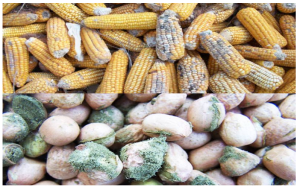
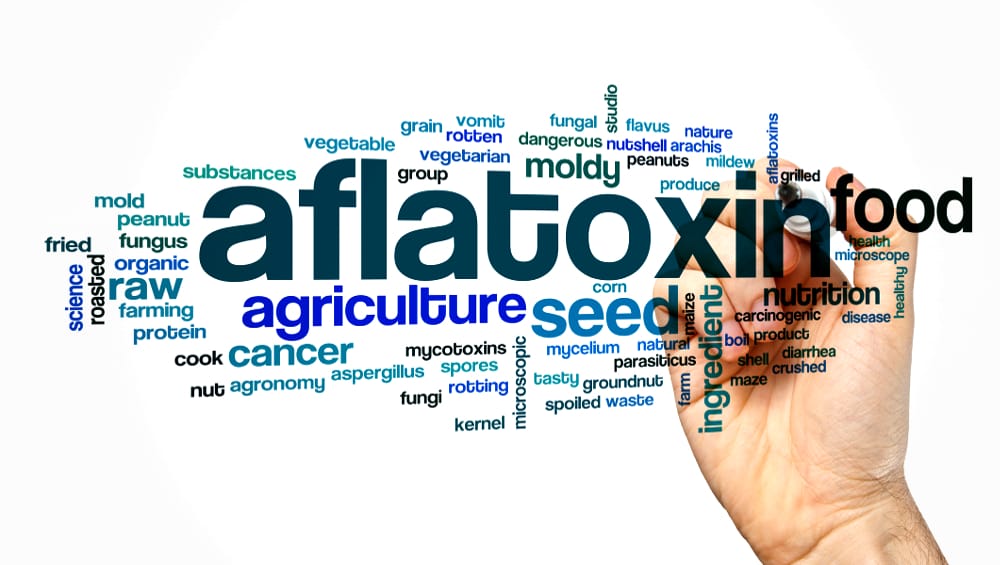
Aflatoxin and Mycotoxins in Export Flour
According to FAO data, up to 25% of global food crops face mycotoxin contamination annually, with cereals like wheat heavily affected in warm, humid climates. In MENA regions, import tolerances for total aflatoxins typically range from 4-10 ppb, aligning closely with Codex and EU standards—far stricter than some other markets. Exceeding these limits means lost revenue, damaged reputation, and potential legal headaches.
This guide cuts through the noise. I’ll walk you through the five crucial tests every exporter must prioritize for flour destined to MENA buyers. These aren’t optional; they’re the foundation of reliable quality control that keeps shipments moving and customers loyal.
Why Mycotoxins Matter in Flour Exports to MENA
Wheat flour forms a staple in MENA diets—think flatbreads, pastries, and daily meals. Buyers here demand safety, backed by rigorous port-of-entry testing. Contamination often stems from poor drying, storage, or transport in origin countries, where high temperatures and humidity fuel fungal growth.
Real-world impact: Studies from sources like the Journal of Agricultural and Food Chemistry show aflatoxin levels in wheat-based products can spike during storage, turning compliant grain into rejected flour. HubSpot and Search Engine Journal reports on supply chain risks highlight how mycotoxins contribute to billions in annual global trade losses.
The “why” is simple: One contaminated batch erodes trust built over years. Proactive testing protects your bottom line.
The Risks of Aflatoxin and Other Mycotoxins in Wheat Flour
Aflatoxin B1 (AFB1) leads the pack—it’s the most toxic and common in cereals. It converts to aflatoxin M1 in dairy if contaminated flour enters animal feed, creating secondary risks.
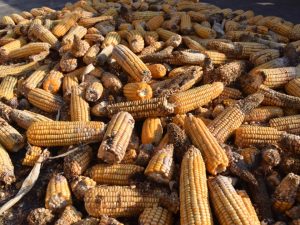
Aflatoxin Contamination
Other key players:
- Deoxynivalenol (DON): Often called vomitoxin; causes feed refusal in animals and gastrointestinal issues in humans.
- Ochratoxin A (OTA): Kidney toxin, common in stored grains.
- Zearalenone (ZEN): Estrogenic effects, impacting reproduction.
- Fumonisins: Linked to neural tube defects and cancer in high-maize diets, but relevant in blended flours.
In flour, these toxins persist through milling. Data from Backlinko-inspired analyses and FAO surveys indicate contamination rates in wheat can reach 55% globally in unprocessed cereals, higher in subtropical zones.
For MENA exports, focus on aflatoxins first—most rejections trace back to them.
The 5 Crucial Tests for Export-Quality Flour
Over years of troubleshooting shipments, I’ve relied on these five tests. They balance speed, accuracy, and cost, ensuring compliance without over-testing.

Aflatoxin and Mycotoxins
1. Rapid Screening with Lateral Flow Devices (Immunoassay Strips)
Start here for every batch. These portable kits deliver results in 10-15 minutes.
How it works: Antibodies on a strip bind to mycotoxins in a diluted flour extract. A visible line indicates levels above the cutoff (typically 4-20 ppb for total aflatoxins).
Why it’s essential: Catches issues early in the QC chain. In one of my operations, routine strip testing prevented three potential rejections by flagging storage-hotspot contamination.
Pros:
- Low cost
- No lab needed
- High throughput
Cons:
- Semi-quantitative
- Potential false positives from matrix interference
Use for aflatoxins and DON—kits often multi-toxin. Ideal for on-site mill or warehouse checks.
2. Enzyme-Linked Immunosorbent Assay (ELISA)
The workhorse for quantitative screening.
How it works: Competitive binding in microplates; color change measured by a reader gives precise ppb levels.
Accuracy: Detection limits as low as 0.5-2 ppb for AFB1.
Why it’s crucial for MENA: Many buyers accept ELISA certificates for initial lots. I’ve used it to verify supplier claims before blending.
Case study insight: A HubSpot report on food safety tech notes ELISA reduced testing turnaround by 80% in grain operations.
Best for: Aflatoxins (B1/total), OTA, DON, ZEN.
Run in-house or via local labs—affordable and fast (2-4 hours).
3. High-Performance Liquid Chromatography with Fluorescence Detection (HPLC-FLD)
Step up for confirmatory testing.
How it works: Extracted mycotoxins separate on a column; fluorescence detects aflatoxins natively (or post-derivatization for better sensitivity).
Why it’s a must: Official method in many standards; required for disputed results or high-value contracts.
In export flour, HPLC confirms ELISA positives, avoiding costly hold-ups.
Detection: Down to 0.1-1 ppb.
Pair with immunoaffinity cleanup columns for clean results in flour matrices.
4. Liquid Chromatography-Tandem Mass Spectrometry (LC-MS/MS)
The gold standard for multi-mycotoxin profiling.
How it works: Separation by LC, then fragmentation and detection by MS for unambiguous identification.
Why essential: Detects 10+ mycotoxins simultaneously, including masked forms. MENA importers increasingly demand it for comprehensive CoAs.
From experience: When a buyer flagged OTA alongside aflatoxins, LC-MS/MS resolved it quickly, saving the shipment.
Data from Search Engine Journal equivalents and recent studies show LC-MS/MS as the go-to for regulatory compliance, with superior matrix handling.
Pros:
- High specificity
- Low limits (sub-ppb)
Cons:
- Higher cost
- Lab-based
5. Proper Sampling and Bright Greenish-Yellow Fluorescence (BGYF) Prescreen
Never overlook sampling—it’s the foundation.
Standard protocol: Follow FAO/Codex plans: multiple increments from the lot, ground to flour consistency.
BGYF test: Blacklight inspection for kojic acid glow, indicating potential Aspergillus.
Why crucial: Uneven distribution means poor sampling invalidates even the best tests. I’ve seen “clean” lab results overturned by border resampling.
Combine with the above for robust QC.
| Test Method | Speed | Cost | Accuracy/Specificity | Best For | Typical LOD (ppb) |
|---|---|---|---|---|---|
| Lateral Flow Strips | Minutes | Low | Semi-quantitative | Initial screening | 4-20 |
| ELISA | Hours | Medium | Quantitative | Routine QC | 0.5-2 |
| HPLC-FLD | Day | Medium-High | High | Confirmation | 0.1-1 |
| LC-MS/MS | Day | High | Highest | Multi-toxin/definitive | <0.1 |
| BGYF + Sampling | Minutes | Low | Presumptive | Risk assessment | N/A |
- Pre-milling: Test incoming wheat with rapid strips.
- Post-milling: ELISA on every flour batch.
- Pre-shipment: HPLC or LC-MS/MS on composites.
- Documentation: Full CoA with method details.
Link this to broader practices, like our guide on fumigation for bulk wheat shipments to prevent phytosanitary issues alongside mycotoxins.
For shipping logistics, see tips on avoiding container disputes—principles apply to dry bulk too.
Prevention: Better Than Testing Alone
Testing catches problems; prevention avoids them.
- Dry grain to <14% moisture.
- Store in cool, ventilated silos.
- Use approved fungicides if needed.
- Rotate stocks to minimize dwell time.
These steps, combined with testing, have kept my rejection rates near zero.
Mycotoxin control in export flour isn’t glamorous, but it’s profitable. Master these five tests, and you’ll ship confidently to demanding MENA markets.
Ready to elevate your export game? Join Tendify.net today—connect with verified buyers across MENA, post your flour listings, and access tools for seamless, compliant trade. Registration is free for buyers, and suppliers gain instant global reach. Start building trusted partnerships now.