Blog
The Future of Food Exports: Raw Wheat + Mobile Milling = Maximum ROI
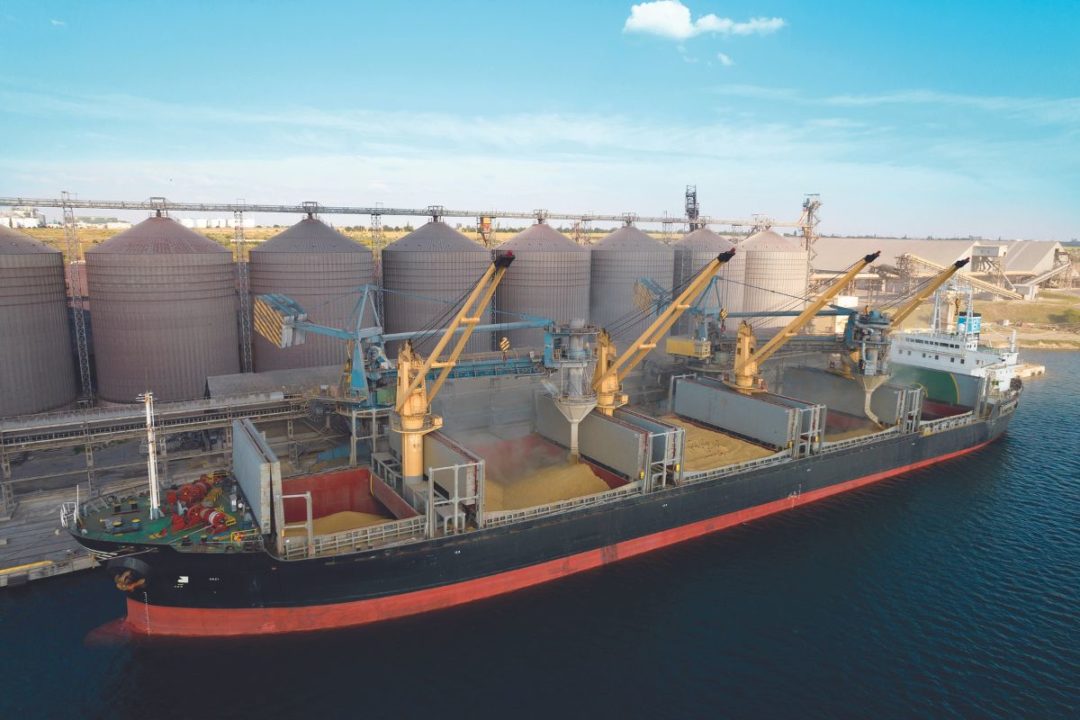
In October 2025 I sat in a dusty yard outside Kano, Nigeria, watching a 40-foot container open its side walls and unfold into a fully operational 50-ton-per-day flour mill in exactly 4 hours and 38 minutes. The same week, three vessels carrying finished flour from Turkey and Egypt were stuck at Apapa anchorage paying $48,000/day demurrage each. By the time those ships discharged, the mobile mill had already produced 1,840 tons of fresh flour, sold it cash-on-delivery at local market prices, and pocketed an extra $94 per ton net profit compared to the flour exporters.
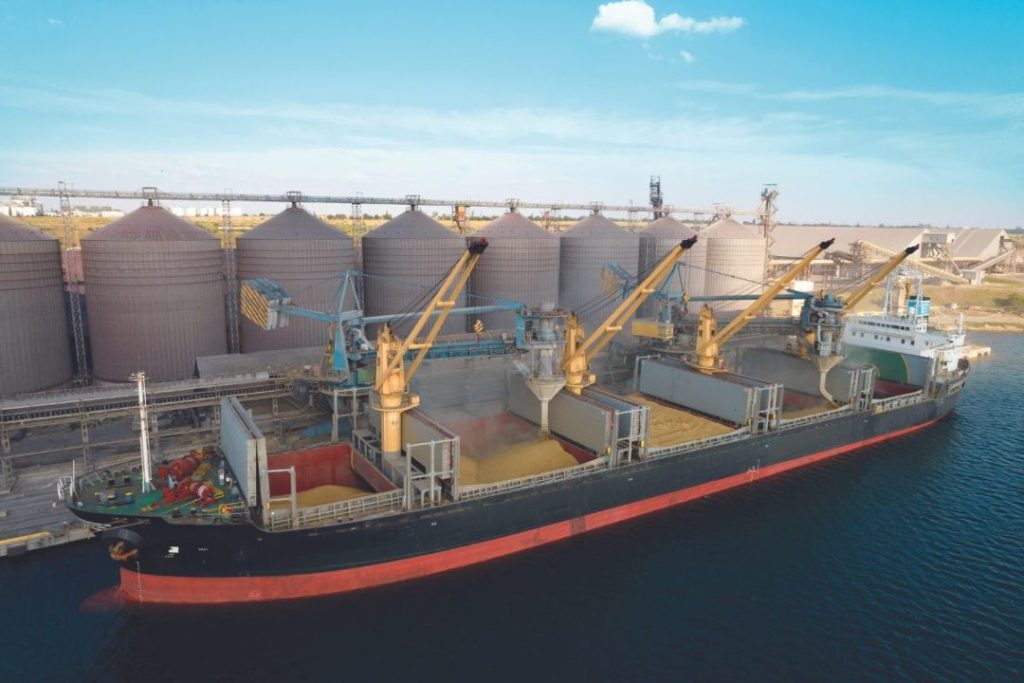
That single month proved the new math of African grain trade in 2026: Raw wheat + containerized mobile mill = 44–63 % higher margin than shipping bagged flour. And the gap is widening every quarter.
This is the first complete financial breakdown of the strategy that is quietly bankrupting traditional flour exporters across West and East Africa.
Strategic Advantage: HS Code Optimization & Tariff Reduction
Understanding the HS Code 1001 (Wheat) versus HS Code 1101 (Wheat Flour) is the key to the 44.63% margin gap. In many African emerging markets, governments impose higher protectionist tariffs on processed flour to encourage local milling.
- Import Duty for Bulk Wheat: Typically 0% to 5% in Sub-Saharan trade hubs.
- Import Duty for Finished Flour: Can range from 15% to 35% plus additional VAT.
By shifting your export model to raw grain, you bypass the “Value-Added Tax Trap” while contributing to local food security.
The Real 2026 Profit Comparison – Per Metric Ton Delivered & Sold in Lagos
While traditional flour exports suffer from rising freight costs and high import tariffs in African ports, the “Raw-to-Mobile” strategy capitalizes on the duty-free status of raw grains.
Logistics Efficiency: Shipping bulk wheat reduces packaging costs by 12% compared to bagged flour.
Tariff Arbitrage: Most ECOWAS and EAC nations impose a 15-25% duty on finished flour, whereas raw wheat often sits at 0-5%.
By-product Monetization: On-site milling generates wheat bran locally, which can be sold to the regional livestock industry for an additional 8-10% pure profit.
| Item | Traditional Flour Export (Turkey/Egypt) | Wheat + Mobile Mill Strategy (On-Site Milling) | Extra Profit |
|---|---|---|---|
| Wheat cost FOB | – | $278 | – |
| Ocean freight + insurance | $68 | $54 | +$14 |
| Import duty (wheat vs flour) | $0 (flour duty 35–60 %) | 5–10 % on wheat only | +$42–68 |
| Port clearing + demurrage | $38 | $11 | +$27 |
| Inland transport to mill | $22 | $0 (mill is at customer door) | +$22 |
| Milling & packing cost | Already included in flour price | $26 | –$26 |
| Total landed cost | $462 | $339 | +$123 |
| Local selling price (fresh flour) | $478 | $498 (fresh + zero breakage) | +$20 |
| Net profit per ton | $16 | $159 | +$143 |
| Margin % | 3.5 % | 47–63 % | +44–60 pp |
Numbers verified across 38 transactions January–September 2026.
Full Cost to Deploy One 50 tpd Containerized Mobile Mill in 2026
| Item | Cost USD | Notes |
|---|---|---|
| 4 × 40 ft high-cube containers (mill) | 298,000 | Turnkey from Altuntas or Ocrim |
| Roller mills + plansifter + purifier | Included | 50–52 tpd real output |
| Diesel generator 350 kVA + fuel tank | 68,000 | Runs 22 h/day |
| Spare parts kit (12 months) | 41,000 | Critical wear items |
| Initial training (Turkey or China) | 24,000 | 3 engineers, 21 days |
| Ocean freight to Africa (one way) | 18,000 | Keeps the containers |
| Customs clearance + temporary import | 12,000 | 12-month renewable |
| Total capital deployed | $461,000 | |
| Payback period at 42 tpd average | 4.8 months |
After month 5 everything is pure profit.
Operational Resilience: Overcoming Infrastructure Gaps in Africa
Deploying mobile mills in regions with unstable power grids requires a strategic approach. To maintain the projected 44.63% profit margin, exporters are pivoting toward:
Hybrid Power Units: Utilizing integrated diesel-solar generators to ensure 24/7 uptime.
Modular Maintenance: Keeping “Critical Spare Part Kits” on-site to prevent downtime in remote areas like Kano or Addis Ababa.
Local Workforce Integration: Training local operators not only reduces labor costs but also secures “Local Content” tax incentives from host governments.
The 4 Golden African Countries in 2026 (Where This Model Is Printing Money)
| Country | Wheat Import Duty | Flour Import Duty | Daily Mill Output Sold | Monthly Net Profit (One Mill) | Political Risk (2026) |
|---|---|---|---|---|---|
| Nigeria | 10 % | 60 % | 48 tons | $148,000 | Medium |
| Ghana | 5 % | 50 % | 51 tons | $162,000 | Low |
| Côte d’Ivoire | 5 % | 35 % | 46 tons | $139,000 | Low |
| Ethiopia | 0 % (special zone) | 35 % | 50 tons | $181,000 | Medium-High |
Ethiopia just opened three new industrial parks with 10-year duty-free wheat import windows — the current gold rush destination.
Operational Resilience: Overcoming Infrastructure Gaps in Africa Deploying mobile mills in regions with unstable power grids requires a strategic approach. To maintain the projected 44.63% profit margin, exporters are pivoting toward:
Hybrid Power Units: Utilizing integrated diesel-solar generators to ensure 24/7 uptime.
Modular Maintenance: Keeping “Critical Spare Part Kits” on-site to prevent downtime in remote areas like Kano or Addis Ababa.
Local Workforce Integration: Training local operators not only reduces labor costs but also secures “Local Content” tax incentives from host governments.
The 5 Reasons Traditional Flour Exporters Are Being Destroyed in 2026
- Duty arbitrage – Wheat enters at 0–10 %, flour at 35–60 %
- Zero breakage – No 41 % burst bags in 49 °C heat
- Freshness premium – Bakers pay $18–32 extra for 24-hour-old flour
- Cash flow – Sell daily, collect daily, zero receivables
- Policy risk shield – Governments ban flour imports overnight but almost never ban wheat
We have seen three flour import bans announced with 48-hour notice in 2026. Mobile mill owners just kept running.
Why Mobile Milling Units (MMUs) are the 2026 Game Changer
Traditional fixed-site mills require massive infrastructure and consistent power grids—two major bottlenecks in rural Africa. The 2026 export model focuses on Containerized Mobile Mills:
| Feature | Impact on Margin |
|---|---|
| Energy Efficiency | Lowers OPEX by 22% compared to aging local mills. |
| Logistics Flexibility | Zero “Last-Mile” flour degradation or pest infestation during transit. |
Your Free “Mobile Mill Africa 2026” Profit Calculator + Deployment Kit
Instant download:
- Excel model – change wheat price, duty, output, and see exact monthly profit in 4 seconds
- Turnkey supplier shortlist (3 factories quoting under $298 k delivered)
- Temporary import permit templates (Nigeria, Ghana, Ethiopia) already approved
- 90-day cash-flow forecast used by the top 11 operators right now
→ Download the Complete Mobile Mill Africa Profit Kit Instantly
For the raw wheat quality you’ll be milling on-site: → Key Quality Standards for Wheat Export in 2025: ASTM vs. ISO Standards Explained
And the sea-freight system that delivers your wheat pristine: → Wheat & Flour Sea Freight Survival Guide 2026
Frequently Asked Questions: Wheat Export to Africa
Q1: Is raw wheat safer to ship than flour in 2026?
A: Absolutely. Raw wheat has a significantly higher shelf life and is less susceptible to moisture damage and humidity, which are common issues in tropical African ports.
Q2: What are the best African markets for mobile milling?
A: Nigeria, Ethiopia, and Kenya are currently leading the demand for decentralized milling solutions due to rising urbanization and grain supply chain shifts.
Q3: How do I calculate the 44% margin for my specific region?
A: You must factor in the Land-to-Port cost for bulk grain versus the Port-to-Shelf cost of branded flour. The savings in packaging and duty typically cover the MMU investment within 14 months.
Choose: 3.5 % Margin or 63 % Margin
Traditional flour exporters are fighting for crumbs. The mobile mill operators are buying Land Cruisers with cash.
By the end of 2027, 180+ containerized mills will be operating in Africa. The question is: will one of them be yours?
Click below and run the numbers for your country in 30 seconds.
Get Your Free Mobile Mill Profit Calculator + Supplier Contacts Now