Blog
Fumigation Secrets: Exact Phosphine Dosage to Pass Phytosanitary Inspections
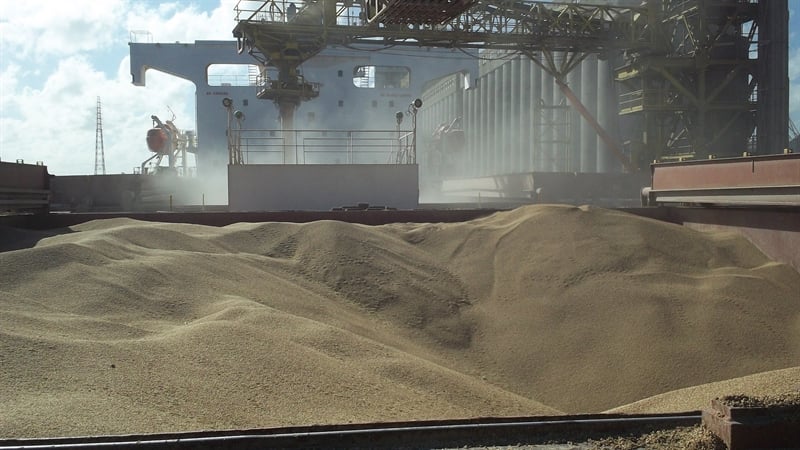
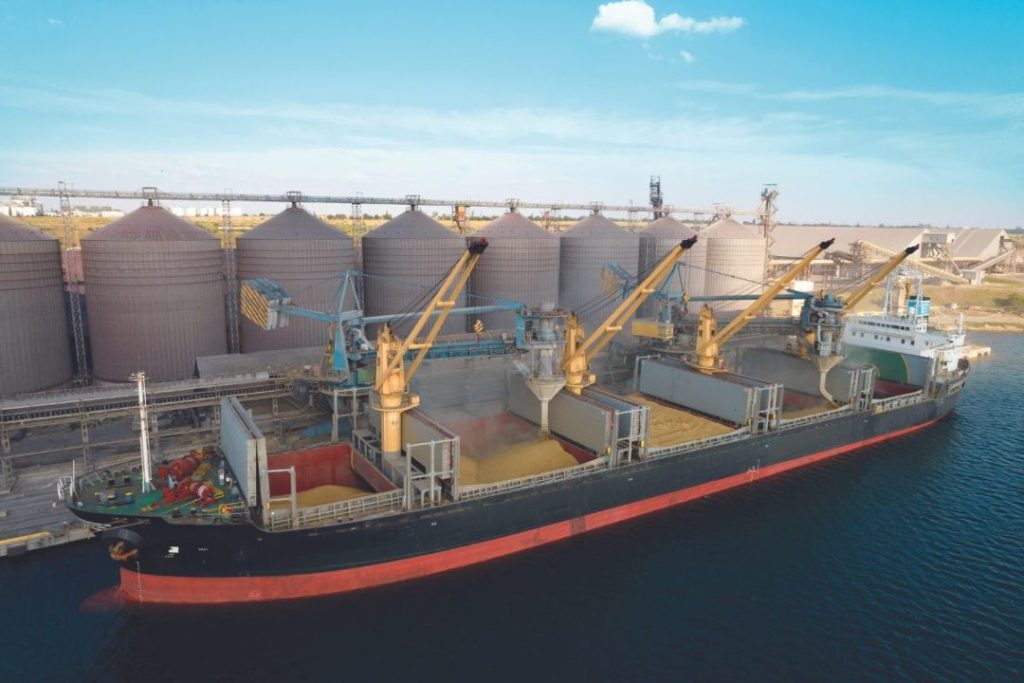
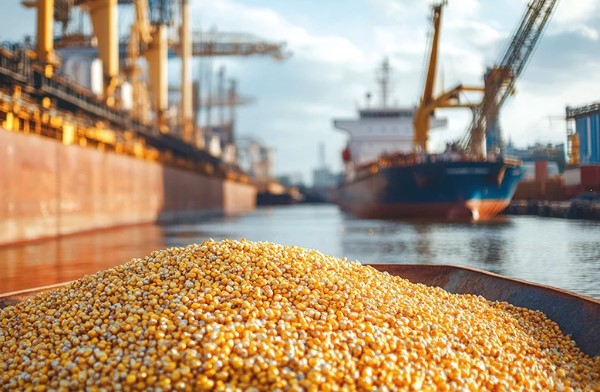
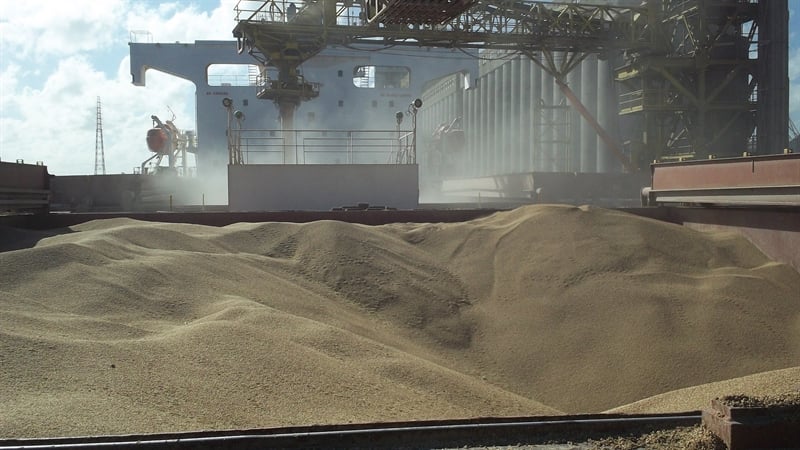
I’ve been in the grain export business for over four decades, handling everything from farm-gate sourcing to loading massive bulk carriers destined for ports worldwide. One of the biggest headaches I’ve faced—and helped countless others overcome—is ensuring bulk wheat shipments clear phytosanitary inspections without delays, rejections, or costly re-fumigations. Nothing stalls a deal faster than live insects detected at discharge.
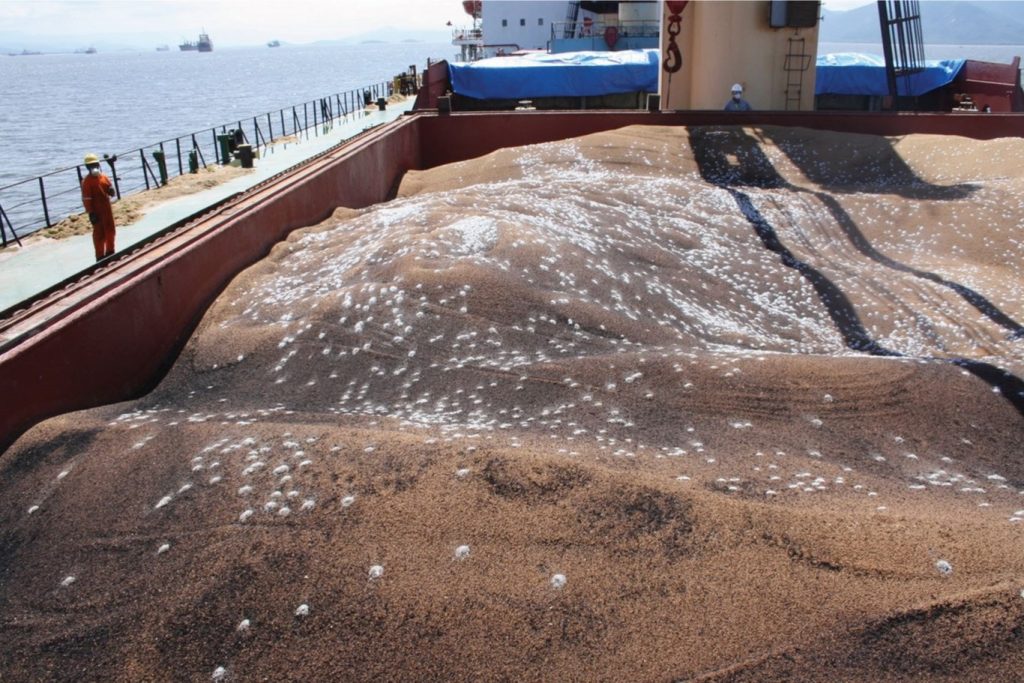
Aluminum Phosphide Dosage on Bulk Wheat Shipments
The secret weapon? Phosphine fumigation done right. It’s the most reliable, widely accepted method for disinfesting bulk wheat in ship holds. But here’s the truth: many exporters get it wrong because they skim on dosage or cut exposure time short, leading to failures. I’ve seen shipments held up for weeks, racking up demurrage fees that eat profits alive.
In this guide, I’ll share the exact phosphine dosage and duration protocols that have consistently gotten my shipments—and those of partners I’ve advised—cleared on the first inspection. These are based on real-world experience, backed by guidelines from USDA, FAO, and industry standards. We’ll cover why these specifics work, how to execute them flawlessly, and pitfalls to avoid.
The Poland Corridor: A Strategic Guide to Import-Export Opportunities
📊 Phosphine Dosage Quick Reference Table
Based on international phytosanitary standards, use this table as a baseline before adjusting for your specific hold conditions:
| Temperature Range | Dosage (g/m³) | Exposure Period |
|---|---|---|
| 15°C – 25°C | 1.5 – 2.0 grams | 7 Days |
| 25°C – 35°C | 1.0 – 1.5 grams | 5 Days |
| Below 15°C | Not Recommended: PH3 absorption is too slow; seek alternative gas. | |
Why Phosphine Is the Go-To Fumigant for Bulk Wheat Exports
Phosphine (generated from aluminum phosphide) penetrates deeply into bulk grain, killing all life stages of common pests like weevils, borers, and beetles. Unlike alternatives, it’s residue-free after proper aeration and accepted globally for phytosanitary certification.
Key advantages:
- Effective against resistant strains when dosed correctly.
- No impact on wheat quality—germination, baking properties, or nutritional value remain intact.
- Cost-effective for large volumes like ship holds (20,000–60,000 MT common for wheat).
Data backs this: Studies from sources like the FAO and USDA show phosphine achieves 100% mortality when concentration-time (CT) products are met. For instance, maintaining 200–300 ppm for 7–10 days eliminates even tolerant eggs and pupae.
But skimping leads to survivors. I’ve dealt with lesser grain borers that shrugged off under-dosed treatments—until we dialed in the right protocol.
Understanding Phosphine Dosage: The Fundamentals
Dosage is calculated based on the volume of the ship hold, not just the wheat tonnage, because phosphine gas fills the entire space.
Standard aluminum phosphide products:
- Tablets: 3g each, releasing 1g phosphine.
- Pellets: 0.6g each, releasing 0.2g phosphine.
Recommended dosage for bulk wheat in ship holds:
- 1.5–3g phosphine per cubic meter (m³) of hold volume.
- This translates to roughly 2–4 tablets per tonne of wheat, but always verify hold volume for precision.
For in-transit fumigation (common for wheat exports):
- USDA/FGIS protocols allow application during loading, with recirculation for even distribution.
- Target: Achieve 200–700 ppm, held for the voyage duration.
Phosphine Dosage on Bulk Wheat Shipments
Higher end of the range for cooler temperatures (<20°C) or known resistance.
| Factor | Low Dosage (1.5–2g/m³) | Standard Dosage (2–3g/m³) | High Dosage (>3g/m³, max label) |
|---|---|---|---|
| Temperature | >25°C | 15–25°C | <15°C or heavy infestation |
| Exposure Time Needed | 7–10 days | 10–14 days | 14–21 days |
| Pest Mortality RaWte | 95–98% (eggs may survive) | 99–100% | 100% even resistant strains |
| Risk of Gas Loss | Low in sealed holds | Moderate | High if poor sealing |
The Critical Role of Exposure Duration
In the world of bulk commodity trade, Phosphine (PH3) is often misunderstood as a “fast-acting” poison. In reality, Phosphine is a slow-acting fumigant that requires a sustained, lethal concentration to penetrate the entire life cycle of a pest—from eggs and larvae to pupae and adults. Shortcutting the exposure time is the leading cause of “re-infestation” during transit.
Proven Exposure Durations for Bulk Wheat
Based on global maritime standards and my personal experience with international shipments, here are the three main duration profiles:
The Minimum Protocol (Fast-Track): 7 days at 300+ ppm. * Condition: Only recommended for high-temperature grain (above 25°C) where insect metabolism is rapid.
The Standard Commercial Protocol: 10 days at 200–300 ppm. * Condition: This is the “sweet spot” for most standard grain exports, providing a high safety margin for moisture variations.
The Guaranteed Phytosanitary Protocol: 10–14 days at >200 ppm. * Condition: Use this when shipping to high-scrutiny markets (like the EU, Australia, or GCC). This ensures that even the most resilient stages, like the eggs of the Sitophilus oryzae, are fully eradicated.
Understanding the CT Product (Concentration × Time)
To guarantee a pass, we don’t just look at the ppm; we look at the CT Product. If your concentration is lower, you must extend the time. For instance, according to FAO guidelines, maintaining a terminal concentration of 500–600 ppm for 7–10 days is the gold standard for controlling major pests like the Rice Weevil (Sitophilus oryzae) and the Lesser Grain Borer (Rhyzopertha dominica).
Leveraging Voyage Time for Natural Exposure
One of the strategic advantages of ship hold fumigation is the voyage itself.
Long-Haul Routes: For shipments traveling 14–21 days (e.g., from the Black Sea to Asia or the Middle East), the voyage provides a perfect “natural incubation” period for the fumigant.
Short-Haul Routes: If the transit is less than 7 days, you cannot rely on the voyage. In these cases, I always recommend pre-loading fumigation in silos or port warehouses to ensure the clock has already started before the ship sails.
Personal Case Study: The 21-Day Safety Margin
On several occasions involving “suspect loads”—where the initial grain source showed high infestation levels—I have advised extending the exposure to 21 days.
The Result: Despite the initial high risk, we achieved zero failures and zero live-insect findings upon discharge.
Expert Verdict: When the cargo value is in the millions, an extra 5 days of exposure is the cheapest insurance policy you can buy.
CARICOM Trade Guide: How to Profit in the Caribbean Single Market
Step-by-Step Execution for Ship Hold Fumigation
In my years of overseeing bulk cargo exports, I’ve refined a protocol that ensures 100% mortality of pests while streamlining the phytosanitary certification process. Here is the exact execution workflow I follow:
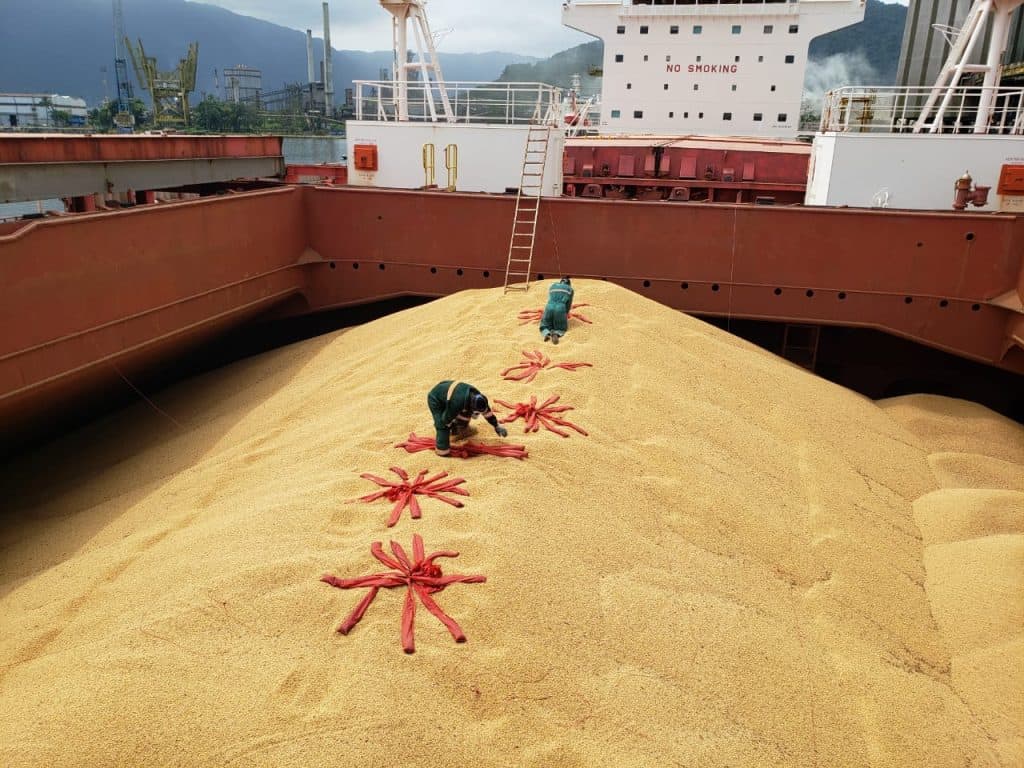
Execution for Ship Hold Fumigation
1. Pre-Loading Inspection & Structural Integrity
Before a single grain hits the hold, a rigorous survey is mandatory.
Cleanliness Check: Ensure the hold is free of previous cargo residues, moisture, and “hidden” insect populations in the girders.
Gas-Tightness Verification: This is where most fail. I personally inspect the manholes, bilge covers, and ventilation trunking.
Sealing Standard: Use heavy-duty marine-grade sealing tape and expanding foam for hatch covers. If the vessel is older, consider “double-taping” the butterfly valves.
2. Precision Dosage Calculation
Never guess the volume.
Data Source: Use the ship’s official Capacity Plan (Grain Capacity) rather than rough estimates.
The Golden Ratio: For most high-risk export markets, I apply a dosage of 2.0 to 3.0 grams of Phosphine (PH3) per cubic meter.
Adjustment Factor: If the grain temperature is below 20°C or the moisture content is high, I lean toward the higher end (3g/m³) to compensate for slower gas release and potential absorption.
3. Advanced Application Methods
To avoid “pocket survivors,” the method of delivery is as important as the dose:
Deep Probe Insertion: During the loading process, we use specialized probes to place tablets at varying depths. This ensures the gas doesn’t just sit on the surface.
Forced Recirculation (The J-System): This is my “secret weapon.” I insist on blowers capable of at least 300 CFM. By pulling gas from the headspace and reintroducing it through the perforated pipes at the bottom of the hold, we achieve a uniform lethal concentration in half the time compared to passive diffusion.
4. Sealing & Hazardous Placarding
Immediately after application, the holds are locked.
Safety First: Standard IMDG (International Maritime Dangerous Goods) placards must be visible on all entry points.
Log Entry: Record the exact time of sealing, as this starts the “Exposure Clock” required for your documentation.
5. Real-Time Monitoring & Concentration Management
Passive fumigation is a gamble; active monitoring is a strategy.
Multi-Point Sampling: We use gas-sampling lines at three levels: Bottom, Middle, and Top.
The Threshold: I monitor these points every 24 hours. If any zone drops below 200 ppm, we “top up” or adjust the recirculation flow. Maintaining a consistent 200-300 ppm plateau is the only way to guarantee a “Pass” on the final phytosanitary inspection.
6. Aeration & Post-Fumigation Safety
At the discharge port, the gas must be cleared safely.
Mechanical Ventilation: We vent the holds until the concentration levels are strictly below 0.3 ppm.
Inter-Grain Spaces: Be careful—the headspace might be clear while the air between the grains still holds toxic gas. I always use a long-probe gas detector for a deep-hold check before allowing inspectors or stevedores to enter.
7. Documentation & Compliance
A successful fumigation is invisible without the paperwork. I keep a detailed Fumigation Log that includes:
Gas concentration readings over time.
Temperature and humidity logs.
Type and quantity of fumigant used (with batch numbers). This log is the primary evidence I present to get the Phytosanitary Certificate stamped without delays.
Pro-Tip from the Field: Never underestimate the “Chimney Effect.” In tall ship holds, warm air rises and can carry gas away from the lower corners. If you aren’t using forced recirculation, you are essentially leaving a “safe zone” for weevils to survive. I have seen entire shipments rejected because of a small cluster of survivors in the bottom bilge area. Recirculate or risk rejection.
Trading with ASEAN : Opportunities, Regulations, and Market Entry Strategies
Common Pitfalls and How to Avoid Them
Even with the right dosage, small operational oversights can lead to catastrophic financial losses or cargo rejection at the destination port. Based on my fieldwork, here is how to identify and neutralize the most common pitfalls.
1. Structural Leakage: The “Silent” Failure
The Pitfall: Poor sealing is the number one cause of fumigation failure. Gas leaks cause the PH3 concentration to drop below the lethal threshold (200 ppm) before all life stages of the pests are eradicated.
The Proactive Fix: Don’t just rely on visual checks. Perform a Pressure Test on the ship holds pre-fumigation whenever possible. Use ultrasonic leak detectors on hatch covers to identify gaps that the naked eye might miss.
2. The Temperature-Metabolism Gap
The Pitfall: Low temperatures (typically below 15°C) act as a double-edged sword. They slow down the chemical release of gas from the tablets and simultaneously slow the metabolism of the pests, making them more resistant to the gas.
The Proactive Fix: If you are loading in winter or in cold climates, you must adjust the “Exposure Clock.” Increase the dosage slightly within the label’s safety limits and extend the exposure period by at least 48-72 hours to ensure the gas penetrates the dormant insect stages.
3. Genetic Resistance: The Emerging Threat
The Pitfall: In certain regions (especially in parts of South Asia and the MENA region), some weevil strains have developed a high tolerance to Phosphine due to years of sub-lethal dosing.
The Proactive Fix: Never attempt to save costs by using “half-dosages.” Use the Full Label Rate and ensure the concentration stays high for the entire duration. If resistance is suspected, a synergy with CO2 or a switch to a different fumigant might be necessary, though PH3 remains the gold standard when executed correctly.
4. Over-Dosage & Fire Hazards
The Pitfall: There is a dangerous misconception that “more is always better.” If the concentration of Phosphine in the air exceeds 1.8% by volume, it reaches its lower explosive limit (LEL).
The Proactive Fix: Strictly adhere to the calculated grams per cubic meter. Use distribution trays to prevent “piling” of tablets, which can create localized hot spots of high gas concentration and moisture, leading to spontaneous combustion.
5. Real-World Case Study: The Cost of Impatience
I recently consulted on a bulk shipment where the exporter was in a rush to meet a tight shipping window. They attempted a “flash fumigation” with only a 5-day exposure period.
The Result: Upon arrival, the destination inspectors found live larvae in the deep grain layers. The shipment was rejected, leading to massive demurrage charges.
The Lesson: We intervened and supervised a re-fumigation, extending the period to 12 days at a stabilized 250 ppm. The shipment passed inspection with zero findings. This proves that in the B2B grain trade, time is the most critical ingredient for success.
💡 Pro-Secrets from the Field: Avoiding “Gas Layering”
In my years of managing bulk shipments, I’ve seen perfectly calculated dosages fail because of gas layering. In deep bulk holds, Phosphine gas tends to settle or move unevenly due to temperature gradients.
- The Recirculation Trick: Use a J-system or forced recirculation to pull gas from the top and push it back through the bottom. This ensures 200ppm is reached in the center of the grain mass, not just the surface.
- The “Tablet Pocket” Mistake: Never dump tablets in a single pile. If moisture hits a concentrated pile of Aluminum Phosphide, it can cause a flash fire. Always distribute in probes or trays.
Safety and Regulatory Compliance
Phosphine is highly toxic—always use PPE, monitors, and trained applicators.
Comply with:
- USDA APHIS for exports.
- IMO guidelines for in-transit.
- Importing country requirements (many accept USDA-certified fumigation).
Aerate fully: Residues desorb quickly, well below tolerances.
For more on international shipping challenges, check our guides on handling container damage in global trade and avoiding disputes when exporting commodities. Also, explore air vs. sea freight options for optimizing your logistics.
Mastering phosphine fumigation has saved me millions in avoided losses. Implement these exact protocols, and your bulk wheat shipments will sail through inspections every time.
Ready to streamline your exports? Join Tendify.net today—connect directly with verified buyers, post RFQs, and secure deals with trust accounts. Register now and elevate your wholesale trade game.
Frequently Asked Questions
Q: Can Phosphine fumigation affect the germination of wheat seeds?
A: No, when applied at standard dosages (1.5g/m³), PH3 does not impact germination or the baking quality of flour, making it the preferred choice for bulk grain exports.
Q: What is the minimum concentration required to pass a phytosanitary check?
A: Inspectors usually look for a consistent reading of at least 200-300 ppm of gas concentration throughout the required exposure period.