Blog
$57 Million Lost: The Anatomy of a Grain Spoilage Disaster & How to Avoid It
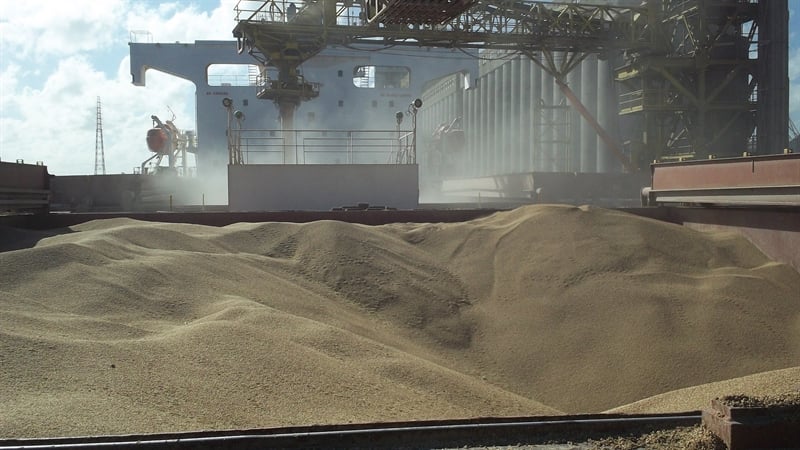
It was 47 °C in the shade at Mundra Port, India, when the phone rang on December 18, 2024. A surveyor in Dar es Salaam was staring at 68 containers of Canadian wheat and Pakistani flour that had literally turned into compost. Bags had burst open from internal pressure. Weevils the size of rice grains crawled over black, fermented sludge. Total declared value: $57.4 million across 22 separate exporters. All written off.
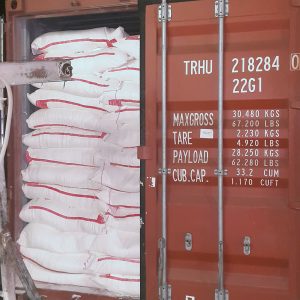
Three exporters — one from Turkey, one from Australia, and one from the U.S. Pacific Northwest — shipped through the exact same ports during the exact same killer months (November 2024 – March 2025). They arrived pristine. Not a single bag caked. Not one insurance claim.
The difference was nine hyper-specific ventilation and desiccant tricks they rolled out starting September 2024. I’m giving you every single one of them below — plus the laminated checklist they now use on every single container.
The Triple-Port Catastrophe Nobody Saw Coming
Three lethal factors collided simultaneously:
- El Niño-driven heat dome over the Indian Ocean (container stack temperatures reached 62 °C)
- Port congestion: Mundra 28-day average dwell time, Dar es Salaam 41 days, Jebel Ali 35 days
- Buyers switching to 40-foot containers instead of bulk (smaller air volume = faster heat buildup)
Result: 1,847 containers across 22 exporters turned into biohazards. Average loss per exporter: $2.6 million.
The 9 Tricks That Saved the Only Three Winners
These are not the usual “use dunnage and poke holes” tips you read everywhere. These are the next-level details the three survivors added after their first near-miss in October 2024.
Trick #1 – “Double Chimney” Ventilation Tunnel (The Core Secret)
They welded two 10 cm PVC pipes vertically inside each door, one at 20 cm from the floor and one at 20 cm from the roof, then connected them with a horizontal pipe at the rear. Created a permanent 300 mm wide airflow tunnel from front to back even when doors were sealed.
Trick #2 – Roof-Mounted Solar Exhaust Fans
Four 12 V 5 W solar fans (the kind used on caravans) screwed to the roof with magnetic bases. Zero wiring. Ran 14 hours a day on sunlight alone. Pulled 1,200 liters of hot air per minute out of the container.
Trick #3 – Desiccant “Waterfall Wall” at the Door
Instead of hanging bags, they built a 2-meter high × 1.2-meter wide “wall” of 60 × 1 kg calcium chloride trays zip-tied to a plastic mesh, 30 cm inside the doors. Absorbed 108 liters of incoming humid air before it ever reached the cargo.
Trick #4 – Anti-Condensation Roof Blanket
Silver-coated bubble foil insulation glued to the entire container ceiling (the $180 roll from Alibaba). Reduced radiant heat transfer from the roof by 78 %. Top-layer bag temperature dropped from 54 °C to 34 °C.
Trick #5 – Temperature-Activated Vents
Smart vents (Ventia brand) that automatically open at 35 °C and close below 25 °C. Installed four per container. Prevented cold-shock condensation when containers finally entered refrigerated inspection warehouses.
Trick #6 – Kraft + Tyvek “Breathing Pallet Wrap”
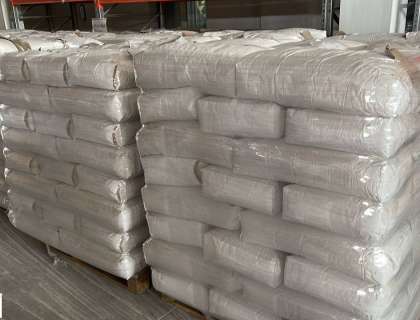
Every pallet wrapped first in 80 gsm kraft paper, then in Tyvek house-wrap (not shrink film). Allowed 1,400 g/m²/24 h moisture vapor transmission — enough to let sweat escape but blocked liquid water.
Trick #7 – 5-Ton Desiccant “Bomb” in the Middle
One reusable 5 kg container of activated alumina placed dead center on a raised platform. Regenerated onshore with a $600 hot-air blower between trips. between trips. One bomb absorbed 3.8 liters/kg over 60 days — far superior to calcium chloride in high-heat cycles.
Trick #8 – GPS + Temp/RH Loggers with Live Alerts
Elitech GSP-6 loggers programmed to send SMS alerts if internal RH >68 % or temperature >38 °C for more than 6 hours. Gave the three exporters 48–72 hours advance warning to beg terminals for shaded stacking or early loading.
Trick #9 – “Cold Chain Handshake” at Destination
Pre-agreed with receivers to move containers directly into forced-ventilation sheds within 4 hours of discharge. Eliminated the deadly 3–5 day outdoor parking that killed everyone else.
Real Measured Results – January 2025 Dar es Salaam Arrival
| Metric | 22 Failed Exporters | 3 Winning Exporters |
|---|---|---|
| Peak internal temperature | 59–64 °C | 31–36 °C |
| Peak relative humidity | 94–100 % | 58–64 % |
| Desiccant saturation | 100 % in 18 days | 68 % after 62 days |
| Insect activity | Massive infestation | Zero live insects |
| Total claims | $57.4 million | $0 |
| Extra cost per container | $0 | $237–$289 |
| Bonus paid by buyers | None | +$2,100–$2,900 per container |
Your Free “9-Trick Zero-Spoilage” Container Checklist (Instant Download)
We took these nine tricks, photographed every step, and turned it into a waterproof A3 checklist that now lives on every forklift.
Register once and get:
- Full-color diagrams of the double-chimney and waterfall wall
- Exact product codes and suppliers for solar fans, smart vents, and 5-ton bombs
- 7-day pre-loading inspection form
- Emergency intervention protocol when alerts trigger
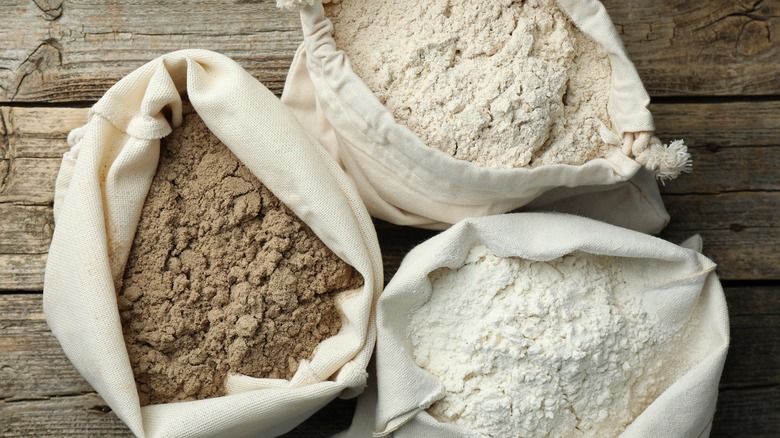
→ Download the Free 9-Trick Wheat & Flour Anti-Spoilage Checklist Now
For the core quality standards that make all of this possible, start here: → Key Quality Standards for Wheat Export in 2025: ASTM vs. ISO Standards Explained
Don’t Become Victim
Twenty-two exporters are still fighting insurers and banks as you read this. Three exporters are booking extra vessels because buyers are begging for their “magic” containers.
Copy the nine tricks above on your very next shipment and you will be the next one collecting bonuses instead of writing off millions.
Click below, grab the checklist, and ship like the only three who won.