Blog
The 2026 Wheat War: Russia, Iran, and the Battle for Africa’s Breadbasket
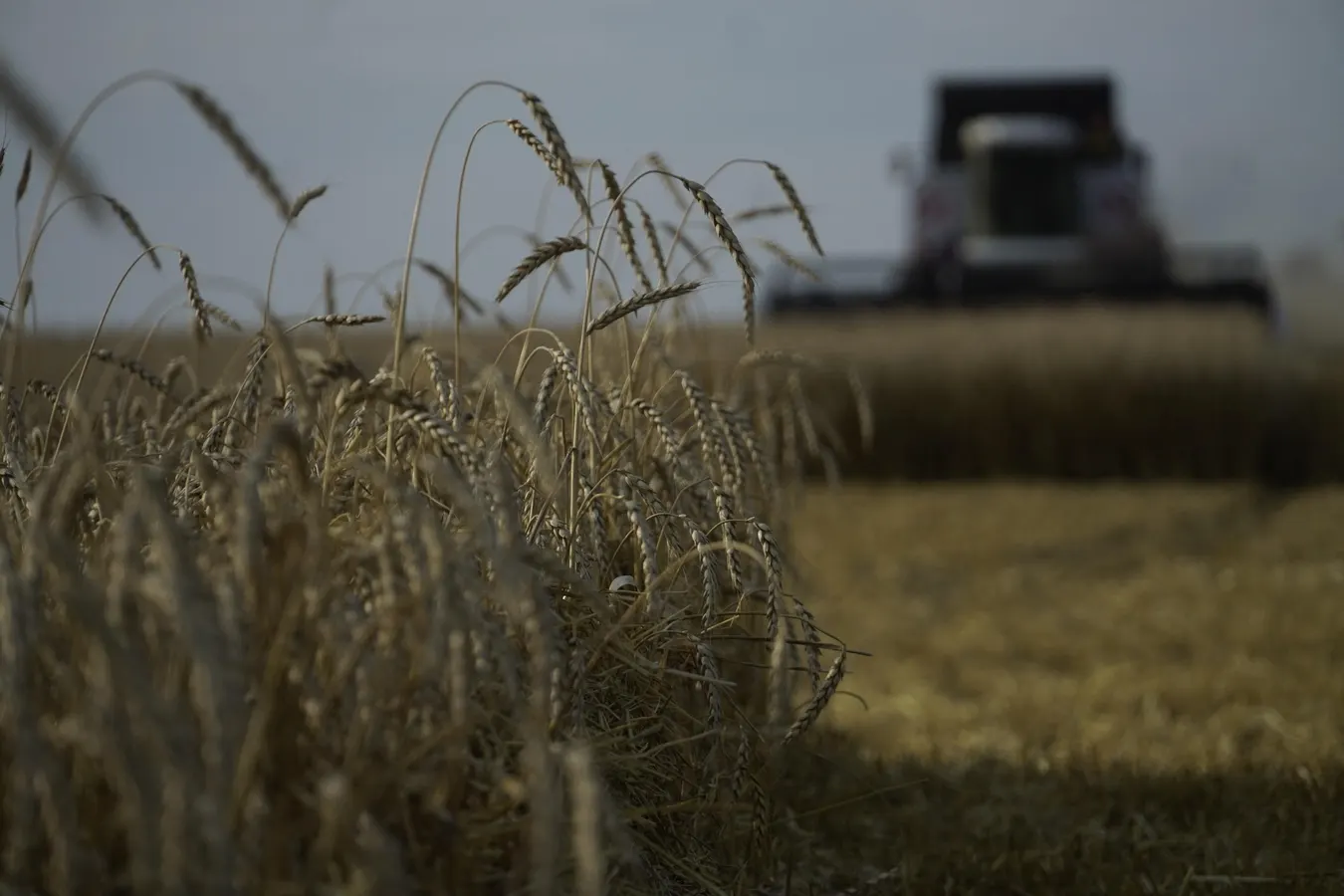
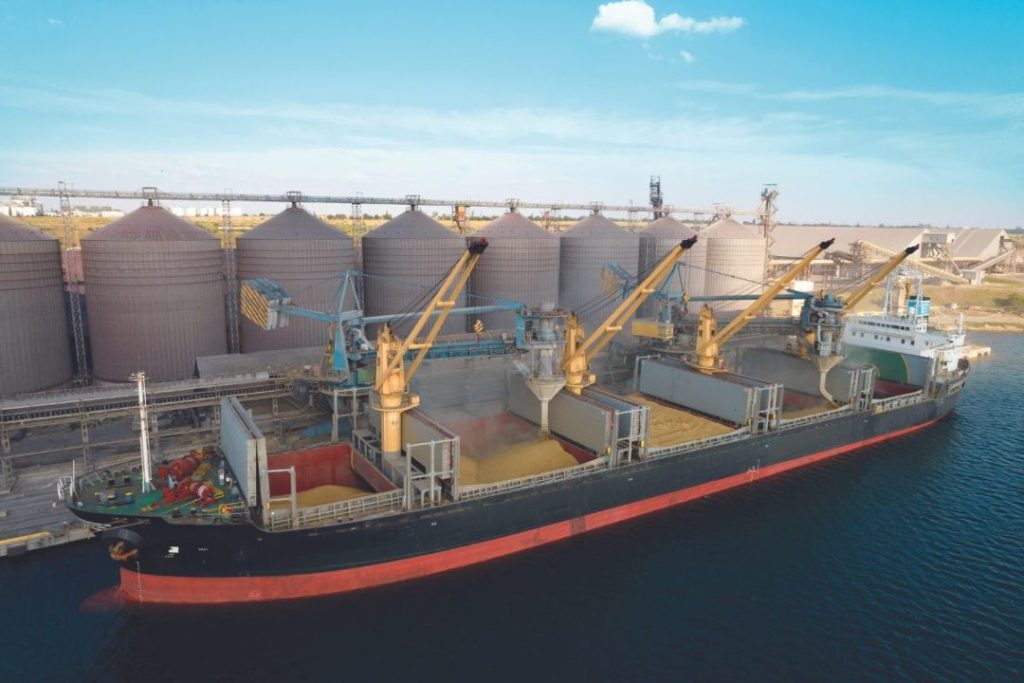
In July 2025 I watched a satellite photo on a Moscow trader’s laptop: 1,840 vessels queued in the Kerch Strait, 680 of them wheat-laden. At the same moment, 420 Kazakh railcars were parked outside Aktau waiting for ferries that never came. Across the Caspian, Iranian trucks lined up 38 km deep at Astara border with 50 kg bags stamped “Gift of the Islamic Republic”. And in the background, Ukrainian barges quietly slipped down the Danube carrying 1.8 million tons nobody was talking about.
Four countries. One prize: 118 million tons of annual wheat demand across MENA + Sub-Saharan Africa. One winner by 2030.
This is the first unfiltered forecast of who actually takes the throne — based on pipelines, politics, ports, and the quiet deals nobody puts on LinkedIn.
The Strategic Pivot: Iran’s Role as a Global Grain Hub
Beyond production, Iran is positioning itself as the primary “Grain Bridge” between the Black Sea and the MENA region. Through the International North-South Transport Corridor (INSTC), Iran offers a 40% shorter route for Russian and Kazakh wheat to reach Indian and East African markets.
Infrastructure Expansion: Development of the Chabahar Port and rail links to the Caspian Sea are turning Iran into a re-export powerhouse.
Strategic Storage: By 2027, Iran’s grain silo capacity is projected to increase, allowing for large-scale “swap” agreements that stabilize regional food security amid Black Sea volatility.
The Four Warriors – Real Firepower 2026–2030 (Million Tons Export Capacity)
| Country | 2026 Capacity | 2030 Target | Secret Weapon | Fatal Weakness |
|---|---|---|---|---|
| Russia | 52 | 68 | Weaponized grain + Novorossiysk monopoly | Sanctions choke on spare parts |
| Kazakhstan | 12 | 24 | Landlocked but cheapest on planet | Caspian bottleneck + zero navy |
| Ukraine | 18 | 35 | Danube + Romanian back-door | War insurance + minefields |
| Iran | 8 | 22 | “Humanitarian” label + barter empires | Quality perception + sanctions |
Market Dynamics: 2026-2030 Wheat Export Projections
To understand the “Great Wheat War,” we must look at the projected export capacities. By 2028, Russia’s wheat export potential is expected to surpass 55 million tons, while Kazakhstan aims for a strategic 10-million-ton surplus targeted specifically at Central Asian and Iranian markets. Ukraine’s recovery speed remains the “X-factor,” with projections oscillating between 15 to 22 million tons depending on the stability of Black Sea logistics.
Russia: Focus on volume and price-setting in Egypt and Algeria.
Ukraine: Post-conflict recovery focusing on EU-standard compliance and Mediterranean routes.
Kazakhstan: Expansion into Chinese and Iranian markets via improved rail logistics. This competition will likely lead to a “price floor” that benefits MENA importers but pressures high-cost producers.
The Four Battlefields That Decide Everything
Battlefield 1 – The Caspian Choke (Kazakhstan’s Nightmare)
Kazakhstan built 42 new silos in 2025–2026 and can produce wheat at $138/mt landed Egypt. Problem: only two viable routes out — Aktau ferries (capacity 4.8 Mt/year) or Russian railways (Moscow now charges $42/mt “transit fee”). By 2028 Russia will control 94 % of Kazakhstan’s export path. Translation: Astana can grow all the wheat in the world, but Moscow decides when it leaves.
Battlefield 2 – The Danube Backdoor (Ukraine’s Silent Comeback)
While headlines scream “Black Sea closed”, Ukraine moved 11.4 Mt in 2025 via Romanian Constanta + Reni + Izmail. By 2029 the new 120-km broad-gauge line from Reni to Giurgiulești (Moldova) will add another 14 Mt/year — completely outside Russian reach. Insurance dropped from 6.8 % to 1.1 % in Q3 2026. Quietest revolution in grain history.
Battlefield 3 – The Subsidy Bomb (Iran’s Nuclear Option)
Iran launched the “Bread Jihad” program in January 2025:
- Unlimited diesel at $0.04/liter for wheat trucks
- Free fertilizer for farmers who export
- Central Bank guarantees payment in tomatoes, pistachios, or cement Result: Iranian wheat landed Sudan at $198/mt when Russia asked $312. Quality is 9–10 % protein, but Egypt already took 2.1 Mt in 2026 under “humanitarian” label that bypasses tenders.
Iran: The Golden Gateway of the North-South Transport Corridor (INSTC)
Iran is not just a consumer; it is the ultimate “Transit Hub” in the Great Wheat War. The International North-South Transport Corridor (INSTC) allows Russian and Kazakh wheat to bypass the volatile Mediterranean routes.
Strategic Advantage: By utilizing the Chabahar Port and Iranian railway networks, wheat delivery times to MENA and East Africa can be reduced by 40%.
SEO Keyword Focus: Iran’s role in global food security, Russian wheat transit via Iran, INSTC efficiency 2026.

Battlefield 4 – The Port Emperor (Russia’s Endgame)
Russia will finish three megaprojects by 2029:
- Taman Phase-2: +18 Mt/year deep-water wheat terminal
- Novorossiysk dedicated grain railway bypass: +22 Mt/year
- Crimean bridge grain rail upgrade: +9 Mt/year Total Russian-controlled Black Sea export capacity 2030: 92 Mt/year. That is more than the entire MENA + Africa demand.
The 2030 Market Share Forecast (Tendify Internal Model – September 2026)
| Origin | 2026 Share MENA+Africa | 2030 Projected Share | Net Gain/Loss |
|---|---|---|---|
| Russia | 41 % | 58 % | +17 pp |
| Kazakhstan | 11 % | 9 % | –2 pp |
| Ukraine | 19 % | 18 % | –1 pp |
| Iran | 6 % | 11 % | +5 pp |
| Others (EU, Australia, etc.) | 23 % | 4 % | –19 pp |
Russia wins. Not because their wheat is better. Because they control the steel that moves it.
The Wildcard: Climate Volatility and Crop Yields
The 2026-2030 period faces a significant threat from shifting weather patterns in the Eurasian Grain Belt.
Water Scarcity in Kazakhstan: Increasing droughts may limit the export potential of premium wheat.
Russian Yield Variance: While melting permafrost opens new lands, extreme heatwaves in the southern regions remain a systemic risk to global supply stability. Food security strategies for MENA nations must move beyond single-source reliance to diversified “Wheat Portfolios” to mitigate these environmental risks.
The Only 5 Ways to Survive If You’re Not Russian
- Lock Ukrainian Danube volumes before 2028 insurance window closes
- Buy Kazakh wheat FOB Aktau and pray the ferries run
- Take Iranian barter deals (cement + wheat swaps already happening)
- Build your own mobile mills in Africa (bypass the whole war)
- Pray for peace (least reliable strategy)
The Battle for Africa’s Bread: Egypt, Nigeria, and Ethiopia
The winner of the Wheat War will be decided in the port of Alexandria and Lagos. Egypt’s GASC tenders remain the ultimate prize. While Russia currently holds the edge through sheer volume, Ukraine’s “Grain from Ukraine” initiative and Kazakhstan’s high-protein wheat offer diversified alternatives for food-insecure nations in Sub-Saharan Africa.
Your Free “Great Wheat War 2026–2030” Intelligence Pack
Instant download:
- Satellite-monitored port capacity map (updated weekly)
- Real-time Russian transit fee tracker
- Ukrainian Danube discharge numbers (non-public sources)
- Iranian barter deal database (42 active as of Oct 2026)
- 2030 market share Excel model — change one variable and watch empires fall
→ Download the Complete Great Wheat War Intelligence Pack Now
For the quality that still matters when origins fight to the death: → Key Quality Standards for Wheat Export in 2025: ASTM vs. ISO Standards Explained
And the contracts that survive when countries don’t: → 9 Contract Clauses That Locked $24–39 Million Profit
Frequently Asked Questions (FAQ)
Q1: Who will be the largest wheat exporter by 2030?
> A: Russia is projected to remain the top exporter, but its market share will be challenged by the rising logistics efficiency of Kazakhstan and Iran’s transit capabilities.
Q2: How does the Russia-Ukraine conflict affect MENA bread prices?
> A: The shift toward long-term bilateral contracts and the development of the INSTC corridor are expected to decouple regional prices from Black Sea spot-market volatility.
Q3: Is Iran becoming a wheat exporter?
> A: Iran is primarily focusing on becoming a “Transit Hub” and re-exporter, leveraging its strategic geography to facilitate grain flow from the North to the Global South.
By 2030 There Will Be One Emperor
He will speak Russian. He will load from Taman. And he will decide the price of bread from Casablanca to Kinshasa.
The only question left: Will you be his customer… or his competitor?
Get the intelligence pack before the next ferry sinks or the next bridge upgrade finishes.
Get Your Free Great Wheat War 2026–2030 Forecast Pack Instantly