Blog
High vs. Low Gluten Wheat: A 2026 Profit Margin Guide for Global Traders
I’ve been trading wheat and grains across international markets for over four decades, moving everything from bulk shipments to specialty lots. One question keeps coming up from suppliers and exporters: with shifting consumer trends, which wheat type—high-gluten (strong, high-protein) or low-gluten (soft, low-protein)—will deliver better profit margins in 2026?
The answer isn’t black and white, but the data points clearly. High-gluten wheat consistently commands premium prices due to its irreplaceable role in baking and plant-based foods. Low-gluten varieties face steady but slower demand, often trading at discounts. In 2026, expect high-protein wheat to yield higher margins for most traders—provided you target the right buyers and manage quality risks.
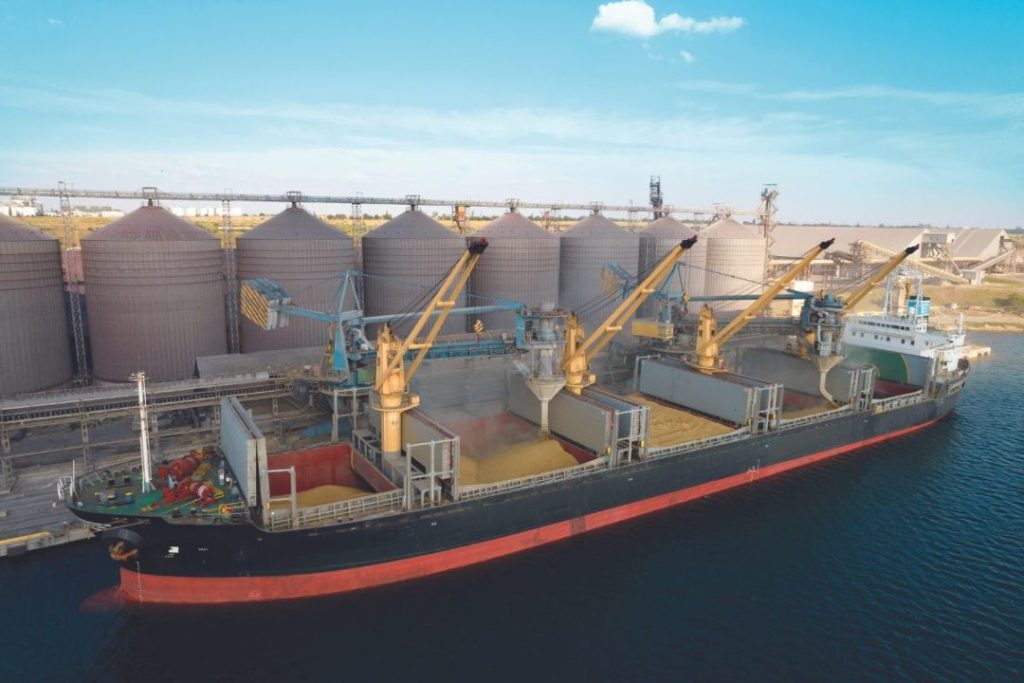
High-Gluten vs Low-Gluten Wheat export
Global wheat production remains abundant, with record harvests pressuring base prices. Yet protein content drives the real money. According to USDA and industry reports, high-protein classes like Hard Red Spring and Hard Red Winter often fetch 20-50 cents per bushel premiums over soft varieties. That’s real margin in a commodity game.
This guide breaks it down: market drivers, price trends, regional demand, and actionable strategies to maximize profits in 2026.
Understanding High-Gluten and Low-Gluten Wheat Basics
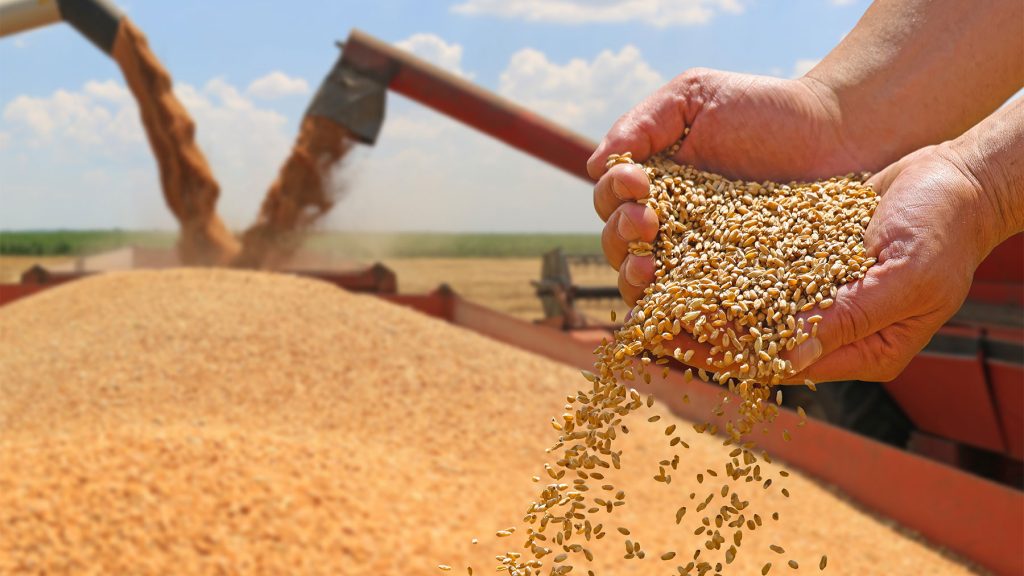
Wheat classes divide primarily by protein content, which determines gluten strength.
High-gluten wheat (also called strong or hard wheat):
- Protein: 12-15%+
- Key classes: Hard Red Winter (HRW), Hard Red Spring (HRS), Durum
- Gluten: Strong, elastic—perfect for volume and chew
Low-gluten wheat (soft wheat):
- Protein: 8-11%
- Key classes: Soft Red Winter (SRW), Soft White (SW)
- Gluten: Weak, tender—ideal for flat textures
High-Gluten vs Low-Gluten Wheat
Vital wheat gluten (isolated protein) adds extra strength to weaker flours, but raw high-protein grain remains the foundation.
Why the split matters: Baking performance. Strong gluten traps gas for risen loaves; weak gluten crumbles easily for delicate pastries.
In 2026, these functional differences translate directly to pricing power.
Global Demand Trends Shaping 2026
Demand isn’t uniform—it’s segmented by end-use.
Bakery and Leavened Products Drive High-Gluten Preference
Bread remains the world’s staple wheat product. Mechanized bakeries need strong doughs for consistent volume and shelf life.
- Pan breads, buns, artisan loaves: All favor high-protein wheat.
- Data point: Bakery applications dominate wheat consumption, with strong flours preferred for 70%+ of global bread production.
Plant-based meat alternatives explode growth. Vital wheat gluten forms the “chewy” backbone of seitan and analogs.
Reports show the wheat gluten market growing at 8-9% CAGR through 2030, fueled by vegan trends. In 2025 alone, demand from meat alternatives stabilized high prices despite oversupply in base wheat.
Low-Gluten Holds Steady in Pastry and Convenience
Soft wheat shines in:
- Cakes, cookies, crackers
- Flatbreads, tortillas
- Some Asian noodles
Demand grows with convenience foods, but slower than high-protein segments. Gluten-free trends nibble at edges, pushing alternatives like almond or rice flours.
Gluten-free products grow at 8-10% annually, but they represent <10% of total flour market. Traditional wheat still rules volume.
Overall 2026 outlook: High-gluten demand outpaces low-gluten, per FAO and industry forecasts. Protein premiums widen when supplies tighten regionally.
Price Premiums and Profit Margin Comparison
Here’s where margins crystallize.
High-protein wheat trades at structural premiums:
- HRS (14% protein): Often +$0.45/bushel over ordinary HRW
- Durum: Premiums for pasta quality
Soft wheat discounts in milling blends.
| Wheat Type | Typical Protein % | Primary Uses | 2025 Avg Premium/Discount (vs Base) | Projected 2026 Margin Edge |
|---|---|---|---|---|
| High-Gluten (Hard) | 12-15+ | Bread, buns, plant-based meat | +20-50 cents/bushel | Higher (premiums + volume) |
| Low-Gluten (Soft) | 8-11 | Pastries, cakes, crackers | -10-30 cents/bushel | Steady but lower |
| Durum (High) | 13-16 | Pasta, semolina | +30-60 cents/bushel | Highest in niche |
Costs: High-protein often requires specific varieties and nitrogen management, but premiums offset.
In oversupplied years like 2025-2026, base prices soften—but protein spreads hold or widen.
Regional Demand Hotspots for 2026
MENA markets (core Tendify focus) lean heavily toward bread wheats—favoring high-gluten.
- UAE, Saudi, Egypt: Import strong flours for subsidized breads and growing bakery sectors.
- Premium for 12.5%+ protein common in tenders.
Asia: Mixed—high for noodles/buns, soft for pastries.
Europe/North America: Plant-based boom boosts vital gluten demand.
Emerging: Africa and Middle East urbanization drives bread consumption.
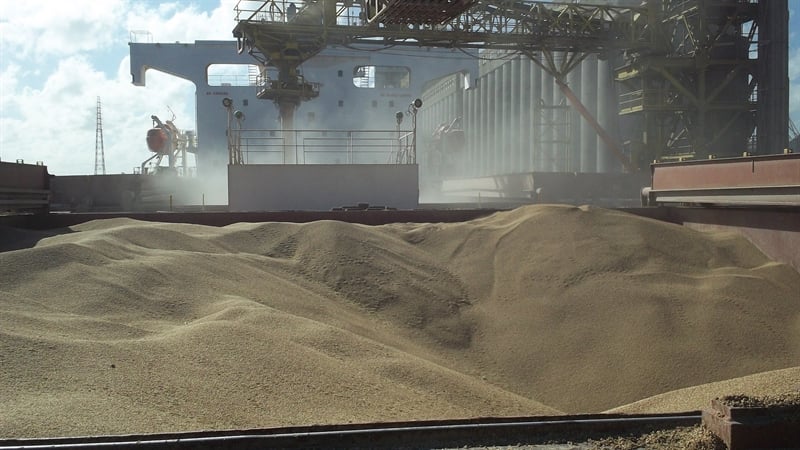
For exporters: Target MENA and Asia for high-protein loads to capture premiums.
Risks and Challenges in 2026
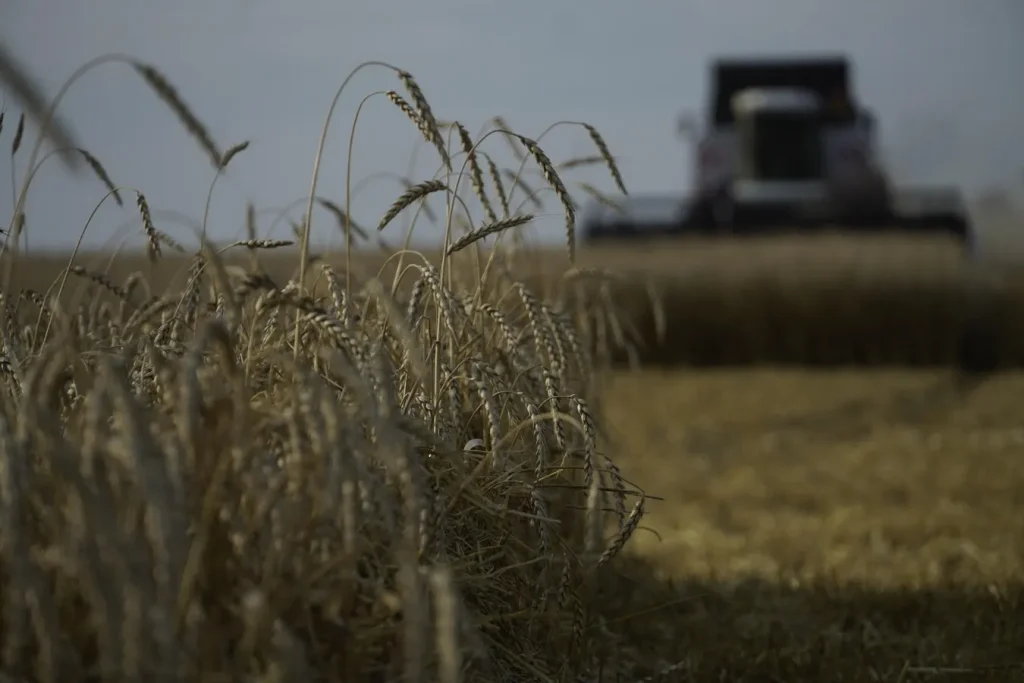
Weather volatility: Droughts cut protein levels, spiking premiums.
Gluten sensitivity: Growing, but not displacing traditional demand yet.
Supply chains: Freight costs and regional harvests influence basis.
Mitigation: Diversify classes, lock contracts early.
Strategies to Maximize 2026 Profits
- Prioritize high-protein lots: Aim for 13%+ where possible.
- Blend smart: Use vital gluten to upgrade weaker grain.
- Target premium buyers: Bakeries, plant-based processors pay more.
- Monitor protein spreads: Trade when premiums peak.
- Build quality chains: From farm to port—consistent protein delivers repeat business.
For bulk shipments, pair with proper fumigation—see our guide on phosphine dosage for bulk wheat to avoid rejections.
Container trades? Avoid disputes with clean practices, like those for bitumen but applicable here—check container cleaning tips.
In 2026, high-gluten wheat wins on margins. It’s not about volume alone—it’s about delivering what bakers and innovators can’t replicate.
Ready to position your wheat for top returns? Sign up on Tendify.net now—list your high-protein offerings, connect directly with MENA buyers, and access real-time tenders. Registration is straightforward, and verified members gain priority matching. Start securing premium deals today.