Blog
Middle East Bitumen 2026: Price Trends, Growth Hubs, and Major Buyers
Over my years in global commodities trading, few markets have shown the resilience and potential of bitumen in the Middle East. This region isn’t just a supplier—it’s the backbone of the global asphalt industry, fueled by vast crude reserves and strategic refineries. Yet, in 2025, we’re seeing a pivotal shift: tight supplies meeting surging infrastructure demand, creating real opportunities for those who move quickly.
Global Bitumen Landscape
The Middle East and Africa bitumen market is projected to reach around $13 billion this year, driven by massive road and urban projects. Globally, the industry starts at about $75 billion, with our region playing a dominant role in production and exports.
In this comprehensive guide, I’ll share the latest trends, challenges, and actionable strategies to capitalize on the 2025 bitumen boom—straight from real-world experience.
Why the Middle East Dominates the Global Bitumen Landscape
The Middle East holds a commanding position in bitumen due to its oil-rich geography and advanced refining capabilities.
- Production Powerhouse: Countries like Saudi Arabia, UAE, and others process heavy crudes into high-quality penetration grades, oxidized types, and emulsions.
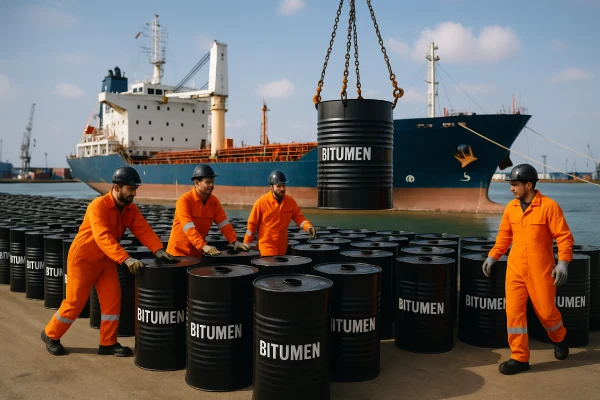
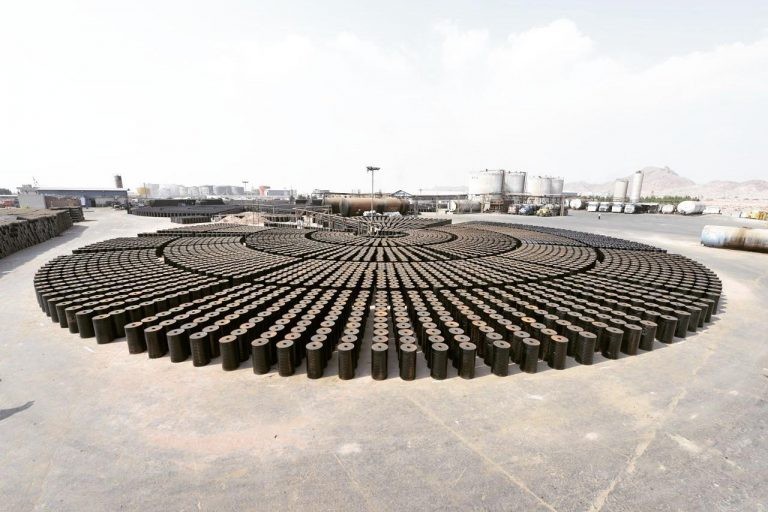
- Export Reach: Bulk and drummed shipments flow to Asia, Africa, and beyond, often setting global benchmarks.
- Market Scale: MEA accounts for a significant slice of world output, with steady growth amid infrastructure pushes.
Insightful stat: Infrastructure expansion in the region is fueling demand, with road construction alone consuming the lion’s share. Reports from Fortune Business Insights highlight MEA’s rapid rise, projecting strong value growth through urbanization and economic diversification.
This dominance isn’t accidental—it’s built on decades of investment in refineries that efficiently convert vacuum bottoms into reliable bitumen products.
Major Trends Shaping Bitumen Demand in 2025
Demand is accelerating, but it’s evolving toward higher-performance materials.
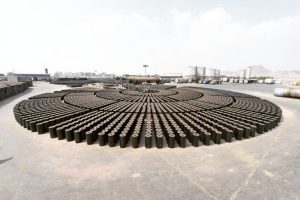
Middle East Bitumen Market
Surge from Mega-Infrastructure Projects
Vision 2030 in Saudi Arabia is pouring billions into roads, airports, and cities—directly boosting bitumen needs for durable paving.
In the UAE and Iraq, multimodal corridors and reconstruction efforts are ramping up road builds.
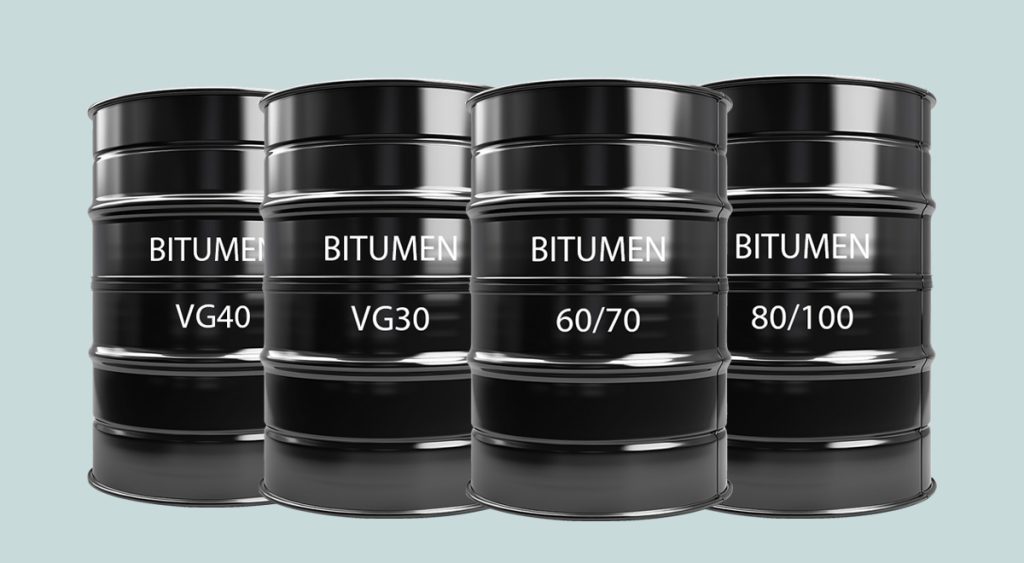
Why this matters: These aren’t short-term spikes. They’re multi-year commitments creating predictable, high-volume demand for paving grades like 60/70 and 80/100.
Rise of Polymer-Modified Bitumen (PMB)
Standard bitumen works, but in harsh desert climates—with extreme heat and heavy traffic—PMB delivers superior rut resistance, elasticity, and longevity.
- Elastomeric (SBS) and plastomeric modifiers lead the pack.
- Adoption is growing fastest in MEA, per industry forecasts, for highways and runways.
Pro tip: Switching to PMB can extend pavement life by 50% or more, slashing long-term maintenance costs. I’ve seen projects save millions by specifying it upfront.

Rise of Polymer-Modified Bitumen (PMB)
Supply Dynamics and Pricing Pressures
Vacuum bottom (VB) feedstock remains tight, with competition from fuel markets pushing costs up.
Geopolitical factors add volatility, but production stability in key hubs keeps exports flowing.
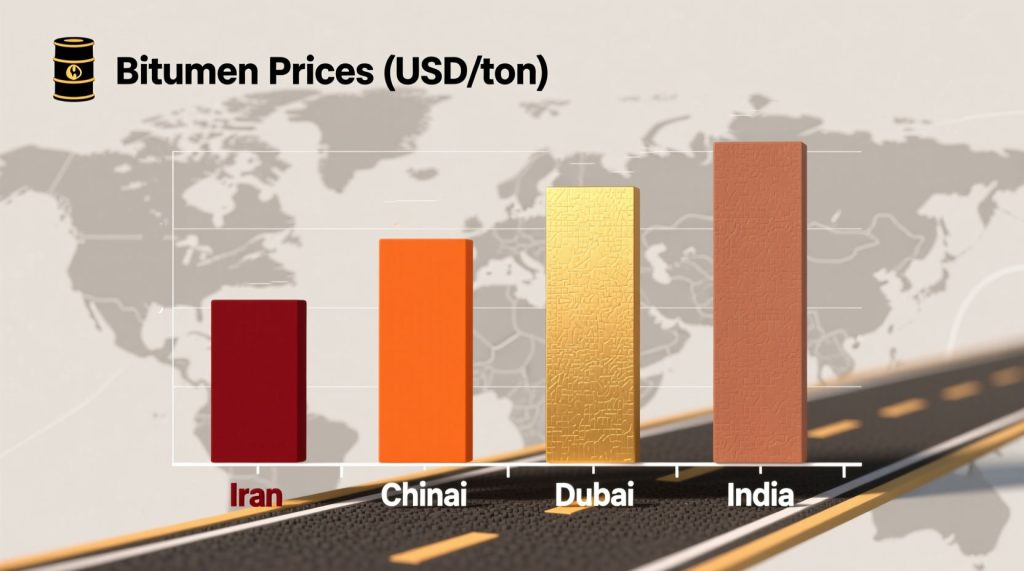
Prices for bulk 60/70 hover in competitive ranges, with upward pressure from demand.
Key Challenges in the 2025 Bitumen Market
No opportunity comes without hurdles. Here’s what to watch.
Feedstock Constraints
Limited VB availability forces refineries to optimize output, sometimes prioritizing higher-margin products.
Impact: Periodic tight supply for certain grades, especially during peak construction seasons.
Logistical and Transport Issues
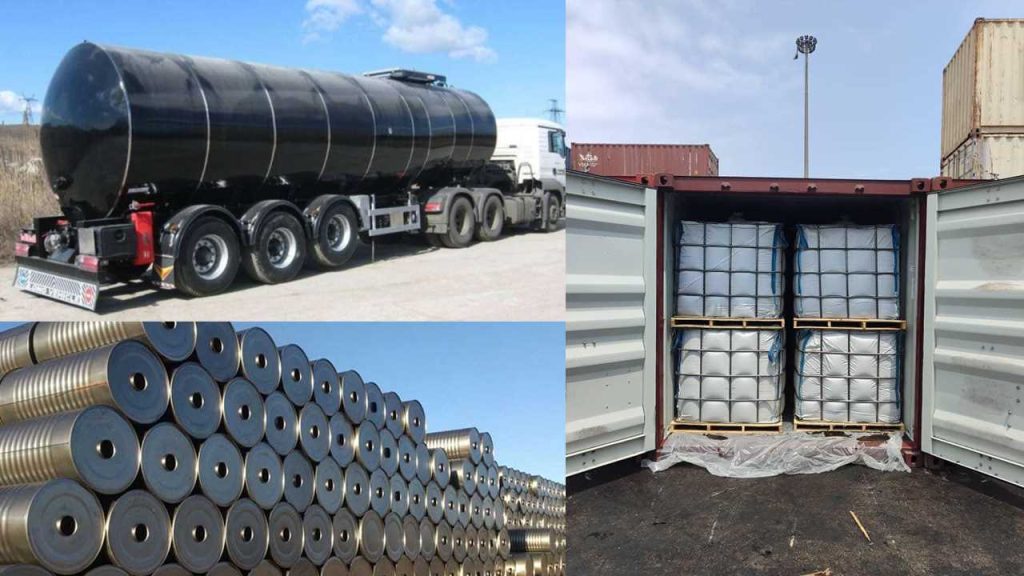
Shipping delays in ports and rising freight rates affect drummed vs. bulk deliveries.
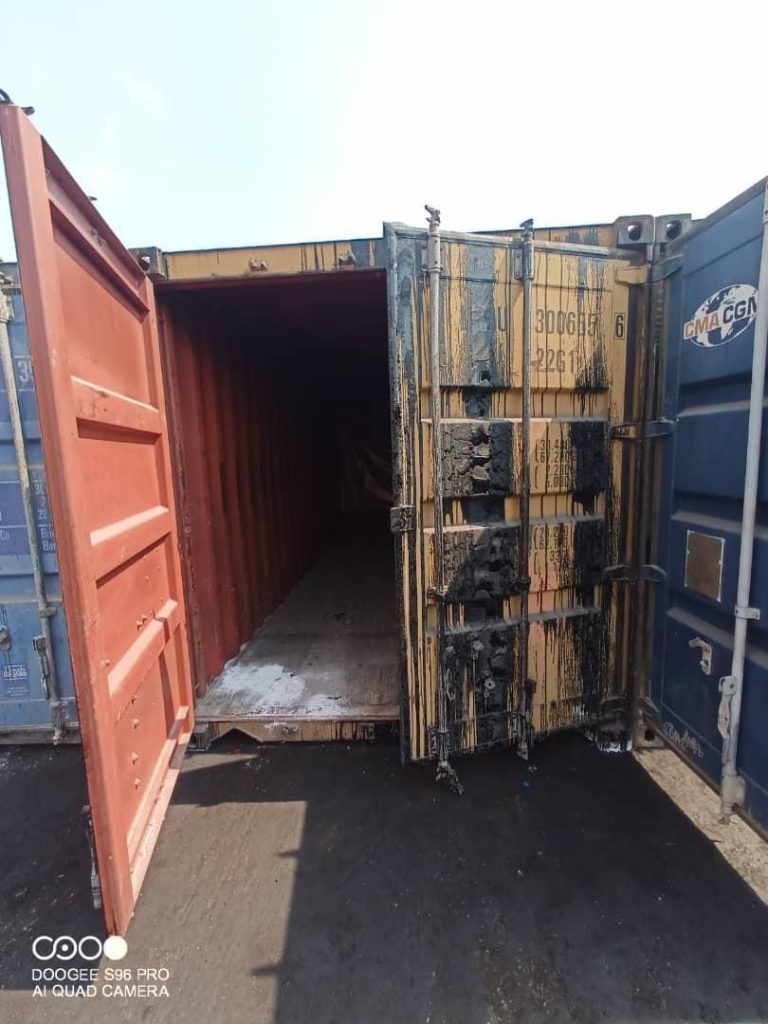
Multimodal routes (like bitutainers) are gaining traction for efficiency.
Sustainability Push
Regulators and clients increasingly demand lower-emission production and recycled asphalt integration.
Opportunity in disguise: Early adopters of warm-mix or recycled PMB gain preferential contracts.
Comparison Table: Standard vs. Polymer-Modified Bitumen
| Aspect | Standard Bitumen | Polymer-Modified Bitumen (PMB) | Advantage in Middle East Projects |
|---|---|---|---|
| Temperature Resistance | Good up to moderate heat | Excellent in extreme heat | Reduces rutting on hot highways |
| Elasticity & Durability | Standard recovery | High flexibility & crack resistance | Longer life in heavy traffic |
| Cost | Lower initial | Higher upfront, lower lifecycle | Savings over 10-15 years |
| Common Grades | 60/70, 80/100 | PMB 40, PMB 70 | Tailored for deserts & airports |
| Environmental Fit | Traditional production | Easier recycling integration | Aligns with green initiatives |
Don’t wait for prices to spike. Here’s how to position your operations.
Step 1: Assess Your Grade Needs
Map projects to specific requirements—paving grades for roads, oxidized for roofing, PMB for high-stress areas.
Test samples early for compatibility.
Step 2: Diversify Sources and Logistics
Mix bulk shipments for volume with drummed or bitutainers for flexibility.
Explore emerging hubs alongside traditional suppliers.
Step 3: Lock in Contracts Early
Forward pricing mitigates volatility from VB fluctuations.
Build relationships with reliable exporters for priority allocation.
Step 4: Incorporate Sustainability
Specify PMB with recycled content or low-energy mixes to meet tender requirements.
Track carbon footprints for future-proofing.
Step 5: Monitor Market Indicators
Watch crude trends, refinery run rates, and infrastructure announcements.
Adjust procurement quarterly.
Why 2025 Is a Prime Year for Bitumen Opportunities
Tight supply meeting robust demand creates premium margins for prepared players.
Projects under Vision 2030 and similar initiatives guarantee multi-year offtake.
Shifting to PMB positions you for the next decade of high-performance infrastructure.
In global trade, timing separates winners from the rest. The Middle East bitumen market in 2025 rewards those who act decisively.
For deeper insights on handling and transport, explore these resources on Tendify.net:
- Bitumen Logistics: Bitutainers vs Drums – The Ultimate Comparison
- Bitumen 60/70 vs 80/100: Key Technical Differences for Global Markets
- Cross-Border Logistics in Gulf: Your 2026 Guide to Multimodal Transport and Freight Costs
Ready to secure your bitumen supply chain and tap into these opportunities? Join Tendify.net today—connect with verified suppliers, streamline sourcing, and stay ahead in global commodities. Register now and build stronger trade connections.