Blog
Exporting Bitumen to India in 2026: A Step-by-Step Checklist for Duties and Customs Clearance
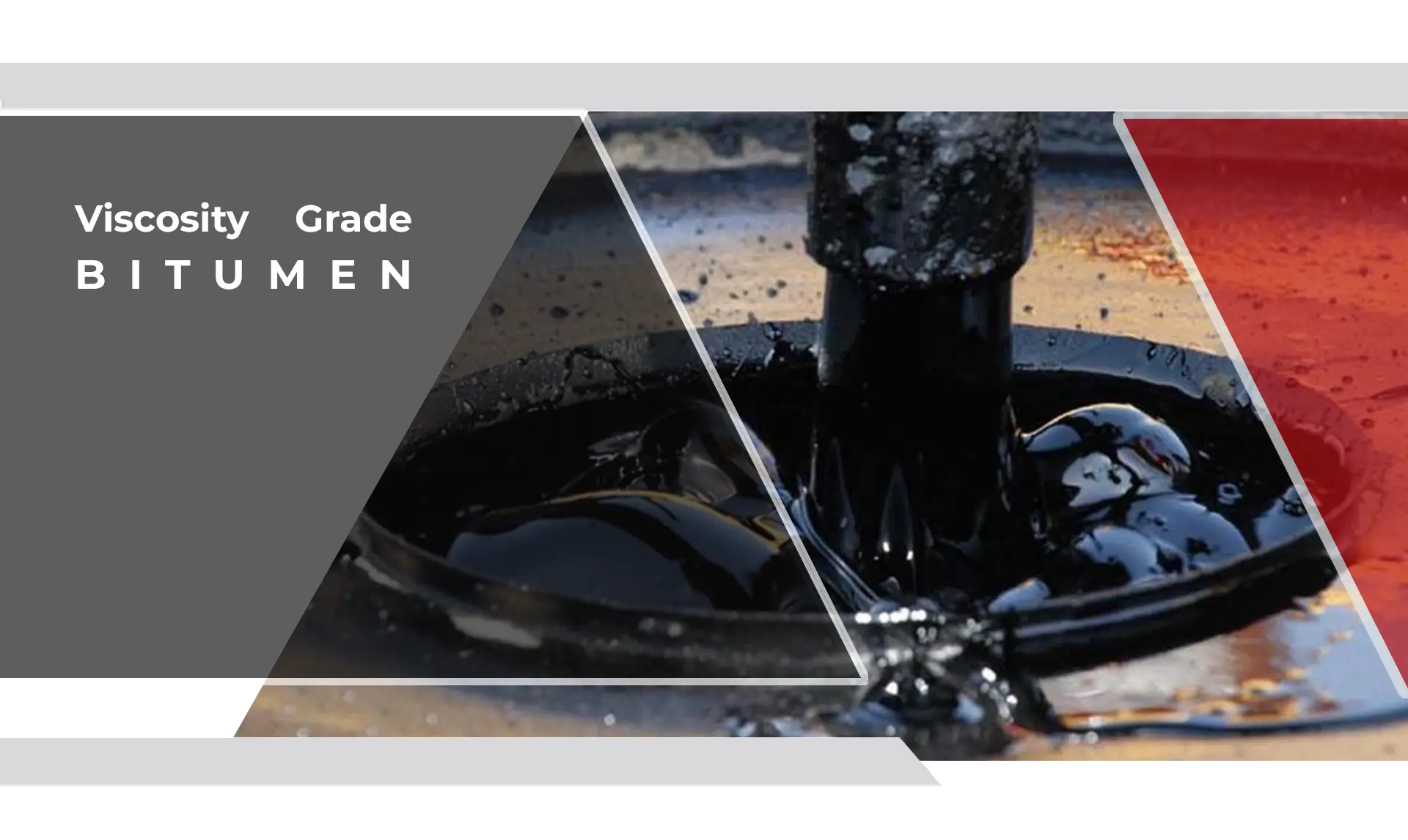
I’ve spent decades in global trade, moving everything from raw materials to finished goods across borders. One lesson stands out: tariffs can turn a profitable deal into a headache overnight. If you’re exporting bitumen—also known as asphalt or petroleum bitumen—to India, you need the full picture on import duties for 2026. India remains one of the world’s top bitumen importers, driven by massive road-building projects, but the tax structure demands careful planning.
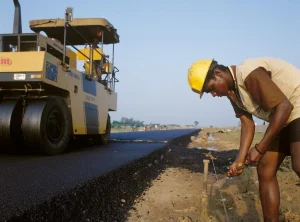
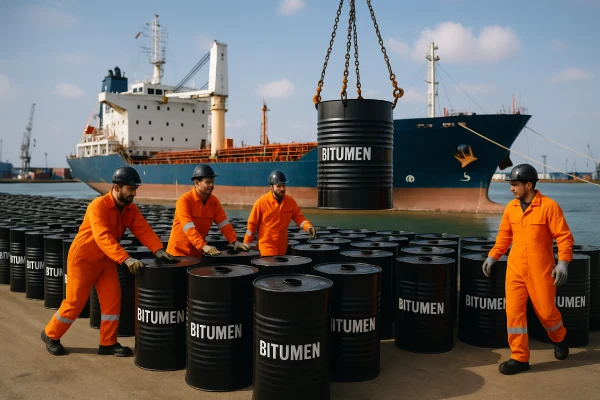
Exporting Bitumen to India
This guide breaks down the latest duties, HS codes, cost calculations, and strategies to stay competitive. We’ll cover why these rates exist, how they affect your bottom line, and actionable steps to minimize risks. By the end, you’ll know exactly what to expect when shipping to Indian ports in 2026.
Understanding Bitumen Classification in India
Accurate classification is the foundation of any successful export. Get the HS code wrong, and you face delays, penalties, or higher duties.
Bitumen Classification in India
India follows the Harmonized System (HS) for customs tariffs. Bitumen falls under Chapter 27: Mineral fuels, mineral oils, and products of their distillation.
Key HS Codes for Bitumen Types
- 2713.20.00: Petroleum bitumen (the most common for road-grade and industrial use). This covers penetration grades like 60/70 and 80/100, viscosity grades (VG-10, VG-30, VG-40), and bulk drummed shipments.
- 2714.90: Natural bitumen and asphalt (less common for commercial exports, often natural deposits or shale-derived).
- 2715.00: Bituminous mixtures (emulsions, cutback bitumen, or modified bitumen).
For most exporters, 2713.20.00 is the code you’ll use. It’s specific to petroleum-derived bitumen, which dominates India’s imports.
Why this matters: Using the precise code ensures you apply the correct Basic Customs Duty (BCD). Misclassification can trigger audits or re-assessments.
Current and Projected Import Duty Structure for 2026
As of late 2025, no major changes to bitumen duties appeared in the Union Budget 2025-26. The structure remains stable, focusing on protecting domestic refiners while supporting infrastructure growth.
Breakdown of Duties on Petroleum Bitumen (HS 2713.20.00)
| Duty Component | Rate | Notes |
|---|---|---|
| Basic Customs Duty (BCD) | 5% – 10% | Standard rate around 10% in recent years; some sources indicate 5% effective for bulk. Confirm via latest notifications. |
| Integrated Goods and Services Tax (IGST) | 18% | Applied on (CIF value + BCD). |
| Compensation Cess | Nil | No additional cess on bitumen. |
| Social Welfare Surcharge (SWS) | 10% on BCD | Adds about 1% effective if BCD is 10%. |
| Total Effective Duty | ~28-30% | Approximate landed cost increase (excluding freight/insurance). |
- CIF Value: $500
- BCD: 10% of $500 = $50
- Assessable Value: $500 + $50 = $550
- SWS: 10% of $50 = $5
- IGST: 18% of ($550 + $5) = ~$100
- Total Duties: ~$155
- Landed Cost Increase: ~31%
Rates can vary slightly based on origin country due to Free Trade Agreements (FTAs).
Impact of Free Trade Agreements on Bitumen Duties
India has FTAs with several key bitumen suppliers, which can slash duties significantly.

Free Trade Agreements on Bitumen Duties
Major FTAs Affecting Bitumen Exports
- UAE and Gulf Countries: Under India-UAE CEPA (effective 2022), duties on many petroleum products reduced progressively. Bitumen from UAE often qualifies for preferential rates (potentially 0-5% BCD).
- ASEAN Countries (e.g., Singapore, Malaysia): Reduced or zero duty on certain grades.
- Other Partners: Check for agreements with South Korea, Japan, or Australia.
Action Step: Obtain a Certificate of Origin from your chamber of commerce. This document proves eligibility for lower rates—saving 5-10% instantly.
Without it, you pay the standard Most Favoured Nation (MFN) rate.
Types of Bitumen and Duty Variations
Not all bitumen is treated equally. Here’s how duties apply to common variants:
Penetration Grades (60/70, 80/100)
- Most imported volume.
- Standard duties under 2713.20.00.
- High demand for road construction.
Viscosity Grades (VG-10, VG-30, VG-40)
- Preferred in India’s hot climate.
- Same HS code and duty structure.
Polymer-Modified Bitumen (PMB) and Emulsions
- Often under 2715.00.
- May attract slightly higher IGST if classified as mixtures.
- Growing segment due to durable roads.
Oxidized or Blown Bitumen
- Used in roofing/industrial applications.
- Similar duties, but check for anti-dumping if from specific origins.
Pro Tip: Bulk shipments (tankers) often get better effective rates than drummed due to lower handling costs and easier FTA claims.
Why India Maintains These Duties: The Bigger Picture
Duties aren’t arbitrary. India produces about half its bitumen needs domestically (from refineries like IOCL, BPCL, HPCL). Imports fill the gap—around 3-4 million tons annually.
The 10% BCD protects local production while keeping prices reasonable for infrastructure. Recent budgets focused on minerals and manufacturing inputs, leaving bitumen stable.
In 2023-2024, imports hit 12-year highs due to road projects under PM Gati Shakti. Expect steady demand in 2026, but watch for bio-bitumen initiatives that could shift long-term dynamics.
Step-by-Step Guide to Calculating and Paying Duties
Exporting bitumen? Follow this process:
- Classify Your Product: Confirm HS code with Indian buyer or customs broker.
- Determine Origin Benefits: Prepare Certificate of Origin for FTAs.
- Calculate Landed Cost: Use online tools or Excel: CIF + BCD + SWS + IGST.
- Partner with Importer: Indian buyers handle clearance; provide accurate invoices.
- Monitor Notifications: Check CBIC website monthly for changes.
- Use Secure Platforms: List on trusted B2B sites for verified buyers.
Real-world example: An exporter shipping VG-30 from the Middle East saved 8% by leveraging CEPA—turning a marginal deal profitable.
Common Pitfalls Exporters Face with Indian Duties
I’ve seen these mistakes cost thousands:
- Incorrect HS Code: Leads to higher duties or seizures.
- Missing Documentation: No FTA benefits claimed.
- Under-Valuation: Triggers anti-dumping probes.
- Ignoring Port Variations: Duties same, but clearance times differ (e.g., Mundra faster than Chennai).
Avoid Them: Work with experienced freight forwarders and verify buyer credentials.
For more on risks, check our article on common bitumen export pitfalls.
Strategies to Optimize Your Bitumen Exports to India in 2026
Success comes from smart positioning:
- Target High-Demand Seasons: Monsoon prep boosts Q1-Q2 imports.
- Offer Competitive Pricing: Factor duties into quotes; aim for $450-550/MT FOB depending on grade.
- Build Long-Term Relationships: Verified buyers on platforms mean repeat business.
- Diversify Grades: Include PMB for premium margins.
- Explore GCC Opportunities: India’s Gulf ties open doors—see our guide on Saudi-UAE trade dynamics.
Data from recent years shows exporters using FTAs and direct connections increased margins by 15-20%.
Future Outlook: What to Watch in 2026
India’s infrastructure spend will drive bitumen demand higher. Potential shifts:
- Increased bio-bitumen push for sustainability.
- Stable or minor duty reductions if global oil prices rise.
- Stronger enforcement on quality standards.
Stay ahead by monitoring budget announcements and trade portals.
If you’re serious about exporting commodities like bitumen, you need real-time insights and verified connections. Platforms like Tendify.net provide daily pricing, buyer leads, and secure deals—without middlemen eating your margins.
Ready to turn India’s demand into your opportunity? Sign up today on Tendify.net, post your products, or submit an RFQ. Let’s build profitable trade together in 2026.