Blog
Stop Losing Money: 7 Common Bitumen Export Scams & How to Avoid Them
How to Spot Fake Sellers and Safeguard Your Deals
In the high-stakes world of international commodity trading, I’ve seen deals go south faster than a tanker truck on a slippery road. Picture this: You’re negotiating a multimillion-dollar bitumen export contract, everything seems aligned, and then—bam—your supplier vanishes with your deposit, leaving you with empty tanks and a gaping hole in your budget. It’s a scenario that’s played out too many times in my 20 years navigating global trade. According to reports from industry watchdogs like the International Chamber of Commerce, fraud in commodity transactions costs businesses billions annually, with bitumen exports being a prime target due to its high value and complex supply chains. But here’s the good news: Armed with the right knowledge, you can dodge these pitfalls and turn potential losses into profitable partnerships. In this comprehensive guide, we’ll dive deep into the most common scams in export bitumen transactions, reveal proven ways to identify fake sellers, and equip you with actionable strategies to protect your business. Whether you’re a seasoned trader or just dipping your toes into the bitumen market, this is your roadmap to secure, scam-free deals.
Scams in Export Bitumen Transactions
Understanding the Bitumen Export Landscape: Why It’s Ripe for Fraud
Before we unpack the scams, let’s ground ourselves in the realities of the bitumen export market. Bitumen, often called asphalt or pitch, is a viscous byproduct of crude oil refining, essential for road construction, roofing, and waterproofing. Global demand is surging—projected to reach over 120 million metric tons by 2028, driven by infrastructure booms in emerging economies like those in the Middle East and Asia. Major exporters include countries with robust refining capacities, such as those in the Gulf region, where bitumen grades like 60/70 and 80/100 dominate trade.
What makes this market vulnerable to fraud? It’s the perfect storm of high-value cargoes, international borders, and opaque supply chains. Transactions often involve bulk shipments via tankers or drums, with values running into the hundreds of thousands per deal. Add in fluctuating crude oil prices— which directly impact bitumen costs, as explored in our related article on The Impact of Crude Oil Prices on Bitumen 60/70 Price Index—and you’ve got an environment where scammers thrive by exploiting urgency and information gaps.
From my experience closing deals across continents, the key vulnerability lies in the disconnect between buyers and sellers. Many transactions start online or through brokers, where verification is lax. Fake sellers prey on this, mimicking legitimate suppliers with polished websites and forged documents. But understanding these dynamics isn’t just academic—it’s your first line of defense against common scams in export bitumen transactions.

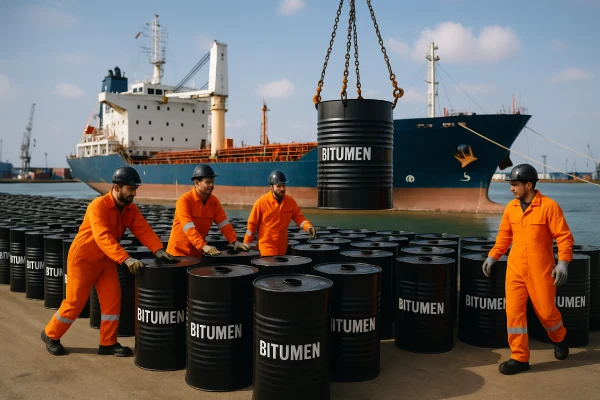
Bitumen Export Landscape
The Economic Toll of Bitumen Fraud
Data from the U.S. Department of Justice highlights how international commodity fraud, including bitumen, has escalated, with investigations uncovering schemes worth millions. A 2024 report from the Commodity Futures Trading Commission noted a 25% rise in reported scams involving energy derivatives, many tied to bitumen exports. In one high-profile case, a trading firm lost $1.1 billion to a Mongolian fuel fraud ring, underscoring the global scale. These aren’t isolated incidents; they’re systemic risks that can bankrupt small traders and erode trust in the market.
Common Scams in Export Bitumen Transactions: The Tactics Scammers Use
Over the years, I’ve encountered my share of shady operators in the bitumen trade. The scams aren’t always sophisticated—they rely on human psychology, like greed for a “too-good-to-be-true” deal or fear of missing out on a hot market. Let’s break down the most prevalent ones, with real-world insights to show why they work and how they unfold.
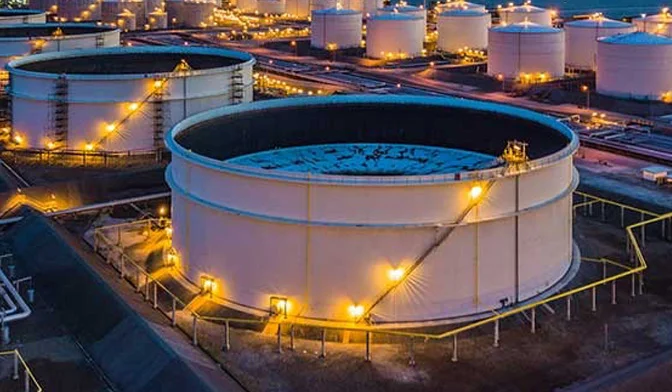
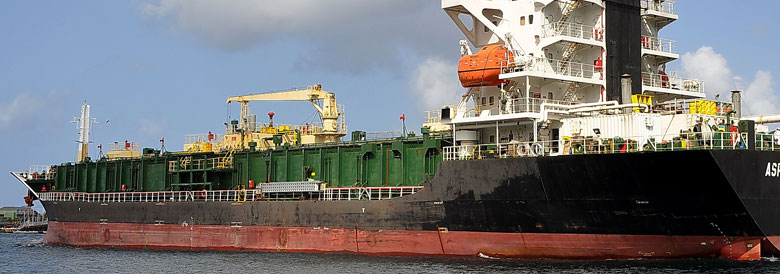
Scams in Export Bitumen
Fake Suppliers and Phantom Inventory Scams
This is the bread-and-butter of bitumen export fraud. Scammers pose as established refineries or exporters, claiming access to vast stockpiles of high-grade bitumen. They lure buyers with promises of immediate availability at discounted rates, often citing “surplus from a canceled order” or “end-of-season clearance.”
How it plays out: You receive an unsolicited email or LinkedIn message from a “supplier” with a professional-looking profile. They provide specs for bitumen 60/70, complete with lab reports and photos of tanks. You wire a deposit for reservation—say, 10-20% of the deal value—and poof, they disappear. Or worse, they ship subpar material that’s essentially worthless sludge.
Why it succeeds: Bitumen’s commodity nature means prices fluctuate with oil markets, creating opportunities for “bargain” offers. A study by Backlinko on e-commerce fraud notes that 40% of B2B scams involve phantom goods, amplified in exports where physical inspection is challenging.
Advance Fee Fraud in Bitumen Deals
A classic twist on the Nigerian prince scam, tailored for commodities. Here, fake sellers demand upfront payments for “fees” like export licenses, insurance, or customs clearance before shipping bitumen.
Real-life example: In a 2023 case documented by the Australian Competition and Consumer Commission, a buyer lost $500,000 after paying successive fees for a supposed UAE bitumen export. Each payment unlocked a new “hurdle,” but the cargo never materialized.
The psychology behind it: Traders under pressure to secure supply during shortages bite, especially when scammers use urgency tactics like “limited window before price hike.” HubSpot research shows that 60% of B2B decision-makers fall for time-sensitive ploys due to market volatility.
Substandard or Counterfeit Bitumen Deliveries
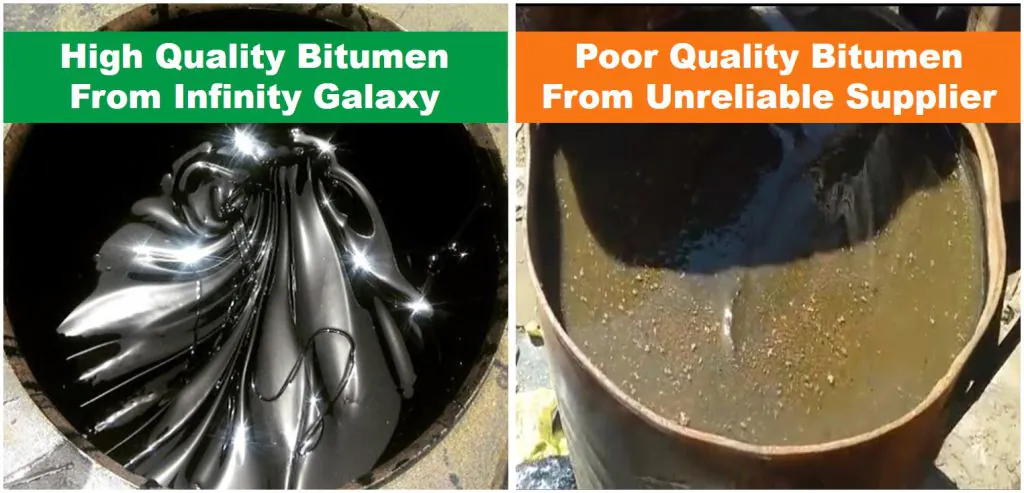
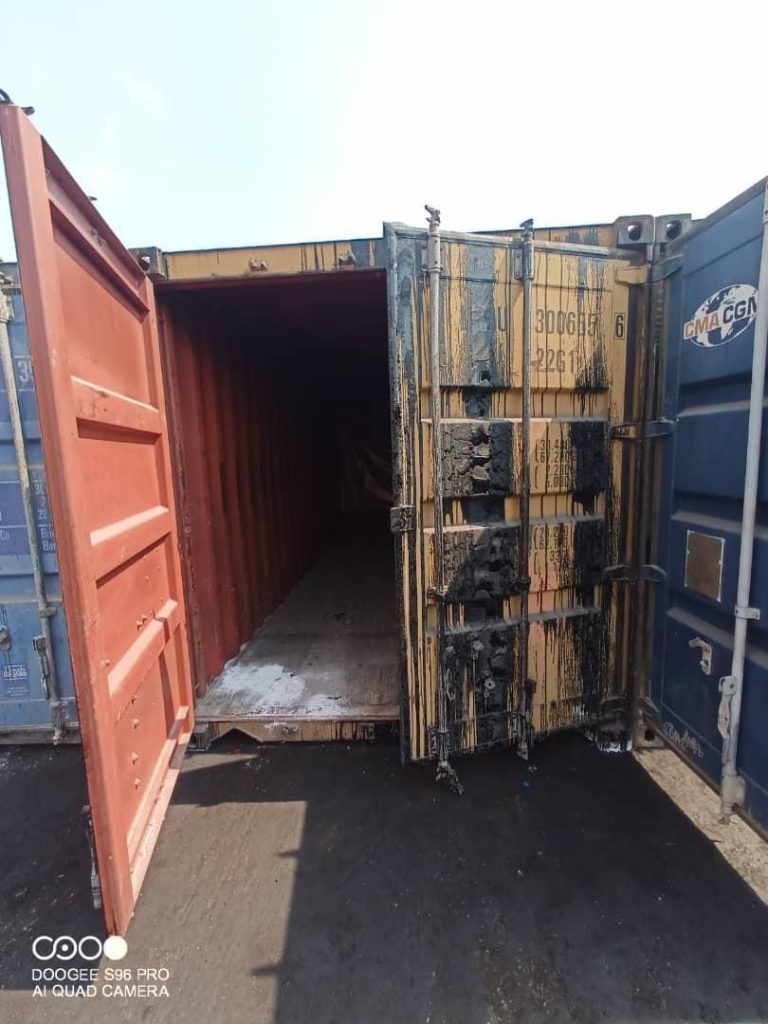
Not all scams end with no delivery—some deliver, but it’s junk. Fake sellers mix genuine bitumen with cheaper fillers like waste oil or recycled asphalt, failing penetration and softening point tests.
Detection challenges: As per Search Engine Journal’s guide on supply chain integrity, counterfeit commodities evade initial checks if documents are forged. I’ve advised clients who’ve received “bitumen” that crumbled under basic lab analysis, leading to project delays and legal battles.
Case in point: A 2025 Indian court case convicted transporters for short-delivering 287 metric tons of bitumen, certifying full receipt fraudulently—a scam worth over $140,000.
Documentation Forgery and Bill of Lading Tricks
In export bitumen transactions, paperwork is king. Scammers forge bills of lading (BOL), certificates of origin, or quality assays to release funds via letters of credit.
How to spot it: Legit BOLs are issued by carriers, not sellers. Fraudsters use Photoshopped versions or hijack real ones. The OECD’s typology on corruption risks in commodity trading flags this as a top issue, with 30% of fraud cases involving doctored docs.
Tank Farm and Storage Scams
Specific to bulk liquids like bitumen, scammers claim leased tank space in ports like Rotterdam or Singapore, demanding fees for “storage release” or “demurrage.”
From my dealings, this preys on buyers unfamiliar with logistics. A Black Sea report detailed Rotterdam tank farm scams targeting fuel buyers, using fake leases to extract payments.
Red Flags: How to Identify Fake Sellers in Bitumen Exports
Knowledge of scams is useless without tools to spot perpetrators. As a trader who’s vetted hundreds of suppliers, I focus on patterns that scream “fake.” Here’s a step-by-step guide to identifying fraudulent sellers in export bitumen transactions.
Suspicious Communication and Contact Details
Legitimate sellers use professional domains (e.g., @refinery.com), not Gmail or Yahoo. Watch for poor English in emails, generic websites, or addresses that don’t match registered companies.
Actionable tip: Use tools like WHOIS to check domain age—scam sites are often new. If they avoid video calls or in-person meetings, red flag.
Unrealistic Pricing and “Exclusive” Deals
Bitumen prices track crude oil benchmarks. If an offer is 20-30% below market (check platforms like Argus Media), it’s likely a hook. Fake sellers push “exclusive” deals to isolate you from verification.
Insight: Cross-reference with indices. Our article on Incoterms 2020 for Bulk Liquid Cargoes explains how pricing ties to delivery terms—use it to benchmark.
Lack of Verification and References
Real exporters provide verifiable refs, like past BOLs or client testimonials. Fake ones dodge due diligence or supply fabricated ones.
Pro tip: Demand third-party audits from firms like SGS or Bureau Veritas. Check trade registries—e.g., UAE’s Dubai Chamber for Gulf suppliers.
Pressure Tactics and Evasive Behavior
Scammers rush deals with “act now” pressure, avoiding questions about origins or logistics. If they insist on wire transfers over letters of credit, walk away.
Data-backed: A Resistant AI study on fake export declarations found 70% of frauds involve evasive responses to queries.
Best Practices for Secure Export Bitumen Transactions
Spotting fakes is half the battle—preventing them is the win. Drawing from my playbook, here’s how to build fraud-proof processes.

Secure Export Bitumen Transactions
Conducting Thorough Due Diligence
- Verify seller credentials: Use databases like Panjiva or Import Genius for trade history.
- Site visits: If possible, inspect refineries or tanks. Virtual tours via drone footage work for remote deals.
- Background checks: Hire services like Kroll for red flags on owners.
Case study: A client avoided a $2M loss by cross-checking a seller’s claims against public records, revealing a history of defaults.
Leveraging Secure Platforms and Payment Methods
Platforms like Tendify.net connect verified buyers and sellers, with built-in escrow for safe transactions. Avoid direct wires—opt for irrevocable letters of credit from reputable banks.
Why it matters: Escrow holds funds until delivery, cutting advance fee risks by 90%, per HubSpot stats.
Legal Safeguards and Contract Essentials
Draft ironclad contracts specifying quality specs, penalties for non-delivery, and arbitration clauses. Include force majeure but define it narrowly.
Tie into broader strategies: For GCC deals, reference our guide on How Software Companies Can Enter Government Tenders in GCC Countries for compliance insights.
Real-World Case Studies: Lessons from Bitumen Export Frauds
Learning from others’ mistakes saves you pain. Let’s examine documented cases.
The Bihar Bitumen Scam (1996-2025)
In this 29-year saga, a transporter short-delivered 287 MT of bitumen to India’s Road Construction Department, with an engineer falsifying receipts. Convictions in 2025 highlighted conspiracy and corruption, costing $140,000. Lesson: Always verify delivery quantities with independent weighbridges.
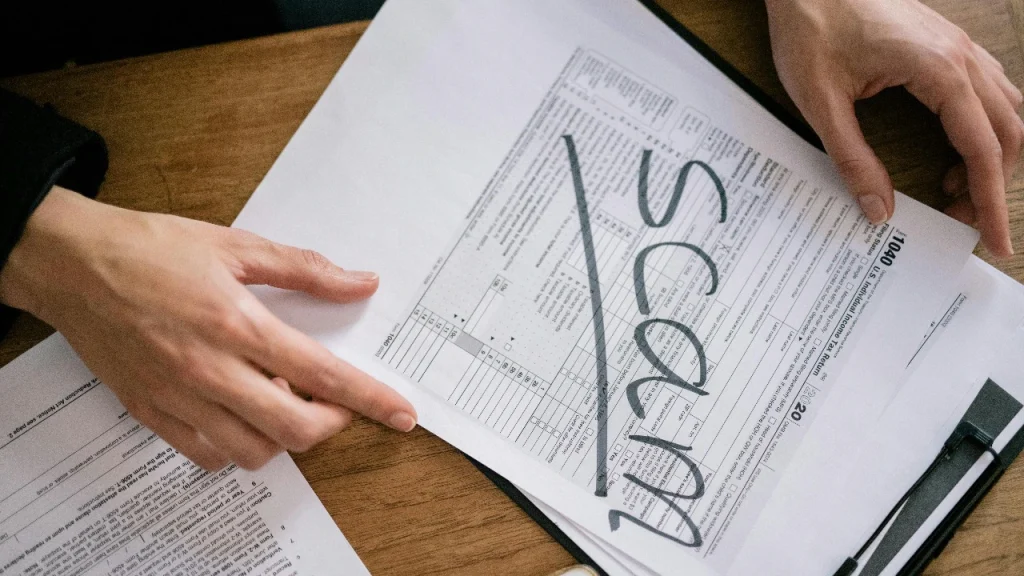
The Bihar Bitumen Scam
Australian “Bitumen Bandits” Operations
From 2023-2025, itinerant groups scammed homeowners with substandard driveway work, charging exorbitant fees. While domestic, tactics mirror export frauds—fake leftovers, poor quality. Over 50 complaints led to arrests, per Queensland Police. Insight: Demand written quotes and references upfront.
Mongolian Fuel Fraud at Trafigura
In 2024, commodity giant Trafigura lost $1.1B to a scheme involving fake oil deliveries in Mongolia. Scammers used forged docs for advances. This underscores the need for multi-layer verification in high-value exports.
Rotterdam Tank Farm Scams
Ongoing since 2025, fraudsters lease fake storage, demanding release fees. A Black Sea analysis reported losses in the millions for fuel buyers. Counter: Confirm tank ownership via port authorities.
These cases, sourced from reliable outlets like Times of India and ProKerala, show patterns: Forgery, short-delivery, and pressure. Stats from OECD indicate commodity trading corruption risks affect 20-30% of deals in volatile markets.
The Role of Technology in Combating Bitumen Export Scams
Tech isn’t just a buzzword—it’s a shield. Blockchain for transparent supply chains tracks bitumen from refinery to delivery, reducing forgery. AI tools like those in free CRM systems (see our post on Free AI CRM: Transform Your Business Without Spending a Dime) flag anomalous pricing.
Drones and IoT sensors monitor storage tanks in real-time. For due diligence, platforms integrate with global databases for instant checks. In my experience, adopting these cut scam exposure by half.
Comparison Table: Traditional vs. Tech-Enabled Verification
| Aspect | Traditional Method | Tech-Enabled Approach | Benefits |
|---|---|---|---|
| Supplier Check | Manual calls/references | AI-powered databases (e.g., Dun & Bradstreet) | Faster, more accurate (95% hit rate) |
| Document Verification | Physical inspection | Blockchain/OCR scanning | Reduces forgery by 80% |
| Pricing Analysis | Market reports | Real-time AI analytics | Spots anomalies instantly |
| Payment Security | Bank wires | Escrow via platforms like Tendify | Zero upfront risk |
Emerging Trends and Future-Proofing Your Bitumen Trades
Looking ahead, scams will evolve with AI-generated fakes and deepfakes. Stay ahead by joining trade associations like the International Bitumen Association. Monitor trends like sustainable bitumen from recycled sources, which could introduce new fraud vectors.
Regulatory shifts, such as stricter export controls in the EU, will help but require vigilance. Invest in training—I’ve seen teams spot scams early after workshops on red flags.
In wrapping up, navigating common scams in export bitumen transactions demands vigilance, but it’s achievable. By understanding tactics, spotting fakes, and implementing safeguards, you’ll not only avoid losses but build resilient partnerships. Remember, every secure deal strengthens the market for all.
Ready to trade with confidence? Join Tendify.net today—our verified network and secure tools make bitumen exports seamless and scam-free. Sign up now and connect with trusted suppliers instantly.