Blog
UAE to Riyadh Logistics: Cutting Costs on Land Transport & Avoiding Border Delays
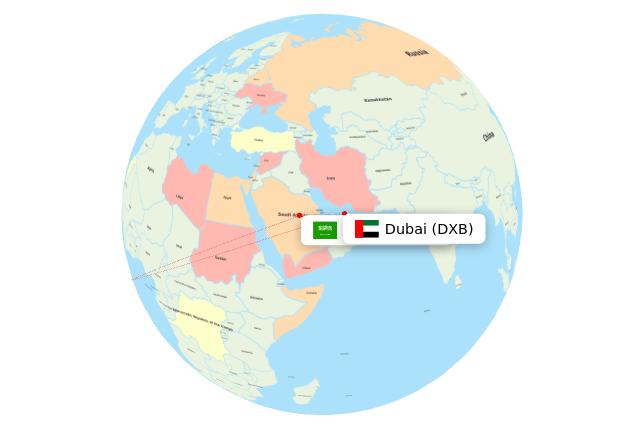
I’ve spent decades in the wholesale trade business, building supply chains across the Middle East and beyond. One of the toughest routes I’ve managed is moving goods from busy UAE ports like Jebel Ali in Dubai to Riyadh in Saudi Arabia. It’s a vital corridor for B2B importers and exporters, but it’s full of hurdles that can spike costs, cause delays, and even ruin cargo.
Picture this: A container of fresh produce arrives perfectly at Jebel Ali, only to spoil en route because of a border delay in scorching heat. Or machinery worth millions held up for days at customs, eating into your margins. According to recent industry reports, the GCC freight and logistics market is booming—valued at over $81 billion in 2025 and projected to hit $110 billion by 2030—but land transport challenges persist, especially on cross-border routes.
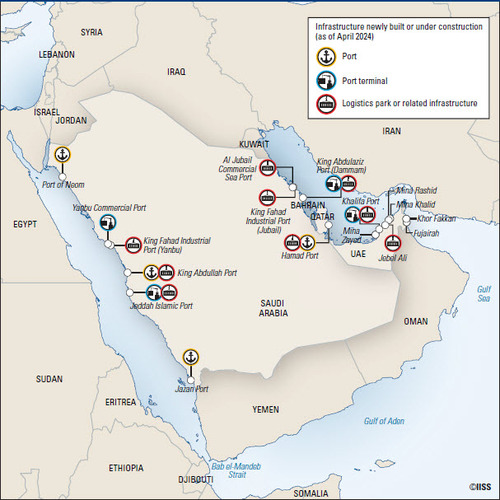
UAE Ports to Riyadh
In this guide, I’ll break down the real-world logistics challenges in shipping from UAE ports to Riyadh via GCC land transport. More importantly, I’ll share actionable solutions I’ve used to navigate them successfully. Whether you’re sourcing construction materials, food products, or industrial equipment, understanding these issues will help you build a more reliable supply chain.
Why This Route Matters for Your Business
The path from UAE ports to Riyadh typically starts with sea arrival at Jebel Ali or other hubs, followed by land trucking across the UAE-Saudi border. The distance is around 900-1,000 km by road, with transit times ideally 2-3 days—but realities often stretch that.
Trade between UAE and Saudi Arabia is massive, with thousands of trucks crossing daily. It’s fueled by Saudi Vision 2030’s push for diversification and the UAE’s role as a global re-export hub. Yet, inefficiencies can add 20-30% to costs through delays and risks.
Let’s dive into the key challenges.
Customs and Border Delays: The Biggest Bottleneck
Cross-border trucking in the GCC sounds seamless on paper, but borders remain a pain point.
The main crossing is Al Ghuwaifat (UAE side) to Al Batha (Saudi side). Commercial trucks face rigorous checks here.
Common Issues
- Documentation Errors: Missing or incorrect invoices, certificates of origin, or SASO compliance for Saudi standards lead to rejections.
- Inspections and Queues: High volumes cause backups, especially in peak seasons. Delays of 1-5 days aren’t uncommon, per freight forwarder reports.
- Regulatory Differences: While GCC unification efforts help, varying rules on restricted items (e.g., chemicals or food) create friction.
Why does this happen? Volume overload meets strict security and compliance needs. In extreme heat, waiting trucks risk cargo damage.
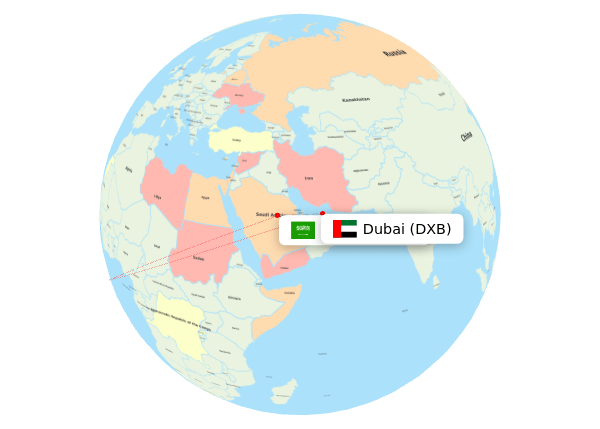
DXB port to Riyadh
How to Overcome It
- Partner with experienced forwarders who handle pre-clearance.
- Use digital platforms for electronic submissions to speed processing.
- Time shipments to avoid peaks, like Ramadan or summer highs.
- Build buffers into schedules—I’ve added 48 hours and saved clients from penalties.
In one case I managed, proper pre-border filing cut a 4-day delay to under 12 hours.
For broader insights on regional trade differences, check our article on Understanding MENA, GCC, and Arab Countries: Key Regional Differences for Global Trade.
Infrastructure and Road Conditions: Navigating the Desert Highways
GCC roads are improving rapidly, but challenges linger on this route.
Key Problems
- Congestion and Maintenance: Heavy truck traffic on highways like E11 and Route 95 causes bottlenecks.
- Desert Environment: Sandstorms reduce visibility and damage vehicles; remote stretches lack quick repair services.
- Limited Alternatives: No direct rail yet for most cargo—the GCC Railway is coming but not fully operational.
Reports highlight that road infrastructure performance still drives up trade costs in the region.
Practical Solutions
- Choose carriers with modern fleets and GPS tracking for real-time rerouting.
- Opt for FTL (full truckload) for better control over timing.
- Invest in protective packaging and vehicle maintenance checks.
Infrastructure investments under Vision 2030 are transforming this—learn more in Unlocking Supply Chain Opportunities in Saudi Vision 2030.
Temperature Control for Perishable Goods: Battling Extreme Heat
If you’re shipping food, pharmaceuticals, or any temperature-sensitive items, this is critical.
The Harsh Reality
- Ambient temperatures often exceed 45°C, straining reefer trucks.
- Delays at borders force engines off, causing temperature spikes.
- Equipment failures in heat lead to spoilage—cold chain breaches are a top risk in GCC land transport.
Perishable imports are growing fast, but maintaining the cold chain over long desert hauls demands precision.
Actionable Strategies
- Use advanced reefers with dual compressors and real-time monitoring.
- Pre-cool trucks and cargo before loading.
- Employ IoT sensors for alerts on deviations.
- Plan routes with shaded stops and avoid midday border crossings.
I’ve seen clients switch to insulated packaging plus active monitoring, reducing losses by 80%.
Cost Fluctuations and Economic Factors
Land freight costs vary widely.
What Drives Costs Up
- Fuel prices (though subsidized in GCC).
- Border fees, insurance, and surcharges.
- Seasonal demand—rates can jump 20-40% in peaks.
- Typical truck costs: $1,000-2,000 for a full load, plus extras.
Ways to Control Costs
Compare quotes from multiple carriers.
- Consolidate shipments for LTL savings.
- Negotiate long-term contracts.
- Factor in total landed costs, including risks.
Security, Driver Shortages, and Sustainability Pressures
Other hurdles include cargo theft risks (though low in GCC), skilled driver shortages, and growing demands for greener transport—like decarbonizing fleets amid Vision 2030 goals.
Solutions: Use tracked, insured carriers; train teams; explore hybrid vehicles.
Emerging trade corridors could ease pressures—see Transforming Trade Corridors in the Middle East 2026.
Building a Resilient Supply Chain: My Proven Framework
After years of trial and error, here’s my step-by-step approach:
- Assess Cargo Needs — Classify as dry, reefer, or hazardous.
- Select Partners Wisely — Vet forwarders with GCC expertise.
- Plan Digitally — Use tracking tools from start to finish.
- Mitigate Risks — Insure fully and build contingencies.
- Review and Optimize — Post-shipment audits refine processes.
This framework has helped my operations achieve 95% on-time delivery on tough routes.
The route from UAE ports to Riyadh is challenging, but mastering these logistics challenges turns it into a competitive advantage. With GCC investments pouring in, now’s the time to strengthen your chain.
Ready to streamline your imports or exports? Join Tendify.net today—connect directly with verified suppliers, post RFQs for free, and access real-time pricing and secure tools to make your next shipment smoother.
Sign up now and let’s build your reliable GCC supply chain together.