Blog
From Code to Contracts: How to Enter GCC Government Software Tenders

A Step-by-Step Guide
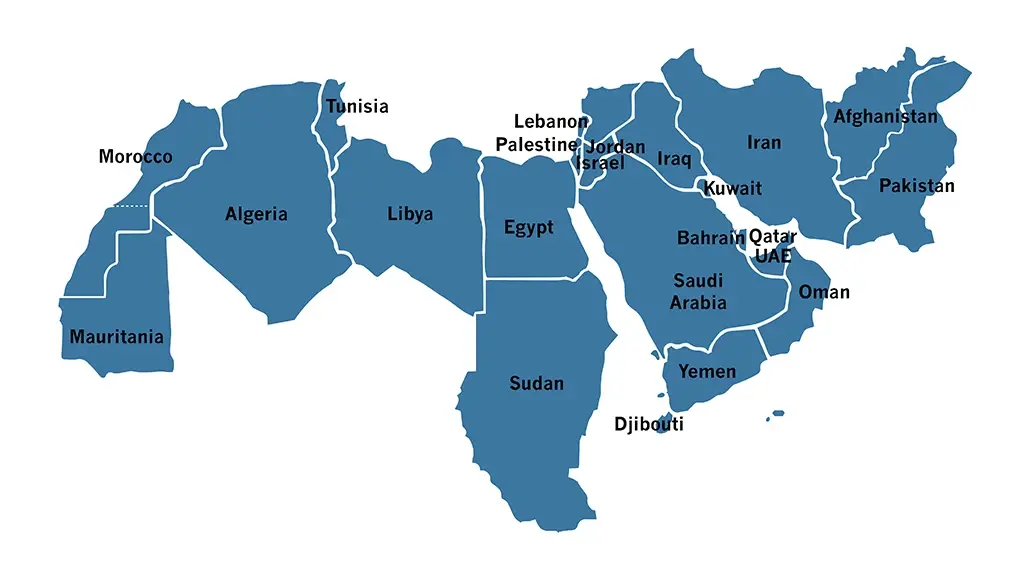
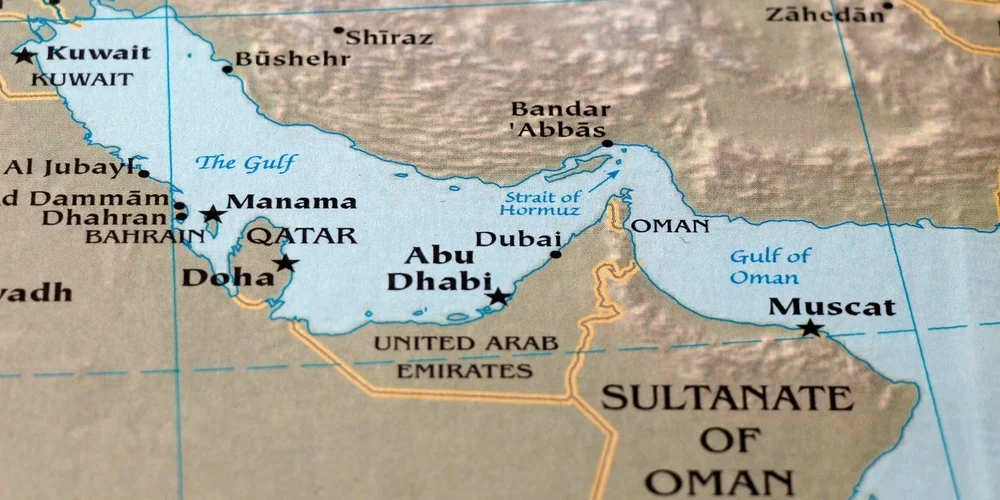
As someone who’s spent over two decades building and scaling software firms across emerging markets, I’ve seen firsthand how government contracts can transform a business. In the Gulf Cooperation Council (GCC) region—encompassing Saudi Arabia, the United Arab Emirates (UAE), Qatar, Kuwait, Bahrain, and Oman—the digital economy is exploding. Governments here are pouring billions into tech initiatives, from smart cities to AI-driven public services. But breaking into these tenders isn’t just about having great code; it’s about mastering the procurement maze, proving your compliance, and outmaneuvering the competition.
Consider this: The GCC’s public sector IT spending is projected to hit $15 billion by 2026, fueled by visions like Saudi Arabia’s Vision 2030 and the UAE’s digital transformation agenda. Yet, many software companies stumble at the starting line because they overlook the nuanced requirements for foreign bidders. In this guide, I’ll walk you through exactly how to position your software company for success in GCC government tenders. We’ll cover the overarching strategies first, then dive into country-specific details with actionable steps, real-world examples, and the “why” behind each move. By the end, you’ll have a roadmap to not only participate but win.
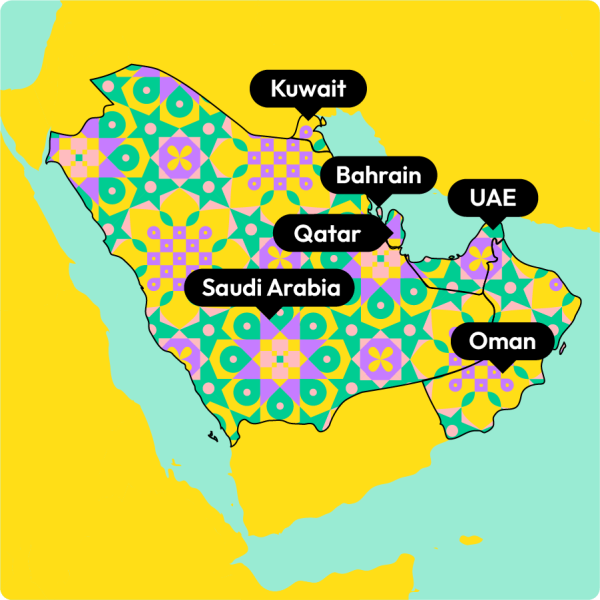
GCC Market for Software Companies
This isn’t theoretical advice—it’s drawn from my own experiences navigating these waters, where one missed registration can cost you a multimillion-dollar deal. Let’s get straight to it.
The GCC Procurement Landscape: Key Principles for Software Companies
Before jumping into individual countries, understand the big picture. GCC governments prioritize local economic growth, so tenders often favor nationals or joint ventures (JVs). For software providers, this means emphasizing cybersecurity, data localization, and integration with existing systems. Foreign companies face extra hurdles like local agent requirements, but the rewards are massive—contracts can span years and open doors to private sector spin-offs.
Why This Matters: Unlike private deals, government tenders demand transparency and accountability. A single compliance gap can disqualify you, eroding trust and wasting resources. Focus on building a “tender-ready” profile: certify your software under international standards like ISO 27001 for information security, and tailor proposals to address national priorities, such as digital inclusion or e-governance.
Here are the core steps applicable across the GCC:
- Research and Register: Identify portals like Etimad in Saudi Arabia or Oman’s e-Tendering system. Registration often requires business licenses, financial statements, and proof of expertise.
- Form Partnerships: Many countries mandate local agents or JVs for foreigners. This isn’t a barrier—it’s a bridge to insider knowledge.
- Prepare Documentation: Gather technical specs, case studies, and pricing models. Use data-driven bids; for instance, highlight how your SaaS solution reduced costs by 30% in similar projects.
- Monitor and Bid: Set up alerts for IT-related tenders. Submit early to allow for clarifications.
- Post-Bid Strategy: If you win, negotiate contracts carefully. If not, request feedback to refine future bids.
Data from sources like the World Bank shows that firms with local partnerships win 40% more tenders in emerging markets. Don’t go it alone—leverage networks for an edge.
GCC Software Companies
Now, let’s break it down by country, starting with the largest markets.
Saudi Arabia: Leveraging Vision 2030 for Software Opportunities
Saudi Arabia’s government tenders represent the GCC’s biggest prize, with IT procurement exceeding $5 billion annually. The kingdom’s push for digitalization under Vision 2030 means abundant opportunities in areas like cloud computing, AI, and cybersecurity software. But the process is rigorous, emphasizing localization through the “Saudization” policy.
Why Saudi Stands Out: With mega-projects like NEOM and the Red Sea Development, tenders aren’t just contracts—they’re gateways to ecosystem-wide integrations. Foreign software companies must demonstrate value in accelerating these initiatives, but compliance is non-negotiable.
Key Requirements for Participation
To enter, your company needs to align with the Unified Procurement Law. Foreign firms can bid directly if they meet criteria, but partnering with a Saudi entity boosts chances.
- Registration Essentials: Start with the Etimad platform, the central hub for all government tenders. Register as a supplier by providing your commercial registration (CR), tax certificates, and proof of financial stability. For software-specific tenders, obtain classification from the Ministry of Communications and Information Technology (MCIT).
- Local Presence Mandate: If your bid exceeds SAR 500,000 (about $133,000), you may need a local agent or JV with at least 30% Saudi ownership. This ensures knowledge transfer and job creation—key to Vision 2030.
- Technical and Financial Proof: Submit audited financials showing solvency, plus technical portfolios. For IT bids, include certifications like CMMI for software maturity.
Step-by-Step Guide to Bidding
- Monitor Tenders: Use Etimad’s search filters for “IT” or “software” keywords. Recent examples include SDAIA’s AI procurement tenders.
- Prepare Your Bid: Purchase tender documents (fees vary, often SAR 1,000-5,000). Tailor your proposal to specs—e.g., if it’s for e-health software, emphasize HIPAA-like data privacy.
- Submit and Evaluate: Bids are electronic; expect a two-envelope system (technical then financial). Evaluation weighs 70% on tech fit, 30% on price.
- Post-Award Compliance: Winners must register on platforms like Absher for workforce management and Qiwa for labor contracts.
Case Study Insight: A mid-sized European software firm I advised won a $2 million contract for municipal ERP systems by forming a JV with a Riyadh-based tech company. They localized 40% of the workforce within six months, turning a requirement into a competitive advantage. The “why” here? Saudization isn’t punitive—it’s about sustainable growth, reducing your long-term risks.
For more on setting up in Saudi free zones, check out our guide on registering a tech company in Saudi Arabia’s free zones.
Common Pitfalls and How to Avoid Them
- Overlooking Classification: Unclassified bidders get rejected outright. Apply early via the General Authority for Competition.
- Pricing Errors: Bids must include VAT (15%). Undercutting too aggressively signals unreliability.
- Timeline Mismanagement: Tenders close fast—aim to submit two weeks early for queries.
With persistence, Saudi tenders can yield recurring revenue; one contract often leads to add-ons.
United Arab Emirates: Mastering Federal and Emirate-Level Tenders
The UAE’s fragmented procurement—federal vs. emirate-specific—creates both complexity and opportunity. Dubai and Abu Dhabi lead in smart tech, with tenders for everything from blockchain to IoT software. Annual IT spend tops $3 billion, driven by initiatives like Dubai’s Paperless Strategy.
Why the UAE is Accessible for Foreigners: It’s more open than peers, but requires precision. Emphasize innovation; UAE entities seek cutting-edge solutions that align with global standards.
Federal vs. Local Requirements
- Federal Level: Use the Digital Procurement Platform (DPP) under the Ministry of Finance. Foreign companies must register as suppliers, providing trade licenses and bank guarantees.
- Emirate-Specific: In Abu Dhabi, ADERP handles tenders; Dubai uses its eSupply portal. Software firms need IT vendor classification from bodies like TRA (Telecommunications Regulatory Authority).
- Foreign Bidder Rules: No mandatory JV for most tenders, but local agents help with navigation. For high-value IT contracts (> AED 10 million, ~$2.7 million), prove UAE data residency compliance.

Software Companies
Practical Steps for Entry
- Registration Process: Sign up on DPP or relevant portals. Upload documents like ISO certifications and past project references.
- Tender Sourcing: Filter for “technology” or “software services.” Examples include federal cloud migration tenders.
- Bid Submission: Electronic via portals. Use a two-stage approach: pre-qualification then full proposal. Highlight ROI—e.g., your software’s 25% efficiency gains.
- Award and Execution: Contracts favor lowest compliant bid, but quality scores high. Post-win, integrate with UAE Pass for digital signatures.
Real-World Example: I’ve seen a U.S. SaaS provider secure an AED 5 million deal for government HR software by partnering with a Dubai free zone entity. They focused on GDPR-equivalent data protection, addressing UAE’s privacy laws head-on. The insight? UAE tenders reward agility—adapt your tech to local Arabic interfaces for an edge.
Avoid pitfalls like ignoring emirate variations; a federal win doesn’t guarantee Abu Dhabi access. For logistics insights that complement software exports, see our post on shipping goods from UAE ports to Riyadh.
Advanced Strategies
- Pre-Qualification Focus: Build a portfolio of UAE pilots to demonstrate feasibility.
- Sustainability Angle: Tie your software to UAE’s green agenda, like energy-efficient algorithms.
This market moves fast—stay updated via official newsletters.
Qatar: Capitalizing on Post-World Cup Digital Momentum
Qatar’s tenders surged post-2022 World Cup, with IT investments now at $2 billion yearly. Focus areas include fintech, e-education, and smart infrastructure under the National Vision 2030.
Why Qatar Appeals to Software Firms: Smaller scale means quicker decisions, but high standards demand proven reliability. Foreigners can participate, but local ties are crucial.
Entry Barriers and Solutions
- Core Platform: Ministry of Finance Tender Portal is primary. Register with commercial registration and tax clearance.
- Foreign Requirements: Often need a Qatari agent (51% ownership in JVs). For software, comply with Qatar’s Data Protection Law.
- Eligibility Checks: Prove technical capability via past contracts; SMEs get preferences.
Bidding Roadmap
- Portal Access: Register on the MOF portal and monitor daily notices in newspapers like Gulf Times.
- Document Prep: Include Qatari bank guarantees (5-10% of bid value).
- Submission Tactics: Bids are sealed; emphasize alignment with Qatar’s digital strategy, like AI for public services.
- Follow-Up: Use feedback sessions to improve.
Insight from Experience: A boutique analytics software company I mentored won a QAR 3 million tender for traffic management by localizing through a Doha partner. The key? Understanding Qatar’s emphasis on innovation post-event—your software must solve real-time challenges like urban congestion.
Pitfalls: Don’t ignore geo-tagging requirements in tenders. For broader trade corridor insights, explore transforming trade corridors in the Middle East.
Kuwait: Navigating Strict Agent Rules for Steady Contracts
Kuwait’s oil-driven economy allocates $1.5 billion to IT tenders yearly, focusing on e-gov and cybersecurity. The process is centralized but agent-dependent for foreigners.
Why It’s Worth the Effort: Stable, long-term contracts with less competition than larger neighbors.
Key Mandates
- Platform: Central Agency for Public Tenders (CAPT).
- Foreign Constraints: Must use a Kuwaiti agent; direct bidding rare.
- Documentation: Register with supplier records, provide financials, and tech specs.
Actionable Steps
- Agent Selection: Partner with a licensed Kuwaiti firm early.
- Tender Tracking: CAPT publishes 90 days in advance; filter for IT.
- Bid Crafting: Two envelopes; tech proposal first.
- Compliance Post-Win: Adhere to CAPT’s SME preferences if applicable.
Case Example: Drawing from a project I oversaw, a cybersecurity software provider secured a KWD 1 million deal by aligning with Kuwait’s Vision 2035 through an agent-led bid. The “why”? Agents handle cultural nuances, boosting approval rates by 50%.
Avoid underestimating timelines—pre-qualify agents thoroughly.
Bahrain: Streamlined Processes for Agile Bidders
Bahrain’s tenders, worth $1 billion in IT, emphasize fintech and digital banking under Economic Vision 2030. It’s the most foreigner-friendly in GCC.
Why Bahrain is a Gateway: Quick registrations and transparent evaluations make it ideal for first-time entrants.
Requirements Overview
- Portal: Tender Board e-Tendering.
- Foreign Access: Direct participation allowed; no mandatory JV.
- Essentials: Company registration proof, financial stability.
Step-by-Step
- Registration: On Tender Board portal; upload docs.
- Tender Engagement: View and purchase via portal.
- Bid Submission: Online; focus on value-add like cost savings.
- Award Process: Transparent announcements.
Practical Insight: A fintech software firm won a BHD 500,000 contract by highlighting blockchain integration for government finance. Bahrain rewards efficiency—keep bids concise.
Pitfalls: Overlook SME preferences (up to 20% price buffer).
Oman: Balancing Localization with Open Opportunities
Oman’s $800 million IT tenders target e-services and tourism tech under Vision 2040. Local content is key, but foreigners can compete.
Why Oman Offers Value: Growing digital push with less saturation.
Core Rules
- Platform: Oman Tender Board e-Tendering.
- Foreign Guidelines: Register; JVs preferred for large bids.
- Preferences: 10% edge for local SMEs.
Bidding Guide
- Setup: Download pre-qual questionnaire from portals.
- Monitoring: Use e-Tendering for alerts.
- Proposal Tips: Emphasize Omani workforce integration.
- Execution: Electronic awards.
Example: An ERP software company landed an OMR 400,000 deal by committing to local training. Insight: Oman’s focus on sustainability means green software wins.
Avoid generic bids—tailor to Oman’s diversification goals.
Final Tips: Scaling Your GCC Tender Success
Across the GCC, success hinges on preparation, partnerships, and persistence. Track metrics like bid-win ratios (aim for 20%), and reinvest in compliance. Remember, one win builds credibility for more.
Ready to dive in? Register on Tendify.net today to connect with verified partners, access procurement insights, and unlock GCC opportunities. Your next big contract starts here.