Blog
Kuwait Petrochemical Imports 2026: Unlock Lower Duties and Dodge Prohibited Items Penalties
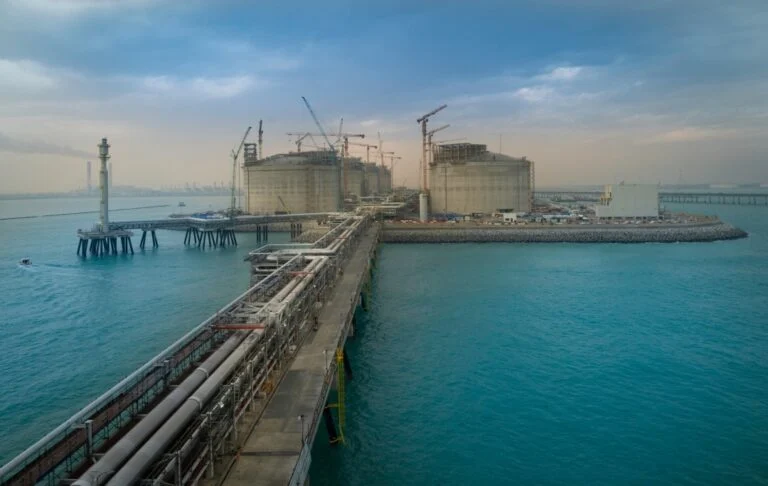
Imagine standing at the bustling Port of Shuwaikh, watching containers of specialty chemicals unload under the Gulf sun. You’ve sourced high-quality petrochemicals from a reliable supplier, but one paperwork slip-up could turn your profitable shipment into a costly delay. As someone who’s navigated these waters for over two decades in global trade, I’ve seen businesses thrive—or stumble—based on how well they grasp Kuwait’s customs rules. In 2026, with GCC integrations tightening and environmental scrutiny rising, getting this right isn’t optional; it’s your edge in a competitive market.
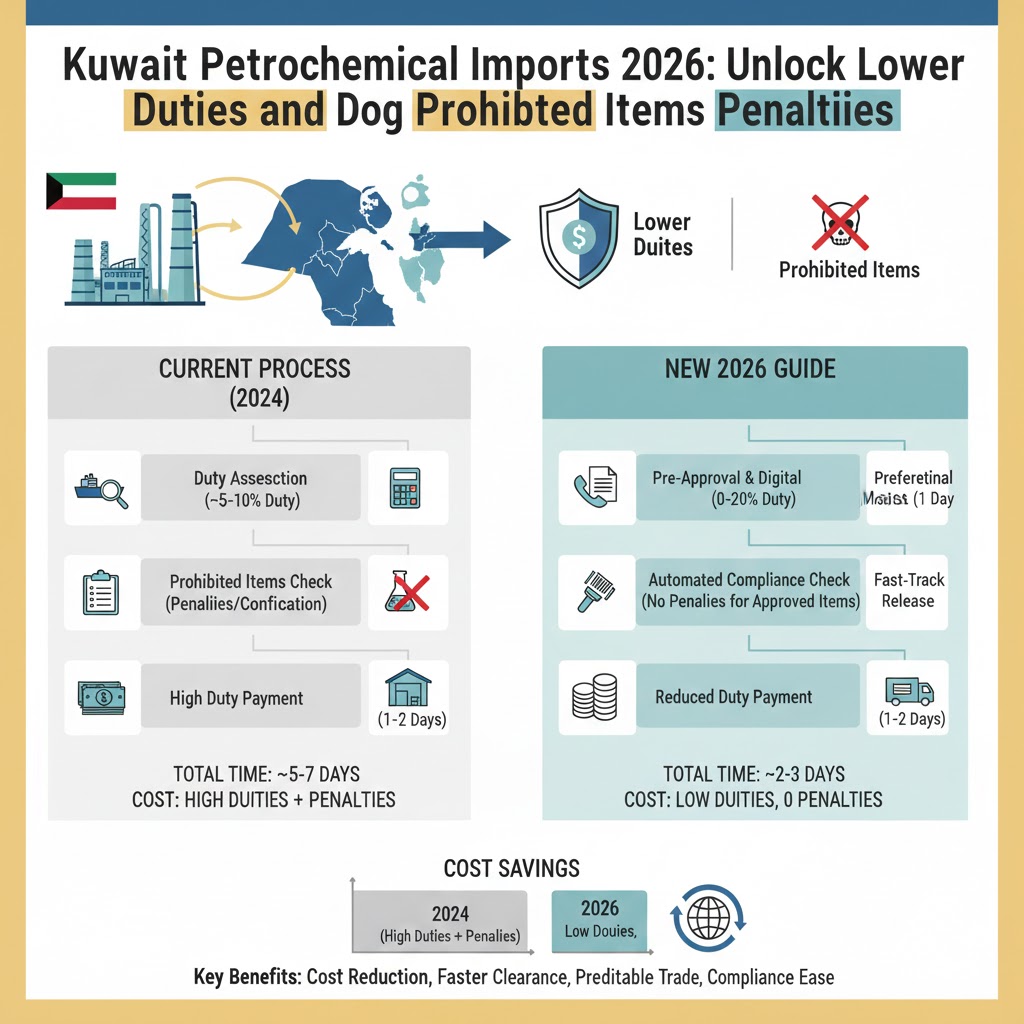
Kuwait Petrochemical Imports 2026 Unlock Lower Duties and Dodge Prohibited Items Penalties
This guide dives deep into Kuwait’s customs landscape for chemical products. We’ll cover everything from duty calculations to the full list of prohibited items, with actionable steps to ensure smooth imports. Whether you’re expanding into petrochemicals or handling industrial solvents, you’ll walk away equipped to avoid pitfalls and capitalize on opportunities. Let’s break it down.
Understanding Kuwait’s Customs Framework in 2026
Kuwait’s customs system operates within the Gulf Cooperation Council (GCC) framework, which standardizes tariffs and procedures across member states like Saudi Arabia, UAE, Oman, Qatar, and Bahrain. This unity simplifies trade but demands precision, especially for chemicals that often straddle industrial and hazardous categories.
The Role of the GCC Common Customs Tariff
At its core, the GCC Common Customs Tariff sets a baseline 5% duty on most imported goods, calculated on the CIF (Cost, Insurance, and Freight) value. For chemical products, this tariff applies broadly, but nuances emerge based on Harmonized System (HS) codes. In 2026, the GCC has expanded its tariff nomenclature to 12 digits, allowing for more granular classifications. This change, implemented across all members, aims to better track high-risk items like restricted chemicals while facilitating faster clearances for compliant shipments.

Kuwait Petrochemical Imports
Why does this matter? The extra digits help customs officers identify specifics—say, distinguishing between a benign industrial cleaner and a potentially hazardous precursor. From my experience, businesses that map their products accurately to these codes save thousands in disputes and delays.
Key Updates for 2026
While the core 5% rate holds steady, 2026 brings targeted adjustments. Some basic chemicals now face reduced duties of 2%, reflecting efforts to boost regional manufacturing and supply chains. For instance, certain organic compounds used in petrochemical refining might qualify, but only if they align with GCC environmental goals. On the flip side, restrictions on hazardous waste imports have tightened, prohibiting items like used oils and electronic wastes to protect local ecosystems.
These shifts stem from global pressures: rising sustainability demands and supply chain disruptions. If you’re importing petrochemical intermediates, factor in potential audits for compliance with international treaties like the Basel Convention on hazardous wastes. The insight here? Proactive adaptation turns regulations into advantages—I’ve advised firms to audit their supply chains early, uncovering duty savings that offset compliance costs.
How Kuwait Fits into the Bigger Picture
Kuwait’s General Administration of Customs (GAC) enforces these rules at ports like Shuwaikh and Shuaiba. Unlike standalone nations, Kuwait benefits from GCC-wide exemptions for intra-regional trade, meaning chemicals sourced from UAE free zones might enter duty-free if properly documented. But for non-GCC origins, full tariffs apply unless you qualify for bilateral agreements.
A relatable challenge: Many importers overlook the “single entry point” rule, where goods cleared in one GCC state can move freely. I’ve handled cases where a shipment from Europe cleared in Dubai but faced re-inspection in Kuwait due to mismatched paperwork. The fix? Always use unified GCC forms to streamline transit.
Step-by-Step Import Procedures for Chemical Products
Importing chemicals isn’t just about paying duties—it’s a sequenced process that demands preparation. Here’s how to execute it flawlessly in 2026.

Import Procedures for Chemical Products
Pre-Import Planning
- Classify Your Products: Start with HS codes. Chemicals fall under Chapters 28 (inorganic) to 38 (miscellaneous). For example, ethylene (HS 2901.21) might carry a 5% duty, while certain dyes (Chapter 32) could be lower if they’re eco-friendly.
- Secure Licenses: Chemical imports require a license from the Kuwait Chamber of Commerce and Industry (KCCI). For hazardous items, add approval from the Environmental Public Authority (EPA). This isn’t bureaucracy—it’s a safeguard against misuse.
- Choose Your Entry Point: Opt for Shuwaikh for containerized chemicals or Shuaiba for bulk petrochemicals. Factor in logistics: proximity to storage facilities reduces holding costs.
Documentation Essentials
Gather these before shipment:
- Commercial Invoice: Detailing value, origin, and HS code.
- Bill of Lading or Airway Bill: Proof of transport.
- Packing List: Itemized contents with weights and volumes.
- Certificate of Origin: Verified by your exporter’s chamber.
- Insurance Certificate: Covering CIF value.
- Chemical Safety Data Sheet (SDS): Mandatory for all substances, outlining hazards.
For restricted chemicals, include an Import Permit from the Ministry of Health or EPA. Miss one? Expect holds that could last weeks.
Customs Clearance Process
- Submission: File electronically via the Kuwait Customs portal. In 2026, digital integration with GCC systems speeds this up.
- Inspection: Goods undergo physical checks. Chemicals might be sampled for lab testing—budget for this.
- Duty Payment: Pay via bank transfer. Use the formula: Duty = 5% x (Cost + Insurance + Freight).
- Release: Once cleared, collect your goods. Total time? 24-48 hours for compliant shipments.
The deeper insight: Automation tools like AI-driven HS classifiers can cut errors by 30%. I’ve seen firms integrate these into their ERP systems, turning a headache into a seamless operation.
Post-Clearance Compliance
Track your shipment with Kuwait’s online portal. If audited, provide records within 30 days. Penalties for non-compliance? Fines up to 200% of duty value, plus confiscation.
Import Duties on Chemical Products: Rates, Calculations, and Exemptions
Duties form the financial backbone of imports. For chemicals, the standard is straightforward but layered with opportunities for savings.

Import Duties on Chemical Products
Breaking Down Tariff Rates
Most chemical products attract a 5% ad valorem duty. Here’s a snapshot in table form:
| HS Chapter | Product Examples | Standard Duty Rate (2026) | Notes |
|---|---|---|---|
| 28 | Inorganic chemicals (e.g., acids, salts) | 5% | Reduced to 2% for select basics. |
| 29 | Organic chemicals (e.g., hydrocarbons, alcohols) | 5% | Petrochemical intermediates often qualify for exemptions in industrial zones. |
| 30 | Pharmaceuticals | 0-5% | Duty-free for essential medicines, but chemicals for production pay full. |
| 31 | Fertilizers | 5% | Agricultural boosts may lower for nitrogen-based. |
| 32-38 | Dyes, paints, soaps, explosives, etc. | 5% | Explosives restricted; duties higher if dual-use. |
How to Calculate Duties Accurately
Duty = Tariff Rate x CIF Value
- Cost: Invoice price.
- Insurance: Policy premium.
- Freight: Shipping charges.
Example: Importing $100,000 worth of solvents (CIF $120,000). Duty: 5% x $120,000 = $6,000.
Add VAT at 5% on (CIF + Duty), totaling $6,300. Overvalue? You overpay. Undervalue? Risk penalties.
Insight: Use transaction value method for customs valuation—it’s the GCC default. If disputed, fallback to identical goods comparisons. I’ve negotiated valuations down by 10-15% with solid comparables.
Exemptions and Reductions
- GCC-Origin Goods: Duty-free.
- Free Zones: Kuwait’s Free Trade Zone offers deferrals.
- Industrial Projects: Exemptions for reconstruction materials, per 2026 policies.
- Bilateral Agreements: Reduced rates for FTA partners.
To claim, submit proof during filing. A common trap: Assuming automatic exemptions. Always apply in advance.
Prohibited and Restricted Goods List for Chemicals in 2026
Safety and security drive prohibitions. For chemicals, the line between allowed and banned is sharp.
Fully Prohibited Items
Kuwait bans imports that pose unmitigated risks:
- Narcotics and Controlled Substances: Any chemical precursors for illegal drugs.
- Explosives Without License: Including ammonium nitrate if not for industrial use.
- Hazardous Wastes: Used oils, chemical sludges, per Basel rules.
- Pork-Derived Chemicals: Rare, but includes certain gelatins.
- Alcohol-Based Compounds: If intended for beverages.
These stem from religious, health, and environmental laws. Attempting import? Immediate seizure and fines.
Restricted Chemicals Requiring Permits
Many chemicals are allowed but regulated:
- Hazardous Materials (Classes 5.1, 5.2, etc.): Oxidizers, corrosives need EPA nod.
- Pesticides and Agrochemicals: Ministry of Agriculture approval.
- Pharmaceutical Intermediates: Health Ministry license.
- Petrochemical Precursors: If dual-use (e.g., for weapons), special clearance.
- Radioactive Substances: Prohibited unless for medical/research with permits.
New in 2026: Stricter controls on restricted chemicals, requiring pre-approval for production or trade. The list includes ozone-depleters and persistent pollutants.
Handling Hazardous Petrochemicals
For petrochemicals like benzene or toluene:
- Transport Compliance: Follow IMDG codes for shipping.
- Storage Rules: Use certified facilities to avoid post-import issues.
- Labeling: SDS in Arabic and English.
The why: Kuwait’s oil-rich economy prioritizes safety to prevent incidents. I’ve seen shipments rejected for poor labeling—simple fixes like bilingual tags prevent this.
Ensuring Compliance: Best Practices and Risk Management
Compliance isn’t a checkbox; it’s ongoing.
Documentation and Record-Keeping
Maintain files for five years. Use digital tools for traceability.
Partnering with Experts
Engage customs brokers familiar with chemical regs. On Tendify.net, connect with verified logistics providers for seamless handling.
For broader GCC insights, check our guide on GCC Ports 2026: Master Customs Valuation and Dodge Crushing Penalties.
Auditing Your Supply Chain
Conduct annual reviews. Identify risks like misclassified HS codes.
Common Pitfalls and Solutions
- Pitfall: Ignoring EPA approvals. Solution: Apply 30 days prior.
- Pitfall: Undervaluation. Solution: Use arm’s-length pricing.
- Pitfall: Post-Brexit changes for EU chemicals. Solution: Verify origins.
From experience, these errors cost 20-30% in overruns. Address them upfront.
Real-World Examples: Navigating Chemical Imports Successfully
Consider a mid-sized firm importing solvents for paint production. In 2025, they faced delays due to missing SDS. By 2026, adopting digital submissions, they cleared in hours, saving $15,000.
Another: A petrochemical exporter used GCC exemptions for intra-regional trade, slashing duties from 5% to zero on $500,000 shipments.
These aren’t hypotheticals—they highlight the power of preparation.
Leveraging Platforms for Smoother Trade
In a market like Kuwait, direct connections matter. Platforms bridge gaps, offering verified suppliers and real-time pricing.
For related reading, explore Iraq Zero-Tariff Exemptions 2026: Unlock Duty-Free Imports for Reconstruction Projects on our blog.
Or, dive into Oman Food Imports 2026: Bayan Clearance + Latest Tariffs for adjacent market tips.
Conclusion: Secure Your Edge in Kuwait’s Chemical Market
Mastering Kuwait’s 2026 customs for chemical products boils down to knowledge, preparation, and smart partnerships. With duties at 5% for most items, prohibitions on hazards, and opportunities for exemptions, the path is clear for those who plan. Avoid the traps I’ve outlined, and you’ll turn potential headaches into profitable ventures.
Ready to import with confidence? Register on Tendify.net today—access verified suppliers, post RFQs, and get expert support for your next shipment. It’s free for buyers and your first step to thriving in this dynamic market. Sign up now and let’s build your success story.