


المدونة
Stop Paying for Damages: How to Win Container Repair Cost Disputes in Shipping
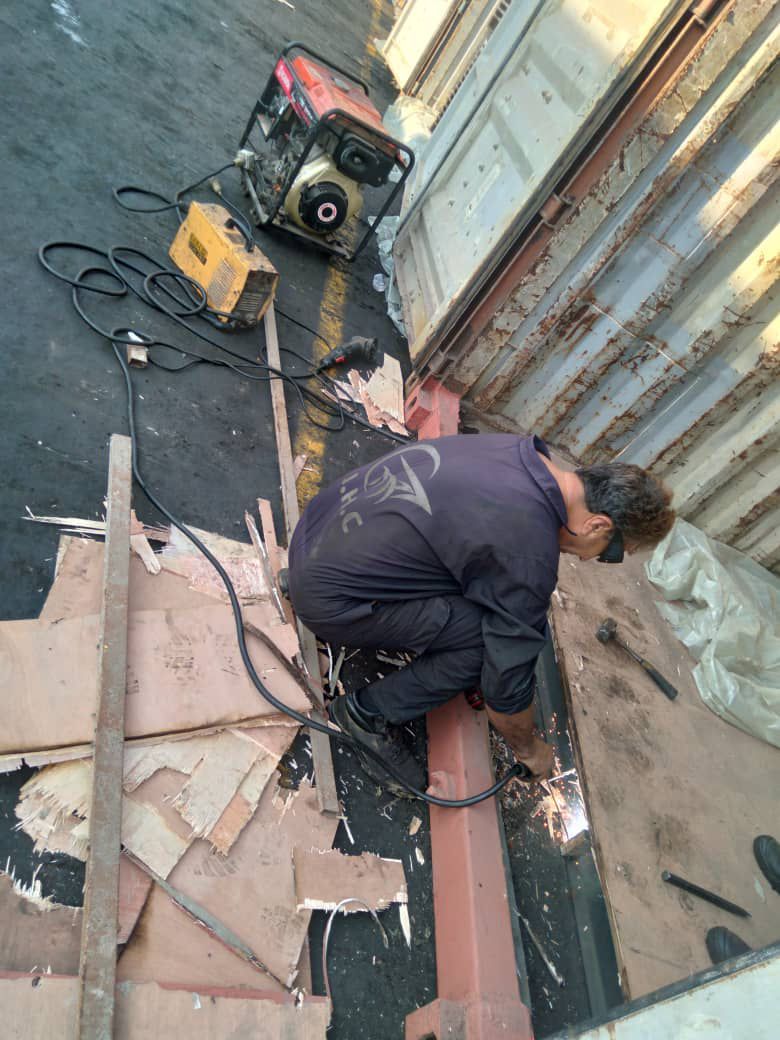
على مدار سنوات عملي في توجيه صادرات السلع عبر الطرق العالمية، واجهت الكثير من المفاجآت في المستودع أو المحطة. إحدى هذه المفاجآت البارزة: وصل فريقنا لاستلام مجموعة من الحاويات الفارغة لتحميلها في عملية شحن قادمة. على الفور، كان من الواضح أن كل واحدة منها كانت تعاني من مشاكل هيكلية ملحوظة موجودة مسبقًا - خدوش، وإطارات ضعيفة، وبقع صدأ. ثم، أثناء عملية الرفع الروتينية في الفناء، تعرض العديد منها لأضرار إضافية. كان السؤال الكبير مطروحًا بقوة: من يدفع فاتورة الإصلاحات? لقد تواصلنا مع خط الشحن، لكنهم تراجعوا عن تحمل المسؤولية. وفي النهاية، قام مشغل المحطة بتغطية الإصلاحات بنفسه. لم يكلفنا هذا الموقف سنتًا واحدًا، لكنه أوصلنا إلى نقطة حيوية - ?يمكن أن تؤدي عمليات الفحص التفصيلية قبل الاستلام وتقارير الخبراء إلى تفادي أسابيع من الجدال والضربات غير المتوقعة لأرباحك النهائية.
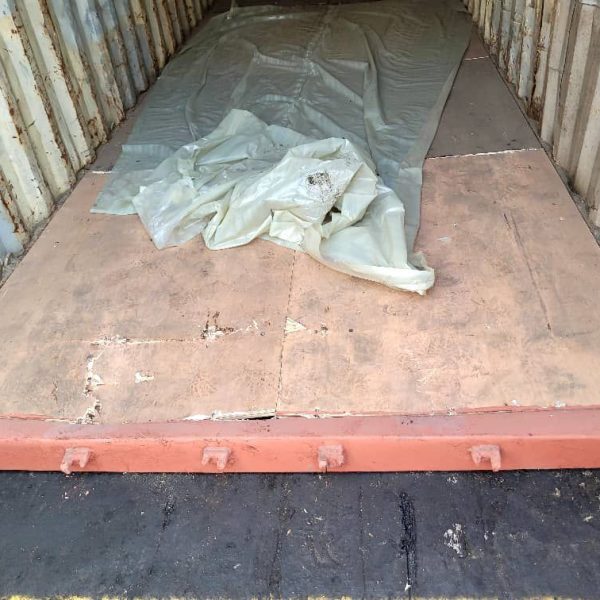
تلف الحاوية وتكلفة الإصلاح
يوضح هذا الدليل كل ما تحتاج إلى معرفته عن تلف الحاوية الموجودة مسبقاً, ومن يتحمل عادةً تكاليف الإصلاح، والأهم من ذلك - كيف تحمي عملياتك من هذه النزاعات. سواء كنت تنقل بضائع سائبة أو آلات أو بضائع عامة، فإن هذه الاستراتيجيات ستوفر لك الوقت والمال والصداع.
Pro-Active Checklist: 7 Points to Check Before Signing the EIR
To avoid unfair repair bills, never sign the Equipment Interchange Receipt (EIR) without verifying these 7 critical areas:
- Light Test: Step inside, close the doors, and look for any light leaks (indicates holes in the roof or panels).
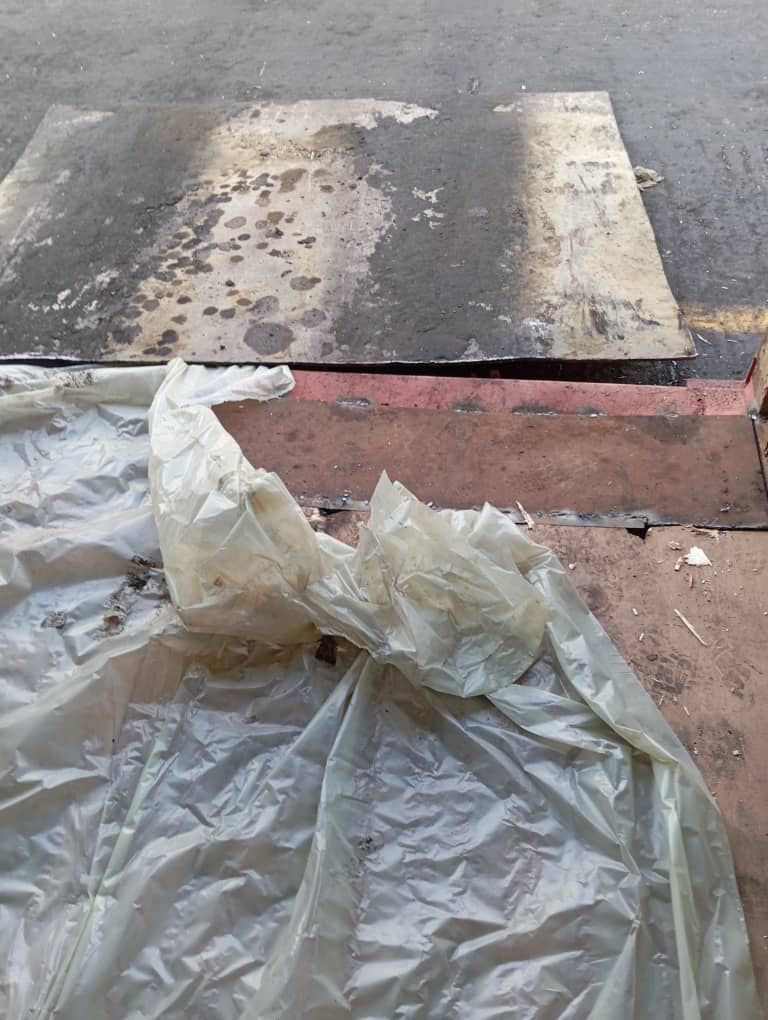
- Floor Condition: Check for oil stains, odors, or splinters that could lead to “cleaning” or “replacement” fees.
- Door Seals: Ensure rubber gaskets are intact and the locking bars move freely.
- Structural Dents: Any dent deeper than 50mm on the side panels or corner posts must be noted.
- Previous Patches: Check if old repairs are failing or poorly welded.
- Underframe: Inspect the cross-members for bends caused by improper forklift use.
- Odor & Cleanliness: Ensure no persistent smell from previous cargo (especially chemicals or hides).
ما هو تلف الحاوية الموجود مسبقاً وما أهميته؟
يشير التلف الموجود مسبقاً - الذي غالباً ما يُطلق عليه “التلف القديم” - إلى أي مشاكل هيكلية أو تجميلية في الحاوية قبل تسليمها لاستخدامك. ويشمل ذلك الانبعاجات أو التآكل أو الإطارات المثنية أو الأبواب المعيبة أو الإصلاحات السابقة التي لم تتم بشكل صحيح.
في مجال الشحن الدولي، تتغير الحاويات باستمرار: من خطوط الشحن إلى المستودعات والمحطات وسائقي الشاحنات والشاحنين. يتراكم البلى، ولا يتم الإبلاغ عن جميع المشكلات أو إصلاحها على الفور.
The Poland Corridor: A Strategic Guide to Import-Export Opportunities
لماذا تؤدي الأضرار الموجودة مسبقاً إلى الصداع الشديد
Ignoring a small dent or a minor structural flaw when you first receive a container might seem like a time-saver, but it is often the beginning of a costly legal and financial nightmare. Pre-existing damage is a “silent liability” that can escalate rapidly. Here is why failing to document these issues leads to major operational headaches:
Compromised Structural Integrity & Safety Risks: A container is a precision-engineered box designed to withstand immense pressure when stacked. Even minor pre-existing damage, such as a bowed side panel or a hairline crack in a corner post, significantly weakens the structure. During high-velocity crane lifting or turbulent sea transit, these weakened points can fail catastrophically. This not only endangers the vessel’s crew and port workers but puts your entire cargo at risk of total loss.
The “Handling Escalation” Trap: When a compromised container is handled by heavy machinery, the existing stress points are the first to give way. As seen in many industry cases, lifting a container with a minor floor crack can lead to a complete structural buckle once it is fully loaded. What could have been a $100 patch job becomes a multi-thousand-dollar structural overhaul—and without prior documentation, the carrier will hold the current lessee responsible for the entire “new” damage.
Exponential Cost Implications: The financial burden of container repairs is rarely linear. While minor aesthetic fixes are manageable, structural repairs involving specialized welding, cross-member replacement, or floorboard swaps can run from several hundred to several thousand dollars. Beyond the repair invoice itself, you may be hit with “Loss of Use” (detention) charges while the container is out of service in the repair yard.
High Dispute Frequency and Administrative Delays: Container condition is a primary friction point in global trade. Industry data suggests that nearly 11% of all cargo-related claims and disputes are rooted in the physical condition of the equipment. These disputes trigger significant administrative bottlenecks, leading to delayed releases, strained relationships with shipping lines, and frozen capital.
The Blame-Shifting Culture: In the shipping industry, the “last person holding the bag” is often the one who pays. While shipping lines are legally responsible for maintaining their fleet, the burden of proof shifts to the shipper once the Equipment Interchange Receipt (EIR) is signed. Without a detailed record of pre-existing issues, you invite carriers to shift the blame for years of “wear and tear” onto your single shipment. Documenting damage isn’t just abo
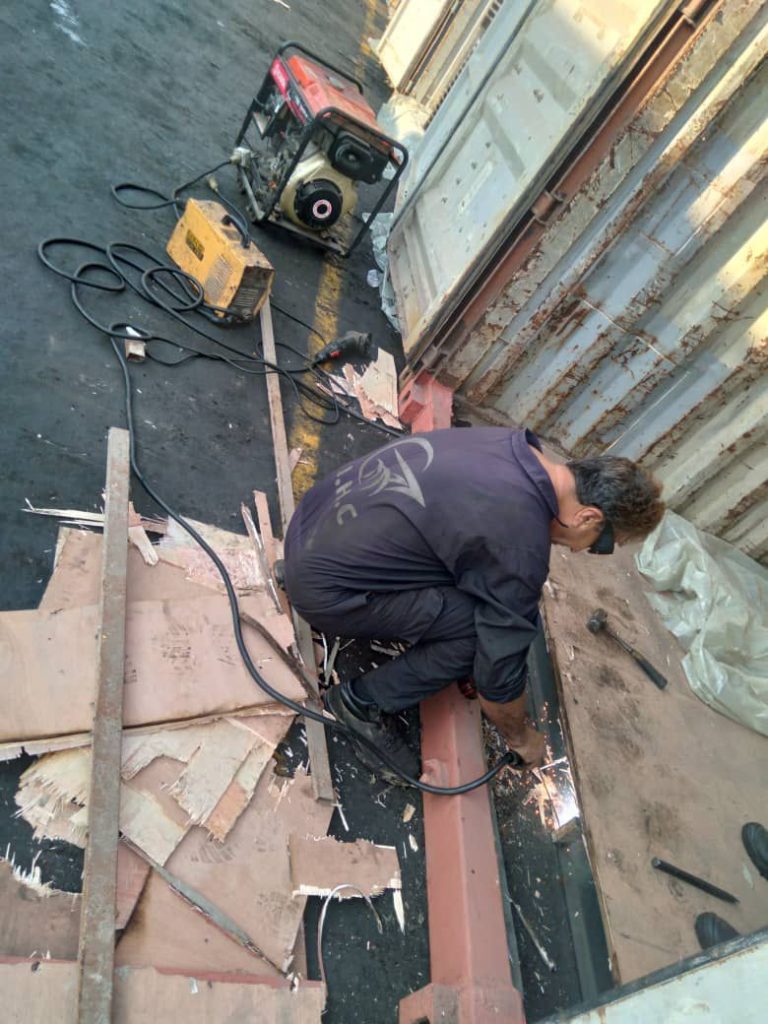
الحاويات المملوكة للناقل مقابل الحاويات المملوكة للشاحن
من المسؤول عن تكاليف إصلاح الحاويات؟ تقسيم المسؤولية
إن المسؤولية ليست مسألة سوداء وبيضاء - فهي تعتمد على وقت حدوث الضرر وكيفية حدوثه، بالإضافة إلى شروط العقد مثل بوليصة الشحن أو اتفاقيات التبادل.
الأطراف الرئيسية والمسؤوليات النموذجية
| الحفلة | المسؤولية النموذجية | السيناريوهات الشائعة التي يدفعون فيها |
|---|---|---|
| خط الشحن (الناقل) | الصيانة الشاملة وتوفير حاويات صالحة للإبحار. المسؤولية عن العيوب الخفية أو سوء الصيانة. | مشاكل موجودة مسبقاً لم يتم الكشف عنها؛ أضرار من رحلات سابقة. |
| مشغل المحطة/المستودع | التعامل الآمن أثناء التخزين والرفع والتبادل. غالبًا ما تغطي الحوادث المتعلقة بالساحة. | التلف أثناء رفع الرافعات أو التكديس في منشآتهم (كما هو الحال في تجربتنا). |
| الشاحن/المرسل إليه | الفحص السليم عند الاستلام، والإبلاغ عن المشاكل فوراً. المسؤولية إذا أدى الإهمال أثناء الاستخدام إلى تفاقم الضرر. | قبول حاوية تالفة بدون تدوين؛ تحميل غير سليم يسبب المزيد من الضرر. |
| سائق شاحنة/سائق شاحنة/سائق نقل | النقل البري الآمن. يغطي الحوادث أو سوء المناولة في الطريق. | التصادم أو التحميل الزائد أثناء الاستلام/التسليم. |
- عادةً ما يقع عبء الضرر الموجود مسبقاً على عاتق الناقل إذا تم إثباته.
- غالبًا ما تقع الأضرار الجديدة أثناء العمليات النهائية في الفناء.
- تشير دراسات من منصات الخدمات اللوجستية إلى أن المحطات تستوعب التكاليف في العديد من الحالات المتعلقة بالمناولة للحفاظ على العلاقات.
البصيرة: قم دائمًا بتدوين الشروط في إيصال تبادل المعدات (EIR). بدون تدوين؟ أنت تعني القبول “كما هو”.”
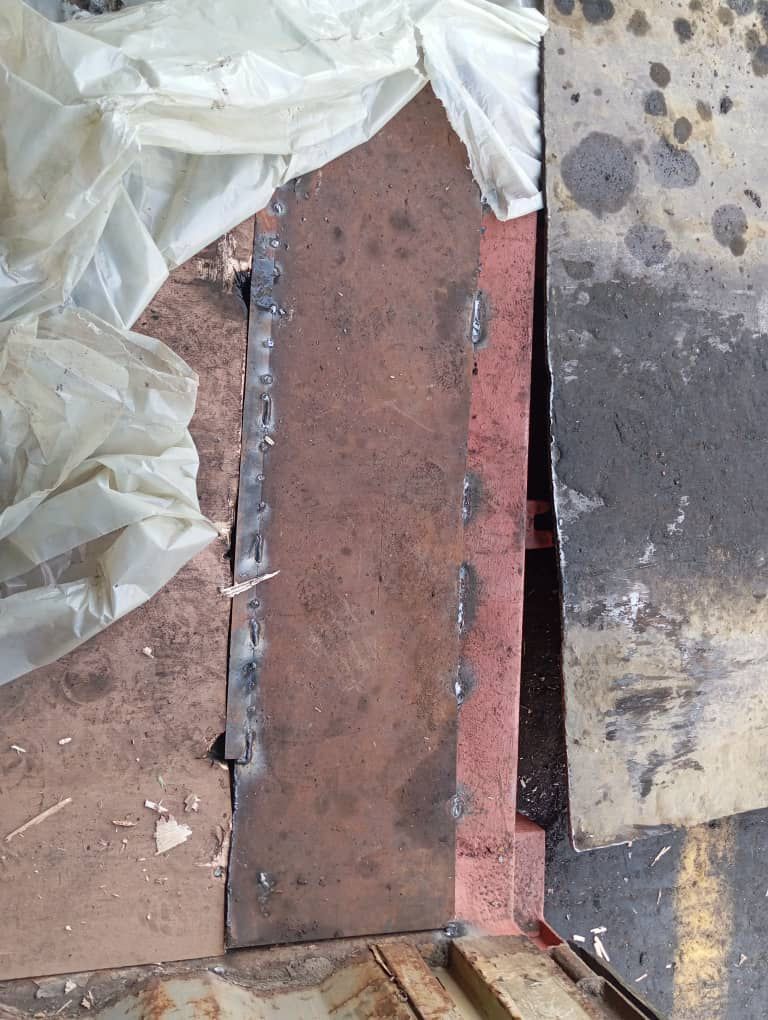
تلف الحاوية الموجود مسبقاً
للاطلاع على رؤى المخاطر ذات الصلة، راجع تحليلنا عن التأمين ضد مخاطر الحرب وشروط القوة القاهرة في العقود.
Common Types of Container Damage & Liability
Identifying the specific type of damage is the first step in winning a dispute. Here are the most frequent issues that lead to unexpected repair invoices:
1. Structural Dents and Bowing
Dents on side panels or roof are common during crane operations. However, a dent is usually only billable if it exceeds 50mm in depth or is located on a structural member like a corner post or rail.
نصيحة محترف: Always photograph dents with a ruler or a common object (like a pen) for scale.
2. Floor Contamination & Odors
Oil spills, chemical stains, or persistent smells (like fish or wet hides) are the leading causes of cleaning fees. Carriers often charge for high-pressure steam cleaning or floor sanding.
Dispute Strategy: Prove the odor existed at the time of pickup by noting it on the EIR.
3. Corrosion & Pin-Holes
Over time, saltwater exposure causes rust. If rust leads to light-leaking holes, the container is no longer “Cargo Worthy.” Most rust is considered Normal Wear and Tear, but carriers often try to bill it as “impact damage.”
4. Door Gasket & Locking Bar Issues
Damaged rubber gaskets allow water ingress. Bent locking bars make it impossible to seal the container properly. These are often caused by improper forklift handling at the warehouse.
5. Interior Scratches (Non-Billable)
Minor scratches to the interior paint are generally NOT billable. Carriers may attempt to charge for repainting, but according to IICL standards, these are categorized as “wear and tear.”
CARICOM Trade Guide: How to Profit in the Caribbean Single Market
Estimated Industry Repair Costs vs. Prevention
Understanding the financial impact helps in prioritizing inspections. Here is a breakdown of average repair costs:
| Damage Type | Typical Repair Cost | Prevention Effort |
|---|---|---|
| Small Roof Hole (Patching) | $150 – $300 | 5-Min Light Test |
| Floor Sanding & Cleaning | $200 – $500 | Visual Sweep |
| Bent Corner Post | $1,000 – $2,500 | Photo at Gate-In |
*Note: Costs vary by region and carrier standards. Always refer to the IICL (Institute of International Container Lessors) guidelines.
خطوة بخطوة: كيفية فحص الحاويات قبل قبولها وتجنب المنازعات
أفضل دفاع هو الفحص الشامل قبل القبول. تخطيه، وستكون عرضة للخطر.
عملية تفتيش مثبتة
The best defense against unfair repair charges is a meticulous, uncompromising pre-acceptance inspection. Once you sign the EIR without remarks, you are legally assuming the container is in good condition. To protect your bottom line, follow this professional inspection protocol:
1. Timing and Positioning
Arrive Early & Be Present: Never rely on a third-party report provided after the fact. Being on-site when the container is positioned for pickup allows you to see it from all angles before it is hitched to a truck or loaded.
2. The External 360-Degree Scan
The Perimeter Walk: Walk around the unit twice. Look for “hidden” structural issues: bulges in the side panels (indicating internal pressure), heavy rust scaling on corner posts, or hairline cracks in the welding.
The Door & Hardware Test: Don’t just look—operate. Open and close both doors to ensure they swing freely. Check the Cams and Keepers (the locking mechanisms) for bends. Inspect the rubber gaskets; if they are cracked or brittle, the container is no longer watertight.
The Understructure: Use a flashlight to check the cross-members. If they are bent upward, it’s a sign of previous overloading or improper forklift use—a high-cost repair you don’t want to inherit.
3. Internal Integrity & The “Light Test”
The 4-Wall Scan: Step inside and inspect the floors for deep gouges or oil saturation. Sweep your hand near the bottom rails to check for moisture.
The Daylight Test (Critical): Close yourself inside the container (with a colleague outside for safety). Any pin-point of light penetrating the roof, seams, or corners is a definitive “fail.” If light can get in, water will get in, leading to cargo damage and insurance disputes.
Odors & Residue: Sniff the interior. Persistent chemical or organic smells are grounds for rejection, as they can contaminate future shipments.
4. Observation During Lifting
Structural Stress Monitoring: Watch the crane or reach stacker as it engages the corner castings. Listen for groaning or popping sounds that indicate a compromised frame. Note any visible “racking” (twisting) of the container while it is suspended.
5. Hard Evidence & Documentation
High-Resolution Proof: Take at least 10–12 timestamped photos. Capture the four corners, the roof, the floor, the seal area, and the CSC plate (the container’s safety certificate).
The EIR Signature: Never accept a “clean” EIR if you’ve found an issue. Explicitly mark the damage on the document and ensure the depot representative or driver countersigns your remarks.
The Power of Rejection: If the structural integrity is in doubt, do not hesitate. Reject the unit immediately and request a replacement. It is far cheaper to wait two hours for a new container than to fight a two-month legal battle over a damaged one.
6. Expert Escalation
Third-Party Surveyors: For high-value cargo or suspect containers, hiring an independent surveyor is the “Gold Standard.” Their certified reports carry significant weight in international maritime courts and are nearly impossible for shipping lines to ignore.
نصيحة احترافية: استخدم قائمة تدقيق قياسية (مثل دليل CTPAT الإرشادي المكون من 7 نقاط) تغطي الجزء الأمامي/الخلفي، والجوانب، والجزء العلوي/الخلفي، والجزء الداخلي والهيكل السفلي.
في حادث الفناء الذي وقع في ساحتنا، أدى وضع العلامات والصور المبكرة إلى إزاحة المسؤولية عنا بالكامل.
Trading with ASEAN : Opportunities, Regulations, and Market Entry Strategies
أفضل الممارسات لإدارة مخاطر التقاط الحاويات والتعامل معها
Beyond the initial inspection, protecting your business from unfair damage claims requires building a robust operational culture. By integrating these high-level habits into your logistics workflow, you can minimize financial exposure and shift the burden of maintenance back to where it belongs.
Selective Partnership & Depot Auditing: Not all depots are created equal. Establish a “Preferred Partner” list by working with reputable shipping lines and depots known for maintaining young, well-serviced fleets. If a particular depot consistently provides substandard equipment, flag it in your procurement system. High-quality equipment reduces the chance of mid-transit failure and subsequent repair disputes.
Strategic Use of Third-Party Surveys: For high-value, sensitive, or oversized cargo, a DIY inspection might not be enough. In these cases, hiring an independent, certified marine surveyor at the point of interchange is an investment, not a cost. A surveyor’s report acts as a “legal gold standard” in international shipping, providing an unbiased baseline that shipping lines find nearly impossible to challenge in a dispute.
Comprehensive Equipment Insurance & Liability Clauses: Standard cargo insurance often focuses on the goods, not the vessel أو container. Ensure your insurance portfolio includes specific “Container Liability” clauses. Additionally, review your freight agreements to include “Pre-existing Damage Indemnity” terms. These legal safeguards ensure that you are not held liable for cumulative wear and tear that occurred before the equipment reached your facility.
Contractual Protections in Freight Agreements: Don’t leave container condition to chance—put it in writing. When negotiating with freight forwarders or carriers, specify the minimum grade of container required (e.g., “Grade A” or “Food Grade”). By setting these contractual expectations, you have a stronger legal standing to reject inferior equipment without incurring additional repositioning fees.
Leveraging Digital Tools & Geotagged Evidence: In the modern supply chain, a photo is only as good as its metadata. Utilize logistics management apps that capture geotagged, timestamped, and encrypted photos of the container at pickup. This digital trail creates an unalterable record of the container’s condition at the exact moment of interchange, preventing carriers from claiming that photos were taken at a later date or a different location.
The Power of Immediate Reporting: Information loses value with every passing hour. Establish a protocol where your field team or driver must report any “Minor-but-Noteworthy” issues immediately to the shipping line’s equipment department via email before the container leaves the port vicinity. This creates a “Paper Trail of Intent,” showing that you were proactive in identifying issues before any cargo was loaded.
عمليات إعادة الفحص وتقارير الخبراء
مقارنة سريعة: الحاويات المملوكة للناقل مقابل الحاويات المملوكة للشاحن
| أسبكت | مملوكة للناقل (مشترك) | مملوكة للشاحن |
|---|---|---|
| مسؤولية الصيانة | خط الشحن | أنت (الشاحن) |
| تكاليف الإصلاح | غالبًا ما تكون متنازع عليها؛ مسؤولية الناقل الأساسية | بالكامل على عاتقك |
| المرونة | سهولة التبديل في حالة وجود مشاكل | تحكم كامل، ولكن بتكاليف مقدمة أعلى |
| الأفضل لـ | معظم الصادرات | شحنات متكررة ومتخصصة |
دروس من العالم الحقيقي: رؤى حالة من الميدان
أمثلة مجهولة المصدر
- رفض المصدّر الحاويات المنبعجة في المستودع؛ وتجنب 1 تيرابايت و15,000 تيرابايت في مطالبات الإصلاح المتصاعدة عندما تسبب الرفع في انهيارها.
- أدى سوء التعامل مع المحطة أثناء مناوبة التكديس إلى إتلاف الإطارات - تمت تغطية التكاليف الكاملة بعد أن أثبت المسح المشترك وجود نقاط ضعف سابقة.
- قبلت الشاحن بدون تدوين؛ وعلقوا بالفواتير عند وقوع ضرر “جديد” يلقى اللوم عليهم.
تسلط البيانات المستقاة من مصادر الصناعة الضوء على أن الفحوصات المناسبة قبل التسليم تحل 80%+ من النزاعات المحتملة مقدمًا.
استكشف مفاضلات وضع الشحن في دليلنا الإرشادي الشحن الجوي مقابل الشحن البحري من الصين إلى جبل علي: تحليل التكلفة والفائدة لسلعتك لعام 2026.
نصائح متقدمة: الحماية طويلة الأجل ضد نزاعات الأضرار على المدى الطويل
قم بتوسيع نطاق نهجك:
- تدريب الفرق بشكل صارم: جعل عمليات التفتيش إلزامية مع وضع قوائم مرجعية.
- بناء العلاقات: غالبًا ما تؤدي العلاقات القوية مع المحطات الطرفية إلى قرارات مواتية.
- رصد الاتجاهات: تتبع سجل حالة أسطولك مع شركات النقل.
- الإعداد القانوني: الاحتفاظ بالسجلات منظمة من أجل تصعيد سريع للنزاعات.
ذات صلة أيضًا: تحديات التقييم الجمركي في الدليل الشامل لقواعد التقييم الجمركي لدولة الإمارات العربية المتحدة لعام 2026.
💡 Pro-Tip from the Field: The “Hidden Floor” Trap
The Situation: A shipper once received a $1,200 bill for “floor contamination” after returning a container used for machinery. The carrier claimed the oil stains were new.
The Mistake: The driver took photos of the container exterior only at the pickup point.
The Solution: By presenting a time-stamped photo taken inside the container before loading started, which showed the pre-existing stains, the dispute was settled in the shipper’s favor within 48 hours. Lesson: Always photograph the interior floor, even if it looks clean at first glance.
Frequently Asked Questions: Container Repair Disputes
Q: What is the most common reason for losing a repair dispute?
A: The lack of “Gate-Out” photos. Without visual evidence of the container’s condition when it left the carrier’s possession, it is your word against theirs.
Q: Does Container Damage Protection (CDP) cover everything?
A: No. Most CDP plans have exclusions for “gross negligence” or specific types of interior damage. Always read the fine print of your carrier’s insurance policy.
Q: How long do I have to dispute a repair invoice?
A: Usually, carriers require disputes to be filed within 7 to 14 days of receiving the invoice. Delayed responses often lead to automatic liability.
Turkmenistan 2026: $13B+Exports Breakdown + GCC Trade Explosion
الخاتمة تحويل المزالق المحتملة إلى قوة تشغيلية
يمكن أن يؤدي التلف المسبق للحاويات ونزاعات الإصلاح إلى عرقلة الجداول الزمنية وهوامش الربح - ولكن يمكن الوقاية منها إلى حد كبير. من خلال عمليات التفتيش الصارمة والتوثيق الواضح والشراكات الاستباقية، يمكنك التحكم في النتائج.
لقد حولت هذه الدروس إلى إجراءات قياسية في جميع عملياتي، مما أدى إلى تجنب تكاليف وتأخيرات لا حصر لها.
هل أنت مستعد لحماية شحناتك والتواصل مع شركاء عالميين موثوقين؟ انضم إلى Tendify.net الآن. قم بإدراج احتياجاتك من البضائع، أو احصل على موردين معتمدين، أو قم بتأمين صفقات شحن تنافسية. سجِّل اليوم وارتقِ بلعبتك اللوجستية.

