


وبلاگ
Stop Paying for Damages: How to Win Container Repair Cost Disputes in Shipping
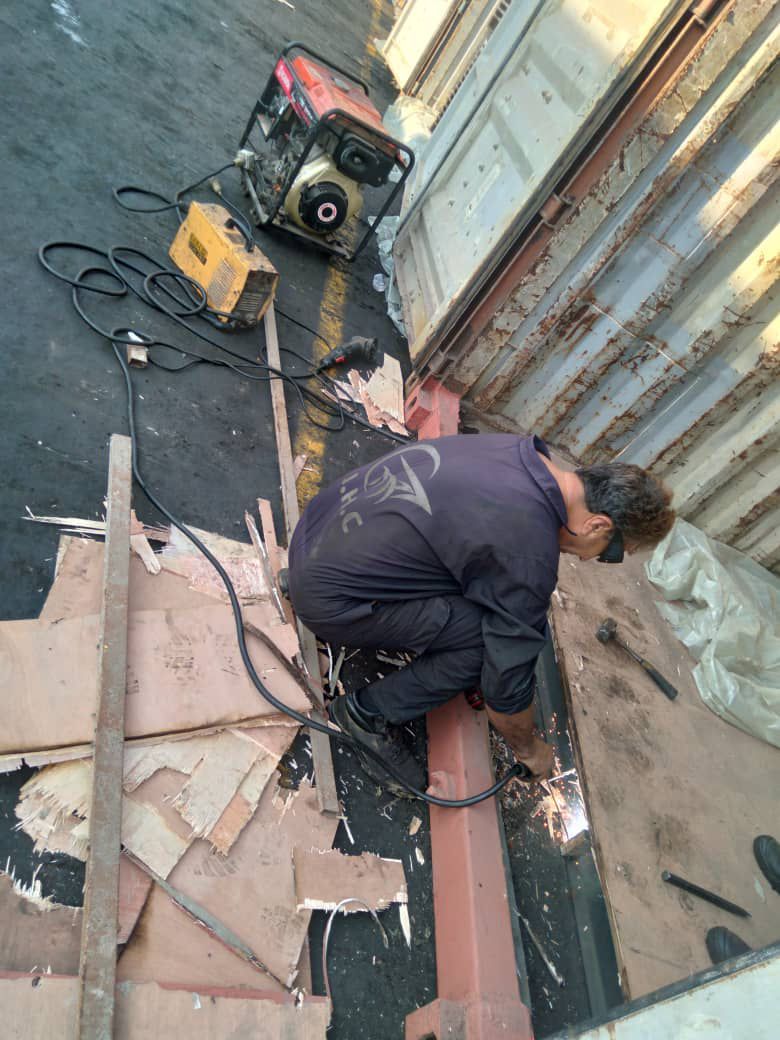
در طول سالهایی که صادرات کالا را در مسیرهای جهانی هدایت میکردم، با شگفتیهای زیادی در انبار یا ترمینال مواجه شدهام. یکی از آنها برجسته بود: تیم ما برای تحویل گرفتن دستهای از کانتینرهای خالی برای بارگیری آینده رسید. بلافاصله مشخص شد که تک تک آنها مشکلات ساختاری قابل توجهی از قبل داشتند - فرورفتگی، قابهای ضعیف، لکههای زنگ. سپس، در طول فرآیند معمول بلند کردن در محوطه، چندین مورد آسیب اضافی دیدند. سوال بزرگ به شدت ذهنم را مشغول کرد: چه کسی هزینه تعمیرات را پرداخت میکند؟ما با خطوط کشتیرانی تماس گرفتیم، اما آنها مسئولیت را نپذیرفتند. در نهایت، اپراتور ترمینال پا پیش گذاشت و خودش تعمیرات را انجام داد. آن وضعیت برای ما هزینهای نداشت، اما نکتهی حیاتی را روشن کرد—بازرسیهای دقیق قبل از تحویل و گزارشهای تخصصی میتواند از هفتهها بحث و جدل و ضررهای غیرمنتظره به سود و زیان شما جلوگیری کند..
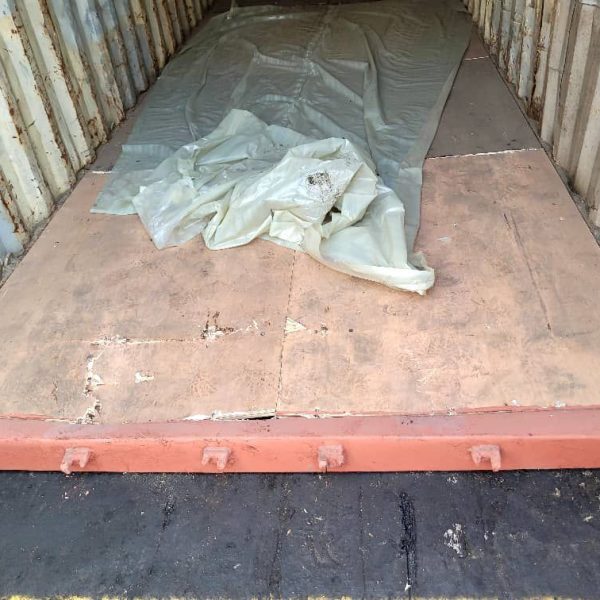
هزینه خسارت و تعمیر کانتینر
این راهنما هر آنچه را که باید در مورد آن بدانید، تجزیه و تحلیل میکند آسیب کانتینر از قبل موجود, چه کسی معمولاً هزینههای تعمیر را متحمل میشود و - مهمتر از همه - چگونه میتوانید از عملیات خود در برابر این اختلافات محافظت کنید. چه در حال جابجایی کالاهای فله، ماشینآلات یا محمولههای عمومی باشید، این استراتژیها در زمان، پول و سردردهای شما صرفهجویی خواهند کرد.
Pro-Active Checklist: 7 Points to Check Before Signing the EIR
To avoid unfair repair bills, never sign the Equipment Interchange Receipt (EIR) without verifying these 7 critical areas:
- Light Test: Step inside, close the doors, and look for any light leaks (indicates holes in the roof or panels).
- Floor Condition: Check for oil stains, odors, or splinters that could lead to “cleaning” or “replacement” fees.
- Door Seals: Ensure rubber gaskets are intact and the locking bars move freely.
- Structural Dents: Any dent deeper than 50mm on the side panels or corner posts must be noted.
- Previous Patches: Check if old repairs are failing or poorly welded.
- Underframe: Inspect the cross-members for bends caused by improper forklift use.
- Odor & Cleanliness: Ensure no persistent smell from previous cargo (especially chemicals or hides).
آسیب کانتینر از قبل موجود چیست و چرا اهمیت دارد؟
آسیبهای از پیش موجود - که اغلب “آسیب قدیمی” نامیده میشود - به هرگونه مشکل ساختاری یا ظاهری روی کانتینر قبل از تحویل آن برای استفاده شما اشاره دارد. این شامل فرورفتگی، خوردگی، خمیدگی قاب، دربهای معیوب یا تعمیرات قبلی است که به درستی انجام نشدهاند.
در حمل و نقل بینالمللی، کانتینرها دائماً دست به دست میشوند: از خطوط کشتیرانی گرفته تا انبارها، ترمینالها، کامیونداران و شرکتهای حمل و نقل. فرسودگی و خرابی انباشته میشود و همه مشکلات به سرعت شناسایی یا برطرف نمیشوند.
The Poland Corridor: A Strategic Guide to Import-Export Opportunities
چرا آسیبهای از پیش موجود منجر به سردردهای شدید میشوند؟
Ignoring a small dent or a minor structural flaw when you first receive a container might seem like a time-saver, but it is often the beginning of a costly legal and financial nightmare. Pre-existing damage is a “silent liability” that can escalate rapidly. Here is why failing to document these issues leads to major operational headaches:
Compromised Structural Integrity & Safety Risks: A container is a precision-engineered box designed to withstand immense pressure when stacked. Even minor pre-existing damage, such as a bowed side panel or a hairline crack in a corner post, significantly weakens the structure. During high-velocity crane lifting or turbulent sea transit, these weakened points can fail catastrophically. This not only endangers the vessel’s crew and port workers but puts your entire cargo at risk of total loss.
The “Handling Escalation” Trap: When a compromised container is handled by heavy machinery, the existing stress points are the first to give way. As seen in many industry cases, lifting a container with a minor floor crack can lead to a complete structural buckle once it is fully loaded. What could have been a $100 patch job becomes a multi-thousand-dollar structural overhaul—and without prior documentation, the carrier will hold the current lessee responsible for the entire “new” damage.
Exponential Cost Implications: The financial burden of container repairs is rarely linear. While minor aesthetic fixes are manageable, structural repairs involving specialized welding, cross-member replacement, or floorboard swaps can run from several hundred to several thousand dollars. Beyond the repair invoice itself, you may be hit with “Loss of Use” (detention) charges while the container is out of service in the repair yard.
High Dispute Frequency and Administrative Delays: Container condition is a primary friction point in global trade. Industry data suggests that nearly 11% of all cargo-related claims and disputes are rooted in the physical condition of the equipment. These disputes trigger significant administrative bottlenecks, leading to delayed releases, strained relationships with shipping lines, and frozen capital.
The Blame-Shifting Culture: In the shipping industry, the “last person holding the bag” is often the one who pays. While shipping lines are legally responsible for maintaining their fleet, the burden of proof shifts to the shipper once the Equipment Interchange Receipt (EIR) is signed. Without a detailed record of pre-existing issues, you invite carriers to shift the blame for years of “wear and tear” onto your single shipment. Documenting damage isn’t just abo
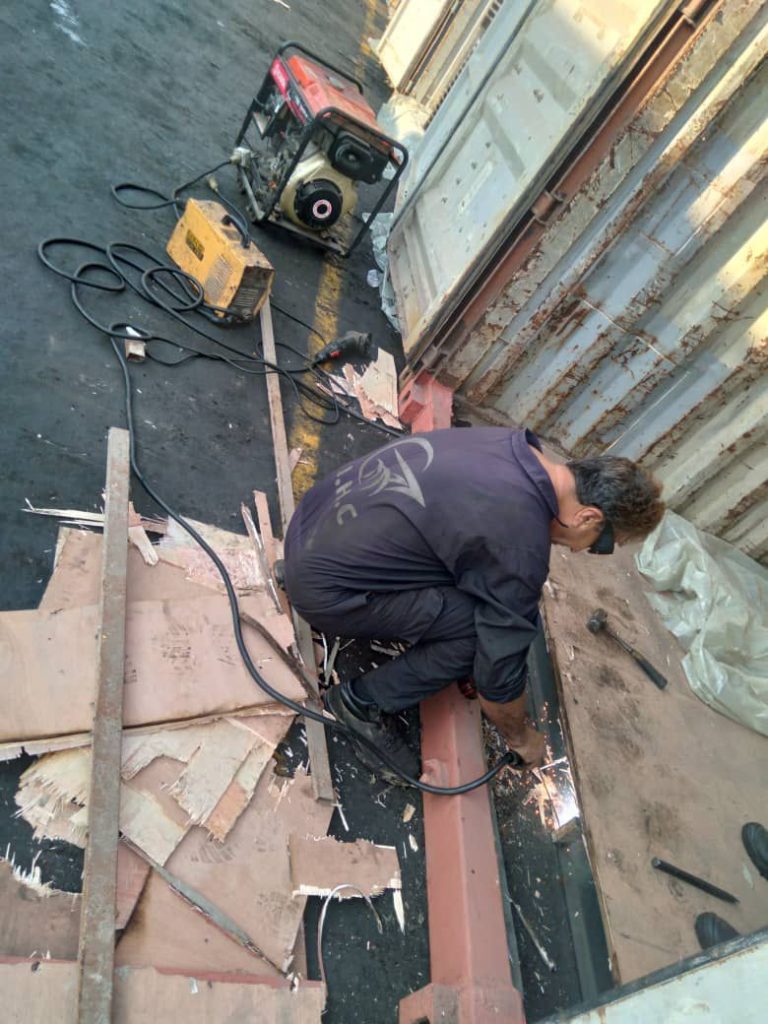
کانتینرهای متعلق به شرکت حملکننده در مقابل کانتینرهای متعلق به شرکت حملکننده
چه کسی مسئول هزینههای تعمیر کانتینر است؟ جزئیات مسئولیت
مسئولیتپذیری سیاه و سفید نیست - بستگی به زمان و نحوه وقوع خسارت، به علاوه شرایط قرارداد مانند بارنامه یا توافقنامههای مبادله شما دارد.
طرفین کلیدی و مسئولیتهای معمول
| مهمانی | مسئولیت معمول | سناریوهای رایج که در آن پرداخت میکنند |
|---|---|---|
| خط کشتیرانی (شرکت حمل و نقل) | نگهداری کلی و ارائه کانتینرهای مناسب برای دریا. مسئول نقصهای پنهان یا نگهداری ضعیف. | مشکلات از پیش موجود فاش نشده است؛ خسارت ناشی از سفرهای دریایی قبلی. |
| اپراتور ترمینال/دپو | جابجایی ایمن در حین انبارداری، بلند کردن و تعویض. اغلب حوادث مربوط به محوطه را پوشش میدهد. | آسیب در حین بلند کردن جرثقیل یا چیدن بار در تأسیسات آنها (طبق تجربه ما). |
| فرستنده/گیرنده | بازرسی صحیح پس از دریافت؛ گزارش فوری مشکلات. در صورت سهلانگاری در هنگام استفاده و تشدید خسارت، مسئول خواهیم بود. | پذیرش کانتینر آسیبدیده بدون علامتگذاری؛ بارگیری نادرست باعث آسیب بیشتر میشود. |
| راننده کامیون/حمل و نقل | حمل و نقل جادهای ایمن. تصادفات یا بدرفتاری در مسیر را پوشش میدهد. | تصادف یا اضافه بار در هنگام بارگیری/تحویل. |
- خسارت از پیش موجود، در صورت اثبات، معمولاً بر عهده متصدی حمل و نقل است.
- خسارات جدید در طول عملیات ترمینال اغلب به محوطه کشتی وارد میشود.
- مطالعات انجام شده از پلتفرمهای لجستیک نشان میدهد که ترمینالها در بسیاری از موارد مربوط به جابجایی، هزینهها را برای حفظ روابط جذب میکنند.
بینشهمیشه شرایط را در رسید مبادله تجهیزات (EIR) یادداشت کنید. بدون علامت؟ شما به پذیرش “به همین صورت” اشاره میکنید.”
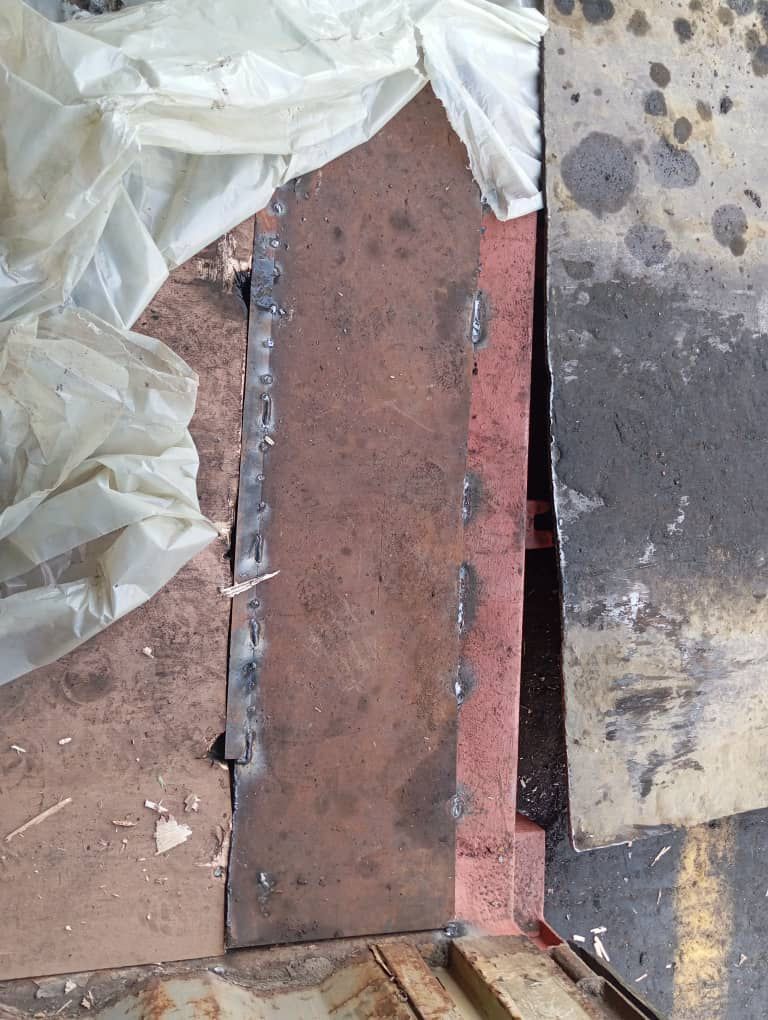
خسارت کانتینر از قبل موجود
برای بینشهای مرتبط با ریسک، به تحلیل ما در مورد ... مراجعه کنید. بیمه خطر جنگ و بندهای فورس ماژور در قراردادها.
Common Types of Container Damage & Liability
Identifying the specific type of damage is the first step in winning a dispute. Here are the most frequent issues that lead to unexpected repair invoices:
1. Structural Dents and Bowing
Dents on side panels or roof are common during crane operations. However, a dent is usually only billable if it exceeds 50mm in depth or is located on a structural member like a corner post or rail.
نکته حرفهای: Always photograph dents with a ruler or a common object (like a pen) for scale.
2. Floor Contamination & Odors
Oil spills, chemical stains, or persistent smells (like fish or wet hides) are the leading causes of cleaning fees. Carriers often charge for high-pressure steam cleaning or floor sanding.
Dispute Strategy: Prove the odor existed at the time of pickup by noting it on the EIR.
3. Corrosion & Pin-Holes
Over time, saltwater exposure causes rust. If rust leads to light-leaking holes, the container is no longer “Cargo Worthy.” Most rust is considered Normal Wear and Tear, but carriers often try to bill it as “impact damage.”
4. Door Gasket & Locking Bar Issues
Damaged rubber gaskets allow water ingress. Bent locking bars make it impossible to seal the container properly. These are often caused by improper forklift handling at the warehouse.
5. Interior Scratches (Non-Billable)
Minor scratches to the interior paint are generally NOT billable. Carriers may attempt to charge for repainting, but according to IICL standards, these are categorized as “wear and tear.”
CARICOM Trade Guide: How to Profit in the Caribbean Single Market
Estimated Industry Repair Costs vs. Prevention
Understanding the financial impact helps in prioritizing inspections. Here is a breakdown of average repair costs:
| Damage Type | Typical Repair Cost | Prevention Effort |
|---|---|---|
| Small Roof Hole (Patching) | $150 – $300 | 5-Min Light Test |
| Floor Sanding & Cleaning | $200 – $500 | Visual Sweep |
| Bent Corner Post | $1,000 – $2,500 | Photo at Gate-In |
*Note: Costs vary by region and carrier standards. Always refer to the IICL (Institute of International Container Lessors) guidelines.
گام به گام: نحوه بازرسی کانتینرها قبل از پذیرش و جلوگیری از اختلافات
بهترین دفاع، یک بازرسی کامل قبل از پذیرش است. اگر از آن صرف نظر کنید، آسیبپذیر خواهید شد.
فرآیند بازرسی اثباتشده
The best defense against unfair repair charges is a meticulous, uncompromising pre-acceptance inspection. Once you sign the EIR without remarks, you are legally assuming the container is in good condition. To protect your bottom line, follow this professional inspection protocol:
1. Timing and Positioning
Arrive Early & Be Present: Never rely on a third-party report provided after the fact. Being on-site when the container is positioned for pickup allows you to see it from all angles before it is hitched to a truck or loaded.
2. The External 360-Degree Scan
The Perimeter Walk: Walk around the unit twice. Look for “hidden” structural issues: bulges in the side panels (indicating internal pressure), heavy rust scaling on corner posts, or hairline cracks in the welding.
The Door & Hardware Test: Don’t just look—operate. Open and close both doors to ensure they swing freely. Check the Cams and Keepers (the locking mechanisms) for bends. Inspect the rubber gaskets; if they are cracked or brittle, the container is no longer watertight.
The Understructure: Use a flashlight to check the cross-members. If they are bent upward, it’s a sign of previous overloading or improper forklift use—a high-cost repair you don’t want to inherit.
3. Internal Integrity & The “Light Test”
The 4-Wall Scan: Step inside and inspect the floors for deep gouges or oil saturation. Sweep your hand near the bottom rails to check for moisture.
The Daylight Test (Critical): Close yourself inside the container (with a colleague outside for safety). Any pin-point of light penetrating the roof, seams, or corners is a definitive “fail.” If light can get in, water will get in, leading to cargo damage and insurance disputes.
Odors & Residue: Sniff the interior. Persistent chemical or organic smells are grounds for rejection, as they can contaminate future shipments.
4. Observation During Lifting
Structural Stress Monitoring: Watch the crane or reach stacker as it engages the corner castings. Listen for groaning or popping sounds that indicate a compromised frame. Note any visible “racking” (twisting) of the container while it is suspended.
5. Hard Evidence & Documentation
High-Resolution Proof: Take at least 10–12 timestamped photos. Capture the four corners, the roof, the floor, the seal area, and the CSC plate (the container’s safety certificate).
The EIR Signature: Never accept a “clean” EIR if you’ve found an issue. Explicitly mark the damage on the document and ensure the depot representative or driver countersigns your remarks.
The Power of Rejection: If the structural integrity is in doubt, do not hesitate. Reject the unit immediately and request a replacement. It is far cheaper to wait two hours for a new container than to fight a two-month legal battle over a damaged one.
6. Expert Escalation
Third-Party Surveyors: For high-value cargo or suspect containers, hiring an independent surveyor is the “Gold Standard.” Their certified reports carry significant weight in international maritime courts and are nearly impossible for shipping lines to ignore.
نکته حرفهایاز یک چک لیست استاندارد (مانند دستورالعمل 7 نکتهای CTPAT) استفاده کنید که شامل جلو/عقب، کنارهها، بالا/پایین، فضای داخلی و شاسی باشد.
در حادثه حیاط ما، علامتگذاری زودهنگام و عکسها، مسئولیت را کاملاً از دوش ما برداشت.
Trading with ASEAN : Opportunities, Regulations, and Market Entry Strategies
بهترین شیوهها برای مدیریت ریسکهای جمعآوری و جابجایی کانتینر
Beyond the initial inspection, protecting your business from unfair damage claims requires building a robust operational culture. By integrating these high-level habits into your logistics workflow, you can minimize financial exposure and shift the burden of maintenance back to where it belongs.
Selective Partnership & Depot Auditing: Not all depots are created equal. Establish a “Preferred Partner” list by working with reputable shipping lines and depots known for maintaining young, well-serviced fleets. If a particular depot consistently provides substandard equipment, flag it in your procurement system. High-quality equipment reduces the chance of mid-transit failure and subsequent repair disputes.
Strategic Use of Third-Party Surveys: For high-value, sensitive, or oversized cargo, a DIY inspection might not be enough. In these cases, hiring an independent, certified marine surveyor at the point of interchange is an investment, not a cost. A surveyor’s report acts as a “legal gold standard” in international shipping, providing an unbiased baseline that shipping lines find nearly impossible to challenge in a dispute.
Comprehensive Equipment Insurance & Liability Clauses: Standard cargo insurance often focuses on the goods, not the vessel یا container. Ensure your insurance portfolio includes specific “Container Liability” clauses. Additionally, review your freight agreements to include “Pre-existing Damage Indemnity” terms. These legal safeguards ensure that you are not held liable for cumulative wear and tear that occurred before the equipment reached your facility.
Contractual Protections in Freight Agreements: Don’t leave container condition to chance—put it in writing. When negotiating with freight forwarders or carriers, specify the minimum grade of container required (e.g., “Grade A” or “Food Grade”). By setting these contractual expectations, you have a stronger legal standing to reject inferior equipment without incurring additional repositioning fees.
Leveraging Digital Tools & Geotagged Evidence: In the modern supply chain, a photo is only as good as its metadata. Utilize logistics management apps that capture geotagged, timestamped, and encrypted photos of the container at pickup. This digital trail creates an unalterable record of the container’s condition at the exact moment of interchange, preventing carriers from claiming that photos were taken at a later date or a different location.
The Power of Immediate Reporting: Information loses value with every passing hour. Establish a protocol where your field team or driver must report any “Minor-but-Noteworthy” issues immediately to the shipping line’s equipment department via email before the container leaves the port vicinity. This creates a “Paper Trail of Intent,” showing that you were proactive in identifying issues before any cargo was loaded.
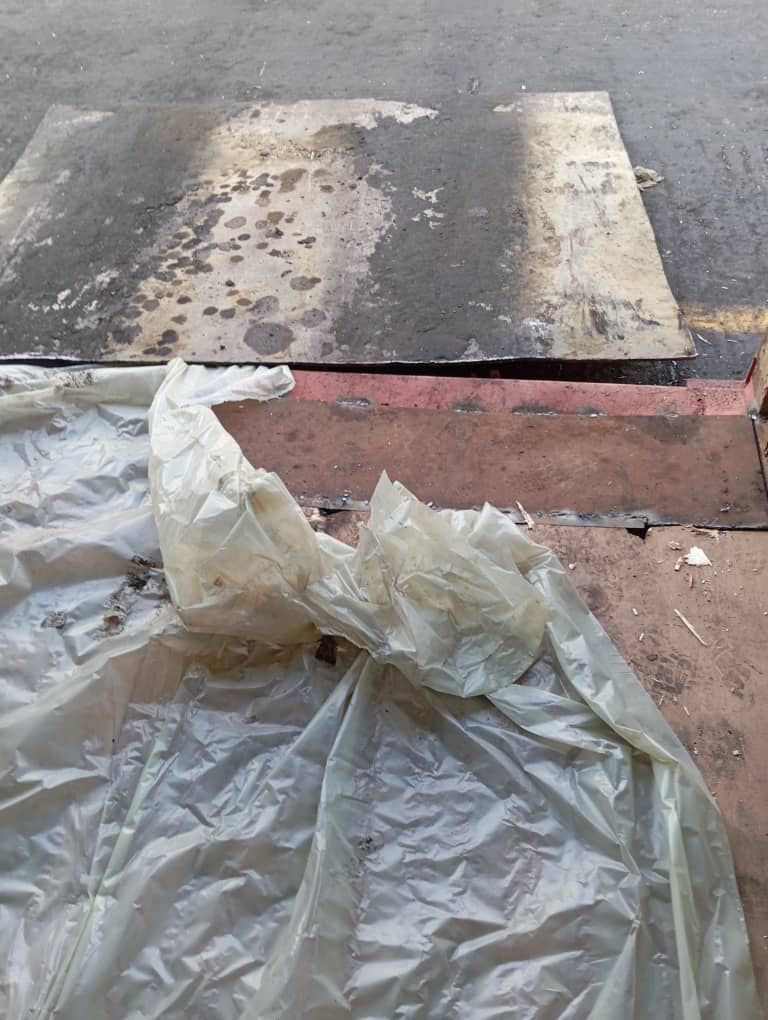
بازرسیهای مجدد و گزارشهای کارشناسی
مقایسه سریع: کانتینرهای متعلق به شرکت حملکننده در مقابل کانتینرهای متعلق به شرکت حملکننده
| جنبه | متعلق به شرکت حمل و نقل (مشترک) | متعلق به شرکت حمل و نقل |
|---|---|---|
| مسئولیت نگهداری | خط کشتیرانی | شما (ارسال کننده) |
| هزینههای تعمیر | اغلب مورد اختلاف؛ مسئولیت شرکت حمل و نقل | کاملاً روی شما |
| انعطافپذیری | تعویض آسان در صورت بروز مشکل | کنترل کامل، اما هزینههای اولیه بالاتر |
| بهترین برای | بیشترین صادرات | حمل و نقل مکرر و تخصصی |
درسهای دنیای واقعی: بینشهای موردی از میدان عمل
نمونههای ناشناس:
- صادرکننده کانتینرهای فرورفته در انبار را رد کرد؛ از خسارت $15,000 در دعاوی تعمیر تشدید شده هنگام بلند کردن کانتینر که باعث فروریختگی شده بود، جلوگیری کرد.
- بدرفتاری با ترمینال در حین جابجایی دودکش به قابها آسیب رساند - پس از بررسی مشترک که نقاط ضعف از پیش موجود را اثبات کرد، هزینهها به طور کامل توسط کارگاه پوشش داده شد.
- فرستنده بدون نیاز به یادداشتبرداری قبول کرد؛ وقتی خسارت “جدید” به گردن آنها افتاد، به صورتحسابها پایبند ماند.
دادههای منابع صنعتی نشان میدهد که بررسیهای مناسب قبل از تحویل، بسیاری از اختلافات احتمالی را از همان ابتدا حل میکند.
در راهنمای ما، گزینههای مختلف حمل و نقل را بررسی کنید حمل و نقل هوایی در مقابل حمل و نقل دریایی از چین به جبل علی: تحلیل هزینه-فایده برای کالای شما در سال 2026.
نکات پیشرفته: حمایتهای بلندمدت در برابر اختلافات ناشی از خسارت
رویکرد خود را گسترش دهید:
- تیمها را به طور دقیق آموزش دهید: بازرسیها را با چکلیستها اجباری کنید.
- ایجاد روابط: روابط قوی با پایانهها اغلب منجر به راهحلهای مطلوب میشود.
- نظارت بر روندها: سابقه وضعیت ناوگان خود را با شرکتهای حمل و نقل پیگیری کنید.
- آمادگی قانونیسوابق را برای رسیدگی سریع به اختلافات، مرتب نگه دارید.
همچنین مرتبط: چالشهای ارزشگذاری گمرکی در راهنمای جامع قوانین ارزشگذاری گمرکی امارات متحده عربی برای سال ۲۰۲۶.
💡 Pro-Tip from the Field: The “Hidden Floor” Trap
The Situation: A shipper once received a $1,200 bill for “floor contamination” after returning a container used for machinery. The carrier claimed the oil stains were new.
The Mistake: The driver took photos of the container exterior only at the pickup point.
The Solution: By presenting a time-stamped photo taken inside the container before loading started, which showed the pre-existing stains, the dispute was settled in the shipper’s favor within 48 hours. Lesson: Always photograph the interior floor, even if it looks clean at first glance.
Frequently Asked Questions: Container Repair Disputes
Q: What is the most common reason for losing a repair dispute?
A: The lack of “Gate-Out” photos. Without visual evidence of the container’s condition when it left the carrier’s possession, it is your word against theirs.
Q: Does Container Damage Protection (CDP) cover everything?
A: No. Most CDP plans have exclusions for “gross negligence” or specific types of interior damage. Always read the fine print of your carrier’s insurance policy.
Q: How long do I have to dispute a repair invoice?
A: Usually, carriers require disputes to be filed within 7 to 14 days of receiving the invoice. Delayed responses often lead to automatic liability.
Turkmenistan 2026: $13B+Exports Breakdown + GCC Trade Explosion
جمعبندی: تبدیل مشکلات بالقوه به نقاط قوت عملیاتی
اختلافات مربوط به آسیبها و تعمیرات کانتینرها که از قبل وجود داشته است، میتواند برنامهها و حاشیه سود را از مسیر خارج کند - اما تا حد زیادی قابل پیشگیری هستند. با بازرسیهای دقیق، مستندات شفاف و مشارکتهای پیشگیرانه، شما نتیجه را کنترل میکنید.
من این درسها را به رویههای استاندارد در سراسر عملیاتم تبدیل کردهام و از هزینهها و تأخیرهای بیشماری جلوگیری کردهام.
آمادهاید تا از محمولههای خود محافظت کنید و با شرکای جهانی قابل اعتماد ارتباط برقرار کنید؟ همین حالا به Tendify.net بپیوندید. نیازهای باربری خود را فهرست کنید، تأمینکنندگان تأیید شده را پیدا کنید یا معاملات حمل و نقل رقابتی را تضمین کنید. همین امروز ثبت نام کنید و بازی لجستیکی خود را ارتقا دهید.

