وبلاگ
ESG in Logistics: Why Green Supply Chains are Winning the Biggest GCC Contracts

Over my four decades building and scaling businesses in global trade and heavy industry, I’ve learned one unbreakable rule: adaptability isn’t optional—it’s survival. Today, in the Middle East, that means embracing green logistics و ESG principles (Environmental, Social, and Governance). What started as a nice-to-have is rapidly becoming a must-have for partnering with top-tier clients and accessing premium markets.
Logistics accounts for about 11-14% of global CO2 emissions, and in our region, with booming trade corridors and massive infrastructure projects, those numbers are climbing fast. Reports from 2025 show the Middle East freight and logistics market hitting $173 billion, growing at over 6% annually. But growth comes with scrutiny: buyers now demand proof of sustainable practices. In leading markets like the UAE and Saudi Arabia, ESG compliance is shifting from checkbox to deal-breaker.

ESG
This isn’t hype—it’s reality I’ve seen transform supply chains. Facilities ignoring these shifts lose contracts; those leading win long-term resilience and lower costs. In this comprehensive guide, I’ll unpack the current landscape, why ESG is accelerating here, and practical steps to implement green logistics effectively.
The Rise of ESG in Middle East Logistics: From Niche to Necessity
ESG isn’t new globally, but in the Middle East, adoption is surging. National visions are driving it: Saudi Arabia’s Vision 2030 targets net-zero by 2060 with massive logistics investments, while the UAE’s Net Zero 2050 initiative prioritizes clean transport and green infrastructure.
Regional Variations in ESG Maturity
- UAE and Saudi Arabia Leading: ESG metrics increasingly influence tender evaluations and partner selection. Companies here integrate sustainability into operations, from electric fleets to carbon-neutral warehousing.
- Emerging Markets Like Iraq: Practices remain in early stages, focused on basic compliance amid reconstruction. Awareness is growing, with new guidelines for banking and listed companies, but full supply chain integration lags.
Data underscores the momentum: The GCC contract logistics market is projected to reach $9.5 billion by 2030, with clients prioritizing green operations. Globally, 44-47% of mid-to-large firms cite ESG compliance as a top trade challenge in 2025.
Why now? Regulatory pressures, investor demands, and competitive edges. Sustainable practices cut costs—electric vehicles reduce fuel expenses by up to 50% long-term—and build resilience against disruptions.
| Country/Region | ESG Adoption Level | Key Drivers | Projected Green Logistics Growth |
|---|---|---|---|
| امارات متحده عربی | پیشرفته | Net Zero 2050, EV infrastructure | 7.2% CAGR to $28B by 2030 |
| عربستان سعودی | Rapidly Advancing | Vision 2030, 59 logistics zones | 6.4% CAGR to $35B by 2030 |
| عراق | Early Stage | Reconstruction, new ESG guides | Growing awareness, slower implementation |
| Broader GCC | Accelerating | Infrastructure investments | 5.3% overall CAGR |

Green Logistics
Core Components of Green Logistics in Heavy Industry Supply Chains
Green logistics optimizes transport, warehousing, and distribution to minimize environmental impact while maintaining efficiency. In our commodity-heavy region—think bitumen, steel, cement—it’s about reducing emissions from long-haul trucking and port operations.
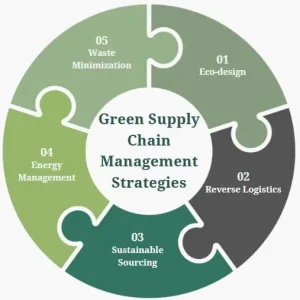
Green Logistics in Heavy Industry Supply Chains
Environmental Pillar: Cutting Emissions and Waste
- Switch to low-carbon fuels: Biofuels, electric/heavy-duty EVs, or hydrogen for fleets.
- Optimize routes: AI-driven planning cuts idle time and fuel use by 10-20%.
- Eco-warehousing: Solar-powered facilities and energy-efficient designs.
Social Pillar: People-Centric Practices
- Fair labor standards across suppliers.
- Community engagement in logistics hubs.
- Diversity in workforce—key for innovation.
Governance Pillar: Transparency and Accountability
- Robust ESG reporting.
- Supplier audits for compliance.
- Risk management for climate vulnerabilities.
These aren’t isolated—integrated ESG delivers compounded benefits, like lower insurance premiums and stronger stakeholder trust.
For insights on related markets, explore our analysis of the Middle East Bitumen Market 2025: Key Trends and Growth Opportunities و Steel Rebar Opportunities in Reconstruction Projects.
Implementing ESG-Driven Green Logistics: A Practical Roadmap
I’ve led turnarounds where sustainability investments paid back in under five years. Here’s how to do it step-by-step.
Step 1: Assess Your Current Baseline
- Conduct a full supply chain audit: Map emissions (Scope 1-3), social risks, and governance gaps.
- Use tools like carbon calculators from reputable frameworks.
Step 2: Set Clear, Measurable Targets
- Align with national goals: e.g., UAE’s EV push or Saudi’s green zones.
- Aim for milestones: 20% emission reduction in 3 years via fleet upgrades.
Step 3: Prioritize High-Impact Initiatives
- Fleet Modernization: Transition to EVs or hybrids—UAE infrastructure supports this with expanding chargers.
- Sustainable Sourcing: Partner with verified green suppliers for materials.
- Digital Optimization: IoT for real-time tracking, reducing empty miles.
Step 4: Engage Suppliers and Partners
- Require ESG clauses in contracts.
- Offer training or incentives for compliance.
Step 5: Monitor, Report, and Iterate
- Annual ESG disclosures.
- Use data dashboards for ongoing improvements.
Case examples: Leading GCC firms have achieved 30%+ reductions in temperature-controlled logistics emissions through sustainable fuels and automation.
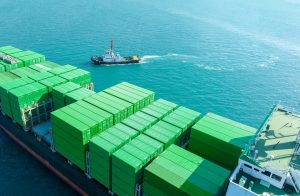
Green Shipping Logistics
Quick Wins vs. Long-Term Investments
- Quick Wins: Route optimization software (10-15% fuel savings immediately).
- Long-Term: Green warehousing retrofits (payback in 5-8 years via energy bills).
Challenges and Solutions in Middle East Adoption
Upfront costs top the list—EVs and solar installations require capital. Solution: Leverage incentives under Vision 2030 or UAE programs, plus green financing.
Regulatory fragmentation: Harmonize across borders. Solution: Start with internal standards exceeding local minimums.
Talent gaps: Build through training. Solution: Partner with platforms for verified sustainable suppliers.
Overcome these, and ESG becomes a differentiator.
The Future Outlook: ESG as Competitive Advantage
By 2030, green logistics markets in key countries will exceed $60 billion combined. Early adopters will dominate tenders, attract investment, and hedge against carbon taxes.
I’ve seen businesses thrive by acting decisively on sustainability—lower costs, loyal partners, resilient operations.
In today’s Middle East, green logistics and ESG aren’t trends—they’re the new baseline for success.
Ready to connect with suppliers committed to sustainable practices and real-time global sourcing? همین حالا به Tendify.net بپیوندید—access verified manufacturers, competitive pricing, and tools to build ESG-compliant supply chains. Sign up free and elevate your procurement today.