وبلاگ
Types of Re-Export Setup in the UAE: Free Zone vs Mainland vs Bonded – Full 2026 Breakdown
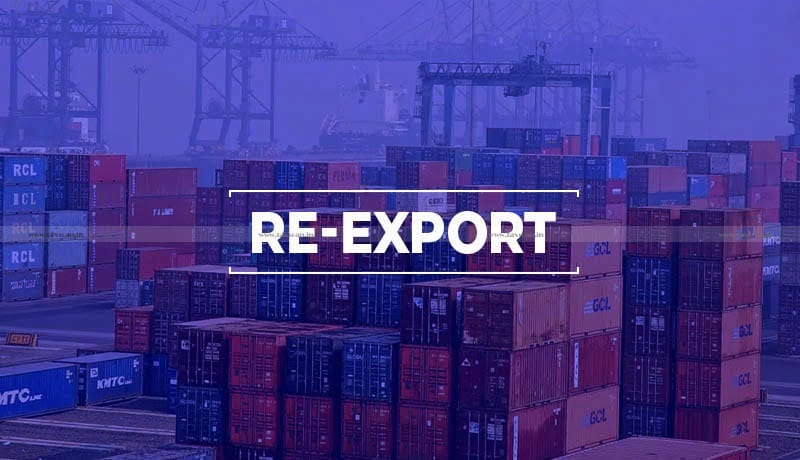
I’ve spent the last 15 years building and scaling trading operations across the Gulf, and if there’s one thing that’s made or broken deals for me, it’s getting the re-export side right. The UAE—especially Dubai—has turned itself into the undisputed re-export powerhouse of the region. Goods come in, get stored or transshipped, and head out to Africa, Asia, or Europe without ever really “entering” the local market in a way that triggers full duties.
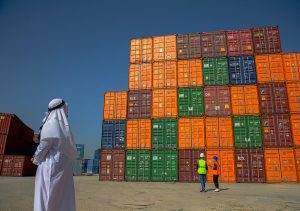
Re-Export Setup in the UAE
But here’s the reality: re-export isn’t just “import and export again.” It involves specific customs declarations, deposit mechanisms, sector-specific permits, and strategic choices between mainland, free zone, or warehouse setups. Get it wrong, and you’re looking at tied-up capital, delayed shipments, or outright rejections.
In this guide, I’ll break down the types of re-export setups and procedures in the UAE, why each exists, how they actually work in practice, and the exact steps I’ve used to move millions in goods through Jebel Ali and other ports without losing sleep over customs audits.
Why Re-Export Thrives in the UAE
First, let’s level-set why this matters. According to recent trade data, Dubai alone handles re-exports worth hundreds of billions annually. Free zones exempt duties on goods that stay within the zone or move directly outbound. This creates a massive incentive for traders to use the UAE as a hub rather than landing goods in high-tariff markets.
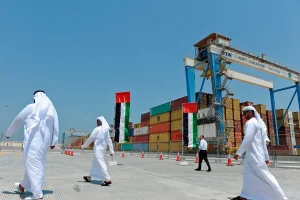
Why Re-Export Thrives in the UAE
The key benefit? Duty suspension or exemption as long as goods don’t enter the mainland market. You import into a free zone or bonded warehouse, store, consolidate, and re-export—often saving 5%+ in import duties and avoiding VAT complications on outbound shipments.
But re-export isn’t automatic. It requires the right license structure and precise customs declaration types.
Core License Types That Enable Re-Export Activities
Re-export doesn’t have its own standalone “re-export license.” Instead, it’s enabled through a commercial trade license (import/export activity) combined with customs registration and specific declaration procedures.
UAE Free Zone vs Mainland vs Bonded
Here are the main setups I’ve seen (and used) in practice:
Free Zone Commercial License (Most Common for Pure Re-Export) Free zones like Jebel Ali Free Zone (JAFZA), DMCC, Dubai South, or RAKEZ are built for this.
- 100% foreign ownership
- No corporate tax on re-export profits (in most cases)
- Duty-free import into the zone
- Ideal for international trade without mainland sales
Why it wins for re-export: Goods never pay import duty unless they leave the zone for the UAE mainland. Perfect for transshipment to third countries.
Mainland Commercial License (DED-issued) Issued by the Department of Economic Development in each emirate (e.g., Dubai DED).
- Allows trading inside the UAE + international
- Often requires a local sponsor in some setups (though 100% foreign ownership is now possible in many activities)
- You can re-export, but you’ll deal with more duty exposure if goods enter local market first
Use this if you plan some local sales alongside re-exports.
General Trading License A subtype of commercial license allowing multiple product categories (up to 10+ in some zones).
- Covers import, export, re-export, and distribution
- Popular for diversified traders
In free zones, this is gold for re-export hubs.
No matter the license, you must register with customs (get an Importer/Exporter Code via Dubai Trade or equivalent portal) to clear shipments.
Oman vs. Qatar: The Battle for the Next Re-Export Kingdom in 2026
Key Customs Procedures and Declaration Types for Re-Export
This is where most people get tripped up. UAE customs (especially Dubai Customs) uses specific declaration types under the GCC Common Customs Law. These aren’t “licenses” but procedural mechanisms that effectively govern re-export.

Declaration Types for Re-Export
From official Dubai Customs guidelines, here are the main re-export-related declarations:
- Import for Re-Export (from ROW – Rest of World) Goods imported with intent to re-export (not for local sale).
- Deposit or bank guarantee = full customs duty value
- Deposit refunded upon proof of re-export (usually within 6 months)
- Used when bringing goods to mainland temporarily before outbound
- Re-Export to ROW (after Import for Re-Export) The outbound leg: clear customs, get inspection if needed, submit exit certificate.
- Refund trigger for your deposit/guarantee
- Import for Re-Export from Free Zone to Local (then Re-Export) Goods move from free zone to mainland under bond, then re-exported.
- Bank guarantee or deposit required
- Import for Re-Export from Customs Warehouse (CW) Goods stored in bonded warehouse, imported to local under bond, then re-exported.
- Direct Re-Export from Free Zone No deposit needed if goods stay in free zone and go straight out—no “import” into UAE customs territory occurs.
In practice: Stick to free zone for pure re-export to avoid deposits entirely. I’ve saved clients thousands by routing everything through JAFZA instead of mainland entry.
Sector-Specific Re-Export Permits
Certain goods require extra approvals beyond the standard customs process. These are effectively “re-export permits” from relevant authorities:
- Controlled / Dual-Use Goods — Executive Office for Export Control (under MOE) issues permits for strategic items, tech, chemicals.
- Medical/Pharmaceutical Products — Emirates Drug Establishment (EDE) permit for export/re-export.
- Agricultural/Fertilizers — Ministry of Climate Change and Environment (MOCCAE) approvals.
- Aquatic/Fish Products — MOCCAE re-export permit (valid 1 month).
- CITES-listed Species (wildlife, plants) — Specific CITES re-export certificate.
- Consumer Products — Dubai Municipality (Montaji system) approval for import-for-re-export, plus exit certificate post-re-export.
If your goods fall here, budget extra time—approvals can add 2–4 weeks.
Why GCC investors are exploring Iranian manufacturers as a strategic investment
Step-by-Step: How to Set Up and Execute a Re-Export Operation
Here’s the playbook I’ve refined over hundreds of containers:
- Choose Your Setup
- Pure re-export → Free zone commercial/general trading license.
- Mixed local + re-export → Mainland or hybrid.
- Register the Company
- Trade name reservation
- Submit docs (passports, business plan)
- Pay fees (AED 12,000–25,000+ depending on zone)
- Get Customs Code
- Register on Dubai Trade (or emirate equivalent)
- Link to your license
- Import the Goods
- Use “Import for Re-Export” declaration if needed
- Secure deposit/guarantee if entering mainland
- Store/Process
- Free zone warehouse or CW for consolidation
- صادرات مجدد
- File re-export declaration
- Submit invoice, packing list, BL/AWB
- Get exit certification for refund
- Claim Refund & Close Loop
- Provide proof of export within timeframe
Pro tip: Use a reliable customs broker. They’ve saved me from declaration errors more times than I can count.
Re-Export Operation
Common Pitfalls I’ve Seen (and How to Avoid Them)
- No timely re-export — Lose your deposit. Always track the 6-month window.
- Altering goods — Turns re-export into manufacturing; needs industrial license.
- Missing sector permits — Shipments held at port. Check MOCCAE, EDE, etc. early.
- Poor documentation — Invoice mismatches kill refunds. Standardize templates.
- Ignoring VAT — Re-exports are zero-rated, but prove it or face audits.
Streamlining Cross-Border Logistics for B2B Trade in the Gulf Region: A Complete 2024 Guide
Final Thoughts: Is Re-Export Right for Your Business?
If you’re trading high-volume commodities, electronics, machinery, or anything destined for emerging markets, the UAE’s re-export ecosystem is unbeatable. I’ve watched margins jump 8–15% just by shifting operations here and leveraging duty suspension.
The key is matching your license and procedures to your flow—free zone for clean re-export, mainland for hybrid models.
Ready to put this into action? At Tendify.net, we’ve built tools and connections that make sourcing, verifying suppliers, and handling Gulf trade logistics smoother than ever—especially for re-export plays.
Sign up for free on Tendify.net today and start posting RFQs or listing products. Connect directly with verified suppliers, use our secure Trust Accounts for payments, and get expert insights on high-volume deals across the region. Whether you’re moving bitumen, machinery, or consumer goods, we make the re-export game easier.
You’ve got the knowledge—now let’s make the deals happen.