وبلاگ
WPS 2.0 UAE: The Ultimate B2B Compliance Playbook for 2026
Over twenty years of building and scaling trading companies across the Gulf, I’ve seen regulations come and go. But the upgrade to the Wage Protection System—now effectively WPS 2.0—hits different. It’s not just another paperwork tweak. It’s a real-time, automated enforcement machine that can lock your ability to hire, damage your credit standing, and trigger heavy fines faster than you can fix a delayed wire transfer.
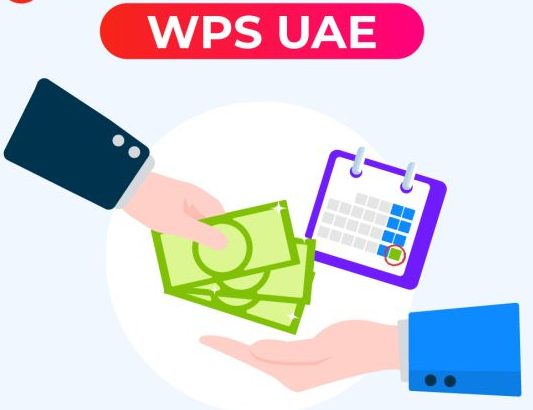
WPS 2.0 UAE
If you run a mainland B2B operation in the UAE—whether you’re importing machinery, exporting commodities, managing logistics teams, or running a trading house with even a handful of employees—this guide is your practical playbook. I’ll walk you through exactly what changed, why it matters for your cash flow and operations, and the step-by-step systems that keep you compliant without killing your margins.
Why WPS 2.0 Matters More Than Ever for B2B Traders
In the high-velocity world of global trade, your team is your lifeline. One delayed salary cycle can lead to sudden staff turnover, disrupted shipments, or worse—crippling regulatory blocks right when you need to scale for a big commercial tender, fulfill an international procurement contract, or manage a major seasonal surge.
The Ministry of Human Resources and Emiratisation (MOHRE), working in direct lockstep with the Central Bank of the UAE, fundamentally restructured and tightened the framework. Real-time digital monitoring, zero-tolerance deadlines, and immediate automated penalties have entirely replaced the old administrative grace periods. For mainland companies operating within the UAE jurisdiction, compliance is no longer a flexible operational task; it is now strictly binary, automated, and unforgiving.
The business reality I’ve lived: A large-scale B2B trading firm I advised once suffered a minor payroll glitch and an unintended file format error during a peak container booking and customs clearance period. Under the old system, it was an administrative nuisance, easily fixable with a manual letter or a delayed submission within the 15-day window. Today, that exact same operational slip would automatically suspend new work permit applications within five business days—freezing your workforce capacity right when you urgently need extra hands for port operations, logistics tracking, customs clearance, or critical warehouse fulfillment. That is not theoretical regulatory fine print; it is the concrete, high-stakes operating environment that dictates your trading margins and corporate reputation.
For B2B entities handling large volumes of import-export activities, any friction in labor availability immediately cascades into delayed cargo, demurrages, contract penalties, and broken partner trust. In the GCC marketplace, financial liquidity and operational continuity are deeply linked. Missing the unified WPS deadline does not just mean facing a financial fine; it can literally halt your entire supply chain, block your corporate portal access, and jeopardize your standing with major institutional clients who demand uninterrupted delivery. Treating payroll as an afterthought is a systemic risk that can paralyze an otherwise highly profitable commercial trading operation.
Key Changes in WPS 2.0: What Mainland Employers Must Know
Here’s the no-fluff, operational breakdown of the major regulatory updates taking effect across the UAE private sector:
Unified Payment Deadline – No More Grace Period Salaries for the previous month must now be paid and fully processed by the first day of the following Gregorian month. For May salaries, that means June 1 at the absolute latest. Any payment initiated or settled after that specific date counts as an immediate, system-flagged delay. This is a massive shift from the previous 15-day window that businesses relied on for decades. It forces significantly tighter cash-flow forecasting and strict working capital management, especially for B2B trading houses with highly variable accounts receivable from international clients and extended cross-border payment cycles.
Accelerated Penalty Timeline The enforcement ladder is now steeper, faster, and entirely handled by automated digital algorithms. The escalation happens in clear, rapid stages:
Day 1-2 after deadline: Automated electronic monitoring kicks in across the Central Bank pipeline, and official warnings and non-compliance notices go out directly to the company’s corporate portal.
Day 5: Your ability to apply for new work permits is automatically suspended, and initial administrative fines of AED 5,000 per affected employee are recorded against your commercial license.
Day 11: Heavier cash penalties accumulate, and the company suffers an automatic corporate credit rating downgrade, moving your entity into the restrictive Third Category of establishment standings.
Day 16+: The system triggers a formal, automated labor dispute registration. This can lead to judicial escalations, potential travel bans for business owners, and judicial asset holds on corporate bank accounts.
85% Compliance Threshold Your commercial license is considered broadly compliant from a system-block perspective if you pay at least 85% of total due wages on time, factoring in legally permitted deductions like unpaid leave or agreed adjustments. While hitting this 85% benchmark protects your corporate portal from an instant work permit freeze on Day 5, it is a critical misconception to think it solves everything. It does not protect your business from individual employee claims, labor court grievances, or targeted penalties for the remaining 15% of unpaid wages.
Real-Time Digital Integration & SIF Validation Salary Information Files (SIF) are no longer batch-processed manually over days. They are now cross-checked instantly against MOHRE’s centralized contract database. Any minor mismatch in employee details, registered basic wage amounts, allowances, or bank account IBAN numbers leads to instant, automated file rejections. Common system flags like Code E01 for invalid bank formats or Code E15 for wage discrepancies mean your entire payroll run can fail. Crucially, outsourcing your payroll processing to third-party HR agencies or corporate services providers doesn’t absolve the primary commercial license holder—you remain fully liable for any technical failures or processing delays.
Expanded Scope and Fewer Excuses The updated regulations apply universally to virtually all mainland private sector entities employing one or more individuals. While certain free zones like the Meydan Free Zone or DMCC maintain their own localized compliance platforms and offer specific operational variations, mainland trading and logistics companies sit at the absolute strictest end of the enforcement spectrum. There are no size exemptions; whether you manage a lean trading office of 5 employees or a multi-million dirham logistics firm with hundreds of workers, the real-time system tracks your compliance with equal, automated scrutiny.
Step-by-Step: How to Achieve Bulletproof WPS Compliance

WPS UAE
Here’s the exact process I recommend to every B2B operator I work with:
Step 1: Register with an Approved WPS Agent/Bank Choose a bank or authorized exchange house integrated with the system. Ensure they support seamless SIF uploads and real-time status tracking. Many now offer dashboards that flag issues before submission.
Step 2: Maintain Perfect Employee Data Alignment Every employee’s details in your payroll must match their MOHRE labor contract exactly—passport number, contract salary, bank account (IBAN), etc. Mismatches are the #1 cause of rejections under the new real-time checks.
Step 3: Master the SIF File Process
- Generate the SIF from your HR/payroll software.
- Validate it against the latest MOHRE specifications.
- Upload well before the 1st of the month.
- Confirm successful transmission and receipt of acknowledgment.
Pro tip: Run a test file mid-month to catch any format changes.
Step 4: Build Cash-Flow Buffers and Forecasting With the tighter deadline, align your AR collections, supplier terms, and payroll. Many successful traders I know keep a dedicated payroll reserve equal to 1.5–2 months of salaries.
Step 5: Implement Automated Monitoring & Alerts Use software or bank tools that notify you of upload status, rejections, and upcoming deadlines. Manual spreadsheets are no longer viable.
In the event of an automated system block due to a banking delay or processing error, your immediate recovery step must be initiating the “WPS Block Removal Request” through the MOHRE digital dashboard. You must upload your validated SIF receipt and the corresponding Central Bank transaction ID. Under the 2026 operational updates, this digital submission expedites the manual review process, allowing compliant trading firms to lift work permit freezes within 24 to 48 hours instead of waiting for the subsequent monthly processing cycle.
Step 6: Document Everything Keep audit-ready records of every SIF submission, bank confirmations, and communications. This protects you during inspections or disputes.
The Exemptions and SIF Error Codes Every CFO Must Know Achieving 100% compliance requires understanding who falls outside the system and how to read automated rejection flags. Under updated guidelines, certain categories are excluded from the mandatory 85% calculation, including partners/shareholders who own at least 25% of the entity, employees with pending labor lawsuits, and staff on unpaid leave status provided the proper documentation is uploaded to the MOHRE portal. If your SIF file gets rejected, you cannot afford to wait. The system now utilizes strict automated error codes. The most critical flags for trading firms include Code E01 for invalid IBAN format, Code E15 for wage mismatches exceeding contract values, and Code E32 indicating a duplicate transaction within the same Gregorian month.
Ignoring these automated rejections triggers immediate system flags. If a technical glitch causes a block on your establishment card after Day 5, the remediation protocol requires filing an official Electronic Transaction Dispute via the MOHRE app, accompanied by a certified bank statement and an officially stamped SIF transmission log. This manual override is the only way to lift a work permit suspension before the next standard system refresh cycle.
Common Pitfalls That Cost B2B Businesses Thousands
From decades of hands-on experience navigating Gulf regulatory frameworks, these are the critical traps that catch even seasoned B2B operators off guard, resulting in frozen operations, lost tenders, and heavy financial drain:
Assuming Free Zone Leniency Applies to Mainland Entities: This is a frequent and costly misconception. While certain free zones offer localized portals, administrative flexibility, or specific compliance buffers, mainland UAE regulations are absolutely unyielding. If your trading house or logistics firm operates under a mainland commercial license, you are bound by the strictest automated enforcement timelines. Managing a mainland entity with a relaxed “free zone mindset” will inevitably result in sudden portal lockdowns.
Relying on Fragmented, Manual Payroll Processes: In the era of real-time digital integration, managing your payroll via manual spreadsheets or outdated offline software is a massive operational liability. Human errors during manual data entry—such as a misplaced digit in an IBAN or an outdated allowance figure—will cause your Salary Information File (SIF) to be rejected instantly by the Central Bank pipeline. Because validation is now automated, a single typo can cause your entire company’s payroll run to fail right before the deadline, triggering immediate automated system flags.
Ignoring the Complex Nuances of the 85% Compliance Rule: Many chief financial officers and business owners mistakenly treat the 85% compliance threshold as a legal pass to delay a portion of their payroll. This is an incredibly dangerous error. The 85% rule is solely a technical buffer designed to prevent the automated, instant freezing of your entire corporate portal on Day 5 due to minor, ongoing adjustments. It is not an exemption. You still legally owe every single dirham to every single employee, and failing to clear the remaining 15% can still result in targeted financial penalties, formal labor disputes, and direct court claims.
Failing to Plan for Late-Month Bank Holidays and Technical Glitches: Waiting until the last two days of the month to initiate your SIF upload is an invite for disaster. Local religious holidays, government-mandated bank closures, or unexpected bank server downtime will not extend your MOHRE deadline. The automated system checks when the funds actually settle in the employees’ accounts or authorized exchange houses. If a transaction is delayed due to an operational pause over a weekend or a holiday, your business will still face automated penalties on Day 1. The only real defense is to finalize and submit your files three to four business days early.
Neglecting Outdated Employee Bank and Contract Details: Whenever an employee changes their local bank account or updates their personal data, the new IBAN must be updated simultaneously within both your internal payroll database and the official MOHRE contract registration portal. If there is a mismatch between what your SIF file states and what the government database has on record, the system will trigger a high-priority rejection flag. B2B trading operations cannot afford to let internal administrative delays turn into regulatory non-compliance violations.
Allowing Client Payment Delays to Trigger Labor Violations: In the high-stakes B2B trading environment, a delayed container payment from an international buyer or an extended receivables cycle from a distributor is common. However, under the updated regulations, a cash-flow squeeze on your end is no longer accepted as a valid excuse for missing payroll. One delayed milestone payment from a client should never be allowed to cascade into an automated labor violation that freezes your shipping and customs clearance permits. To safeguard your business, you must build operational redundancy—such as establishing a dedicated, locked payroll reserve equal to 1.5 to 2 months of standard salaries—ensuring your trade engine never grinds to a halt due to an external financial delay.
Tools and Technology to Stay Ahead
Modern B2B operations need integrated systems. Look for payroll platforms that connect directly to WPS agents, auto-generate compliant SIF files, and provide compliance dashboards. Some even handle multi-currency reconciliation for international teams.
On the Tendify platform, we’ve designed tools that help traders manage the full operational stack—including compliance touchpoints that keep your trade engines running smoothly. Head over to Platform.Tendify.Net and explore the command center. You’ll find utilities that streamline everything from cost calculators to document builders, so payroll compliance becomes just another optimized process instead of a fire drill.
Comparison: Old WPS vs. WPS 2.0
| جنبه | Previous System | WPS 2.0 (2026) | Business Impact |
|---|---|---|---|
| Payment Deadline | Up to 15 days grace | 1st of following month | Tighter cash flow management |
| Penalty Trigger | Slower escalation | Day 5 suspension risk | Faster operational risk |
| نظارت | Periodic | Real-time integration | Zero tolerance for errors |
| Compliance Threshold | Less defined | 85% of total wages | Partial buffer but full liability |
| SIF Validation | Manual/review | Instant against contracts | Higher accuracy required |
Aspect: Penalty Trigger
Previous System: Delayed, manual escalation with nominal fines applied after week three of non-compliance.
WPS 2.0 (2026): Automated AED 5,000 fine per employee on Day 5; block on new work permits; corporate system access restricted via MOHRE electronic portal.
Business Impact: Immediate operational freeze; instant cash outflow for penalties; inability to clear emergency cargo due to labor blockages.
Long-Term Strategy: Turn Compliance into Competitive Advantage
Smart operators don’t just comply—they leverage it. Reliable payroll builds trust with your team, reduces turnover in a competitive talent market, and strengthens your reputation with partners and authorities.
Use this as an opportunity to professionalize your operations. Documented processes, clean financials, and strong compliance make your business more attractive for investment, partnerships, or exit opportunities down the line.
In trade, especially in the Gulf, relationships and reliability win long-term contracts. A rock-solid WPS record signals you’re a serious player.
requently Asked Questions: UAE WPS 2.0 Compliance for B2B Traders
Q: What is the exact deadline for salary payment under UAE WPS 2.0?
Salaries must be paid through the Wage Protection System by the first day of the following Gregorian month. For example, salaries for the month of May must be fully transferred and processed through an authorized bank or exchange house by June 1. Any payment initiated after this date is automatically flagged as delayed by the Ministry of Human Resources and Emiratisation (MOHRE) system.
Q: What happens if my business misses the Day 1 deadline?
The enforcement timeline is fully automated in 2026. On Days 1 and 2 after the deadline, electronic monitoring begins and automated notices are sent to the company portal. If compliance is not met by Day 5, MOHRE will suspend your ability to apply for new work permits and initial administrative fines will be recorded against your license. By Day 11, heavier cash penalties and corporate rating downgrades are applied.
Q: What is the 85% compliance threshold rule in the UAE?
To avoid immediate automated corporate blocks and system suspensions, mainland companies must pay at least 85% of their total workforce’s due wages on time every month. While hitting this 85% threshold protects your commercial license from an instant freeze on Day 5, it does not exempt the company from individual labor claims or penalties regarding the remaining 15% of unpaid wages.
Q: Are shareholders and corporate CEOs exempt from mandatory WPS transfers?
Yes, certain executive and ownership roles are excluded from the mandatory WPS payroll calculation. Business partners and shareholders who own at least 25% of the mainland entity, employees with pending official labor lawsuits, and staff members currently on documented unpaid leave are exempt, provided their status is updated and verified within the MOHRE digital portal.
Q: How much is the fine for failing to pay salaries via WPS?
Under the updated regulations, failing to pay salaries through the official WPS framework can result in a fixed fine of AED 5,000 per employee if the violation triggers an automated block. If a company provides fraudulent data or attempts to bypass the system using non-approved channels, the corporate penalties can scale up to AED 50,000 per instance, alongside long-term work permit suspensions.
Q: What should I do if my SIF file gets rejected due to a technical error?
If your Salary Information File (SIF) is rejected, check the automated error codes immediately. Common flags include Code E01 for invalid IBAN format and Code E15 for contract wage mismatches. If a technical or banking glitch causes an unfair block on your establishment card, you must file an Electronic Transaction Dispute through the MOHRE application, uploading your stamped SIF transmission logs and a certified corporate bank statement to lift the suspension manually.
Q: Does outsourcing payroll to a third-party agency protect my business from WPS penalties?
No, outsourcing payroll processing or using external HR agencies does not absolve the commercial license holder. The primary mainland entity and its registered managers remain fully and legally liable for any SIF file rejections, payment delays, or compliance drops below the mandatory 85% threshold.
How do late-month bank holidays affect the WPS payment schedule? Local and international bank holidays do not extend the official MOHRE deadline. Because the system tracks when funds actually hit the employees’ accounts or WPS agents, trading houses and B2B operators must build internal cash-flow buffers and submit their SIF files 3 to 4 business days before the end of the month to account for any banking operational pauses.
Final Action Steps for Immediate Implementation
- Audit your current payroll setup against the new 1st-of-month deadline.
- Schedule a review with your WPS agent or bank this week.
- Update all employee records and test an SIF upload.
- Build or refine your internal payroll calendar with buffers.
- Explore integrated tools that reduce manual work.
The rules aren’t going away—they’re only getting smarter. Businesses that treat compliance as a core operational competency will thrive, while others will spend time and money fighting fires.
If you’re running a mainland B2B trading or services business in the UAE, now is the time to lock this down. Visit Platform.Tendify.Net today to see how our ecosystem of trade tools can support your full operations—from compliance to deal closing and logistics optimization. Many traders have told me it’s the missing command center they wished they had years ago.
Stay compliant, stay competitive, and keep those shipments moving. The market rewards the prepared.
Ready to streamline your entire trade operation beyond just payroll? Join the Tendify platform and access the full suite of AI engines, calculators, document builders, and market intelligence designed specifically for ambitious B2B traders like you.