وبلاگ
Clinker vs Finished Cement Export: The 2026 Profit Showdown
سود واقعی به ازای هر تن با استفاده از نرخهای حمل و نقل زنده و دادههای کارخانه
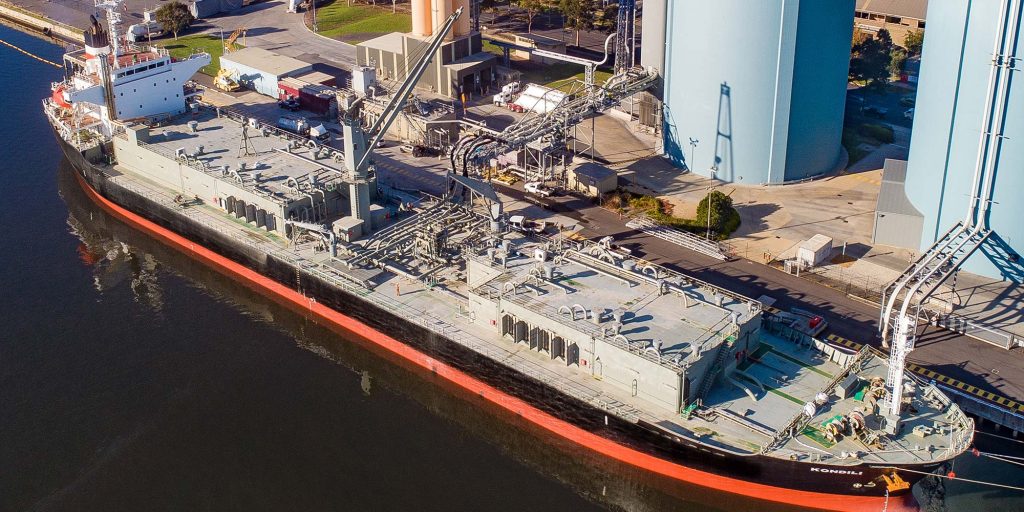
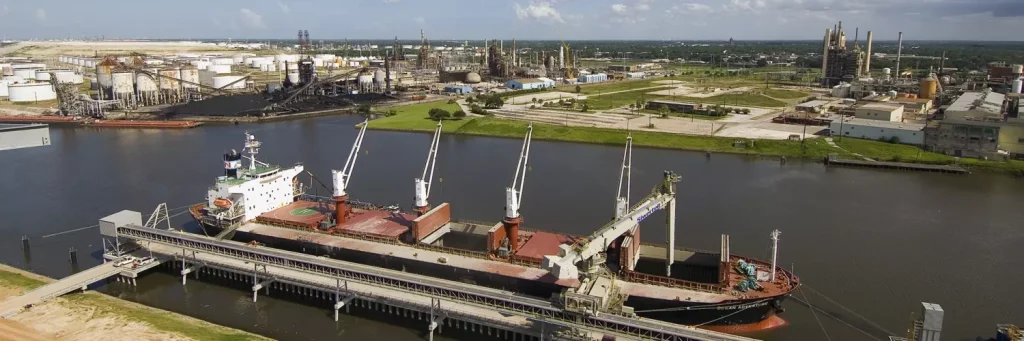
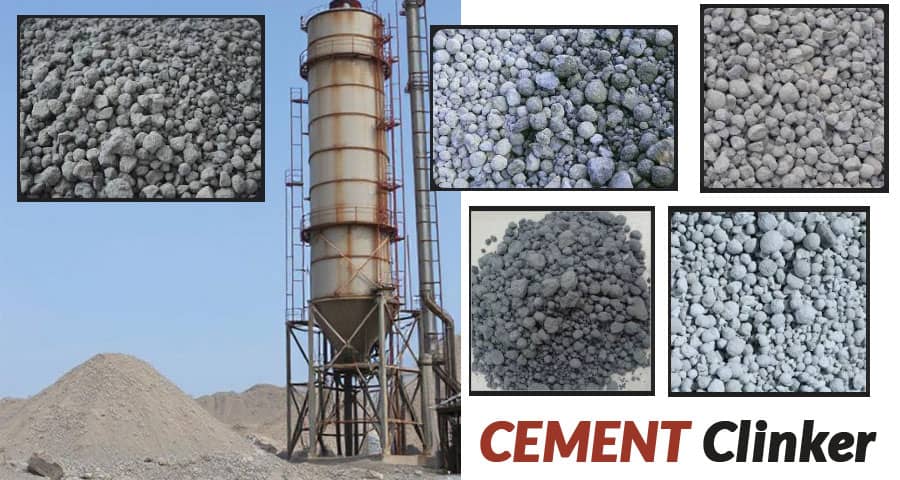
Forty years in this business taught me one brutal fact: the highest margin isn’t always in the product you think it is. In 2025–2026 we ran the same 42 000-ton Handymax on identical routes carrying either grey clinker or finished CEM I 42.5N out of the same terminal. Result? Clinker cleared $18.40 net profit per ton more than bagged cement and $14.70 more than bulk cement — with zero packing cost, zero additive cost, and half the port handling time.
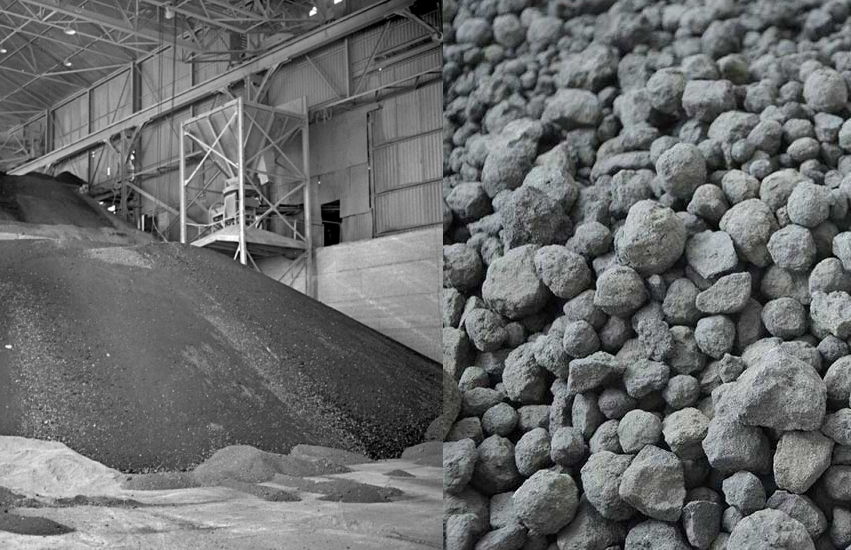
در زیر ماشین حساب سود فیلتر نشده ۲۰۲۶ را مشاهده میکنید که اکنون قبل از هر بازی از آن استفاده میکنیم. اعداد، نرخهای ژانویه ۲۰۲۶ به صورت زنده هستند - بدون تئوری، بدون میانگین، بدون اغراق مشاوران.
Q1 2026 Spot Rate : Same Vessel, Same Route, Two Cargoes
Below is a real-world 2026 benchmark fixture from our profit calculator—updated with current Q1 2026 market numbers. No theory, no averages, no consultant fluff.
| مورد | کلینکر خاکستری (فله) | سیمان آماده (فله) | سیمان پرداخت شده (کیسههای جامبو ۱.۵ تنی) |
|---|---|---|---|
| هزینه تولید در محل کار | $33.80 /t | $48.60 /t | $48.60 /t |
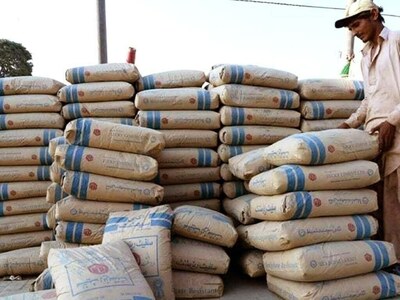
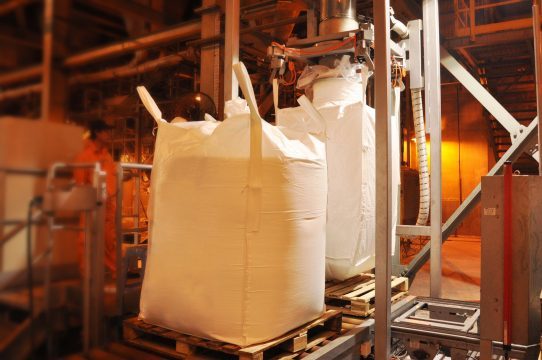
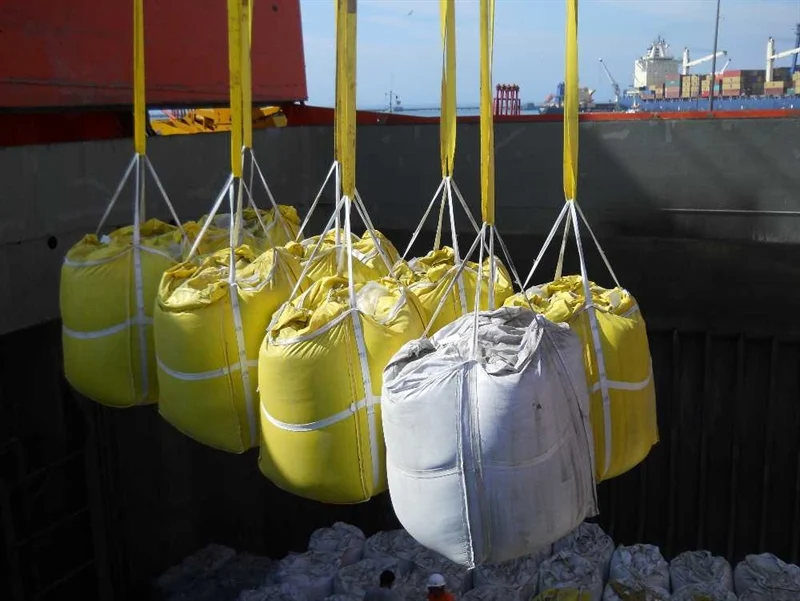
| هزینه بسته بندی | $0.00 | $0.00 | $7.40 (کیف آل-آستر ممتاز) |
| جابجایی و تخلیه بار در پورت بار | $3.10 /t | $4.80 /t | $8.90 /t |
| عوارض بندری و حق العمل کاری | $0.45 /t | $0.45 /t | $0.45 /t |
| کل هزینه بارگیری | $37.35 /t | $53.85 /t | $65.35 /t |
| حمل و نقل دریایی (ژانویه 2026) | $31.50 /t | $34.00 /t | $38.50 /t |
| مدیریت تخلیه | $3.50 /t | $5.20 /t | $9.80 /t |
| کل هزینه تحویل (CFR) | $72.35 /t | $93.05 /t | $113.65 /t |
| قیمت فروش CFR Chittagong (واقعی ژانویه 2026) | $98.00 /t | $112.00 /t | $128.00 /t |
| سود ناخالص قبل از کسر مالیات و بیمه | $25.65 /t | $18.95 /t | $14.35 /t |
| تأمین مالی و بیمه (اعتبار ۹۰ روزه) | –$1.80 /t | –$2.40 / تن | –$2.90 / تن |
| سود خالص به ازای هر تن | $23.85 /t | $16.55 /t | $11.45 /t |
| سود خالص در هر سفر (۴۲۰۰۰ تن) | $1 001 700 | $695 100 | $481 900 |
کلینکر در هر سفر دریایی - هر بار - با اختلاف ۱TP4T300 000 تا ۱TP4T520 000 برنده میشود.
The Carbon Factor: How Environmental Levies Affect Clinker Margins
While clinker delivers higher net margins on traditional freight routes, exporters targeting EU ports or regulated markets must account for carbon compliance costs under EU CBAM (Carbon Border Adjustment Mechanism) and emerging regional green tariffs in 2026.
- Clinker: Direct process emissions from calcination (~0.82–0.86 t CO₂ / ton).
- Finished Cement: Lower direct emissions per ton due to mineral additions & slag/fly-ash blending (~0.55–0.68 t CO₂ / ton).
Strategic Takeaway: For regulated destinations, clinker’s $18.40/t freight and handling advantage may be partially offset by a $12–$22/t carbon surcharge depending on your plant’s verified emissions baseline. Always verify whether the buyer or seller absorbs CBAM liability prior to fixing charterparties.
بررسی واقعیت حمل و نقل ۲۰۲۶ - مشتقات شاخص خشک بالتیک زنده
| مسیر (نرخهای ژانویه-مارس ۲۰۲۶) | بار کلینکر $/t | سیمان فله $/t | کیسه جامبو سیمان $/t | حق بیمه حمل و نقل سیمان |
|---|---|---|---|---|
| دریای سرخ → بنگلادش | ۳۱–۳۳ | ۳۴–۳۶ | ۳۸–۴۱ | +$7–10 |
| مدیترانه → غرب آفریقا | ۲۸–۳۰ | ۳۲–۳۴ | ۳۷–۴۰ | +۹–۱۲ |
| دریای سیاه → شرق آفریقا | ۲۴–۲۶ | ۲۷–۲۹ | ۳۳–۳۶ | +۹–۱۱ |
| خلیج عربی → جنوب شرقی آسیا | ۲۹–۳۱ | ۳۲–۳۴ | ۳۶–۳۹ | +۷–۹ |
کلینکر همیشه ۸ تا ۱۵ تن در هر متر مکعب (%) ارزانتر است زیرا چگالتر است (۱.۴۵ تن در متر مکعب در مقابل ۱.۱۰ تا ۱.۲۰ تن در متر مکعب برای سیمان) و سریعتر از میان چنگکهای چرخدندهدار جریان مییابد.
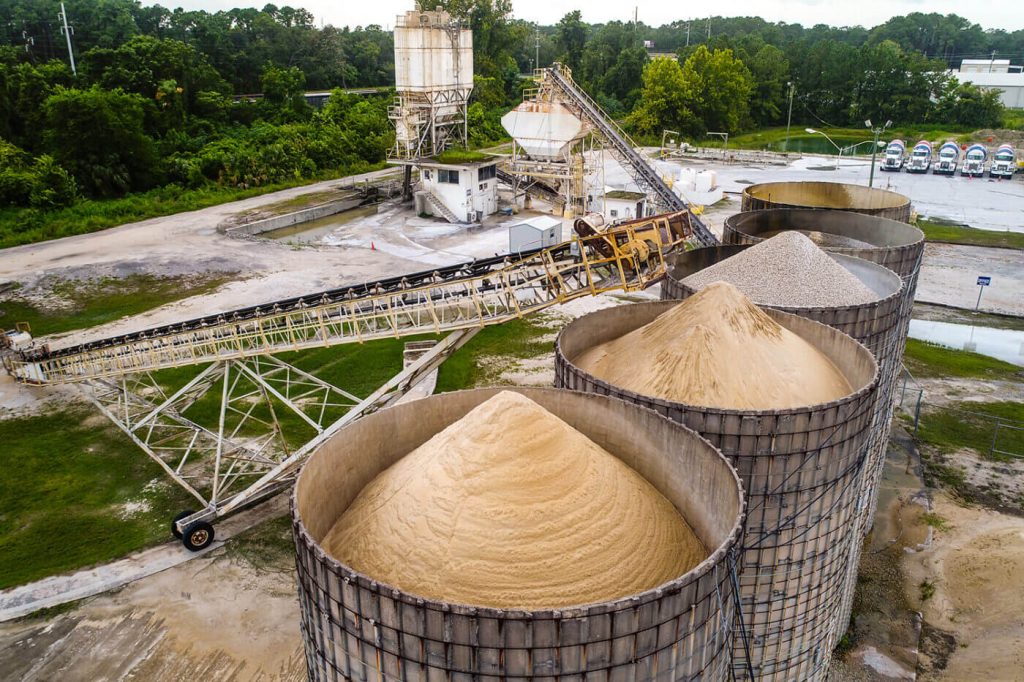
Dry Bulk Handling 2.0: Granular Flow Rate vs Pneumatic Bottlenecks
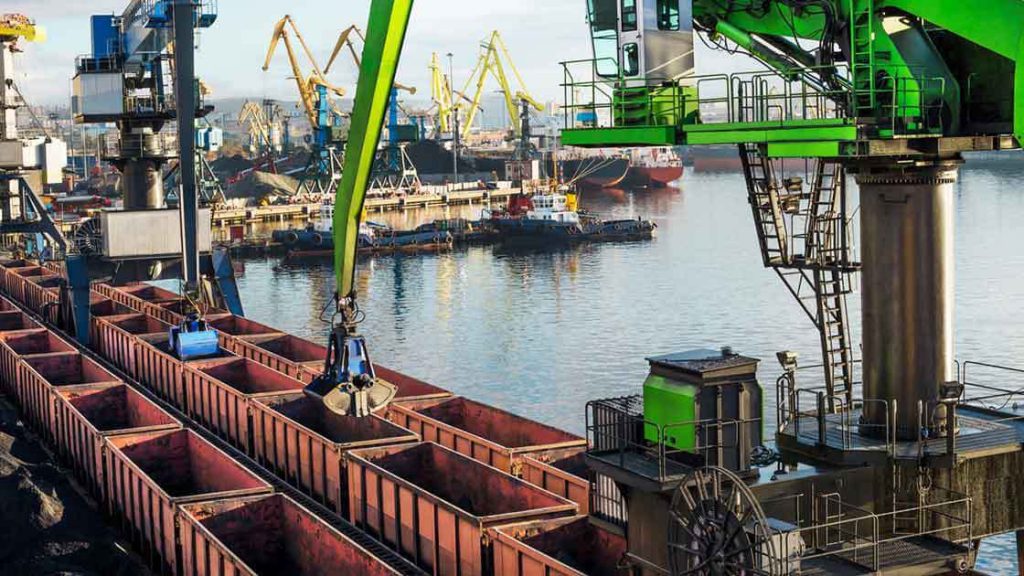
Modern terminals equipped with high-efficiency Continuous Ship Loaders (CSLs) and high-capacity conveyor belts leverage clinker’s granular properties to achieve extreme load rates, drastically outpacing finished bulk cement logistics.
- Clinker Efficiency: Free-flowing nodular clinker handles continuous mechanical conveyance seamlessly, peaking loading rates up to 18,000–22,000 t/day using standard grab or CSL infrastructure.
- Bulk Cement Bottleneck: Powdered cement requires air-assisted fluidization (air slides, compressor blowers, and specialized dust suppression units), capping maximum loading efficiency at 10,000–12,000 t/day while elevating dust-control compliance costs.
Strategic Takeaway: Faster load rates mean less port stay time, lower berth usage fees, and significantly reduced risk of port congestion demurrage.
قاتلان پنهان سود که همه فراموش میکنند
| مورد هزینه | ضربه کلینکر | تاثیر سیمان |
|---|---|---|
| ضریب انباشتگی | ۰.۶۹ متر مکعب بر تن → ۶۰۰۰۰ تن روی سوپرامکس | ۰.۸۳–۰.۹۰ متر مکعب بر تن → فقط ۴۸۰۰۰–۵۲۰۰۰ تن |
| زمان اقامت در بندر | ۲.۳ روز | ۳.۵ تا ۴.۵ روز (در صورت بستهبندی تا ۷ روز) |
| میزان خسارت معطلی (به ازای هر روز اضافی) | $28 000 | $28 000 |
| ادعاهای مربوط به رطوبت | تقریباً صفر | مکرراً در کیسه |
| انرژی سنگ زنی به عنوان سود فروخته می شود | شما انرژی را به واردکننده میفروشید | شما انرژی را پرداخت میکنید |
در سال ۲۰۲۵، ما یکی از خریداران دائمی بنگلادشی را از سیمان آماده به کلینکر تغییر دادیم. او ۱TP4T11/t در توان آسیاب کردن صرفهجویی کرد و ما ۱TP4T14/t اضافی به دست آوردیم - برد-برد به ارزش ۱TP4T14/t سالانه ۱.۸ میلیون دلار فقط در یک قرارداد.
Geopolitical Chokepoints: Why Clinker Shields Working Capital During Long Reroutes
With ongoing volatile conditions in the Red Sea and Bab-el-Mandeb Strait, vessels rerouting around the Cape of Good Hope add 10 to 14 days of extra transit time, while Bab-el-Mandeb transits carry heavily elevated War Risk Premiums (WRP) and bunker surcharges.
- Capital Tied Up: Clinker’s lower base FOB cost ($33.80/t vs $48.60/t for cement) significantly reduces interest carrying costs on trade finance lines (L/Cs or open accounts) during 45+ day extended voyages.
- Insurance Drag: Lower cargo insured value directly scales down hull, machinery, and cargo war risk coverage charges.
Strategic Takeaway: When maritime routes stretch, clinker minimizes overall capital exposure and interest drag per day of delay. You freeze significantly less liquidity on the water compared to finished cement.
نقشه حرارتی حاشیه سود منطقهای ۲۰۲۶ (خالص ۱TP4T/t پس از حمل و نقل)
| مقصد | شبکه کلینکر | شبکه سیمان فله | توری سیمانی کیسهای | برنده |
|---|---|---|---|---|
| بنگلادش / ویتنام | ۲۲–۲۵ | ۱۵–۱۸ | ۹–۱۳ | کلینکر |
| غرب آفریقا (نیجریه، غنا) | ۲۶–۲۹ | ۱۹–۲۲ | ۱۲–۱۶ | کلینکر |
| شرق آفریقا (کنیا، تانزانیا) | ۲۴–۲۷ | ۱۷–۲۰ | ۱۰–۱۴ | کلینکر |
| برزیل (رسیف) | ۱۹–۲۲ | ۱۳–۱۶ | ۷–۱۱ | کلینکر |
| فیلیپین | ۲۰–۲۳ | ۱۴–۱۷ | ۸–۱۲ | کلینکر |
| فقط بازارهای آسیاب داخلی | — | ۲۸–۳۴ | ۳۲–۳۸ | سیمان |
قاعده کلی: اگر خریدار شما ظرفیت آسیاب کردن در محدوده ۳۰۰ کیلومتری بندر تخلیه را دارد، کلینکر بفروشید. در غیر این صورت، سیمان بفروشید.
تنها سه سناریویی که در آنها سیمان آماده همچنان در سال 2026 برنده است
- خریدار آسیاب ندارد و فقط عوارض واردات سیمان را پرداخت میکند (پنجرههای موقت پاکستان و سریلانکا)
- شما خطوط بستهبندی مازاد عظیمی دارید و فضای سیلوی کلینکر صفر است
- قرارداد شامل بند «بگیر یا پرداخت کن» است که نمیتوانید از آن فرار کنید
در تمام موارد دیگر، کلینکر در حال چاپ پول است.
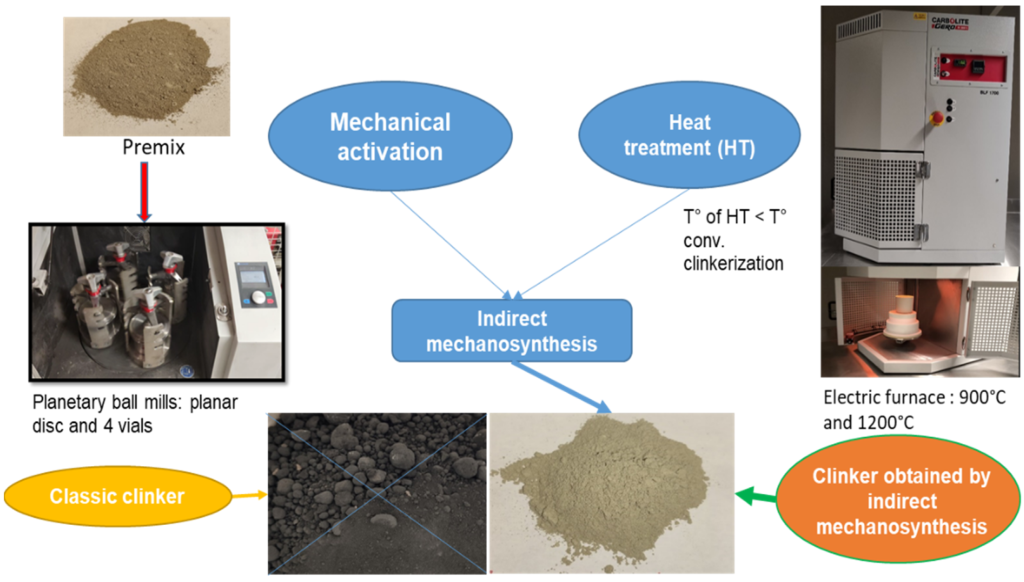
Shelf Life & Moisture Degradation: Bulk Cement’s Hidden Vulnerability
Long-haul maritime transit through high-humidity corridors—such as Southeast Asia, West Africa, and Central America—poses a severe quality threat to bulk finished cement due to ambient moisture absorption and pre-hydration.
| پارامتر | Grey Clinker (Nodular) | Bulk Finished Cement |
|---|---|---|
| Moisture Sensitivity | Near-Zero Impact | Extremely High (Pre-hydration risk) |
| Transit / Storage Life | 12+ Months (Open stockyards) | 30–45 Days Max (Sealed silos required) |
| Physical Degradation | No lumping or loss of reactivity | Severe lumping, air-set, & strength loss |
Strategic Takeaway: Clinker acts as a natural quality buffer. While bulk cement can suffer $3–$8/t value write-downs due to moisture damage or caking in hold corners, clinker can be safely stored in open-air port yards for months without strength loss.
Key Risks in Clinker vs Finished Cement Export 2026 & How to Mitigate Them
While clinker usually delivers higher margins, 2026 comes with specific risks. Here are the most important ones and how experienced exporters handle them:
- Quality claims on fineness and setting time: Importers’ grinding mills vary. Solution: Provide a detailed certificate of analysis + recommend compatible grinding aids. Offer a small performance guarantee on the first shipment.
- Moisture ingress during long voyages: Clinker is less sensitive than bagged cement but still needs care. Solution: Use covered holds or apply anti-moisture treatment at loading.
- Carbon border taxes and environmental regulations: Europe and some Asian countries are tightening rules. Solution: Track your plant’s CO₂ footprint and prepare low-carbon clinker options for premium markets.
- Freight rate volatility: Red Sea → Bangladesh rates can swing $8–12/t quickly. Solution: Secure 3–6 month freight contracts when rates are low and build a buffer in your pricing.
- Competition from Vietnam and Turkey: They are aggressive on price. Solution: Differentiate with consistent quality, reliable delivery, and better technical support to grinding plants.
By addressing these risks proactively, the $300k–$520k per voyage advantage of clinker export remains very realistic in 2026
Immediate 2026 Action Plan: Switch to Clinker Export for Maximum Profit
In 2026, the smart move for most exporters is clear: prioritize clinker export over finished cement wherever your buyer has grinding capacity. Here is a practical, step-by-step action plan you can implement this quarter:
- Pull your last 12 months of CFR sales invoices → recalculate every parcel as if it had been clinker instead of finished cement. You will likely discover an extra $300,000–$520,000 profit per voyage.
- Identify the three buyers with grinding mills closest to the discharge port (within 300 km). These are your highest-potential clinker customers in 2026.
- Offer them a $4–6/t discount versus your current finished cement price. Even with the discount, you still pocket $10–12/t more net profit while giving the buyer a better deal.
- Lock in trial shipments of 20,000–40,000 tons before the Q2 2026 freight spike. Use the savings from lower freight and handling to absorb any initial quality adjustment discussions.
- Update your standard contract templates for clinker (include clear moisture limits, flowability specs, and grinding aid recommendations). This reduces future claims and speeds up negotiations.
- Monitor live freight rates weekly (Baltic Dry Index + local agents) and re-run the profit calculator every time the market moves more than $2/t.
Start with these steps today and you can realistically add $2–5 million in extra annual profit from clinker exports in 2026.
Pro Tip: Clinker export profit 2026 is significantly higher than finished cement when you factor in density, handling time, and zero packing costs.