وبلاگ
GCC Seasonal Trade: High-Margin Summer B2B Opportunities

In the intense heat of GCC summers, when temperatures routinely exceed 45°C, supply chains don’t pause—they accelerate in specific segments while contracting in others. Construction ramps up before the peak heat fully halts outdoor work, peak electricity demand strains power infrastructure, and fresh produce requires flawless cold-chain execution to reach markets without spoilage. Timing becomes as critical as pricing: the traders who master seasonal patterns capture outsized margins while others absorb hidden costs from demurrage, quality rejection, or insurance claims.

High-Margin Summer B2B Opportunities
This guide examines high-margin opportunities in hot-season trade across GCC and broader MENA corridors. It draws on operational realities—port throughput data, construction cycles, and logistics friction points—to deliver actionable insights for B2B exporters and importers seeking sustainable profitability in 2026 and beyond.
Cold Chain in Oman: Beating 50°C Heat Without Losing a Single Load
Why Seasonal Timing Outweighs Pure Price in Cross-Border Trade
Global trade volumes fluctuate with weather, infrastructure availability, and demand spikes. In GCC markets, the hot season (roughly April to October) coincides with accelerated infrastructure delivery under Vision 2030-style programs, heightened indoor comfort needs, and strategic stockpiling ahead of potential disruptions.

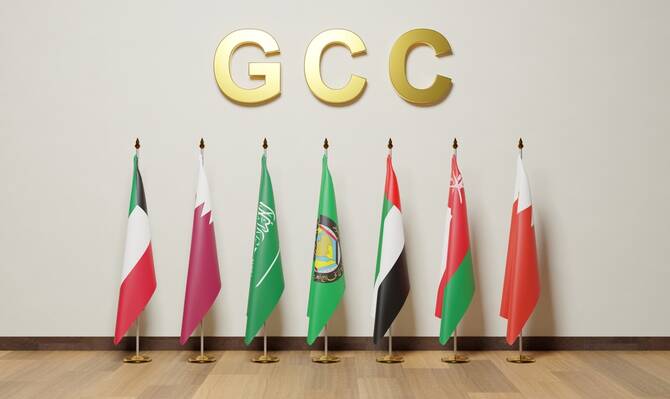
GCC Seasonal Trade
Key dynamics include:
- Accelerated construction windows: Road and building projects push forward in drier periods, boosting demand for paving and industrial materials.
- Energy consumption peaks: Air conditioning and industrial cooling drive refrigerant and supporting fuel needs.
- Perishable supply pressures: Fresh agricultural goods require premium cold-chain handling, where reliability commands higher prices.
- Logistics adaptation: Heat affects equipment performance, labor shifts, and route viability, creating both risks and competitive edges for prepared operators.
Businesses that align inventory, contracts, and partners with these cycles reduce exposure to volatility and improve cash flow through faster turnover.
High-Margin Petrochemical and Chemical Products in Hot Seasons
Bitumen (Asphalt) stands out as a seasonal powerhouse. Construction activity in GCC countries and key import markets like India surges during shoulder periods of the hot season, driving demand for road paving and waterproofing materials.
Operational advantages in hot weather:
- Polymer-modified bitumen (PMB) and viscosity-grade variants perform well in high-temperature environments, reducing long-term maintenance needs.
- Exporters benefit from established GCC production capacity and proximity to demand centers, minimizing transit times compared to distant suppliers.
- 2026 projections show steady growth tied to infrastructure spending, with India and GCC neighbors absorbing significant volumes post-monsoon recovery.
Practical steps for traders:
- Secure quality certifications (e.g., ASTM standards) early.
- Use specialized bulk shipping methods like bitutainers to maintain product integrity in heat.
- Time shipments for pre-peak construction windows to avoid port congestion.
The Bitumen Paradox: Navigating the Indian Monsoon Slump
While GCC infrastructure projects accelerate during the hot season, trading bitumen with major export destinations like هند presents a sharp seasonal paradox. In the peak of summer (June to August), India’s massive road paving market hits a dead stop due to the monsoon season, causing regional spot demand and bulk prices to temporarily soften.
Consequently, the real high-margin volume spikes occur during the critical “Shoulder Periods”: the pre-monsoon rush (April–May) and the post-monsoon reconstruction surge (September–October).
📈 Arbitrage & Storage Strategy:
The most profitable traders do not pause operations during the summer slump. Instead, they leverage lower off-season pricing to secure bulk supply, storing the product in specialized bitutainers or regional tank terminals throughout July and August. By positioning inventory early, they are fully prepared to capture immediate, outsized margins the moment the Indian market reopens in September.
Refrigerants and Solvents: Extreme heat amplifies demand for cooling agents in air conditioning, industrial refrigeration, and food preservation. The Middle East refrigerants market grows robustly due to climate factors and expanding cold storage.
Focus areas include lower-GWP (Global Warming Potential) options compliant with international regulations, as buyers prioritize sustainability alongside performance. Solvents support petrochemical processing and maintenance, with steady B2B uptake in manufacturing hubs.
Strategy: Prioritize compliant formulations and partner with logistics providers experienced in hazardous materials handling to navigate summer port protocols efficiently.
⚗️ Polymer Surges: Bulk Plastics & The Summer Beverage Packaging Boom
While regional petrochemical production remains steady year-round, Q2 and Q3 introduce a massive structural demand spike for specific thermoplastic resins. Driven by an exponential rise in bottled water and beverage consumption across the MENA region, B2B bulk traders can capture significant arbitrage windows by positioning polymer inventories ahead of the peak thermal months.
High-Velocity Polymer Cargoes:
- Polyethylene Terephthalate (PET) Bottle Grade: The absolute powerhouse of hot-season polymer trade. Localized bottling plants and blow-molding facilities throughout the GCC exhaust domestic allocations quickly, forcing a heavy reliance on spot-market bulk imports of virgin PET resin.
- High-Density Polyethylene (HDPE) & Caps: Tied directly to the beverage boom, demand for closure-grade HDPE (used for bottle caps) and lightweight dairy packaging reaches its annual peak, shifting freight priority to high-volume containerized resin shipments.
🚨 Supply Chain Advisory:
During peak summer, regional cross-border freight allocation is highly congested. To protect thin margins on bulk polymer trade, operators must lock in container allocations by early Q2. Utilizing the customs tariff database on Tendify.net allows traders to rapidly check dynamic anti-dumping duties and country-of-origin rules for polymers moving across GCC-India-Turkey corridors, preventing costly border rejections.
Material Risk: Cement Hydration & Admixture Arbitrage
While bitumen thrives on summer demand, heavy construction materials like cement and clinker—cornerstone commodities in the ECO and GCC trade zones—face severe chemical vulnerabilities above 40°C. High ambient temperatures trigger premature hydration and rapid slump loss during transit, compromising structural integrity before pouring even begins.
Because regional regulations restrict standard concrete pouring during peak daylight hours, the summer season creates a massive, localized surge in demand for Concrete Chemical Admixtures and Retarders (such as lignosulfonates or polycarboxylate ethers) to delay setting times.
💡 Market Opportunity:
Smart B2B traders capitalize on this by bundling cement shipments with high-margin chemical retarders. Additionally, adjusting bulk clinker logistics to match thermal-insulated storage protocols protects product grade and avoids catastrophic quality rejections at the delivery port.
💧 Hydro-Pressure: Water Scarcity & Desalination Infrastructure Arbitrage
During peak GCC summers, industrial and municipal water desalination networks—particularly in Saudi Arabia, Kuwait, and the UAE—operate at absolute maximum capacity to counter severe water scarcity. This seasonal strain triggers a massive, highly predictable B2B demand spike for water treatment chemicals, industrial filtration systems, and high-spec fluid handling infrastructure.
High-Margin Summer Consumables & Equipment:
- Specialized Water Treatment Chemicals: Bulk orders for anti-scalants, chlorine gas, sodium hypochlorite, and caustic soda surge as plants combat accelerated bio-fouling and scaling caused by elevated intake seawater temperatures.
- Desalination Consumables & Parts: High-frequency replacement cycles for Reverse Osmosis (RO) membranes, cartridge filters, and high-pressure chemical metering pumps peak between June and September.
🛠️ Operational Procurement Action:
Smart B2B traders align chemical supply contracts and RO membrane inventory with regional utility maintenance schedules by late Q1. Using Tendify.net to accurately match complex HS codes for hazardous water chemicals ensures priority customs clearance before high-temperature regulatory inspection bottlenecks occur at major entry ports.
8 Overlooked High-Margin Export Commodities from Emerging Markets
Agricultural Commodities and Cold-Chain Opportunities
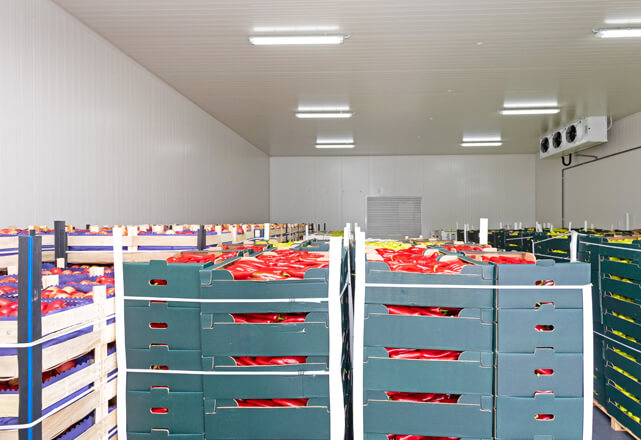
Hot seasons intensify the need for fresh produce while complicating logistics. GCC importers rely on reliable suppliers for fruits, vegetables, and processed foods to meet urban demand, where cold-chain integrity directly impacts margins.
Cold-Chain
High-potential categories:
- Fresh fruits and vegetables: Seasonal varieties with strong cold-chain support achieve premium pricing. Efficient reefer container usage and pre-cooling minimize losses (often 30-40% in fragmented chains).
- Grains and staples: Post-harvest timing from different hemispheres creates arbitrage windows, though heat demands careful moisture control during storage and transit.
- Dairy, poultry, and processed items: Temperature-controlled logistics enable year-round supply, with growing demand in hospitality and retail sectors.
Cold-chain economics:
- Invest in or partner for reefer containers, real-time monitoring, and temperature-validated warehousing.
- Calculate total landed costs including energy for cooling—reliable operators can pass efficiency savings to buyers while protecting margins.
Traders who map harvest calendars against GCC consumption peaks and secure dedicated reefer slots outperform general cargo players.
Cold-Chain Analytics: The Hidden Math of Reefer Operations
While managing a 30-40% agricultural spoilage rate is standard in fragmented networks, extreme summer heat over 46°C introduces immediate financial metrics that alter contract margins. To maintain stable internal temperatures, reefer container compressors must operate continuously at peak capacity. This surges genset fuel and port electricity consumption by up to 25%, a direct variable that inflates your final Landed Cost.
Furthermore, open-air customs inspections at regional borders expose chilled cargo to catastrophic Thermal Shock—where a 5-minute exposure to ambient desert heat can ruin high-value perishables.
🛠️ Operational Mitigation:
Importers should mandate the use of specialized Thermal Blankets (pallet-level insulation) and integrate IoT-enabled real-time temperature loggers. Additionally, structuring contracts so that risk transfer happens immediately prior to customs inspection gates protects the shipper from losses caused by extended physical inspection delays.
📦 The Nocturnal Retail Pivot: Last-Mile Cold Chains & FMCG E-Commerce
As ambient temperatures soar past 45°C, consumer behavior across the GCC undergoes a dramatic seasonal migration. Daytime foot traffic in traditional retail collapses, shifting heavily toward nocturnal shopping malls and digital e-commerce platforms. For B2B traders, this seasonal velocity creates a massive, high-margin squeeze on specialized packaging and climate-controlled urban logistics.
Critical Summer Trade Vectors:
- Refrigerated Last-Mile Logistics: Standard on-demand delivery fleets fail in extreme heat. The summer landscape drives exponential B2B demand for actively refrigerated delivery vans, specialized thermal-insulated boxes, and phase-change material (PCM) gel packs to maintain the integrity of fresh groceries, pharmaceuticals, and ready-to-eat meals during final delivery.
- Thermal Protective Packaging & Plastics: Fast-moving consumer goods require advanced barrier packaging to prevent spoilage from doorstep heat exposure. Suppliers of PET preforms for ready-to-drink beverages, high-density plastics, and corrugated boxes with reflective thermal linings see localized order surges.
💡 B2B Market Entry Strategy:
FMCG brands and packaging manufacturers shouldn’t pitch general inventory during Q2 and Q3. Instead, bundle high-barrier packaging solutions directly with optimized freight options. Utilizing Tendify.net to secure vetted logistics partners with pre-certified, temperature-monitored fleet networks ensures your supply line stays unbroken from the primary port clear to the urban micro-fulfillment center.
Energy and Supporting Products
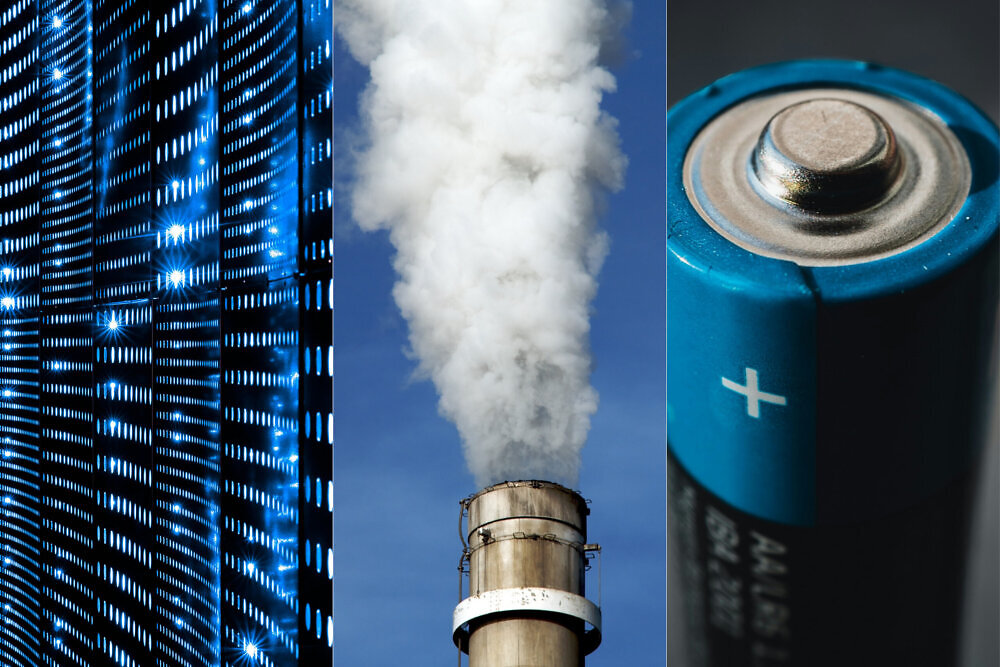
Summer electricity demand peaks drive opportunities in fuels, generators, and related equipment. Power infrastructure projects and backup solutions see heightened activity. Complementary trades include construction inputs tied to energy sector expansion.
Energy and Supporting Products
Geopolitical and Corridor Dynamics in GCC Hot Seasons
In GCC and neighboring markets like Iraq, heat influences operations:
- Customs and port shifts may prioritize perishables and essentials.
Operational Insight: The Nocturnal Shift in GCC Ports
During intense GCC and Iraqi summers, daytime temperatures routinely breach 45°C, severely reducing physical labor efficiency and equipment reliability during peak daylight hours. Consequently, major regional hubs—such as Jebel Ali (UAE), King Abdulaziz Port in Dammam (KSA), ، و Umm Qasr (Iraq)—instigate a tactical “Nocturnal Shift.”
Physical loading, unloading, and critical customs inspections heavily migrate to night operations. Daylight activity is often restricted to automated or essential-only clearing, drastically slowing down standard daytime turnaround times.
⚠️ Strategic Action for Traders:
Do not align your customs clearance schedules with standard business hours. Logistics managers must synch documentation handovers and drayage routing with night-shift customs crews. Failing to align with this nocturnal cycle directly triggers unexpected demurrage and detention fees as containers sit idle under extreme heat.
- Overland routes face equipment stress (tires, engines), favoring sea corridors for bulk during extreme periods.
The Corridor Pivot: Overland Freight Inflation vs. Short-Sea Shipping
During peak summer, desert asphalt temperatures across Saudi Arabia and Iraq can skyrocket past 65°C. This extreme thermal stress leads to frequent truck tire blowouts, engine overheating, and severe driver fatigue, forcing road transport fleets to lower their daily operational hours. Consequently, Road Freight Rates experience sharp seasonal inflation to compensate for these high operational risks.
This microeconomic shift makes Short-Sea Shipping lanes across the Persian Gulf highly lucrative. Even for traditionally short overland milk-runs, moving cargo via feeder vessels becomes significantly more cost-effective and predictable.
⚓ Routing Strategy:
Exporters moving non-perishable bulk (like polymers or cement clinker) from the upper Gulf down to Oman or the UAE should pivot from cross-border trucking to containerized coastal shipping between Q2 and Q3. This mitigates mid-transit breakdown liabilities and secures a fixed, deflationary freight rate compared to volatile summer land transport pricing.
- Regional re-export hubs like UAE leverage free zones for efficient redistribution.
Successful traders monitor these patterns via market intelligence tools and build flexible routing options.
Logistics Challenges and Mitigation in High Temperatures
Heat introduces specific risks:
- Increased demurrage and detention: Delays from labor adjustments or equipment issues.
- Quality degradation: For bitumen (viscosity changes), perishables (spoilage), and chemicals (stability concerns).
- Insurance nuances: Standard policies may exclude certain heat-related damages—verify coverage for extreme ambient conditions.
- Cost inflation: Higher fuel and refrigeration expenses.
Mitigation playbook:
- Deploy IoT monitoring for temperature and location.
- Use optimized container loading and protective packaging.
- Build buffer inventory with trusted forwarders.
- Leverage digital tools for real-time visibility and predictive scheduling.
Regulatory Flash: Summer Axle Load Restrictions
When desert asphalt surface temperatures exceed 65°C, road infrastructure becomes highly vulnerable to severe rutting and deformation under heavy weights. To preserve highways, transport authorities across the GCC and Iraq enforce strict seasonal Axle Load Restrictions and reduced gross vehicle weight (GVW) limits during peak summer months.
Max-capacity or oversized B2B shipments that easily pass inspections in January face high risks of heavy fines, forced offloading, or extended detentions at critical cross-border checkpoints, such as the UAE–Oman borders (Hatta/Al Wajajah) and domestic transit routes heading into Central Iraq.
🚨 Logistics Advisory:
Exporters utilizing land transport must recalibrate their payload factoring. It is statistically safer—and more cost-effective—to split oversized bulk into multiple, lower-weight fleet runs or transition high-density summer cargo to Short-Sea Shipping lanes across the Persian Gulf to bypass strict road weighbridges entirely.
Comparison Table: Hot-Season Logistics Considerations
| Product Category | Key Challenge | Mitigation Strategy | Margin Opportunity |
|---|---|---|---|
| قیر | Viscosity/Handling in heat | Specialized tanks, timing | High (infrastructure demand) |
| Refrigerants | Regulatory compliance | Certified low-GWP | Steady premium |
| Fresh Produce | Spoilage | Full cold chain | Premium for reliability |
| Energy Inputs | Peak demand volatility | Stockpiling & contracts | Volume-driven |
Operational Frameworks for Seasonal Success
Develop a seasonal playbook:
- Forecasting: Analyze historical port data and construction tenders.
- Partner Vetting: Select forwarders with proven hot-weather expertise.
- Contract Clauses: Include force majeure for weather, clear Incoterms, and quality benchmarks.
- Risk Management: Diversify routes and use hedging where applicable.
- Technology Integration: Track shipments, compliance, and market signals digitally.
Case studies from regional operations show that traders using integrated platforms for documentation, calculators, and partner matching reduce friction significantly.
Strategic Recommendations for 2026
Align offerings with GCC infrastructure timelines and energy needs. For bitumen and construction materials, target Q2-Q3 windows. For cold-chain goods, emphasize traceability. Diversify across categories to balance seasonal risks.
Internal Resources:
- Explore detailed UAE Exhibitions Calendar 2026 for networking during peak trade periods.
- نقد و بررسی GCC VAT & Tax Calculator insights for cost optimization.
- Study دستیار انتخاب اینکوترمز for contract structuring.
Platform.Tendify.Net as a Force Multiplier
For precise HS code classification, duty calculations, and connecting with vetted logistics partners experienced in regional summer conditions, targeted tools streamline preparation.
In an era where timing defines winners in B2B trade, mastering hot-season dynamics separates efficient operators from the rest. By focusing on high-demand categories like bitumen, refrigerants, and cold-chain agriculture—while addressing logistics realities—traders position themselves for resilient growth.
To facilitate, secure, and accelerate your cross-border operations with practical intelligence and reliable networks, register today at https://tendify.net/my-account/. The market rewards preparation—make 2026 your most profitable hot season yet.