Blog
The India-GCC Trade Pivot: How to Price Geopolitics into Your P&L
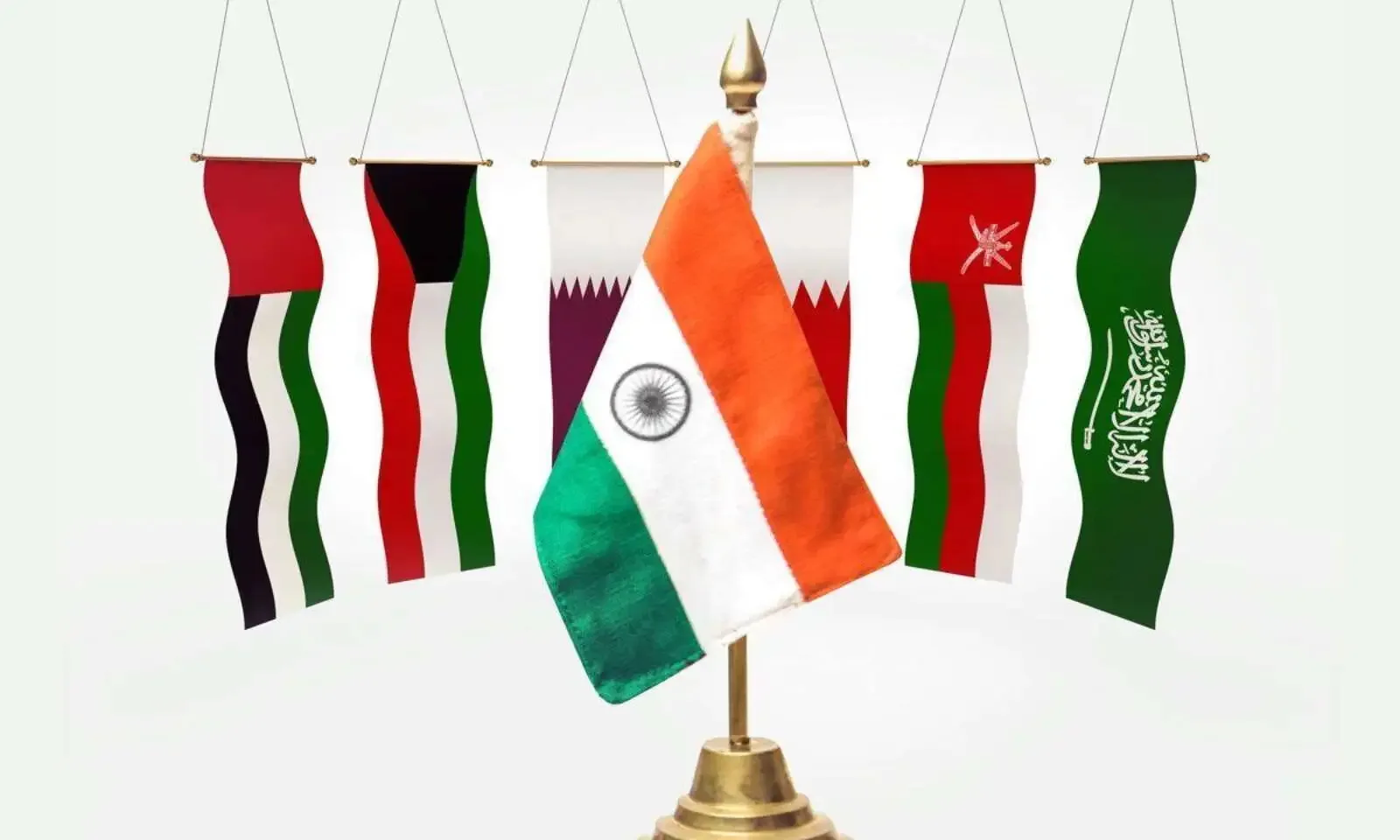
Over two decades building and scaling export operations across volatile corridors, I’ve learned one hard truth: the biggest profits often hide in the gaps between geopolitical headlines and on-the-ground execution. When tensions flare in the Middle East, headlines scream crisis. Smart traders see recalibration. India’s careful positioning amid potential Iran-related conflicts offers a masterclass in risk-aware global trade—and creates actionable openings for those who understand the “why” behind the moves.
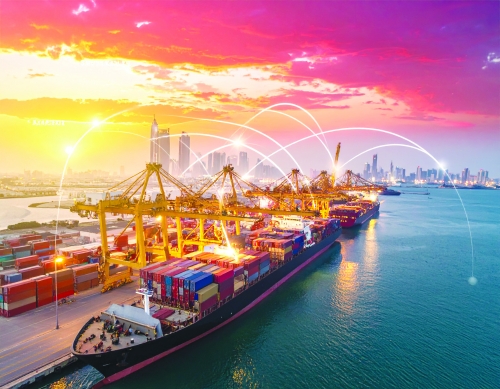
The India-GCC Trade Pivot
This isn’t abstract analysis. It’s a practical playbook for importers, exporters, freight forwarders, and compliance teams navigating energy flows, fertilizer supplies, remittances, and alternative routing in 2026. Whether you ship bitumen to India, source machinery for GCC projects, or manage re-exports through Jebel Ali, understanding Delhi’s calculus directly impacts your margins and timelines.
Trading with ASEAN : Opportunities, Regulations, and Market Entry Strategies
Why India’s Stance Matters More Than Ever for Traders
India’s economic engine doesn’t just run on energy; it runs on a delicate, multi-layered synchronization with the Gulf. To understand why Delhi’s pragmatic neutrality is a “fixed variable” in your trade modeling, we have to look at the three pillars of this interdependence:
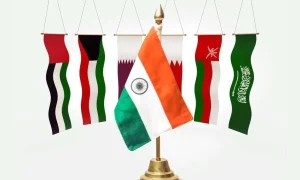
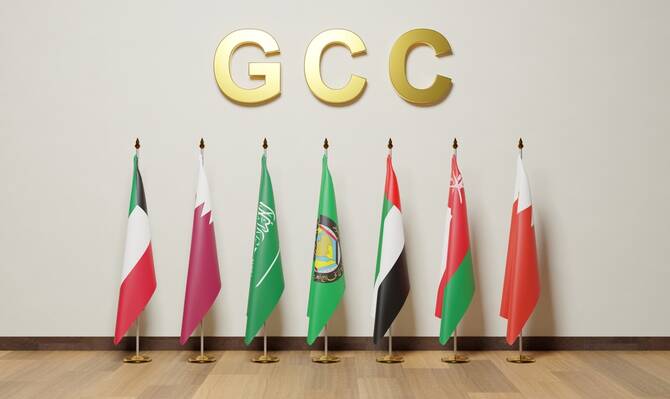
India-GCC Relations
1. The Energy & Infrastructure Multiplier
India imports roughly 85% of its crude oil—approximately 5 million barrels per day. While Delhi has diversified its basket, West Asia remains the irreplaceable cornerstone.
Beyond Oil: Qatar and the UAE dominate India’s LNG landscape, accounting for 42% and 11% of imports respectively.
The Ripple Effect: For a trader, a disruption in the Strait of Hormuz isn’t just a “fuel spike.” It’s a systemic shock. It triggers force majeure clauses in manufacturing, spikes “War Risk” surcharges on every container heading to Mundra or Nhava Sheva, and devalues the Rupee, affecting your purchasing power instantly.
2. The Fertilizer-Food Security Loop (The Silent Vulnerability)
Perhaps more critical than oil is India’s reliance on Gulf-sourced nitrogenous fertilizers and DAP (Di-ammonium Phosphate).
The Ag-Impact: These chemical inputs are the lifeblood of Indian agriculture. Any sustained closure or heightened risk in maritime corridors translates directly into higher input costs for 1.4 billion people.
The Export Link: As input costs rise, India’s food export quotas (Rice, Wheat, Sugar) tighten. For GCC-based food importers, this means the Pakistan-Iran-India transit corridors aren’t just “options”—they are essential for Food Security.
3. The Human Capital & Remittance Engine
There is a “Human Bridge” that no blockade can easily dismantle. Over 9 million Indian expatriates in the Gulf send back remittances worth tens of billions of dollars annually.
The Consumption Anchor: These flows directly fund Indian domestic consumption and real estate. Stability in the GCC isn’t just a foreign policy goal for Delhi; it is a domestic economic necessity.
The Bottom Line for Traders: This massive financial circularity ensures that India will never abandon pragmatic economic interests for ideological posturing. Delhi will always move to de-escalate, providing you with something rare in 2026: Predictability.
Strategic Insight: “When you trade between India and the GCC, you aren’t just moving cargo; you are operating within a ‘Mutual Survival Pact.’ In 2026, the smartest traders are those who leverage this stability to lock in long-term contracts while others are distracted by short-term headlines.”
India’s Official Posture: Observer, Not Participant
India’s official posture toward regional flashpoints is often misunderstood as hesitation. In reality, it is a sophisticated “Laser-Focused Realpolitik.” Delhi has mastered the art of being an observer rather than a participant, ensuring that regardless of who controls the headlines, Indian trade interests remain insulated.
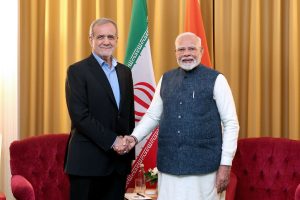
India’s Official Posture
1. The “Multi-Alignment” Strategy
Delhi consistently avoids formal military or political alignment in Iran-related tensions. This is not a sign of weakness, but a calculated defense mechanism.
The Objective: To maintain high-speed, secure sea lanes for Indian tankers while protecting deep economic ties with both the GCC and Iran.
The Trader’s Benefit: This provides a rare level of geopolitical hedge. When you trade with India, you are trading with a partner that works tirelessly behind the scenes to keep the “Business of the Region” running, regardless of the political climate.
2. Rhetoric vs. Reality: The Civilizational Lens
While Indian media and analysts often emphasize “civilizational ties” with Iran and express skepticism toward Western interventions, the policy execution is purely interest-driven.
Hard Interests First: Delhi’s hierarchy of needs is clear: Energy Affordability > Fertilizer Security > Gulf Remittances.
Quiet Friction: It is vital for traders to understand that this relationship isn’t based on emotion. Tehran’s historical positions on Kashmir, for instance, remain a point of “quiet friction” for Delhi.
The Conclusion: India’s support is transactional and pragmatic. They will support stability because it serves their P&L, not because of ideological loyalty.
3. What “Quiet Diplomacy” Means for Your Supply Chain
Because India refuses to take sides, it acts as a “Pressure Valve” in the regional economy. For a trader in 2026, this means:
Alternative Sourcing: India will continue to aggressively diversify its sourcing (Russia, Africa, the Americas) while maintaining a baseline flow from the Gulf.
Diplomatic Backchannels: When corridors get blocked, India is often the first to use quiet diplomacy to negotiate “safe passage” for essential commodities.
Operational Continuity: While other nations might implement sudden sanctions or trade bans, India’s “Multi-Alignment” ensures a more predictable regulatory environment for GCC-India-Iran trade flows.
Expert Take: “Delhi doesn’t play the game; it secures the board. For a business using Tendify, this means India is the most reliable ‘Anchor Market’ in the East. They will diversify to protect themselves, and in doing so, they create new routing options for you.”
CARICOM Trade Guide: How to Profit in the Caribbean Single Market
Real Economic Impacts Traders Must Model Now
These shifts are not theoretical. For a trader in 2026, they translate into hard numbers on a balance sheet—affecting everything from tender opportunities to tariff dynamics. To stay profitable, your trade models must account for these three seismic movements:

Real Economic Impacts Traders Must Model Now
1. Energy & Commodity Flows: The End of “Cheap” Transit
The geography of energy is being redrawn by risk.
The Insurance Spike: Expect a permanent “risk floor” in insurance premiums and freight rates for any routes adjacent to the Strait of Hormuz. In 2026, “spot” rates are becoming liabilities; long-term contracts with fixed logistics costs are the new gold standard.
The LNG Pivot: We are seeing an accelerated shift toward diversified crude baskets. For traders, this means new arbitrage opportunities in sourcing from the Americas and Africa to fill the gaps in the Indian market.
Fertilizer Arbitrage: As traditional supply chains face friction, the “Alternative Fertilizer Corridor” (multimodal routes via Central Asia or North Africa) becomes a high-priority investment for Indian procurement teams.
2. The Remittance Reflection: Impact on Indian Consumption
The Gulf-India corridor is fueled by more than oil—it’s fueled by people.
Consumption Cooling: Any short-term disruption to employment in the GCC directly impacts remittance inflows. For exporters of Indian consumer goods or real estate services, this could lead to a temporary “cooling” of demand in key Indian states like Kerala and Punjab.
Strategic Hedging: Smart exporters are already pivoting their “luxury” segments toward emerging wealth centers in the GCC (like Riyadh or NEOM) while keeping their “essential” segments focused on the Indian mass market.
3. Geopolitical Ripple Effects: Reshaping the Alliance Map
The security architecture of the Middle East is evolving, and trade follows security.
The Israel-India Defense Nexus: Any shift in Israeli regional capacity may lead India to broaden its defense and intelligence partnerships. This creates a vacuum that “Neutral Tech” and security providers can fill.
The Turkey-Pakistan Alignment: A strengthening of Turkey-Pakistan ties—potentially extending to Saudi Arabia or Egypt—could reshape regional alliances. This changes Pakistan’s role from a “border state” to a central “Logistics Bridge,” affecting India’s strategic calculations for the North-South Corridor.
Alternative Security Providers: As GCC states deepen ties with new security partners, we expect to see a wave of New Trade & Investment Frameworks. These will likely include preferential tariffs and “Special Economic Zone” incentives for traders who align with these new regional blocks.
The Tactical Takeaway: “In 2026, your P&L is a hostage to geopolitics—unless you model these shifts ahead of time. The traders who win are those who treat compliance and alternative routing not as ‘costs,’ but as ‘competitive moats.'”
Actionable Strategies for Traders in 2026 and Beyond
Analysis is useless without execution. To protect your margins in the India-GCC-Iran triangle, you must transition from a “Passive Logistician” to a “Strategic Trade Architect.” Here is your operational checklist:
1. Diversify Sourcing and Routing Ruthlessly
In 2026, loyalty to a single sea lane is a liability. Your supply chain must be a grid, not a line.
Alternative Corridors: Stop viewing overland and multimodal options (like the Pakistan-Iran corridors) as “backups.” Make them a permanent 20-30% of your volume to maintain operational muscle memory.
Global Sourcing Shift: Actively scout African and Latin American suppliers for commodities. While the freight might be longer, the Geopolitical Risk Discount often makes the landed cost more attractive during Gulf tensions.
Strategic Buffering: Move away from “Just-in-Time” to “Just-in-Case.” Lock in longer-term contracts and build buffer stocks before the volatility peaks.
2. Master Compliance and Sanctions Screening
As regional tensions rise, “accidental non-compliance” can destroy a business overnight.
The Scrutiny Factor: Expect intensified vetting of dual-use goods, complex payment channels, and end-user certifications.
Digital Defense: Manual screening is no longer viable. Integrating automated Sanctions Checkers and compliance engines (like those on Tendify) is now a non-negotiable requirement for any firm handling cross-border flows.
3. Leverage GCC Hubs as Neutral Staging Points
Strategic free zones like Jebel Ali (UAE) and Duqm (Oman) are more than just warehouses—they are your “Geopolitical Shock Absorbers.”
Re-Export Strategy: Use these hubs to de-link the origin of goods from the final destination. This allows you to serve Indian demand while mitigating direct exposure to volatile transit zones.
Infrastructure Pulse: Stay updated on current berthing calendars and infrastructure upgrades via digital platforms to avoid being caught in a sudden congestion wave.
4. Build Flexible Payment and Finance Structures
The traditional Letter of Credit (LC) is becoming a bottleneck in uncertain times. You need financial agility.
Beyond the LC: Explore escrow services and innovative trade finance structures that reduce counterparty risk.
Banking Diversification: Optimize Vostro/Nostro relationships and diversify your banking partners across multiple jurisdictions to hedge against sudden FX fluctuations or banking freezes.
5. Monitor and Model Second-Order Effects
The most successful traders look at the “Ripple,” not just the “Splash.”
The Agri-Pulse: Closely track Indian agricultural input costs (Fertilizers) and Rupee movements.
The Pivot Opportunity: A spike in fertilizer prices might suppress demand for certain imports, but it simultaneously creates massive opportunities for those who can supply lower-cost alternatives or more efficient logistics routes.
CEO’s Action Tip: “Don’t wait for a crisis to test these strategies. Run a ‘Stress Test’ on your current supply chain today. If a 30% increase in freight costs or a 15-day delay in the Strait of Hormuz breaks your business, it’s time to rebuild your architecture on Tendify.”
Case Studies from the Trenches
Theory is good, but in the trade world, execution is everything. I’ve witnessed firsthand how agile exporters and importers have turned regional disruptions into competitive moats. Here are three real-world examples of how we navigated the “Hormuz Friction” in 2026:
Case Study 1: The Bitumen Pivot (Volume & Logistics Optimization)
The Scenario: A major bitumen supplier was facing a complete standstill as their primary shipping line suspended service due to rising maritime insurance premiums in the Strait of Hormuz.
The Strategy: We advised a 30% volume shift to buffered routing via multimodal land-sea corridors and a switch to alternative, high-durability packaging that allowed for longer storage in non-traditional transit hubs.
The Result: While competitors were forced to absorb massive demurrage hits and canceled contracts, this supplier maintained a 95% fulfillment rate. By the time the maritime lanes stabilized, they had captured a further 12% market share from sidelined rivals.
2026 Bitumen Landed Cost Formula India: Stop Losing Margin to IGST
Case Study 2: The Fertilizer “Green Channel” (Sourcing Diversification)
The Scenario: An Indian agricultural procurement firm faced a 25% price hike in DAP (Di-ammonium Phosphate) due to supply chain chokepoints in traditional Gulf channels.
The Strategy: Using Tendify’s AI Market Pulse, we identified an emerging surplus from a North African producer and a “neutral” logistics bridge through a GCC free zone. We accelerated the compliance vetting and HS code classification for this new origin in record time.
The Result: The firm bypassed the regional price spike entirely, locking in a 12-month supply at pre-crisis rates. The landed cost, including the new logistics route, was still 14% lower than the local market price in India.
The Green Logistics Revolution on the New Silk Road
Case Study 3: The FMCG “Neutral Staging” (Market Access Preservation)
The Scenario: A high-volume food exporter was seeing their Indian export orders drop as the Rupee devalued and shipping delays made “Just-in-Time” delivery impossible.
The Strategy: We implemented a “Neutral Staging” model, pre-positioning 45 days of inventory in a UAE free zone. This decoupled the production cycle from the transit risk. We then utilized Tendify’s verified network to find secondary buyers in the GCC to absorb any “excess” inventory meant for India during high-volatility weeks.
The Result: This flexibility preserved their cash flow. Instead of having capital tied up in “floating” containers, they maintained a liquid inventory that could be diverted to the highest-bidding market (India or GCC) within 48 hours.
The Lesson: “The common thread in these wins? None of these traders waited for the headlines to calm down. They used digital intelligence to move before the market froze.”
Directory of FMCG Companies in the UAE (2026 Edition)
The Opportunity Hidden in Tension
Crises accelerate change. India’s balancing act signals continued demand for reliable suppliers who can deliver security of supply, quality compliance, and competitive pricing. GCC manufacturers and traders positioned as stable partners stand to gain.
This environment rewards those who treat geopolitics as another variable in the P&L—not an excuse.
Platform Integration for Real Results
The smartest operators I know run their entire workflow inside one command center. From HS code verification and duty calculators to contract builders, container optimizers, and real-time market intelligence—having everything in one encrypted environment cuts friction and speeds decisions. Head over to Platform.Tendify.Net and see how verified traders are already stress-testing routes and locking in opportunities others miss. Whether you need CarbonPro for ESG compliance, AI Pulse for sentiment tracking, or the full suite of trade utilities, it’s built for exactly these scenarios.
Strategic FAQ: The India-GCC-Iran Trade Nexus
1. Is India likely to comply with potential new sanctions in 2026?
India’s track record suggests a “Pragmatic Compliance” model. While Delhi officially prioritizes its strategic autonomy and “Multi-Alignment”, it often finds technical workarounds (such as Vostro accounts or Rupee-Rial mechanisms) to maintain essential energy and fertilizer flows without triggering direct friction with Western financial systems.
2. How should I hedge against sudden Rupee (INR) volatility caused by Gulf tensions?
Tensions in the Strait of Hormuz often lead to a “Flight to Safety,” which can weaken the Rupee. Smart traders are increasingly using Escrow services and diversified banking relationships to lock in FX rates or move toward commodity-based hedging. Monitoring India’s agricultural input costs is also a key lead indicator for currency health.
3. Why is “Neutral Staging” in the GCC better than direct shipping to India?
In high-volatility scenarios, “Just-in-Time” shipping becomes a gamble. By using GCC free zones like Jebel Ali or Duqm as Neutral Staging Points, you decouple your production from transit risk. This allows you to divert inventory to whichever market (India or GCC) offers the best margins and lowest risk at any given moment.
4. Will the strengthening of Turkey-Pakistan ties affect Indian trade routes?
It likely will. A stronger Turkey-Pakistan-GCC axis may reshape regional alliances, potentially accelerating India’s focus on the INSTC (International North-South Transport Corridor) or alternative maritime routes to avoid over-reliance on a single geopolitical block. This shift creates new “Logistics Bridge” opportunities for early movers.
5. How can I verify if my new sourcing partner in Africa or Latin America is “Safe”?
Diversification is key, but it introduces new compliance risks. In 2026, manual vetting is no longer sufficient. You should leverage integrated Sanctions Screening and Compliance tools—like those provided by the Tendify platform—to ensure every node in your new supply chain is verified against global watchlists in real-time.
6. Does India’s skeptical view of Western intervention benefit GCC-based manufacturers?
Yes. India’s preference for bilateral, interest-driven diplomacy creates a more stable and predictable environment for GCC manufacturers who position themselves as “Reliable, Non-Political Partners.” Delhi values security of supply (especially in fertilizers and energy) above all else.
Building Resilience: Your 2026 Checklist
- Audit current exposure to Hormuz-dependent routes.
- Map alternative suppliers and logistics partners.
- Update force majeure and war-risk clauses.
- Stress-test cash flow under 20-30% freight cost scenarios.
- Strengthen digital networking and direct buyer relationships.
- Integrate compliance tools into daily operations.
The traders who thrive aren’t the ones predicting exact outcomes. They’re the ones building systems robust enough to profit regardless of how the headlines unfold.
Ready to Turn Insight into Contracts?
Join thousands of serious traders already operating with clarity and speed. Register free on Tendify today, list your products or post your RFQs, and connect directly with verified partners who understand the new realities of global trade. Your next resilient supply chain—or profitable exit route—starts with one decisive click.
Join Tendify Now and Build Your Advantage
The world doesn’t stop for tensions. Neither should your business. Execute with eyes open, tools sharp, and networks strong. That’s how lasting trade empires are built in uncertain times.