Blog
Win Iraq Government Tenders: 7 Mandatory Documents for a Successful Bid
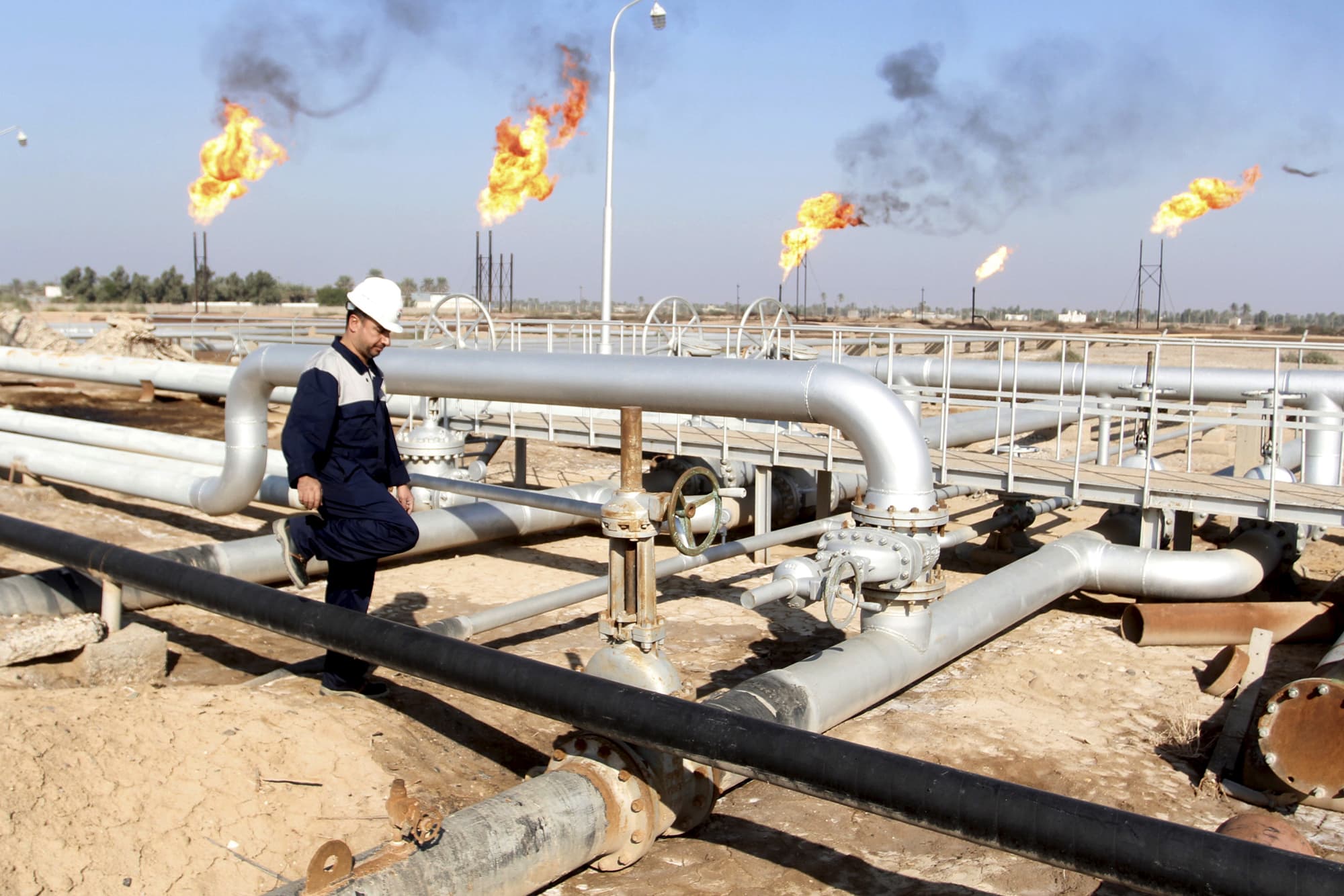
Over my decades navigating government contracts across challenging markets, I’ve bid on and won tenders from infrastructure rebuilds to supply chains in high-stakes environments. One hard-earned lesson stands out: winning Iraqi government tenders hinges on meticulous preparation, especially the technical submission. Miss a key document, and your bid gets disqualified before evaluators even assess your strengths. Iraqi procurement, governed by strict regulations from the Ministry of Planning, demands precision—technical envelopes often decide 60-80% of the score in evaluated bids.
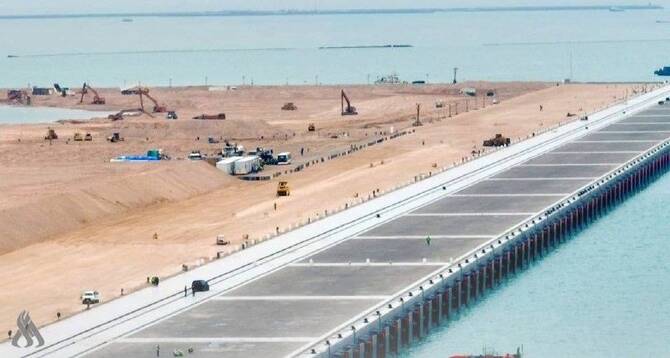
Iraq Government Tender
Here’s a sobering stat: many capable firms lose out annually because incomplete submissions lead to automatic rejection. With Iraq’s reconstruction pushing public spending into billions, opportunities abound in construction, oil & gas, IT, and supplies. But success requires mastering the essential tender documents, particularly those proving technical capability. This guide focuses on the seven must-have technical documents that form the backbone of every strong Iraqi government tender bid. I’ll explain what each is, why it matters, and how to prepare it effectively—drawing from real-world pitfalls I’ve seen (and avoided).
Iraq Customs Clearance 2026: Tariffs & Oilfield Regulations
Understanding the Iraqi Government Tender Process and Document Requirements
Iraqi public procurement follows standardized rules, with the General Government Contracts Department overseeing templates and compliance. Tenders typically split into technical and financial envelopes—technical first for qualification.
Key principles:
- Transparency and competition drive the process.
- Bids must align exactly with tender instructions.
- Technical evaluation weighs heavily, often using points for compliance, experience, and methodology.

Iraqi Government Tender Process and Document Requirements
Foreign bidders face no outright bans but need local registration or partners for signing. Standard bidding documents outline exact requirements, but these seven technical elements appear consistently across tenders.
Skipping them? Instant disqualification. I’ve watched strong proposals fail over a missing certificate.
The “Invisible” Requirement: Document Legalization
Based on on-the-ground experience in Iraqi procurement, having the right documents is only half the battle. Every foreign document must undergo a multi-stage legalization process to be valid in Iraq:
- Notarization: Documents must be notarized in the country of origin.
- Ministry of Foreign Affairs (MOFA): Attestation by the MOFA in your home country.
- Iraqi Embassy: Final stamp from the Iraqi Embassy or Consulate in your region.
SEO Tip: Iraqi ministries will automatically disqualify any bid that lacks the Iraqi Embassy Attestation, even if the technical proposal is perfect.
Why Technical Documents Are the Make-or-Break Factor in Iraqi Tenders
In the complex landscape of Iraqi public procurement, technical submissions are far more than just a formality—they are the definitive proof that your organization possesses the operational capacity to deliver on its promises. In a market where “post-conflict reconstruction” and “infrastructure stability” are priorities, evaluators prioritize reliability over the lowest price.
While many bidders focus solely on the financial offer, the technical envelope is where the contract is actually won or lost. If you fail the technical evaluation, your financial bid won’t even be opened.

Technical Documents Are the Make-or-Break Factor in Iraqi Tenders
How Evaluators Score Your Technical Bid:
Strict Specification Compliance: In Iraq, ministries often use a “Pass/Fail” (Go/No-Go) system for core technical specs. If your equipment or service deviates by even 1% from the Tender Book’s requirements without a superior justification, you face immediate disqualification.
Proven Track Record (The Experience Multiplier): You must provide “Certificates of Satisfactory Performance” from previous clients. For Iraqi tenders, having prior experience with the Ministry of Oil (MoO), Ministry of Electricity (MoE), or international NGOs operating in the region carries significant weight.
Detailed Method Statements: Evaluators look for a granular “Step-by-Step” execution plan. A generic plan is a red flag; you must show you understand the local logistics, including site-specific challenges in provinces like Basra, Baghdad, or Erbil.
Resource Mobilization & Timeline: You must prove that your personnel, machinery, and supply chains are ready for immediate deployment. In Iraq, time-to-completion is often as critical as the quality of the work itself.
The “IQS” and “COSQC” Advantage
To truly stand out, your technical documents should reference compliance with the Central Organization for Standardization and Quality Control (COSQC). Aligning your technical data sheets with Iraqi Quality Standards (IQS) shows a level of local expertise that foreign competitors often overlook. This demonstrates that your products won’t face rejection during the mandatory pre-importation inspection processes (such as those conducted by Bureau Veritas or TUV).
Practical Insight: Beyond the Paperwork
Data from regional procurement studies indicates that technically superior bids win over 70% of the time, even when their pricing is 10-15% higher than the lowest bidder. In Iraq, “cutting corners” on documentation is interpreted as a risk to national projects.
Pro-Tip for Success: Ensure all your technical catalogs, ISO certificates, and test reports are not only translated into Arabic (where required) but also bear the necessary Consular Attestations. A high-quality technical bid that lacks the Iraqi Embassy stamp from your home country is often treated as “non-existent” by the tender committee.
The 7 Essential Technical Documents for Iraqi Government Tender Submissions
Success in Iraqi public procurement requires more than just submitting the requested files; it requires a strategic presentation of your capabilities. Below is a deep dive into the seven core documents every winning technical envelope must contain. To succeed, you must prepare these early, tailor them to the specific ministry’s language, and ensure every page is authenticated.
1. Technical Specifications Compliance Statement
This is a comprehensive matrix or formal letter that confirms your offer aligns perfectly with every technical requirement listed in the tender book.
Why It’s Critical: Iraqi tender committees use this as a “disqualification filter.” Any “No” or “Partial Compliance” without a significant technical advantage usually leads to an automatic fail.
The Professional Approach: Do not just say “Complies.” Map your response directly to the tender’s Bill of Quantities (BOQ). For every spec, provide a cross-reference to the exact page in your supporting brochures or datasheets.
Experience-Led Insight: If you offer a product that exceeds the requested spec, highlight it as “Enhanced Compliance.” However, avoid adding “extra features” that increase the price unless they are explicitly requested, as Iraqi evaluators prioritize the “minimum compliant” technical score to move to the financial stage.
Pro-Tip: Alignment with COSQC Standards
To gain a competitive edge in your technical bid, explicitly state compliance with the Central Organization for Standardization and Quality Control (COSQC) of Iraq. Referencing Iraqi Quality Standards (IQS) alongside International ISO standards demonstrates a deep understanding of the local regulatory landscape.
2. Detailed Technical Methodology and Execution Plan
This document is your step-by-step narrative of how you will deliver the project from Day 1 to the final handover.
Why It’s Critical: It proves feasibility. In a high-risk environment like Iraq, a generic plan suggests a high risk of project failure.
Key Components:
Phased Timeline: Use professional Gantt charts showing clear milestones and critical paths.
Local Logistics & Mobilization: Detail how you will handle site security, local labor recruitment, and the transport of goods through Iraqi checkpoints or ports (like Umm Qasr).
Risk Mitigation: Include a specific section on how you handle delays—this demonstrates “Iraqi Market Maturity.”
Real-World Success: In recent infrastructure tenders, bidders who included a “Local Community Engagement Plan” or “Environmental Protection Strategy” scored significantly higher points.
3. Company Experience and Past Performance Records
This is your “Proof of Concept.” You must show that you have successfully done this before, ideally in similar emerging markets.
Why It’s Critical: The Iraqi Ministry of Planning maintains a “Blacklist” of underperforming companies. High-quality past performance records act as a shield against skepticism.
What to Submit:
A list of 3-5 major contracts completed in the last 10 years.
Crucial: Include Final Handover Certificates (TOC/FAC) or letters of appreciation from previous government clients. A simple list of “current projects” is not enough; evaluators want to see completion.
Quantifiable Metrics: Instead of “Large project,” use “Successfully delivered a $10M laboratory setup under budget and 15 days ahead of schedule.”
4. Key Personnel Qualifications and CVs
Iraqi tenders are often won or lost based on the resumes of the Project Manager and Lead Engineers.
Why It’s Critical: The government wants to know who is actually doing the work. They look for years of experience and specialized certifications.
Best Practices:
Project Organogram: Show a clear hierarchy of who reports to whom.
Local Expertise: Highlight any staff who have experience working with Iraqi ministries or who are registered with the Iraqi Engineers Union.
Bilingual Capability: Emphasize personnel who are fluent in both English and Arabic to ensure smooth communication with the “Employer” (the Ministry).
5. Equipment and Resource Inventory
You must prove that you own or have guaranteed access to the machinery and tools required for the contract.
Why It’s Critical: It ensures you won’t cause delays by searching for equipment after the contract is signed.
Structuring the List: Provide a table with the Model, Year of Manufacture, Condition, and Ownership Status (Owned vs. Leased).
Iraqi Context: For heavy machinery, older equipment (usually over 5-10 years) might be penalized in the scoring. If you are importing equipment, include a “Mobilization Plan” detailing how you will clear customs.
6. Quality Assurance and Certification Documents
This is the formal proof that your operations meet international and local quality benchmarks.
Why It’s Critical: Quality control is a major focus for the Iraqi Ministry of Health, Oil, and Electricity.
Required Items:
ISO Certifications: ISO 9001 (Quality), ISO 14001 (Environment), and ISO 45001 (Safety) are now standard requirements.
Third-Party Inspections: Mention your willingness to work with international inspectors like SGS, Intertek, or TUV, which are commonly used in Iraq for product verification.
Warning: Ensure all certificates are valid and issued by accredited bodies. “Fake” or expired certificates lead to permanent blacklisting from all future Iraqi tenders.
7. Bid Security or Tender Guarantee
While often handled by the finance team, the Bid Bond is frequently required to be placed inside the Technical Envelope for initial validation.
Why It’s Critical: It proves your company is financially stable and serious about the bid. Without this, the technical offer is discarded without review.
Preparation Pro-Tips:
Exact Wording: Use the exact template provided in the tender documents. Even a small typo in the “Beneficiary Name” can lead to rejection.
Approved Banks: Ensure the bond is issued by a bank recognized by the Central Bank of Iraq (CBI). Many bidders use the Trade Bank of Iraq (TBI) for its universal acceptance.
Validity: The bond must remain valid for the full period requested (usually 120 or 180 days) plus a buffer for potential extensions.
Summary for Bidders: By meticulously preparing these seven documents, you transform your technical submission from a simple “proposal” into a low-risk, high-reward “solution” for the Iraqi government. Remember: Clarity wins, but Evidence secures the contract.
Navigating the Iraqi Banking Requirements
In Iraq, the Bid Bond (Primary Guarantee) must be issued by a bank approved by the Central Bank of Iraq (CBI). Many international bidders make the mistake of using non-approved intermediaries.
| Document Type | Critical Requirement |
|---|---|
| Bid Bond | Typically 1% to 3% of the bid value; must be valid for 90-120 days. |
| Performance Bond | Required after winning (usually 5%); issued through the Trade Bank of Iraq (TBI) for smoother processing. |
Quick Comparison of Document Impact on Scoring
| Document | Typical Weight in Evaluation | Common Pitfall | Impact of Excellence |
|---|---|---|---|
| Compliance Statement | Pass/Fail | Minor deviations | Advances to full scoring |
| Methodology Plan | 30-40% | Vague timelines | Major point booster |
| Past Experience | 20-25% | Irrelevant projects | Builds strong trust |
| Personnel CVs | 15-20% | Overstated qualifications | Differentiates your team |
| Equipment Inventory | 10-15% | Insufficient capacity | Assures timely delivery |
| Quality Certifications | 10% | Expired docs | Signals reliability |
| Bid Security | Validation | Wrong amount/format | Enables consideration |
Step-by-Step Guide to Assembling a Winning Technical Submission
Building a technical bid for an Iraqi government contract is a race against time and a test of precision. A single missing stamp or a generic paragraph can lead to immediate disqualification. Follow this rigorous 7-step process to ensure your submission is “Ministry-Ready.”
Step 1: Conduct a Comprehensive Tender Review
Don’t just read the scope of work; scrutinize the Instructions to Bidders (ITB).
Identify the Deadlines: In Iraq, deadlines are absolute. Note the exact hour (usually 12:00 PM Baghdad time) for the “Closing Date.”
Check for Amendments: Frequently visit the ministry’s website or the office where you purchased the tender for “Circulars” or “Clarifications.” In Iraqi procurement, a last-minute clarification can change the entire technical requirement.
Confirm the Tender Purchase Receipt: Ensure the original receipt of the tender purchase is included; without it, your bid will not be accepted.
Step 2: Assemble Your Specialized Bid Team Early
A winning bid requires more than just engineers. Assign clear owners for:
Technical Lead: To handle the BOQ and specifications.
Legal & Compliance Officer: To manage the complex attestation and “Legalization” of documents.
Local Liaison: Someone on the ground in Iraq to verify site conditions or handle physical delivery.
Quality Manager: To ensure all ISO and safety certificates are current and valid.
Step 3: Proactively Gather and Verify Evidence
Maintain a “Tender-Ready Archive.” Don’t wait for a tender to launch to look for your 2018 completion certificates.
The “Yellow Folder”: Keep high-resolution scans of all past performance records, company registration documents, and tax clearance certificates.
Check Validity: Ensure that your certificates have not expired. For Iraqi tenders, “Letter of Support” from your bank should be fresh (usually not older than 30 days).
Step 4: Customize and Hyper-Tailor Your Proposal
The “Copy-Paste” trap is the fastest way to lose points.
Localize the Solution: If the project is in Basra, discuss high-temperature operations and humidity. If it’s in the Western Desert, focus on dust protection and logistics.
Speak Their Language: Use the same terminology found in the Tender Book. If the Ministry calls it a “Primary Guarantee,” don’t refer to it as “Bid Security” in your text.
Step 5: Conduct a “Red Team” Internal Review
Before sealing the envelope, simulate the evaluation committee’s scoring.
The Scorecard Method: Use the scoring criteria provided in the tender (e.g., 40 points for experience, 30 for methodology). If you don’t score yourself at 90+, your bid needs more detail.
Check for “Administrative Traps”: Did you sign every page? Are all the copies (Original + 2 Copies) identical?
Step 6: Professional Translation and Authentication
This is where most international firms fail.
Translation: While English is common in Oil and Electricity sectors, the Administrative and Financial parts of the bid usually must be in Arabic. Use a legal translator who understands Iraqi administrative terms.
The Attestation Chain: Ensure foreign documents follow the chain: Notary → Ministry of Foreign Affairs (Origin Country) → Iraqi Embassy. This process can take 2-4 weeks, so plan ahead.
Step 7: The “Double-Envelope” Sealing Protocol
Iraq strictly follows the “Two-Envelope System.”
Envelope A (Technical): Contains all technical docs, CVs, experience, and the Bid Bond.
Envelope B (Financial): Contains only the price proposal and BOQ with unit rates.
Final Sealing: Place both envelopes inside a third “Master Envelope.” Seal it with wax or high-security tape, and clearly mark the Tender Number, Project Name, and Company Name.
Submission Tip: Always deliver the bid at least 24 hours before the deadline. Logistics in Baghdad (traffic, checkpoints) are unpredictable. Obtain a “Submission Receipt” from the tender box committee as your ultimate proof.
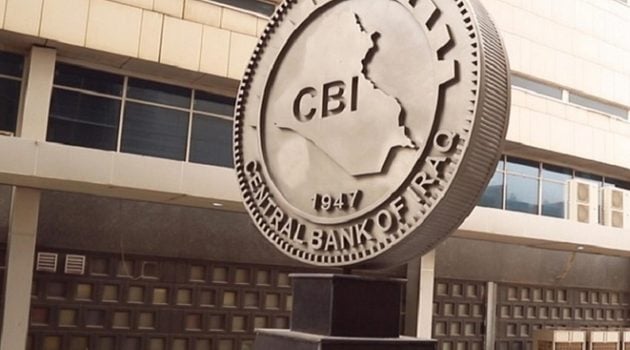
Iraqi Tender Bids
Winning in Iraq is about eliminating risk. By following this step-by-step guide, you demonstrate to the evaluators that you are not just a vendor, but a disciplined partner capable of navigating the complexities of the Iraqi market.
Trading with ASEAN : Opportunities, Regulations, and Market Entry Strategies
Common Mistakes That Kill Iraqi Tender Bids (And How to Avoid Them)
In the world of Iraqi government procurement, the margin for error is nearly zero. While a technical proposal might be brilliant, it can be discarded in seconds due to a single administrative oversight. Understanding these “deal-breakers” is essential for any international or local firm looking to secure high-value contracts.
1. Incomplete Annexes and Missing Attachments
Iraqi tender documents often come with numerous “Annexes” (Appendices) that require specific data, from tax clearance to local partner details.
The Mistake: Bidders often treat annexes as optional or secondary.
The Consequence: Automatic disqualification. The “Tender Opening Committee” checks for the presence of every requested form before even reading your technical solution.
The Fix: Create a Master Compliance Checklist. Assign a second reviewer—someone who did not write the bid—to cross-check every page of the original tender against your submission.
2. Unsigned and Unstamped Documents
In Iraqi administrative culture, a signature alone is often insufficient.
The Mistake: Submitting copies without “Original” stamps or failing to have the authorized signatory sign every single page of the technical and financial offer.
The Consequence: The bid is treated as “non-binding” and legally invalid.
The Fix: Ensure your Authorized Signatory (as defined in your Power of Attorney) signs every page. Use the official company seal on every document. If the tender requires “Legalized” copies, ensure the stamps from the Ministry of Foreign Affairs or the Iraqi Embassy are clearly visible.
3. Overpromising and Unrealistic Timelines
In an effort to win, companies often promise delivery speeds or technical capacities they cannot maintain.
The Mistake: Claiming a 6-month delivery for a project that realistically takes 12 months, or overstating the number of specialized machinery available.
The Consequence: Beyond losing the bid, if you win and fail to deliver, you face Liquidated Damages (LDs) and potential placement on the Ministry of Planning’s Blacklist, which bars you from all future tenders in Iraq.
The Fix: Be aggressively realistic. If a timeline is tight, explain how your mobilization plan (Step 5 of our guide) makes it possible. Authenticity builds more trust with Iraqi evaluators than “perfect” but impossible promises.
4. Ignoring Addendums and Official Clarifications
Iraqi ministries frequently issue “Clarification Bulletins” or “Addendums” during the bidding period.
The Mistake: Relying solely on the initial tender book purchased on Day 1 and ignoring subsequent changes to technical specs or submission dates.
The Consequence: Submitting a bid for an outdated specification. In one notable case, a multimillion-dollar power contract was lost because the bidder ignored a 2-page addendum that changed the required voltage standards.
The Fix: Establish a daily check-in protocol. Contact the “Tender Department” of the relevant ministry or check their official portal every 48 hours until the submission date.
5. Inconsistencies Between Technical and Financial Envelopes
The Mistake: Listing one brand of equipment in the technical proposal but pricing a different (usually cheaper) brand in the Bill of Quantities (BOQ).
The Consequence: This is flagged as a “Technical-Commercial Deviation.” Evaluators may view this as an attempt to deceive or as a lack of internal coordination.
The Fix: Conduct a final “Sync Review.” Ensure that every item code, model number, and quantity in your technical datasheets matches your financial spreadsheet exactly.
6. Using Non-Approved Banks for Bid Bonds
The Mistake: Providing a bank guarantee from an international bank that does not have a correspondent relationship with an approved Iraqi bank.
The Consequence: The Bid Bond is rejected, and the technical envelope is never even opened.
The Fix: Only use banks approved by the Central Bank of Iraq (CBI). Most successful international bidders work through the Trade Bank of Iraq (TBI) or established private banks like the Bank of Baghdad to ensure their guarantees are recognized instantly.
Conclusion: The “Zero-Tolerance” Environment
Winning a government tender in Iraq is a test of discipline as much as it is a test of technical skill. By treating the administrative requirements with the same level of expertise as your engineering or logistics solutions, you position your company as a low-risk, high-reliability partner.
Final Pro-Tip: Always remember the “Three Cs” of Iraqi Tenders: Compliance, Clarity, and Consular Attestation. Master these, and you are already ahead of 80% of the competition.
For related insights on international trade compliance, check these guides:
Take Control of Your Iraqi Government Tender Success Today
Mastering these 7 key technical documents transforms good bids into winners. Iraqi tenders reward preparation, compliance, and proven capability—not just low prices.
I’ve built businesses on secured government contracts by treating technical submissions as the foundation. Get this right, and doors open to stable, high-value work.
Ready to source verified opportunities, connect with reliable partners, and streamline your bids across regions? Sign up on Tendify.net today for free RFQ posting, real-time supplier matches, and secure tools that make winning international deals straightforward. Register now and position your business for growth.