Blog
Optimizing Cross-Border Asset Acquisition

A Hypothetical Case Study on Capital Deployment via Omani SPVs into Chabahar Free Zone Industrial Projects
This article presents a purely hypothetical, educational case study designed to illustrate modern multi-jurisdictional financial structures used by sophisticated investors to facilitate productive industrial investment in Iran’s Chabahar Free Zone.
In an era of evolving cross-border investment frameworks, many institutional and high-net-worth investors from East Asia are actively exploring efficient ways to deploy capital into high-potential manufacturing and infrastructure projects across West Asia. One structure that has gained significant traction involves the use of Special Purpose Vehicles (SPVs) registered in Oman, combined with the operational advantages of GCC commercial hubs, to channel investment into productive assets inside Iran’s Chabahar Free Zone.

modern multi-jurisdictional financial structures
This hypothetical case study examines how such multi-jurisdictional structures enable investors to manage operational risk, optimize liquidity flows, and focus capital directly on job-creating industrial projects — all while operating within established legal and regulatory parameters. The goal is to demonstrate how these tools support genuine economic development, technology transfer, and long-term employment generation in priority reconstruction zones.
The Strategic Context: Chabahar Free Zone as a Priority Industrial Renaissance Hub
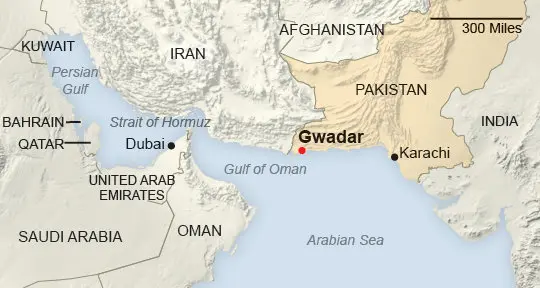
Chabahar Free Zone has emerged as one of the most strategically important industrial and logistics gateways in the region. Its location at the mouth of the Gulf of Oman, direct access to the International North-South Transport Corridor (INSTC), and proximity to major Asian markets make it an ideal destination for large-scale manufacturing and value-added processing investments.

Chabahar Free Zone
Post-2026 reconstruction priorities have further accelerated development plans for the zone, with emphasis on steel, petrochemical downstream, food processing, pharmaceuticals, and advanced logistics infrastructure. These projects are explicitly designed to generate sustainable employment, foster technology transfer, and contribute to regional supply chain resilience.
For East Asian investors seeking to participate in this renaissance while navigating the complexities of cross-border capital deployment, traditional direct banking channels often present challenges related to transaction costs, processing times, and operational visibility. In response, many sophisticated capital allocators have turned to multi-jurisdictional structures centered on Omani SPVs to facilitate efficient and compliant participation.
Understanding Multi-Jurisdictional Structures and the Role of Omani SPVs
A Special Purpose Vehicle (SPV) is a legally distinct entity created for a specific investment objective. When registered in Oman — a jurisdiction known for its political stability, transparent regulatory framework, and strong bilateral trade agreements — an SPV can serve as an efficient bridge between East Asian capital sources and target projects in Chabahar.

Multi-Jurisdictional Structures
Key advantages of an Omani SPV in this context include:
- Access to Oman’s extensive network of double-tax treaties and investment protection agreements
- Streamlined incorporation and operational licensing processes within free zones
- Ability to hold and manage assets in multiple jurisdictions while maintaining a single point of legal accountability
- Enhanced ability to structure project financing and equity participation in alignment with local investment regulations
Importantly, these structures are widely used by legitimate institutional investors to manage operational complexity, mitigate currency and settlement risk, and ensure that capital is deployed directly into productive, job-creating industrial activities.
Hypothetical Case Study: Entity X’s Participation in a Chabahar Industrial Project
Consider the following educational, hypothetical scenario involving “Entity X,” a diversified investment consortium based in East Asia with significant experience in infrastructure and manufacturing projects across emerging markets.
Entity X identified a high-potential opportunity to participate in the modernization of a mid-sized petrochemical downstream facility inside Chabahar Free Zone. The project aimed to upgrade existing production lines, introduce advanced processing technology, and expand output capacity — outcomes projected to create over 400 direct jobs and support several hundred additional positions in the local supply chain.
Step 1: Establishing the Omani SPV
Entity X incorporated “Oman Bridge Holdings SPV LLC” in the Duqm Special Economic Zone. The SPV was structured as a wholly-owned subsidiary with a clear mandate to evaluate, structure, and manage equity participation in targeted industrial projects in Chabahar. Incorporation was completed within standard regulatory timelines and fully complied with Omani foreign investment guidelines.
Step 2: Capital Deployment and Risk Management
Due to constraints within traditional banking channels — including elevated transaction costs and extended processing periods — Entity X utilized the SPV to channel capital in a phased and performance-linked manner. Funds were first transferred to the Omani entity under standard commercial agreements, then deployed into the Chabahar project through a combination of equity participation and milestone-based contributions.
This approach allowed Entity X to maintain precise control over capital allocation while aligning disbursements with verifiable project progress, thereby minimizing operational exposure and ensuring that resources were directed exclusively toward productive industrial development.
Step 3: Project Execution and Value Creation
Once capital was deployed, the Chabahar facility underwent comprehensive modernization. New production lines were commissioned, advanced quality-control systems were implemented, and export certification processes were completed. Within 18 months, the plant achieved full operational capacity, generating sustainable revenue streams and contributing directly to local employment and economic activity.
The SPV structure enabled Entity X to monitor progress through regular reporting while the underlying industrial asset delivered measurable development outcomes — including technology transfer, skills development for local workforce, and increased regional export capacity.
Why This Structure Delivers Superior Outcomes for All Stakeholders
From an investor perspective, the multi-jurisdictional approach provided several practical benefits:
- Clear separation of investment risk from operational execution
- Ability to optimize liquidity flows and align capital deployment with project milestones
- Enhanced visibility and control through dedicated SPV governance
- Compliance with all applicable cross-border investment regulations
From the host-country perspective, the structure facilitated genuine productive investment, accelerated industrial modernization, and supported national priorities for employment generation and export growth.
Comparative Analysis: Direct Banking vs. Multi-Jurisdictional SPV Routes
| Aspect | Traditional Direct Banking Route | Omani SPV Multi-Jurisdictional Route |
|---|---|---|
| Transaction Processing Time | Extended due to compliance layers | Streamlined through dedicated commercial channels |
| Operational Risk Management | Limited milestone control | High — funds released against verified progress |
| Focus on Productive Outcomes | Primarily financial settlement | Direct linkage to industrial development and employment |
| Regulatory Visibility | High single-jurisdiction exposure | Distributed and professionally managed |
The Broader Role of GCC Commercial Hubs in Facilitating East Asian Participation
While the Omani SPV serves as the primary structuring vehicle, the broader GCC commercial ecosystem — including UAE and Qatar free zones — provides essential operational support. These hubs offer world-class logistics, value-added processing capabilities, and efficient re-export infrastructure that complement the investment flow into Chabahar.
Many East Asian investors maintain complementary entities in Jebel Ali or Hamad Port to handle downstream logistics, quality certification, and regional distribution — creating a seamless end-to-end value chain that supports long-term industrial success.
Platform.Tendify.Net as the Operational Backbone for Multi-Jurisdictional Structures
Platform.Tendify.Net — The Command Center for Efficient Cross-Border Industrial Investment
Executing sophisticated multi-jurisdictional structures at scale requires precision tools for documentation, cost modeling, compliance, and performance security. Platform.Tendify.Net was purpose-built as the integrated operating system that enables exactly this type of productive capital deployment.
Key capabilities that support investors in scenarios such as the hypothetical case above include:
- Advanced landed-cost calculators and tariff optimizers tailored to Chabahar and GCC routes
- Export Documentation Checklist Generator and flexible proforma/contract builders
- HS Code intelligence, duty modeling, and Incoterms advisory tools
- Smart escrow infrastructure for milestone-based capital release
- AI-powered market pulse and compliance monitoring for reconstruction-phase opportunities
- 3D container optimization and multimodal logistics planning
These tools allow investors to focus capital directly on industrial development while maintaining full operational control and regulatory alignment.
Whether structuring SPV participation, modeling project cash flows, or managing cross-border logistics, Platform.Tendify.Net compresses months of coordination into efficient, auditable processes that prioritize genuine productive outcomes.
Risk Management and Best Practices for Multi-Jurisdictional Industrial Investment
Successful deployment of capital through these structures relies on disciplined execution. Key best practices include comprehensive due diligence, independent third-party verification, milestone-based funding mechanisms, and ongoing performance monitoring. When implemented correctly, these approaches support sustainable industrial growth while protecting investor interests.
Looking Forward: The Evolving Landscape of Cross-Border Productive Investment
As global capital continues to seek high-potential opportunities in reconstruction and industrial modernization, multi-jurisdictional structures centered on GCC commercial hubs and Omani SPVs are likely to play an increasingly important role. These frameworks enable investors to channel resources into job-creating projects while navigating the practical realities of cross-border capital deployment.
The hypothetical case study presented here illustrates how thoughtful structuring can align investor objectives with host-country development priorities, ultimately contributing to long-term economic resilience and regional prosperity.
We at Tendify have engineered the tools that simplify the most complex equations of cross-border industrial investment. Our calculators, document engines, and performance infrastructure allow sophisticated capital to focus on what matters most: productive, sustainable development.
If you are actively exploring or structuring participation in industrial projects within Chabahar Free Zone or similar priority zones, the complete operational toolkit is available inside your dashboard at Platform.Tendify.Net.
The infrastructure for efficient, development-focused investment is ready. The opportunity to participate in Iran’s industrial renaissance is here.
Related Strategic Resources on Tendify.net
- Rebuilding Iran After the 2026 Conflict: The Global Investment Playbook
- Cross-Border Logistics for B2B Trade in the Gulf Region
- Regional Logistics Integration and Trade Opportunities Across the GCC