Blog
Beyond the Headlines: How Regional Diplomatic Shifts Reshape Global Trade Margins

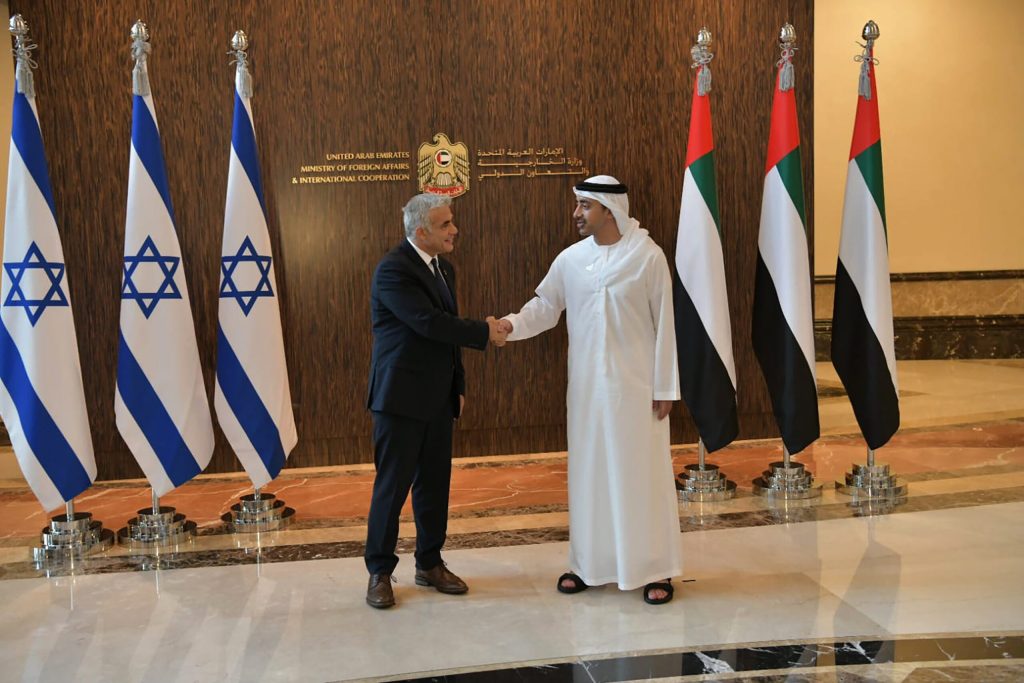
In my years building and scaling export operations across volatile corridors, I’ve learned that the biggest opportunities often emerge from the dust of geopolitical shifts. Just as markets were pricing in prolonged uncertainty around critical energy routes, fresh diplomatic signals—centered on a potential 14-point framework addressing navigation freedoms and sanctions relief—have sent clear ripples through commodities, finance, and supply chains.

Regional Diplomatic Shifts
This isn’t abstract theory. These developments directly influence your next container load, freight rates, and margin calculations. Whether you’re moving bulk commodities, machinery, or consumer goods through Gulf hubs, understanding the “why” behind the market moves equips you to act decisively rather than react.
In this comprehensive guide, I’ll break down the mechanics, actionable strategies, and platform tools that turn these shifts into competitive advantages. By the end, you’ll have a practical playbook for navigating 2026 trade realities.
Analyzing the Economic Consequences of the Iran-US Ceasefire
The Immediate Market Reaction: Why Energy Prices Moved First
The most visible impact hit energy markets hardest and fastest. Critical chokepoints like major Gulf waterways account for roughly one-fifth of global seaborne oil and LNG flows. Even hints of eased tensions and improved navigation security trigger rapid repricing.
Risk Premium Unwinds: A significant portion of recent price elevations stemmed from disruption fears. Diplomatic progress allows that premium to dissipate quickly. Brent and similar benchmarks often see downward pressure as markets anticipate steadier flows. This isn’t just theory—historical patterns around de-escalations show sharp initial adjustments followed by stabilization based on actual volume recovery.
Supply Dynamics Shift: Potential normalization opens additional export capacity from regional producers. This recalibrates OPEC+ balances and provides buyers with more sourcing options, often at more competitive net terms once logistics normalize.
LNG and Related Chains: Reduced maritime risks support steadier operations at major liquefaction hubs, helping moderate Asia and Europe prices that had climbed amid prior constraints.
For traders, this means recalibrating hedging and inventory strategies now. Overpaying for protection that may no longer be needed erodes margins fast.
Broader Financial Markets: From Safe Havens to Risk Appetite
Lower perceived systemic risks extend far beyond energy.
- Equities and Growth Sectors: Reduced energy cost pressures ease input inflation for manufacturers and transporters. This supports corporate earnings and opens the door for central banks to maintain or ease monetary settings, fueling broader indices.
- Safe-Haven Flows Reverse: Gold and traditional havens often see profit-taking as capital rotates toward productive assets. I’ve watched this pattern repeatedly—capital seeks yield when headlines improve.
- Currency and Financing Implications: Stable energy reduces import bills for many economies, supporting currency stability and lowering hedging costs for cross-border deals.
Mitigating Exchange Rate Friction: The Shift to Regional Settlements
Beyond broad market indices, a diplomatic breakthrough fundamentally alters the plumbing of cross-border B2B transactions. The reduction of institutional barriers opens the door for modernized, multi-currency clearing mechanisms that directly protect your bottom line from currency volatility:
- •
Eradicating Exchange Rate Friction: In major bulk B2B trade, traditional double-conversion models (Local Currency ➔ USD ➔ Target Currency) eat away 1.5% to 3% of gross margins. A normalized regulatory environment facilitates direct regional currency pairings, slashing intermediary banking fees and conversion spreads. - •
Localized Clearing Channels: Eased sanctions enable secure banking corridors and specialized clearing networks across GCC and neighboring trade blocs. This structural shift allows enterprise traders to settle multi-million dollar contracts using localized bilateral accounts, completely bypassing high-risk correspondent banking delays. - •
Optimized Liquidity Management: With more fluid clearing houses, treasury departments can scale down expensive forex hedging reserves. Capital can instead be reallocated to active procurement, compounding operational velocity in high-turnover commodity sectors.
Financial Playbook: When drafting proforma invoices on Platform.Tendify.Net, utilize our dynamic multicurrency builders to test localized cross-border settlement options. Eliminating the “USD-conversion tax” is often the fastest way to outbid competitors on tight bulk margins.
These shifts create windows for financing trade deals at better terms. Smart operators lock in now before broader optimism fully prices in.
Hejaz Railway Revival: The $17B Overland Play to Bypass the Strait of Hormuz
Supply Chain and Commodity Ripples: Beyond Oil
The effects cascade into non-energy segments:

Beyond Oil
Petrochemicals and Fertilizers: Major Gulf production centers benefit from smoother shipping. This eases prior cost spikes in agricultural inputs (up 30-40% in tight periods), supporting food security chains globally.
Specialty Inputs: Items like industrial gases critical for semiconductors and advanced manufacturing regain reliable routing, reducing bottleneck premiums.
General Freight and Logistics: Multimodal costs (sea, land, air) adjust as insurance and routing premiums decline. Expect faster normalization in port throughput at key hubs like Jebel Ali or regional alternatives.
Arbitrage and Re-Export Opportunities: Smoother corridors enhance viability of hub-and-spoke models common in the GCC, opening plays for value-added trade.
The Bulk Commodities Matrix: Cement, Wheat, and Base Oils
While energy and petrochemical derivatives capture the immediate headlines, the structural shifts in high-volume bulk commodities represent the true test of a trader’s agility. A diplomatic thaw completely reshapes the margin economics for heavy tonnage goods moving through regional corridors:
- •Freight & Landed Costs Decoupling: For low-margin, high-volume products like cement and clinker, ocean freight often dictates market viability. Normalized transit routes and lower maritime insurance premiums directly translate into enhanced dollar-per-ton margins.
- •Food Security & Agricultural Flows: Strategic staples, particularly wheat and grain sub-products, benefit from stabilized logistics corridors. This ensures more predictable bulk charting, minimizing the demurrage risks that traditionally plague agricultural trade in volatile zones.
- •Industrial Lubricants & Base Oils: The regional supply chain for base oils—essential for global automotive and industrial blending—regains unrestricted cross-border flow. This fluid distribution structure eliminates supply gaps and stabilizes price indexing for downstream buyers.
Operational Takeaway: When high-tonnage corridors open up, a minor 5% reduction in freight friction can yield a 20%+ expansion in net export margins for bulk operators.
🌐
The Intercontinental Bridge: Expanding Frontiers from GCC to Global Blocs
The structural value of a regional de-escalation extends far beyond the immediate GCC perimeter. By transforming Middle Eastern logistics hubs into friction-free transit zones, the entire cost architecture of intercontinental trade undergoes a massive realignment, creating a fast-track bridge to major global economic blocs:
- •
The MENA & ECO Connectivity: Streamlining maritime and land routing instantly fortifies the trade lanes stretching across North Africa and the Economic Cooperation Organization (ECO) space. Lower transit friction allows bulk and containerized cargo to move fluidly between Central Asia, Turkey, and the Mediterranean. - •
ASEAN & East Asian Integration: As the critical maritime corridors stabilize, the vital energy and commodity routes feeding the high-growth ASEAN markets become drastically more reliable. This eliminates premium buffering in freight rates and builds tighter, predictable supply chains for South-East Asian manufacturing networks. - •
South-South Trade Vectors (MERCOSUR & COMESA): A normalized Middle Eastern hub acts as a cheaper transshipment nexus for evolving South-South trade. Heavy industries and agricultural syndicates exporting from Latin America (MERCOSUR) to East Africa (COMESA) can leverage optimized multimodal networks, unlocking arbitrage opportunities that were previously cost-prohibitive.
Strategic Takeaway: Forward-thinking operators must look beyond local supply chains; a stabilized Middle East effectively serves as a low-cost, high-velocity distribution engine connecting Europe, Asia, and Africa.

The 14-Point Framework Effect
Strategic Playbook: Positioning Your Operations for 2026 Success
Don’t just watch the news—build resilience and capture upside. Here’s how, drawn from real operational experience:
1. Reassess Procurement and Hedging Immediately
- Monitor Forward Curves: Use tariff and cost calculators to model scenarios. Update landed costs assuming normalized routing.
- Diversify Sourcing: Balance reliance across suppliers while watching for new competitive entries from stabilized producers.
- Hedging Smarter: Scale back excessive coverage on routes as risks recede, but maintain layered protection for execution gaps.
2. Optimize Logistics and Documentation
- Route Planning: Evaluate alternatives like overland or rail options that gained traction during disruptions. Tools for container optimization and 3D loading help maximize every voyage.
- Compliance Edge: With potential regulatory easing, double-check updated checklists for export documentation, HS codes, and incoterms. Small errors still cost thousands.
- Cost Savings Levers: Negotiate demurrage/detention clauses aggressively; use market explorers to benchmark freight.
3. Capitalize on Market Access Windows
- Exhibition and Networking Calendars: 2026 events in UAE, Saudi, Qatar, and beyond become prime venues for new partnerships as confidence returns.
- B2B Platforms: Direct connections reduce intermediary friction. Verify counterparties and use secure escrow-like mechanisms for initial deals.
4. Risk Management Beyond Headlines
- Scenario Planning: Model both optimistic normalization and partial implementation outcomes.
- Contract Clauses: Prioritize force majeure, pricing reviews, and payment security in new agreements.
- Sustainability Angle: Improved stability supports longer-term ESG compliance plays that buyers increasingly demand.
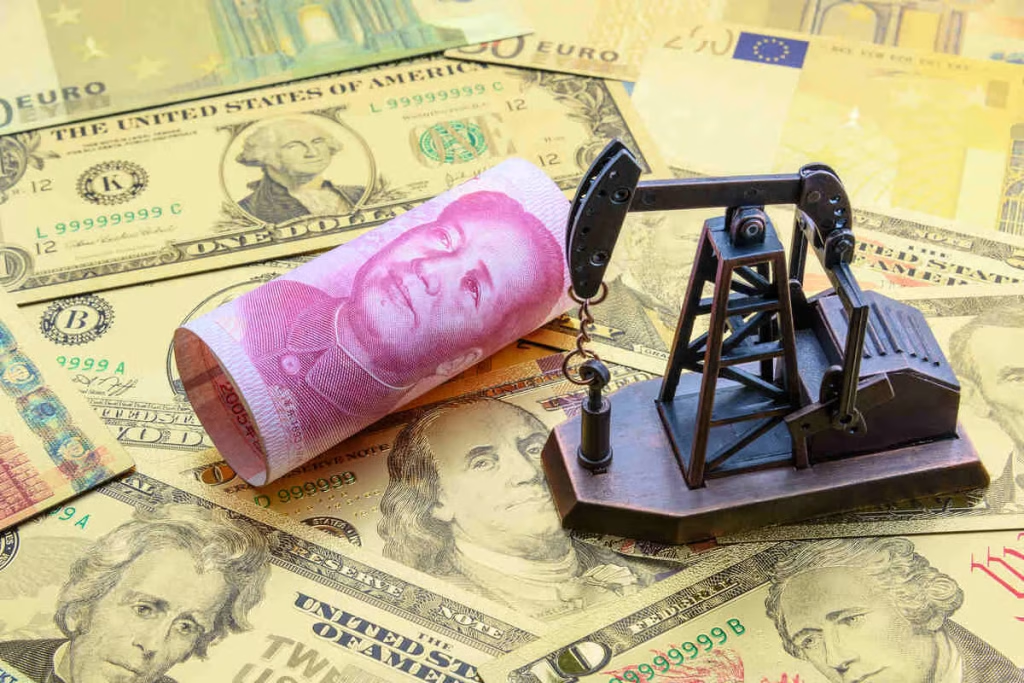
Petrodollar vs Petroyuan: Currency War Reshaping Global Trade
Real-World Case Studies: Lessons from Past Thaws
I’ve seen similar dynamics play out across global corridors during previous geopolitical de-escalations. In international trade, the window between early diplomatic signals and full policy implementation is where the highest margins are either captured or lost. Operators who move quickly to adjust routing, liquidity, and inventory allocations historically capture 15-25% better net margins compared to those who adopt a conservative, “wait-and-see” posture.
Case Study 1: The Multimodal Shift in Heavy Construction Materials
During a notable period of reduced regional friction in the late 2010s, a major regional distributor of clinker and downstream construction materials faced severe margin compression due to soaring maritime war-risk insurance premiums in the Gulf. While most competitors waited for formal, signed treaties to renegotiate their ocean freight contracts, one forward-thinking trading house acted on early bilateral de-escalation headlines.
They immediately pivoted from premium, insurance-heavy deep-sea lanes to an optimized, pre-mapped multimodal framework. By utilizing a hybrid overland-rail route to a stabilized secondary port hub outside the immediate choke zone, they accomplished three things:
Immediate Cost Reductions: They completely bypassed the 200-300% war-risk insurance surcharges.
Velocity of Execution: They reduced their port-to-port turnaround time by 6 days, avoiding the severe port congestion that later occurred when standard sea lanes suddenly flooded with backed-up cargo.
Market Share Capture: The resulting savings allowed them to aggressively underbid competitors in East African and South Asian destination markets, turning what was projected to be a loss-making quarter into a 22% expansion in regional market share.
Case Study 2: The Cost of Inertia in Agricultural Bulk Aggregates
Conversely, the penalty for ignoring early diplomatic signals is immediate and structural. During the same historical thaw, several institutional grain and wheat trading syndicates chose to maintain static, high-cost hedging positions and premium-heavy maritime freight arrangements until “official confirmation” was broadcast by mainstream media.
By the time they decided to adjust their procurement contracts, the market had already moved. Early movers had already secured the available low-cost vessel charters and locked in optimal multi-currency clearing terms with regional banks. As a result:
The late-moving syndicates faced compressed spreads because a wave of stabilized, low-cost supply from competitors flooded the newly opened corridors.
They were trapped in expensive, inflexible legacy hedging contracts that overpaid for geopolitical protection no longer required by the actual market reality.
The 2026 Takeaway
The lesson from these historical thaws is clear: volatility is asymmetric, but so is normalization. When a trade corridor stabilizes, the return to baseline costs happens rapidly. If your operational playbook remains static during the initial 48 to 72 hours of a diplomatic shift, you are effectively subsidizing your competitors’ agility. Securing early-mover advantages requires integrated, real-time data tools that allow you to simulate landed costs and re-route capital before the rest of the market reacts.
⚡
The Core Engine: Navigating Geopolitical Fluctuations with AI
In highly volatile corridors, static data leads to compressed margins. Platform.Tendify.Net deploys proprietary AI engines specifically trained on cross-border trade flows, shifting logistics parameters, and international trade agreements to convert market turbulence into structured data:
- •
Predictive Bulk Price Indexing: Our neural networks ingest multi-layered variables—ranging from real-time maritime insurance adjustments to localized production capacities. For high-volume commodities like cement, base oils, and wheat, the platform generates forward-looking price estimates, helping you execute bulk purchasing contracts before market trends are fully priced in. - •
Intelligent B2B Matchmaking in Turbulent Markets: When diplomatic thaws disrupt existing supply agreements, speed is everything. Tendify’s semantic matchmaking algorithm bypasses standard directory lookups. It maps buyers and suppliers based on active verification statuses, actual operational capacities, regional regulatory compliance, and historical logistics reliability, creating friction-free partnerships in hours instead of weeks. - •
Automated Compliance & Risk Safeguards: The AI constantly cross-references fluid global regulatory environments, screening entities and automatically aligning documentation requirements (HS codes, custom declarations, and regional incoterms) to eliminate compliance-induced delays at major re-export hubs.
AI Advantage: By moving from reactive spreadsheets to predictive, AI-driven trade orchestration, operators inside the Tendify ecosystem report up to a 35% reduction in deal-cycle friction and significantly safer margin hedging.
Common Pitfalls to Avoid
Navigating a major geopolitical transition requires tactical precision. When major corridors begin to thaw, many trading desks fall into predictable traps driven by herd mentality or fragmented operations. To safeguard your capital and ensure sustained growth in 2026, keep your teams strictly aligned against these four systemic pitfalls:
1. Over-Optimism on Diplomatic Timelines
A signed 14-point diplomatic framework or an official memorandum of understanding is a major signal, but it is not an immediate operational switch. Many traders make the fatal mistake of front-loading high-volume, long-term purchase commitments based purely on breakthrough headlines.
The Reality: Sanctions unwinding, structural banking re-connections, and the physical removal of maritime restrictions involve complex regulatory bureaucracy and multi-phased compliance audits.
The Strategy: Phase your commitments. Use layered contracts with flexible volume triggers. Never risk 100% of your capital on the assumption that a political timeline will execute without friction or delays.
2. Tunnel Vision and Ignoring Secondary Effects
It is easy to fixate on headline numbers like a sudden drop in Brent crude or a dip in spot ocean freight rates. However, focusing solely on these primary indicators means overlooking the secondary economic waves that can completely erode your margins.
The Currency Trap: A diplomatic thaw can trigger massive, unpredictable local currency swings. If you haven’t hedged your regional exchange rates, a sudden 10% currency appreciation or depreciation can instantly erase the savings you gained from lower freight costs.
The Shift in Competition: When a corridor normalizes, you are not the only one gaining access. New, aggressive regional players will enter the market with low-cost bulk inventory, completely altering downstream demand and pricing dynamics in target markets like MENA or ASEAN. You must model the macro landscape, not just your immediate purchase price.
3. Operating with Static Playbooks
What kept your business alive during high-risk, high-volatility periods will become a heavy financial anchor in a normalized, high-velocity trade environment. Many companies suffer from operational inertia, continuing to use premium-heavy logistics models or outdated procurement channels simply because “that’s how we did it last year.”
The Risk: In a stabilized corridor, market efficiency increases and spreads compress. If your Standard Operating Procedures (SOPs) are not agile, your overhead will remain artificially high while your competitors trim the fat.
The Strategy: Treat your operational playbook as a living document. Update internal logistics, compliance, and counterparty checklists at least quarterly to match the fluid realities of 2026 trade corridors.
4. Tolerating Fragmented Data and Internal Silos
In fluid market conditions, misalignment between internal departments costs thousands of dollars per hour. If your procurement team locks in a bulk cargo order based on a favorable price index, but your logistics team is unaware of a sudden capacity crunch at the target re-export hub, or your finance desk is experiencing transaction delays due to outdated clearing compliance, the deal falls apart.
The Solution: Eliminate data silos immediately. Managing global trade via disjointed spreadsheets, scattered emails, and reactive phone calls is a recipe for margin compression. Your team needs integrated, real-time visibility across procurement curves, multimodal logistics tracking, and cross-border financial clearing under a single command center interface. Speed of internal data flow dictates your external execution success.
Long-Term Outlook: Building Enduring Resilience
These diplomatic signals highlight a broader truth: global trade corridors are resilient but require proactive navigation. The winners in 2026 and beyond will be those who treat volatility as data, not destiny—leveraging technology, diversified networks, and deep market insight.
Expect continued evolution in re-export models, digital logistics, and sustainable supply chains. Positions secured now, with the right partners and tools, compound significantly.
The current environment favors decisive, informed action. Review your exposure, model scenarios using available calculators, and connect with active networks.
Ready to turn insight into execution? Head to Platform.Tendify.Net today, explore the command center tools, and position your operations ahead of the curve. Secure your spot in the evolving trade landscape—your next high-margin deal may depend on it.