وبلاگ
Why ASTM Type V Cement is Mandatory for GCC Coastal & Marine Projects
راهنمای فنی جامع
من دههها در زنجیره تأمین مصالح ساختمانی، تأمین سیمان و مصالح سنگی برای پروژههای عظیم زیرساختی در محیطهای سخت را گذراندهام. هیچ چیز سریعتر از تماشای ترک خوردن یک فونداسیون کاملاً ریختهشده در زیر خاک تهاجمی یا قرار گرفتن در معرض آب دریا به شما درس نمیدهد. در مناطق ساحلی منطقه شورای همکاری خلیج فارس (GCC) - به بنادر، پلها، کارخانههای نمکزدایی و سازههای دریایی فکر کنید - ترکیب کلریدهای زیاد از آب دریا و سولفاتهای از آبهای زیرزمینی یا خاکهای سبخا یکی از طاقتفرساترین شرایط را برای دوام بتن ایجاد میکند.

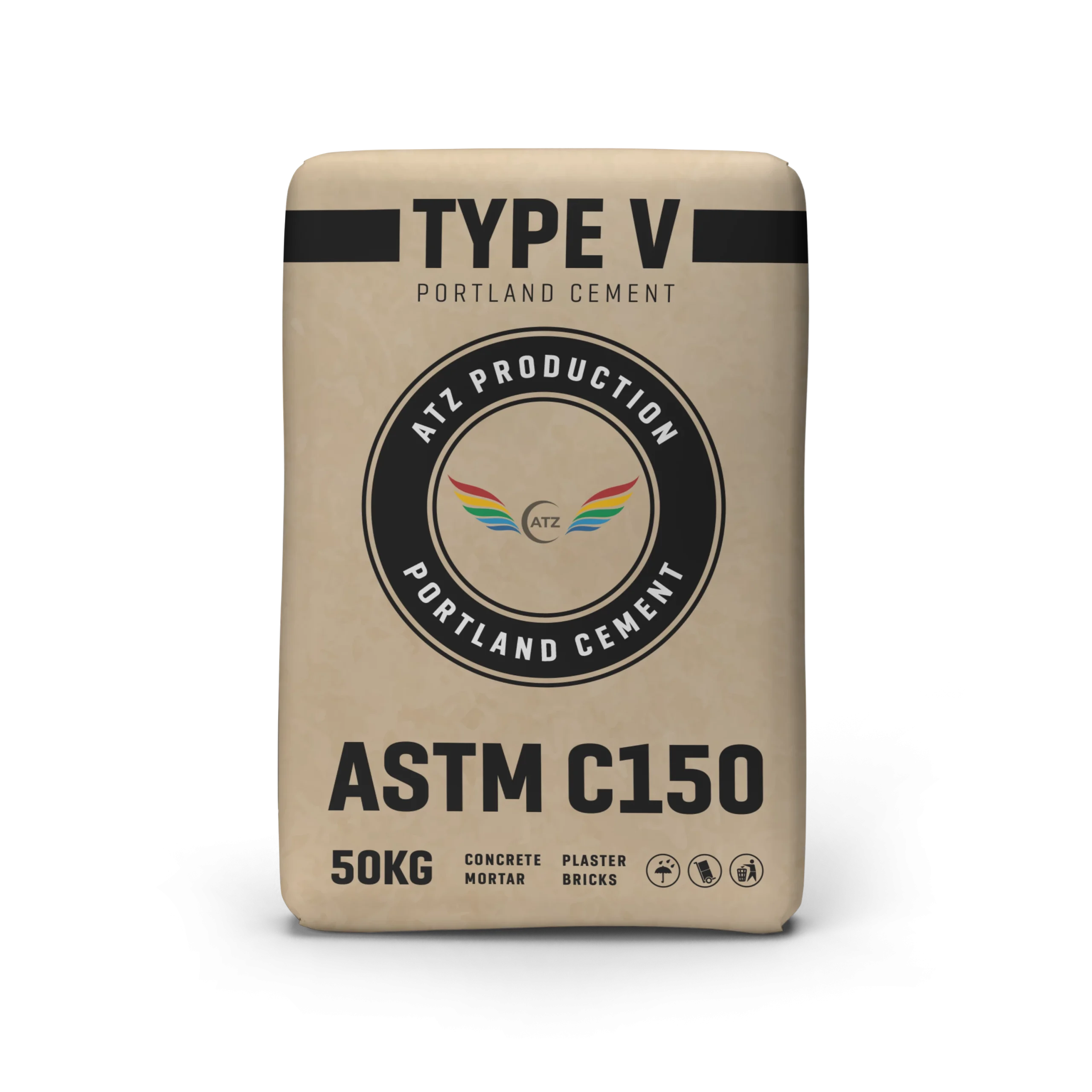
سیمان نوع V ASTM
حقیقت تلخ چیست؟ سیمانهای استاندارد اغلب در اینجا زود خراب میشوند و منجر به تعمیرات پرهزینه یا کاهش طول عمر مفید میشوند. به همین دلیل است سیمان نوع V از نظر ASTM, با مقاومت بالای سولفاتی خود، نه تنها توصیه میشود، بلکه برای عملکرد طولانی مدت ضروری است. این راهنما به طور عمیق به پروتکلهای آزمایش، مکانیسمهای تخریب و استراتژیهای عملی میپردازد تا اطمینان حاصل شود که بتن شما در برابر این تهدیدات دوگانه مقاومت میکند.
Technical Comparison: Type I vs. Type V Cement
Understanding the chemical threshold is critical for procurement managers in the GCC.
| مرکب | ASTM Type I (General) | ASTM Type V (High Sulfate) |
|---|---|---|
| تری کلسیم آلومینات (C3A) | 8% – 15% | Max 5% |
| مقاومت در برابر سولفات | کم | Severe Exposure Ready |
درک تهدیدات دوگانه: نفوذ کلرید و حمله سولفات در محیطهای دریایی
Coastal infrastructure in the GCC region operates under some of the most aggressive environmental conditions on Earth. The Persian Gulf is characterized by high salinity—averaging 40,000 to 50,000 ppm Total Dissolved Solids (TDS)—and extreme evaporation rates. Projects are exposed to a relentless combination of 19,000+ ppm chlorides و 2,700 ppm sulfates in seawater. Furthermore, groundwater in the notorious Sabkha areas (salt-crusted flats) can harbor sulfate concentrations exceeding 10,000 ppm, creating a subterranean environment that can rapidly compromise concrete foundations.
1. Chloride-Induced Degradation: The Catalyst for Corrosion
Chlorides act as a primary catalyst for the electrochemical decay of reinforced concrete. Unlike other pollutants, they do not directly attack the concrete matrix but target the steel reinforcement embedded within.
Mechanisms of Penetration: Chlorides migrate through the concrete via ionic diffusion and capillary suction. In the GCC, the “Splash Zone” is particularly vulnerable due to frequent wet-dry cycling, which forces salt-laden water deep into the concrete pores.
The Depassivation Threshold: Once chloride ions reach the rebar level and exceed a critical concentration, they destroy the protective oxide film (the passive layer). This triggers Pitting Corrosion, a localized and severe form of decay.
Structural Impact: As corrosion progresses, the resulting iron oxide (rust) occupies 6 to 7 times the original volume of the steel. This volumetric expansion generates immense internal tensile stress, leading to longitudinal cracking, spalling of the concrete cover, and an eventual loss of structural load-bearing capacity.
2. Sulfate Attack: Chemical Decomposition of the Concrete Matrix
While chlorides target the steel, sulfate attack is a direct chemical assault on the cement paste itself, leading to the disintegration of the concrete’s binder.
Ettringite Formation: Sulfates react with hydration products, specifically تری کلسیم آلومینات (C3A), to form secondary ettringite. This mineral grows as needle-like crystals that exert internal pressure, causing expansive cracking throughout the matrix.
Gypsum Formation: The reaction between sulfates and calcium hydroxide leads to the formation of gypsum, which causes the concrete to soften, lose its alkalinity, and eventually lose its cohesive strength.
Physical Salt Crystallization: In high-evaporation zones, sodium sulfates undergo thenardite-to-mirabilite phase changes. These crystallization cycles add significant mechanical stress to the concrete’s pore structure, accelerating surface scaling.
The “Synergy of Destruction”
In the combined chloride-sulfate environments of the Persian Gulf, these two threats do not act in isolation. Studies and field observations indicate that sulfate-induced micro-cracking significantly increases the Chloride Diffusion Coefficient—often by 2 to 5 times. This synergy means that a failure to resist sulfates inevitably accelerates rebar corrosion. Therefore, utilizing a specialized binder like سیمان نوع V ASTM is not merely an option; it is the first line of defense for ensuring the 50-to-100-year design life of maritime assets.
The Poland Corridor: A Strategic Guide to Import-Export Opportunities
چرا سیمان نوع V طبق استاندارد ASTM در مقاومت بالا در برابر سولفاتها برتری دارد؟
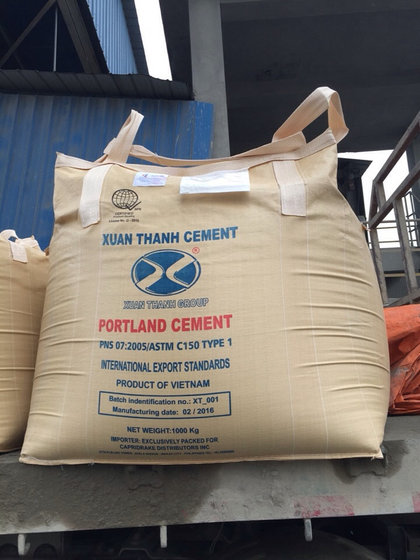
استاندارد ASTM C150 سیمان نوع V را به طور خاص برای مواجهه شدید با سولفات تعریف میکند و تری کلسیم آلومینات (C3A) را به حداکثر 5% محدود میکند (در مقایسه با حداکثر 15% در سیمان نوع I/II).
سیمان ASTM
الزامات شیمیایی کلیدی برای نوع V (طبق ASTM C150)
| مرکب | حداکثر حد مجاز (%) | دلیل |
|---|---|---|
| تری کلسیم آلومینات (C3A) | 5 | تشکیل اترینگایت را به حداقل میرساند |
| مجموع C4AF + 2(C3A) | 20 | کنترلهای بیشتر آلومیناتهای واکنشپذیر |
| تری کلسیم سیلیکات (C3S) | محدودیت خاصی ندارد، اما برای قدرت متعادل است | دوام بدون گرمای اضافی را تضمین میکند |
در مقابل:
- نوع دوم (مقاومت متوسط): C3A ≤8%، مناسب برای مواجهههای خفیفتر.
- نوع اول: بدون محدودیت سولفات، در خاکهای با سولفات بالا آسیبپذیر است.
دادههای دنیای واقعی از پروژههای ساحلی این موضوع را تأیید میکند: سازههایی که از نوع V در مناطق دریایی با سولفات بالا استفاده میکنند، در هر مطالعه موردی در محیطهای مشابه، 50 تا 100 درصد عمر مفید بیشتری قبل از زوال قابل توجه نشان میدهند.
روشهای ضروری آزمایش برای مقاومت در برابر کلرید و سولفات
آزمایش مناسب اختیاری نیست - این بیمه شما در برابر شکست است. در اینجا نحوه اعتبارسنجی عملکرد بتن آورده شده است.
آزمایش مقاومت در برابر سولفات
ASTM C1012: تغییر طول ملاتهای سیمان هیدرولیکی در معرض محلول سولفات
- رویه:
- میلگردهای ملات ریختهگری شده (۲۵x۲۵x۲۸۵ میلیمتر).
- به مدت ۲۸ روز عمل آوری کنید تا به مقاومت ۲۰ مگاپاسکال برسید.
- در محلول سولفات سدیم 5% (که به صورت دورهای تمدید میشود) غوطهور کنید.
- تغییر طول را در طول ۱۲ تا ۱۸ ماه اندازهگیری کنید.
- معیارهای پذیرش برای مقاومت بالا: <0.0401 انبساط TP3T در 6 ماهگی.
- چرا قابل اعتمادشبیهسازی مواجهه طولانیمدت؛ همبستگی خوبی با عملکرد میدانی دارد.
جایگزین: ASTM C452 (فقط برای سیمانهای پرتلند خالص) برای تسریع در نتایج، سولفات را با ملات مخلوط میکند.
آزمایش مقاومت در برابر نفوذ کلرید
ASTM C1202: آزمایش نفوذپذیری سریع کلرید (RCPT)
- رویه:
- برشهای به ضخامت ۵۰ میلیمتر را از استوانههای ۱۰۰ میلیمتری مغزهگیری کنید.
- ولتاژ ۶۰ ولت DC را روی نمونه اعمال کنید (یک طرف NaCl 3% و طرف دیگر NaOH 0.3N).
- بار عبوری (برحسب کولن) را در طول ۶ ساعت اندازهگیری کنید.
- رتبهبندیهای کیفی:
| بار عبوری (کولن) | نفوذپذیری یون کلرید | معمول برای مخلوطهای نوع V |
|---|---|---|
| >۴۰۰۰ | بالا | کمیاب با طراحی میکس خوب |
| 2,000-4,000 | متوسط | خط پایه مشترک |
| 1,000-2,000 | کم | قابل دستیابی |
| 100-1,000 | خیلی کم | با SCM ها |
| <100 | ناچیز | مخلوطهای بادوام ممتاز |
- بینشکولنهای پایین نشاندهندهی ریزساختار متراکم و کاهش نفوذ هستند.
سایر آزمونهای کلیدی
- ASTM C1556: ضریب انتشار ظاهری کلرید (انتشار حجمی در نمونههای اشباع).
- ASTM C1543: مهاجرت غیرپایدار برای ضرایب انتشار.
برای حملات ترکیبی، آزمایشهای غوطهوری سفارشی (مثلاً محلولهای متناوب کلرید/سولفات) برهمکنشها را آشکار میکنند.
Trading with ASEAN : Opportunities, Regulations, and Market Entry Strategies
استراتژیهای عملی برای بهینهسازی دوام در پروژههای ساحلی کشورهای عضو شورای همکاری خلیج فارس
While سیمان نوع V از نظر ASTM serves as the critical foundation for sulfate resistance, achieving a 50+ year service life in the Persian Gulf’s hyper-saline environment requires a multi-layered durability strategy. Implementation must go beyond basic compliance to incorporate advanced mix design and rigorous site protocols.
1. High-Performance Mix Design Best Practices
A robust concrete matrix is the second line of defense after selecting the correct cement type. To minimize permeability and enhance chemical resistance, the following parameters are recommended:
Ultra-Low Water-Cementitious (w/cm) Ratio: Maintain a ratio of ≤ ۰.۴۰. Reducing free water is the most effective way to create a dense, impermeable paste that slows the ingress of both chlorides and sulfates.
Synergistic Use of SCMs: Incorporate Supplementary Cementitious Materials (SCMs) such as Ground Granulated Blast Furnace Slag (GGBS) or Fly Ash (typically 20-30% replacement). These materials refine the pore structure and chemically bind aluminates, providing a secondary defense against ettringite formation.
Compressive Strength Targets: Specify a minimum 28-day characteristic strength of ≥ 40 MPa. High-strength mixes inherently offer better resistance to the internal stresses generated by salt crystallization and rebar expansion.
Advanced Chemical Admixtures: Utilize high-range water reducers (polycarboxylates) to maintain workability at low w/cm ratios, ensuring full compaction without the risk of honeycombing.
2. Strategic Implementation Roadmap
For large-scale maritime assets, durability must be managed through a systematic step-by-step process:
Rigorous Exposure Assessment: Classify the environment according to ACI 318 standards. Locations facing “Severe” sulfate exposure (Category S3) must mandate Type V cement as a non-negotiable requirement.
Verified Procurement: Source ASTM Type V cement exclusively from suppliers who can provide consistent Mill Test Certificates (MTC) confirming a Tricalcium Aluminate (C3A) content below the 5% threshold.
Performance-Based Testing: Before full-scale casting, qualify trial batches using specialized durability tests:
ASTM C1012: To evaluate the expansion of mortar bars immersed in sulfate solutions.
ASTM C1202 (RCPT): To measure the Rapid Chloride Permeability, ensuring the mix meets “Low” or “Very Low” penetration ratings.
Stringent Curing Protocols: Implement a minimum of 14 days of moist curing. In the arid GCC climate, premature drying stops the hydration process, leading to surface micro-cracking that acts as a highway for salt ingress.
Long-Term Lifecycle Monitoring: Establish an “In-Service” monitoring program. Periodic core sampling and chloride profiling allow asset managers to predict the time-to-corrosion and schedule preventive maintenance before structural damage occurs.
مقایسه انواع سیمان در مواجهه شدید
| نوع سیمان | حداکثر C3A (%) | مناسب بودن برای مواجهه با سولفات | مقاومت در برابر کلرید (کولنهای RCPT معمولی) | برای ساحل GCC توصیه میشود؟ |
|---|---|---|---|---|
| نوع اول | بدون محدودیت | کم | 3,000-5,000 | خیر |
| نوع دوم | 8 | متوسط | 2,000-4,000 | حاشیهای |
| نوع پنجم | 5 | بالا | ۱۵۰۰-۳۰۰۰ (با SCM ها بهبود مییابد) | بله |
Field Experience: The “Sabkha” Challenge
In my years overseeing logistics for maritime projects in Jebel Ali و ابوظبی,
I’ve seen engineers overlook the Sabkha soil (salt-crusted flats). Type V cement isn’t just for seawater;
it’s a shield against the aggressive groundwater sulfates prevalent in the GCC’s coastal plains.
- Logistics Tip: Always verify the mill test certificates (MTC) for C3A content below 5% before unloading at the site.
- Thermal Tip: Type V has a slower heat of hydration—perfect for the 45°C+ temperatures of the Persian Gulf.
Frequently Asked Questions
بینشهای موردی از محیطهای خشن
در مناطقی با خاکهای شور مشابه و مواجهه با دریا، پروژههایی که به نوع V + SCMs روی آوردند، هزینههای نگهداری را در طول 20 سال 40-60% کاهش دادند. شکستهای اولیه اغلب به استفاده از نوع II برمیگردد که در آن سولفاتها از 5000 ppm فراتر رفتند - پوششهای ترک خورده ناشی از انبساط، خوردگی کلرید را تسریع میکنند.
“دلیل” این موضوع به شیمی برمیگردد: فازهای واکنشپذیر کمتر به معنای محصولات با انبساط کمتر و حفظ یکپارچگی بیشتر است.
برای بررسی عمیقتر لجستیک تجاری یا استراتژیهای تأمینکنندگان در منطقه، این راهنماهای مرتبط را در Tendify.net بررسی کنید:
- لجستیک داخلی در امارات متحده عربی: تسلط بر شبکههای جادهای بین اماراتی، انقلاب راهآهن اتحاد و ظهور مشارکتهای هوشمند 3PL
- راهنمای عملی نهایی برای صادرات مجدد کالا از دبی: فرآیندها، مزایا و فرصتهای بازار
- راهنمای کامل تسلط بر واردات امارات متحده عربی برای سالهای 2026-2027
- کارتل جهانی سیمان ۲۰۲۶: افشای هفت غول کنترلکننده تجارت جهانی و تاکتیکهای آنها برای بیرون راندن صادرکنندگان مستقل
- قیمتگذاری، شرایط پرداخت و بندهای قرارداد که سود $28 میلیون دلاری را در معاملات سیمان 2024-2026 تضمین کرد
این موارد، تأمین مواد اولیه با کیفیت بالا را به طور مؤثر پوشش میدهند.
آمادهاید تا سیمان بادوام تهیه کنید یا برای پروژه ساحلی بعدی خود در شورای همکاری خلیج فارس با تامینکنندگان معتبر ارتباط برقرار کنید؟ به Tendify.net بپیوندید امروز - پلتفرم B2B ما، خریداران و فروشندگان را برای مصالح ساختمانی، با تراکنشهای امن و قیمتگذاری لحظهای، مستقیماً به هم متصل میکند. همین حالا ثبتنام کنید و طول عمر پروژه خود را افزایش دهید.