وبلاگ
Why Your Chemicals Get Stuck at Umm Qasr – 10 Deadly Document Mistakes (2026)
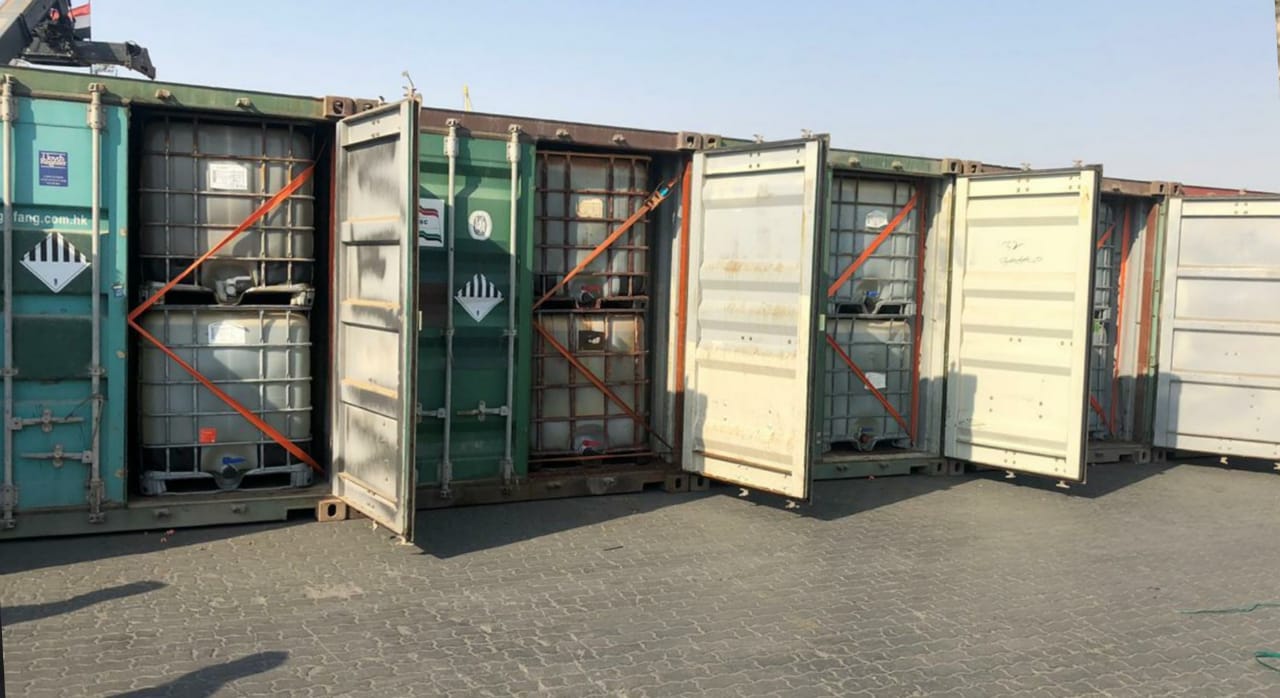
In my 20-plus years moving goods across the Middle East, nothing frustrates me more than watching a perfectly good chemical shipment sit idle at Umm Qasr. One delayed container can cost you $2,000–$5,000 in demurrage and detention before you even start negotiating with customs. Multiply that by a few containers, and you’re looking at real money disappearing while your buyer waits and your reputation takes a hit.
Chemicals Get Stuck at Umm Qasr
The reality in 2026 is clear: Iraqi authorities, especially at Umm Qasr (the country’s main deep-water gateway), have tightened scrutiny on chemical and hazardous materials. Recent high-profile seizures of dozens of containers show they are serious about safety, revenue collection, and regulatory compliance. Most stops aren’t due to bad luck or politics—they come down to paperwork.
Here’s the good news: 80–90% of these holds are completely preventable. After helping hundreds of traders clear this port smoothly, I’ve distilled the exact 10 document mistakes that cause the majority of headaches. Fix these, and your containers will move from vessel to truck in days instead of weeks.
The Real Price of Getting It Wrong at Umm Qasr
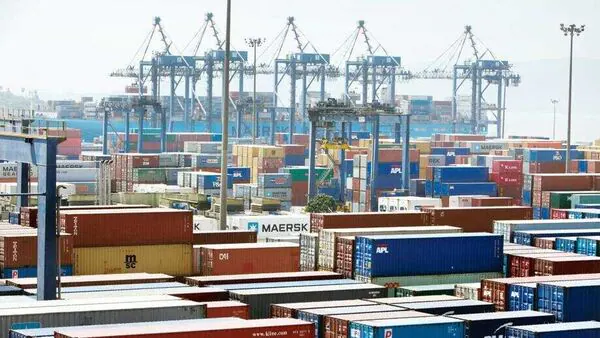
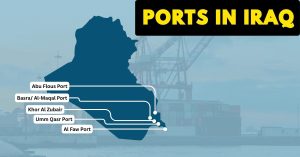
Umm Qasr handles the bulk of containerised imports into Iraq. When your shipment gets flagged:
- Demurrage and detention kick in fast—often $25–$50 per day per TEU after the free period.
- Storage fees pile up in the port yard.
- Your buyer gets impatient and may cancel or renegotiate.
- In the worst cases (missing permits for hazardous goods), the entire container can be seized or returned at your expense.
New 2026 customs rules have made things stricter: fixed container fees are gone, duties are now calculated item-by-item using HS codes, and manifests must be perfect on arrival—no amendments allowed once the vessel berths.
Chemicals sit in a high-risk category. They require extra layers of documentation for safety, environmental protection, and quality control. Get even one piece wrong, and the system flags you.
Exhibition ROI · smart calculator (USD/AED)
The 10 Deadly Document Mistakes (And Exactly How to Avoid Them)
1. Incorrect or Incomplete HS Code Classification
This is the number one killer in 2026.
Why it happens: Many exporters still use 4-digit or generic codes. Iraqi customs now demands full 6-digit HS codes on every bill of lading and manifest. A wrong code triggers automatic review, wrong duty calculation, and often a physical inspection.
Real cost: A container I saw last year sat for 18 days because the chemical was classified under a general “industrial preparations” code instead of its specific UN-harmonised hazardous category.
How to fix it:
- Always verify the exact 6-digit code using a reliable classification tool.
- Cross-check against the latest Iraqi tariff book.
- Include the code on the commercial invoice, packing list, and bill of lading.
نکته حرفهای: Build this into your standard operating procedure—never ship without triple confirmation.
2. Vague or Mismatched Cargo Description
“Chemicals” or “industrial materials” on the bill of lading is a red flag.
Why it stops you: Iraqi regulations require the exact commodity name on all documents. Generic descriptions are rejected outright.
How to fix it:
- Use the precise technical name (e.g., “Sodium Hydroxide 99% Flakes – UN1823, Class 8”).
- Ensure the description matches 100% across the commercial invoice, bill of lading, packing list, and MSDS.
3. Missing or Deficient Material Safety Data Sheet (MSDS/SDS)
For any chemical shipment, this is non-negotiable.
چرا مهم است؟: Customs and port safety teams need to know exactly what they’re handling—hazards, handling procedures, emergency response.
Common errors:
- Outdated version
- Missing UN number, hazard class, or emergency contact
- No Arabic translation (increasingly requested)
راه حل عملی: Generate a fresh, compliant SDS from the manufacturer and have it translated and notarised where required. Attach it to every set of documents.
4. Absence of a Proper Dangerous Goods Declaration (DGD)
If your product falls under any of the 9 UN hazard classes, you must submit a DGD.
What goes wrong: Exporters assume the freight forwarder will handle it, or they submit a generic form without the 24-hour emergency number or proper packaging certificate.
Fix: Use the standard IMO format. Include shipper and consignee details, proper shipping name, UN number, packing group, and flashpoint if applicable.
5. Wrong Consignee or Notify Party on the Bill of Lading
This is a classic rookie (and sometimes veteran) mistake.
Rule in 2026: The consignee and notify party on the B/L must be an Iraqi-registered entity with a valid import licence. Foreign companies are not allowed.
How to avoid: Confirm the exact legal name and Iraqi tax ID of your buyer or their clearing agent قبل از the vessel sails.
6. Missing Specific Import Permits or Licenses for Hazardous Chemicals
Chemicals often require approvals from the Ministry of Environment, Ministry of Health, or other specialised bodies.
Why containers get seized: Recent cases involved shipments arriving without these permits. Authorities treat this as a serious violation.
Solution: Start the permit process 6–8 weeks before shipment. Work with your Iraqi partner to secure them and include copies in the document package.
7. Valuation and Pricing Discrepancies
Customs now compares your invoice value against their official tariff book.
What triggers holds:
- Under-invoicing (even if unintentional)
- Missing freight and insurance details (must be CIF)
- Currency conversion errors
Fix: Use consistent valuation. Provide a clear breakdown of costs on the invoice.
8. Incomplete or Inaccurate Packing List
A surprising number of holds come from this simple document.
The Real Price of Getting It Wrong at Umm Qasr
Must include:
- Exact weight and volume per package
- Package type and marks
- Detailed contents matching the invoice
Pro move: Number every package sequentially and make sure the total matches the bill of lading.
9. Missing or Improperly Legalised Certificate of Origin
Many traders underestimate the legalisation requirements.
2026 reality: The certificate must be stamped by the chamber of commerce in the country of origin, then legalised through the proper diplomatic channel.
Quick check: Does your CoO show the exact HS code and match the invoice description?
10. No Certificate of Conformity (CoC) When Required
For many regulated chemicals, Iraqi standards demand a CoC from an accredited inspection body.
Consequence: Without it, clearance is impossible.
Action: Confirm with your buyer whether a CoC is needed and arrange pre-shipment inspection if required.
Turkmenistan 2026: $13B+ Exports Breakdown + GCC Trade Explosion
Building a Zero-Error Documentation System That Actually Works
After too many expensive lessons, here’s the exact process I now insist on:
- Week 8 before shipment — Confirm buyer’s import licence and required permits.
- Week 6 — Generate and legalise CoO and CoC.
- Week 4 — Prepare MSDS, DGD, and technical data sheets.
- Week 2 — Finalise commercial invoice and packing list with buyer’s approval.
- 72 hours before loading — Send full document set to freight forwarder for manifest review.
Zero-Error Documentation System That Actually Works
Do this consistently and your clearance time at Umm Qasr drops dramatically.
How Modern Tools Make Compliance Automatic
The days of manual checklists and crossed fingers are over. Smart traders now use integrated platforms that catch errors before the container even leaves the factory.
At Platform.Tendify.Net, you’ll find purpose-built tools that directly solve these exact problems:
- The Export Documentation Checklist Generator creates a customised, Iraq-specific checklist for chemical shipments.
- The HS Code Finder ensures accurate classification every time.
- Document builders for proforma invoices, contracts, and packing lists that maintain consistency across every file.
These aren’t just nice-to-have features—they’re the difference between a container that clears in 3–5 days and one that costs you thousands in delays.
If Your Container Is Already Held – What to Do Next
Don’t panic. Most issues can be resolved:
- Contact your clearing agent immediately and get the exact rejection reason in writing.
- Supply the missing document via the fastest legal channel.
- Be prepared to pay any fines or additional inspection fees.
- Use the time to review your entire process so it never happens again.
The Bottom Line: Paperwork Is Your Competitive Advantage
In today’s market, the traders who clear Umm Qasr fastest win the repeat business. The ones who treat documentation as an afterthought lose money and clients.
I’ve watched companies transform their Iraq trade simply by getting these 10 items right. The difference isn’t luck—it’s systems and attention to detail.
Your next chemical shipment doesn’t have to be another expensive lesson.
Take action today: Visit Platform.Tendify.Net and start using the free Export Documentation Checklist Generator and HS Code tools. Set up your account in minutes and build a process that lets you ship with confidence.
The port is busy. Your buyers are waiting. Make sure your paperwork is the reason your containers move first—not the reason they sit still.
Safe trading, A 40-year-old trader who’s shipped more containers to this region than he cares to count—and learned every lesson the hard way so you don’t have to.