وبلاگ
Stop Losing Money in Iraq: The Escrow Advantage Explained

Iraq’s trade sector is booming in 2026, driven by reconstruction projects in Basra and Baghdad, oilfield development, infrastructure tenders, and growing imports of construction materials, bitumen, steel, machinery, and consumer goods. However, payment security remains one of the biggest barriers for exporters, importers, and B2B traders.
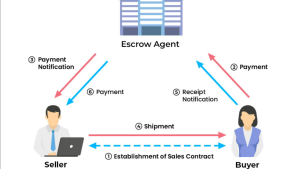
Digital escrow process flow for international trade
High political and security risks, banking limitations, currency volatility, and fraud threats make secure cross-border payments essential. Traditional methods — especially reliance on local sarrafi (currency exchange offices) and informal channels — often create more problems than they solve.
The Real Risks in Iraq Payments
Iraq’s banking system faces ongoing challenges. Many private banks have restricted or lost access to US dollar transactions due to US Treasury and Federal Reserve scrutiny over money laundering, sanctions evasion (particularly related to Iran), and compliance issues. This limits reliable correspondent banking and causes frequent delays or rejections of international wires.
Traders often turn to informal sarrafi (money exchangers) or hawala-style networks for speed and USD access. These offer quick cash or transfers but carry severe risks:
- Fraud and scams — No legal recourse if the exchanger disappears or funds go missing.
- Physical and security risks — Handling large cash amounts in a high-risk environment.
- Currency volatility — Exposure to sharp IQD-USD fluctuations.
- Lack of traceability — Heightened AML/CFT and sanctions compliance problems.
- No protection — If goods are not delivered or quality fails, recovering funds is nearly impossible.
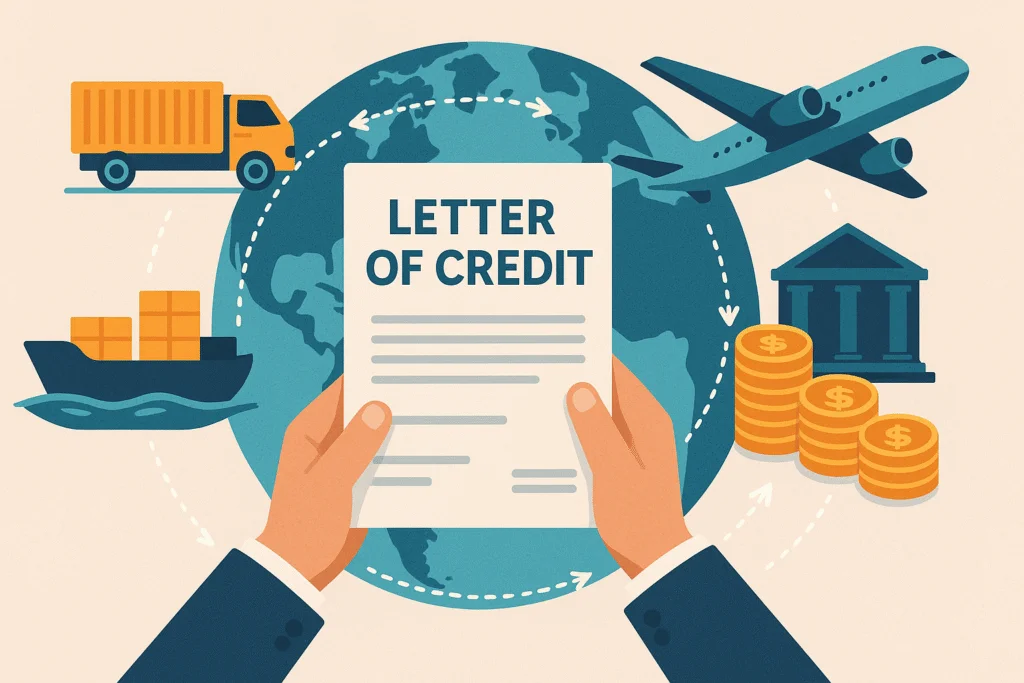
Traditional bank wires are slow and prone to rejection, while Letters of Credit (LCs) are overly complex, expensive, and time-consuming for many mid-sized or SME deals common in Iraq trade (e.g., bitumen shipments, cement, or equipment for reconstruction).
India Polymer Import Clearance 2026: Stop Demurrage Before It Starts
How Tendify’s Escrow Works as a Modern Solution
Tendify’s digital Escrow acts as a neutral, secure third-party intermediary. The buyer deposits funds (typically in stable USD) into the escrow account on the Tendify platform. The funds are held until both parties fulfill predefined, verifiable conditions — such as:
- Proof of shipment and delivery documents
- Third-party inspection or quality certification
- Customs clearance confirmation
- Buyer acceptance of goods
Only then are funds released to the seller (often in milestones for larger deals). This creates a balanced, trust-based transaction without requiring full upfront payment or delivery on blind faith.
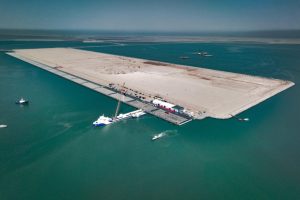
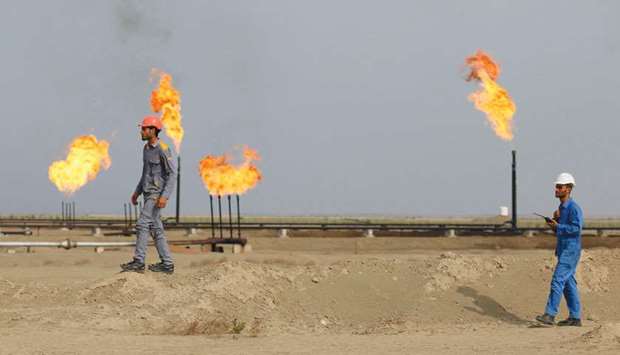
Iraq port and trade infrastructure
As part of Tendify’s Global Trade Operating System, the escrow integrates seamlessly with other tools:
- ProTrade Contract generator for clear, legally sound agreements (including force majeure and war-risk clauses relevant to Iraq)
- Export documentation checklists
- HS code tools and tariff calculators
- Logistics and compliance resources tailored to Iraq routes (e.g., Basra port, overland via Turkey or Jordan)
Why Tendify Escrow Outperforms Traditional Sarrafi and Wires
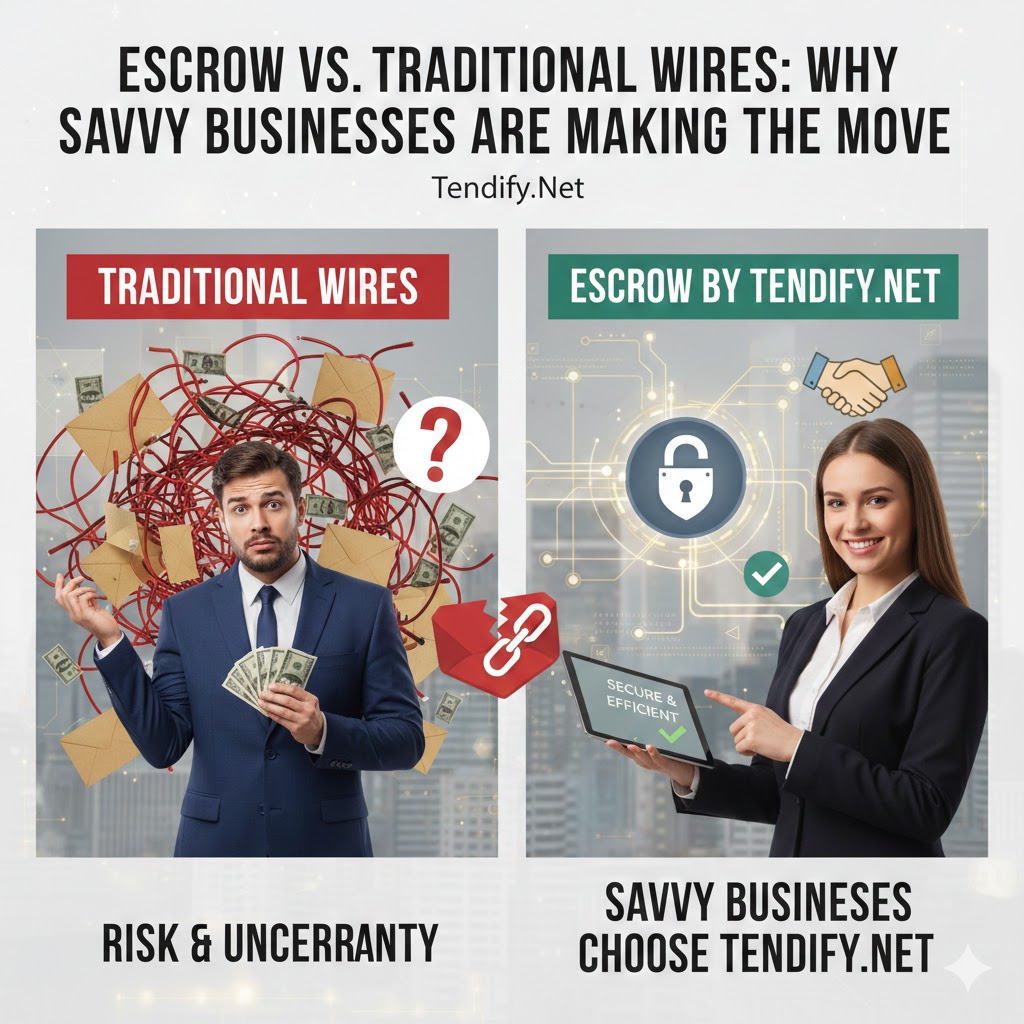
Here’s a clear comparison:
- Security & Protection — Escrow protects both sides with conditional release. Sarrafi offers none — it’s trust-based with no safeguards.
- Fraud & Dispute Resolution — Built-in verification, document upload, and platform-mediated dispute handling. Informal exchangers provide zero support.
- Compliance & Sanctions Risk — Transparent, auditable digital process helps meet international standards. Sarrafi channels often raise red flags.
- Speed & Convenience — Faster setup than LCs; digital and remote (aligns with Tendify’s remote contract signing tools for Iraq). No need for physical cash handling.
- Cost-Effectiveness — A typical ~5% secure payment fee is often far cheaper than potential total loss from fraud, exchange rate hits, legal battles, or insurance claims. It also beats high bank fees plus delays.
- Transparency & Trust — Full visibility for both parties builds long-term relationships — critical in relationship-driven Gulf-Iraq trade.
In high-risk, high-opportunity markets like Iraq, this model reduces the “trust deficit” that holds back many deals. Exporters from the UAE, Turkey, Iran, or further afield can confidently supply reconstruction materials, FMCG, or machinery without the nightmare of non-payment or non-delivery.
Iraq Transit to NEOM: Real Profit Numbers for Cement & Rebar
The Broader Trend: Escrow is Winning in the Middle East
Across the GCC and MENA, digital escrow services are gaining traction as a flexible, cost-effective alternative to traditional LCs — especially for SMEs and mid-value B2B transactions. In 2026, as Iraq pushes reconstruction and diversifies away from pure oil dependence, secure payment mechanisms like Tendify Escrow are becoming essential infrastructure for efficient trade.
Traders using the platform also benefit from the full ecosystem: Iraq exhibition calendars, branch office setup guides, market intelligence, and AI-powered trade advisory.
Secure Your Iraq Deals in 2026
In a market where one bad payment can wipe out margins or worse, relying on traditional sarrafi or unsecured wires is increasingly risky and outdated. Tendify’s Escrow delivers the security, speed, and integration modern traders need — turning high-risk Iraq transactions into protected, profitable opportunities.
Ready to trade smarter with Iraq? Explore Tendify’s Command Center, generate a ProTrade contract, or start an escrow-protected deal today. The platform’s tools (including the AI Trade Advisor) are built exactly for corridors like this.
Secure payments aren’t a luxury in Iraq trade — they’re the foundation of sustainable growth.
Tendify — Global Trade Operating System. Powering confident B2B commerce in the Middle East and beyond.
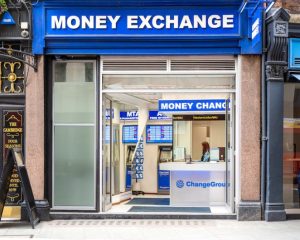
Traditional currency exchange office — fast but high-risk compared to digital escrow
If you’re an exporter, importer, or trader active in Iraq, feel free to ask for specific guidance on structuring an escrow-protected deal, recommended clauses for Iraq contracts, or how to integrate with logistics routes.