وبلاگ
Iraqi Dinar vs USD 2026: The Hidden Profit Killer Exporters Ignore

Imagine sealing a major export deal to Iraq, only to watch your hard-earned profits shrink because the Iraqi Dinar (IQD) dipped against the US Dollar (USD). It’s a scenario that hits exporters hard, turning potential gains into unexpected losses. In 2026, with global oil markets volatile and emerging economies like Iraq’s facing steady pressures, understanding IQD vs USD dynamics isn’t just smart—it’s essential for safeguarding your bottom line.
Iraqi Dinar vs USD
As a seasoned business owner who’s navigated international trade for over two decades, I’ve seen currency fluctuations wipe out margins overnight. But I’ve also turned those risks into opportunities by focusing on practical hedging tactics. This guide dives deep into the IQD/USD exchange rate forecast for 2026, the real threats to your export profits, and actionable steps to protect them. We’ll explore why these fluctuations happen and how you can build resilience without overcomplicating your operations.
The Current State of Iraqi Dinar vs USD in 2026
The IQD/USD exchange rate has remained relatively stable in early 2026, hovering around 1,310 IQD per USD according to recent market data. This peg-like stability stems from Iraq’s Central Bank policies, which aim to curb inflation and support oil-dependent revenues. However, forecasts suggest minor shifts, with projections ranging from 1,300 to 1,330 IQD per USD by year-end. That’s a potential 2-3% fluctuation—not dramatic, but enough to erode export profits if you’re dealing in large volumes.
Iraqi Dinar vs USD in 2026
Why this narrow band? Iraq’s economy is over 90% reliant on oil exports, and with Brent crude averaging $55-62 per barrel in 2026 projections, revenue stability keeps the dinar grounded. Yet, external factors like US interest rate hikes or geopolitical tensions could push it toward the higher end. For exporters, this means planning for subtle but persistent currency risk rather than wild swings.
In my experience, exporters often underestimate these small movements. A 2% shift on a $500,000 deal translates to $10,000 lost—money that could fund your next shipment. Tracking the IQD/USD rate daily via reliable platforms helps, but proactive protection is key.
Key Factors Driving IQD/USD Fluctuations in 2026
Currency fluctuations don’t happen in a vacuum. For the Iraqi Dinar vs USD, several interconnected elements shape the landscape. Understanding the “why” behind these shifts empowers you to anticipate and act.
First, oil prices dominate. Iraq’s budget relies heavily on petroleum, contributing over 90% of government revenues. If global oil demand weakens—say, due to economic slowdowns in China or increased US shale production—the dinar feels the pinch. Projections for 2026 show oil at $58.50 per barrel on average, which could lead to a slight dinar depreciation if OPEC+ cuts persist.
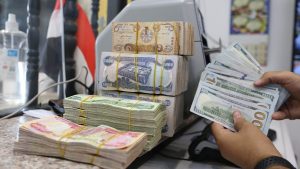
IQD/USD Fluctuations
Second, US monetary policy plays a starring role. With the Federal Reserve potentially easing rates in 2026, the USD might weaken, giving the IQD a relative boost. But if inflation lingers, tighter policy could strengthen the dollar, pressuring the dinar. Historical data shows a 1% USD appreciation often correlates with a 0.5-1% IQD drop.
Third, geopolitical risks add unpredictability. Tensions in the Middle East, including Iran-US dynamics, can spike volatility. Iraq’s proximity means any escalation could disrupt oil flows, indirectly hitting the dinar. Finally, Iraq’s internal reforms—like banking modernization and diversification efforts—offer long-term stability but short-term uncertainty.
These factors aren’t abstract; they directly impact your export invoices. If you’re shipping goods priced in USD to Iraqi buyers paying in IQD, a dinar weakening means they pay more locally, potentially delaying payments or renegotiating terms.
The Real Risks Currency Fluctuations Pose to Export Profits
Currency risk isn’t just a buzzword—it’s a direct threat to your cash flow and competitiveness. For exporters targeting Iraq, IQD/USD fluctuations can manifest in three main ways.
- ریسک تراکنش: This hits when the exchange rate changes between invoicing and payment. A 3% dinar drop could shave $15,000 off a $500,000 receivable, turning profit into break-even.
- ریسک اقتصادی: Broader shifts affect your long-term strategy. If the dinar weakens persistently, Iraqi buyers might seek cheaper alternatives, eroding your market share.
- ریسک ترجمه: If you hold IQD-denominated assets or report in multiple currencies, fluctuations distort your financials, complicating investor relations or loans.
Data from the World Bank shows emerging market exporters lose an average of 5-10% in margins annually due to unhedged currency risk. In Iraq’s case, with GDP growth projected at 3.6% in 2026, opportunities abound, but so do pitfalls. I’ve dealt with this firsthand: one volatile quarter cost my team 8% on a key deal. The lesson? Ignoring IQD/USD risks invites unnecessary losses.
Breaking Down Data Silos: Create a Single Source of Truth for Risk & Compliance
Proven Hedging Strategies to Shield Your Export Profits
Hedging isn’t gambling—it’s insurance for your profits. By locking in rates or offsetting exposures, you stabilize cash flows. Here are direct, actionable strategies tailored for IQD/USD risks in 2026.
IQD-USD risks in 2026
Forward Contracts: Lock in Rates for Predictability
A forward contract lets you agree on an exchange rate today for a future transaction. For exporters, this means converting future IQD payments at a fixed USD rate, regardless of fluctuations.
- چگونه کار میکند؟: Say you expect $100,000 in IQD payments in six months. Lock in at 1,310 IQD/USD now. If the rate hits 1,330, you still get your full value.
- مزایا: Simple, cost-effective for known exposures. Studies show forwards reduce volatility by 20-30%.
- معایب: No upside if rates move in your favor.
In emerging markets like Iraq, where dinar stability is oil-tied, forwards are ideal for short-term deals.

forwards are ideal for short-term deals
Currency Options: Flexibility with Protection
Options give you the right—but not obligation—to exchange at a set rate. Pay a premium for this flexibility.
- Put options protect against dinar weakening: Sell IQD at a floor rate.
- Call options hedge if you need to buy IQD.
- Why use them?: In 2026’s uncertain oil landscape, options let you cap losses while capturing gains. Premiums average 1-2% of the contract value.
I’ve used options during volatile periods; they preserved 15% of profits on one export run.
Natural Hedging: Balance Exposures Without Derivatives
Match inflows and outflows in the same currency to offset risks organically.
- Operational tweaks: Source inputs from Iraq or invoice in IQD for local sales.
- Diversification: Spread exports across currencies to dilute IQD reliance.
- Benefits: No direct costs, builds long-term resilience. Data from EDC shows natural hedging cuts risk by 15-25%.
Combine with financial tools for hybrid protection.
What Is Under and Over Invoicing ?
Swaps and Other Advanced Tools
For larger operations, currency swaps exchange cash flows in different currencies. Useful if you have ongoing IQD exposures.
| Strategy | بهترین برای | هزینه | کاهش ریسک |
|---|---|---|---|
| قراردادهای آتی | Fixed future payments | Low (spread-based) | High (20-30%) |
| گزینهها | حجمهای نامشخص | Premium (1-2%) | Medium-High (flexible) |
| پوشش ریسک طبیعی | Ongoing trade | None direct | Medium (15-25%) |
| سواپها | Long-term debt/exposures | Variable | High for matched flows |
Case Studies: Real-World Success in Hedging Emerging Market Currency Risks
Learning from others accelerates your strategy. Here are anonymized examples from emerging markets, drawing parallels to IQD/USD challenges.
A mid-sized European machinery exporter to Peru faced sol volatility tied to commodity prices—similar to Iraq’s oil dependency. By using forward contracts on 70% of receivables, they stabilized profits during a 5% currency dip, maintaining 12% margins. Lesson: Partial hedging preserves upside.
In Mongolia, a microfinance firm hedged USD loans against tugrik fluctuations via local currency financing, reducing exposure by 20% and boosting inclusion efforts. This mirrors how exporters can use natural hedging in Iraq.
A Chilean firm in international trade hedged gross cash risks with derivatives, cutting volatility by 25% during a supply shock. For IQD/USD, this approach protects against oil-driven swings.
These cases prove hedging works—firms saw 15-30% better stability without sacrificing growth.
Iraq Exhibitions Calendar 2026
Implementing Hedging: Tools, Best Practices, and Pitfalls to Avoid
Start with assessment: Calculate your IQD exposure (receivables minus payables). Use tools like FX calculators or platforms from banks.
- Best practices:
- Hedge 50-80% of exposure to balance protection and opportunity.
- Monitor via apps tracking IQD/USD rates.
- Consult experts—don’t DIY complex derivatives.
- Pitfalls: Over-hedging locks you out of gains; under-hedging exposes you fully. Also, watch counterparty risks in emerging markets.
Link this to broader trade strategies: Check our guide on What Is Under and Over Invoicing? for invoice management tips, or Trading with Russia? Do This Critical Check Before Sending Money or Signing Contracts for secure international payments.
In 2026, with IQD/USD forecasts stable but vulnerable, hedging isn’t optional—it’s your edge. By acting now, you protect profits and position for growth.
Ready to secure your exports? Register on Tendify.net today to connect with verified Iraqi buyers, access real-time pricing, and build resilient trade networks. Join now and turn currency risks into reliable revenue.