Blog
Avoid Costly Cleaning Fees: The Pro Guide to Bitumen 60/70 Container Logistics
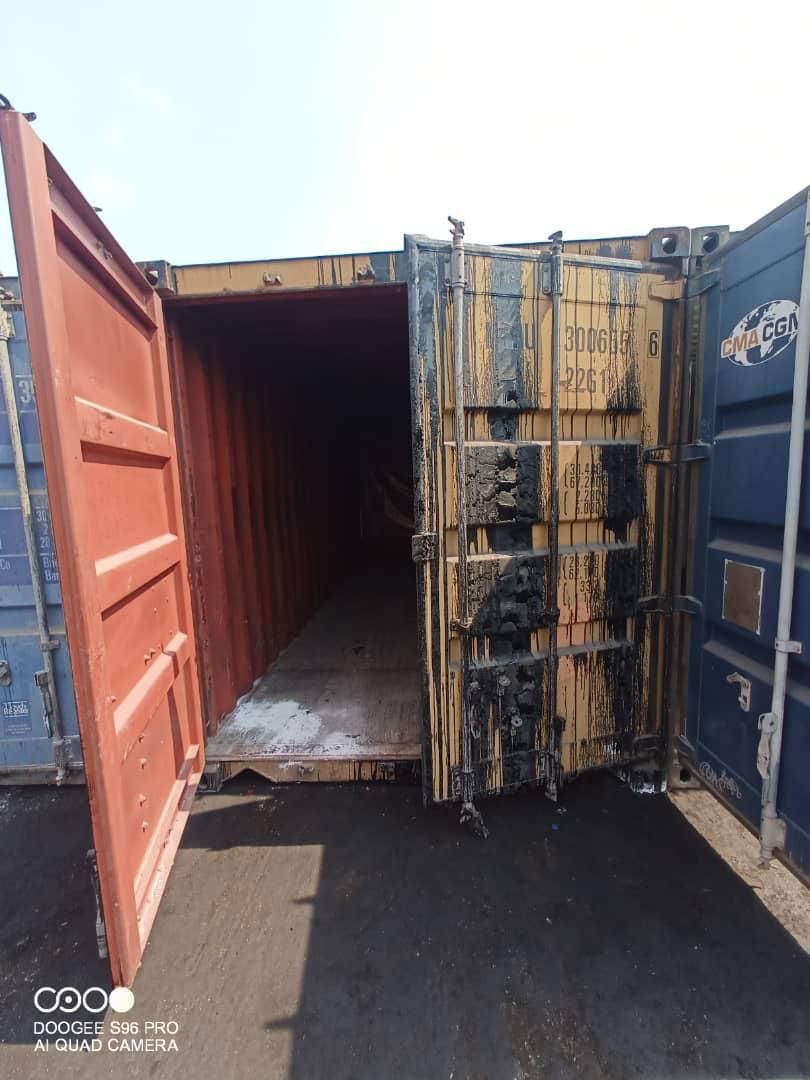
I’ve been in the commodities trading game for over two decades, moving everything from petrochemicals to construction materials across oceans and borders. One thing I’ve learned the hard way—and thankfully, taught others to avoid—is how quickly a smooth export deal can turn into a headache over unexpected charges. Take a recent shipment I handled: 50 containers carrying 1,000 tons of high-quality bitumen 60/70 headed to Malaysia. At destination, the shipping line hit us with a hefty cleaning fee claim. But with solid documentation from the loading point—photos, inspection reports, and timestamps—we proved the containers had pre-existing damage. The fee was waived entirely. That experience saved thousands and reinforced a core lesson: proper documentation isn’t optional; it’s your best defense against unnecessary costs.
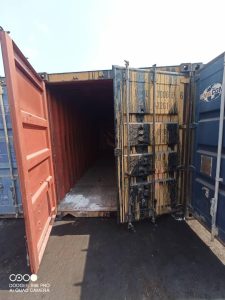
Avoiding Cleaning Fees and Container Disputes When Exporting Bitumen 60-70
In this comprehensive guide, we’ll dive deep into exporting penetration grade bitumen 60/70, focusing on the pitfalls that lead to container cleaning fees, disputes over damage, and how to sidestep them. Whether you’re a seasoned exporter or scaling up your operations, these actionable strategies will protect your margins and build stronger partnerships.
Understanding Bitumen 60/70: The Gold Standard for Road Construction Exports
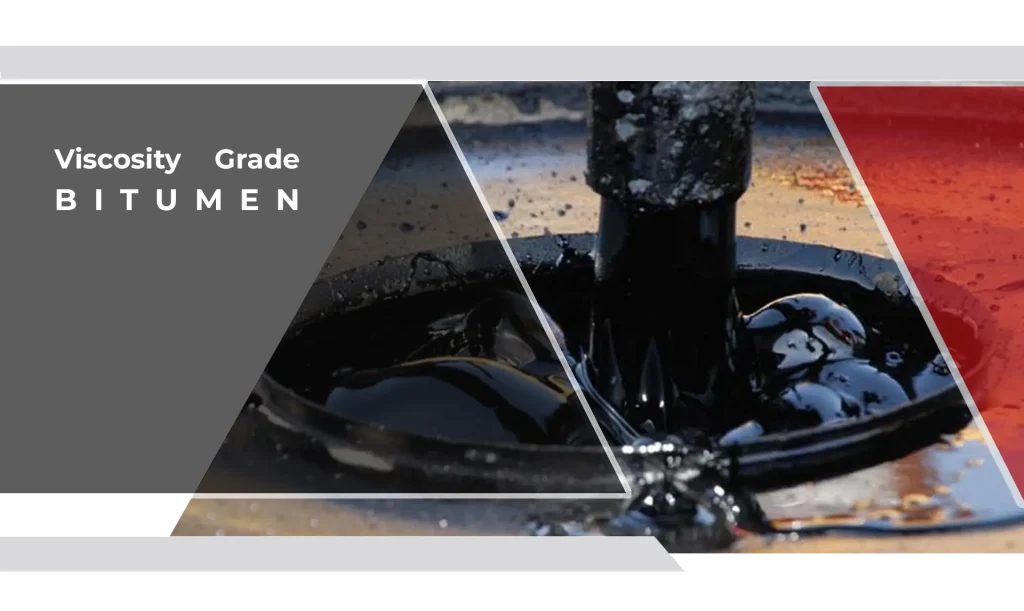
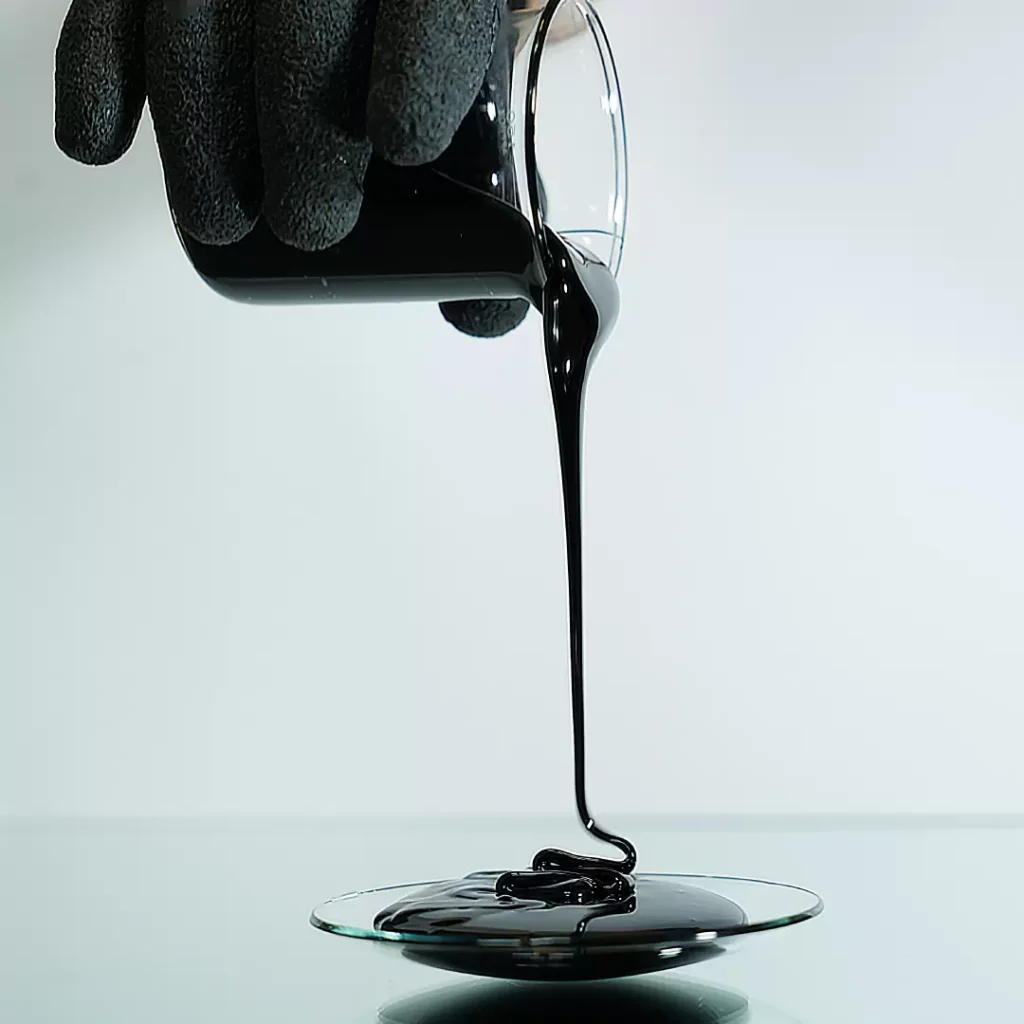
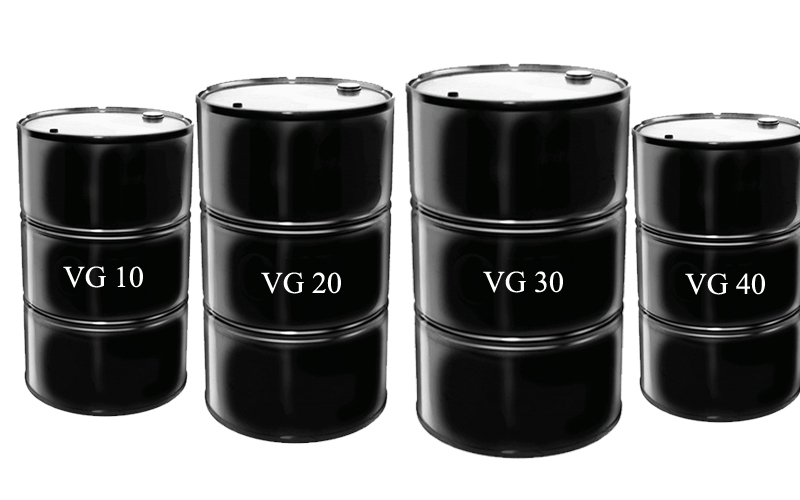
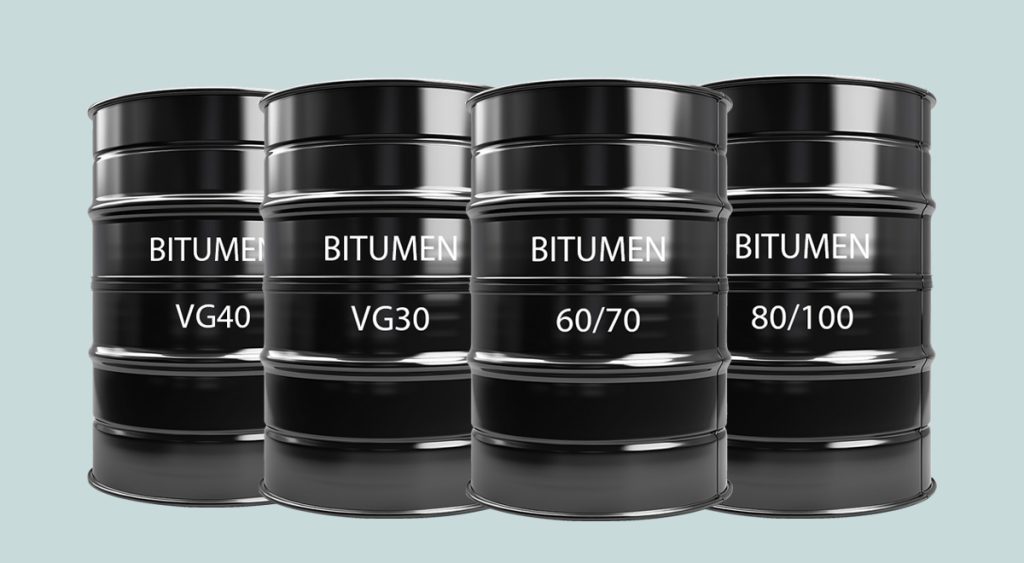
Bitumen 60/70—also known as penetration grade 60/70—is the workhorse of the asphalt industry. It’s a semi-hard bitumen produced by aerating vacuum bottom residue in refineries, with a penetration value between 60 and 70 mm at 25°C. This grade strikes the perfect balance: firm enough for durability in hot climates, yet flexible for road bases and wearing courses.
Why is it so popular for exports, especially to markets like Southeast Asia?
- Versatile performance: Excels in hot mix asphalt for highways, airports, and urban roads.
- Temperature resilience: Softens at high temps for easy application, hardens in cooler conditions for longevity.
- Global demand driver: According to industry reports, penetration grades like 60/70 account for over 70% of paving bitumen used worldwide, with strong uptake in infrastructure-heavy regions.
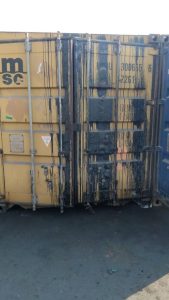
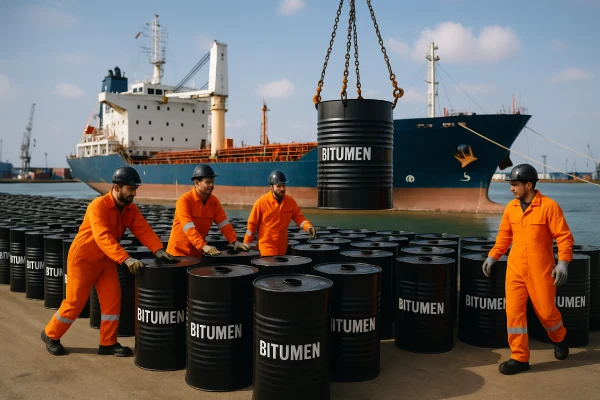
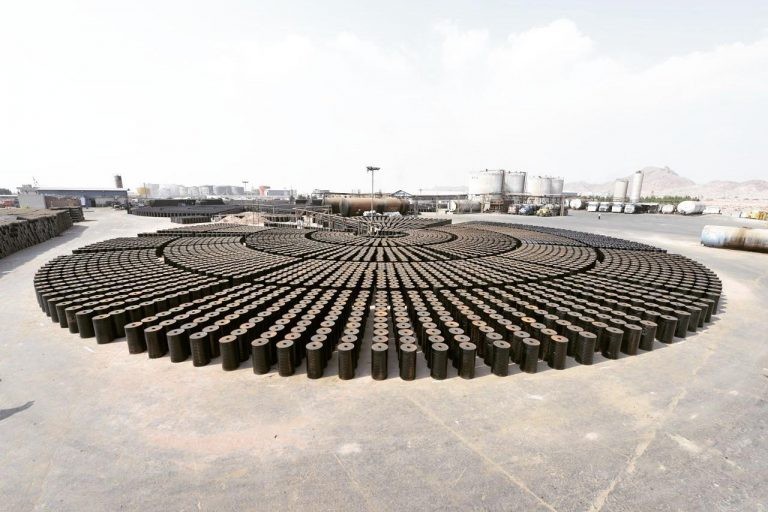
50 containers 1,000 MT of Bitumen 60-70 to Malaysia
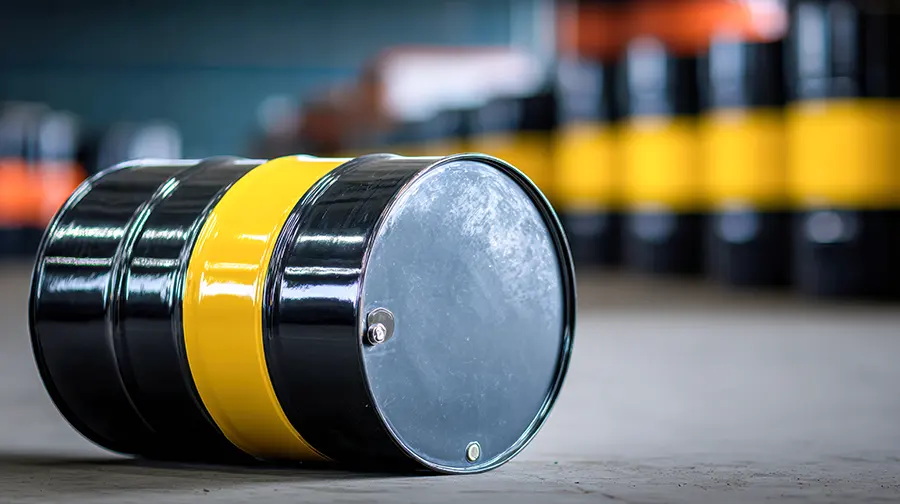
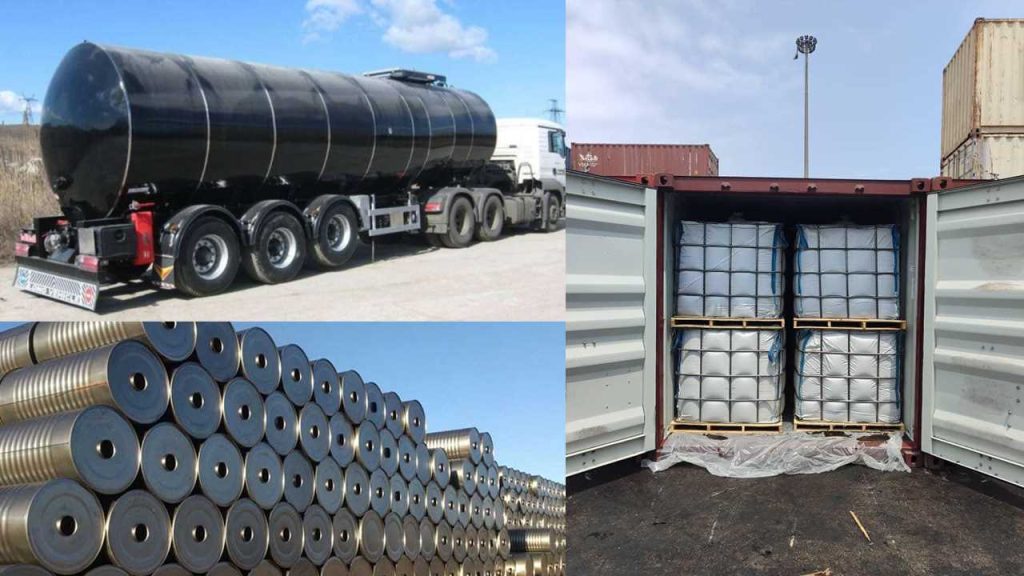
In exports, it’s typically packed in steel drums, polybags, or bulk into heated containers to maintain flow. But here’s where challenges arise: bitumen’s sticky, viscous nature leaves residues that can trigger cleaning disputes if not managed right.
Common Challenges in Shipping Bitumen: Why Cleaning Fees Hit Hard
Shipping bitumen isn’t like moving dry goods. Residue buildup, temperature fluctuations, and container conditions create ripe ground for extra charges.
Key Issues That Trigger Cleaning Fees and Disputes
- Residue and contamination: Even minor leaks or spills during loading/unloading can coat interiors, requiring professional cleaning.
- Pre-existing damage: Dents, rust, or old residues from prior cargoes get blamed on your shipment.
- Improper handling: Overfilling, inadequate heating, or poor sealing leads to solidification and stubborn buildup.
- Line-specific policies: Many carriers charge $500–$2,000 per container for cleaning if returned “dirty,” plus downtime fees.
In one study from logistics experts, up to 15% of bulk liquid shipments face ancillary charges due to container condition disputes. For bitumen exporters, these can erode 5–10% of profit margins on a single voyage.
I’ve seen deals sour over $50,000 in disputed fees across a fleet—money that could’ve gone to better freight rates or quality upgrades.
The Power of Thorough Documentation: Your Shield Against Unfair Charges
That Malaysia shipment? It wasn’t luck. It was preparation. We documented everything at origin, turning a potential loss into a win.
Why does documentation work so well? It shifts the burden of proof. Shipping lines rely on destination inspections; your origin evidence counters claims effectively.
Step-by-Step: How to Document Container Condition Like a Pro
Follow this proven process every time:
- Pre-loading inspection: Survey the empty container thoroughly. Note any dents, rust, holes, or residues.
- Capture high-quality evidence:
- Photos from all angles: exterior, interior walls, floor, ceiling, doors.
- Close-ups of seals, corners, and any anomalies.
- Timestamped videos walking through the container.
- Use standardized forms: Complete an Equipment Interchange Receipt (EIR) with the depot, marking any pre-existing issues.
- During loading:
- Document clean lining (if using plastic sheets).
- Photo the filling process and final seal.
- Post-loading: Final exterior shots with seals intact and container number visible.
- Digital backup: Store files in cloud folders, named by container number and date. Share with your team and forwarder immediately.
Pro tip: Use apps like container inspection tools for geotagged, timestamped photos—irrefutable in disputes.
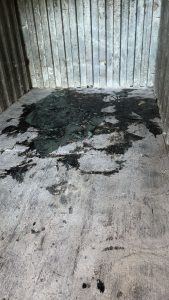
Common Challenges in Shipping Bitumen
In my experience, exporters who skip this pay dearly. Those who don’t? They resolve 90% of claims in their favor.
Best Practices for Loading and Transporting Bitumen 60/70 in Containers
Documentation is half the battle. Smart handling prevents issues upstream.
Essential Loading Techniques to Minimize Residue
- Heat properly: Maintain bitumen at 140–160°C for flow without overheating (which causes hardening).
- Use liners or flexitanks: Plastic sheeting or single-use bags contain spills and ease unloading.
- Avoid overfilling: Leave headspace for expansion.
- Secure seals: High-quality gaskets prevent leaks during transit.

Best Practices for Loading and Transporting Bitumen
Comparison: Common Packaging Methods for Bitumen Exports
| Method | Capacity per 20ft Container | Pros | Cons | Best For |
|---|---|---|---|---|
| Steel Drums | 80–110 drums (16–20 tons) | Easy handling, reusable | Higher labor, residue risk | Small-medium shipments |
| Polybags | Up to 22 tons | Cost-effective, less waste | Potential tears | Budget exports |
| Bitutainers/Flexitanks | 20–24 tons | Max capacity, minimal residue | Specialized equipment needed | Large-scale, long-distance |
Choosing the Right Shipping Mode: Sea vs. Alternatives
Sea freight dominates bitumen exports for cost, but compare wisely:
- Sea advantages: Bulk volumes, lower per-ton rates.
- Challenges: Longer transit, temperature drops in cold routes.
- Alternatives: Heated ISO tanks for premium grades or air for samples (rare).
For deeper insights on freight choices, check our post on Air Freight vs Sea Freight from China to Jebel Ali: The 2026 Cost-Benefit Analysis for Your Commodity.
Real-World Case Studies: Lessons from the Trenches
Beyond my Malaysia example, consider these anonymized wins:
- A Middle East exporter faced $30,000 in fees on 30 containers. Origin photos proved old rust—fees dropped.
- An Asian importer disputed residue claims. Video evidence showed clean loading; carrier absorbed costs.
Data from freight forums shows documented shipments resolve disputes 4x faster.
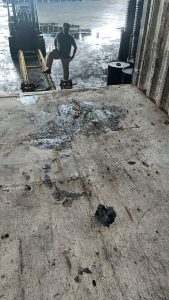
containers were old damage
Advanced Strategies: Building Long-Term Protections
Go beyond basics:
- Partner with reliable lines: Choose carriers with fair dispute policies.
- Insurance add-ons: Cover ancillary charges.
- Third-party surveys: Hire independent inspectors at load/discharge for neutral reports.
- Contract clauses: Include “clean on board” terms and photo requirements.
Also, explore risk management in related trades via our guides on War-Risk Insurance and Force Majeure Clauses in Contracts and UAE Customs Valuation Rules.
Final Thoughts: Protect Your Profits with Proactive Habits
Exporting bitumen 60/70 can be highly profitable, but hidden fees like cleaning charges lurk if you’re not vigilant. Thorough documentation, smart loading, and the right partnerships turn risks into routines.
I’ve built my business on these principles—saving millions over the years and earning trust from buyers worldwide.
Ready to streamline your bitumen exports and connect with verified global buyers? Join Tendify.net today. Post your products, source RFQs, or explore secure deals in petrochemicals and beyond. Sign up now and take control of your next shipment.