Blog
Fumigation Secrets: Exact Phosphine Dosage to Pass Phytosanitary Inspections
I’ve been in the grain export business for over four decades, handling everything from farm-gate sourcing to loading massive bulk carriers destined for ports worldwide. One of the biggest headaches I’ve faced—and helped countless others overcome—is ensuring bulk wheat shipments clear phytosanitary inspections without delays, rejections, or costly re-fumigations. Nothing stalls a deal faster than live insects detected at discharge.
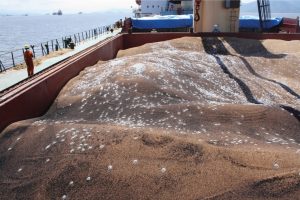
Aluminium Phosphide Dosage on Bulk Wheat Shipments
The secret weapon? Phosphine fumigation done right. It’s the most reliable, widely accepted method for disinfesting bulk wheat in ship holds. But here’s the truth: many exporters get it wrong because they skim on dosage or cut exposure time short, leading to failures. I’ve seen shipments held up for weeks, racking up demurrage fees that eat profits alive.
In this guide, I’ll share the exact phosphine dosage and duration protocols that have consistently gotten my shipments—and those of partners I’ve advised—cleared on the first inspection. These are based on real-world experience, backed by guidelines from USDA, FAO, and industry standards. We’ll cover why these specifics work, how to execute them flawlessly, and pitfalls to avoid.
Why Phosphine Is the Go-To Fumigant for Bulk Wheat Exports
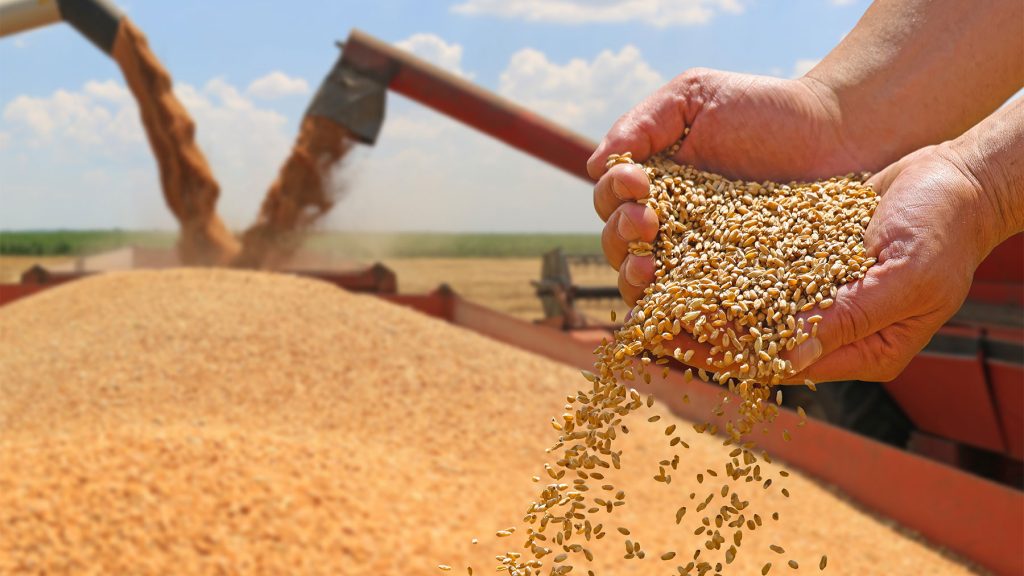
Phosphine (generated from aluminum phosphide) penetrates deeply into bulk grain, killing all life stages of common pests like weevils, borers, and beetles. Unlike alternatives, it’s residue-free after proper aeration and accepted globally for phytosanitary certification.
Key advantages:
- Effective against resistant strains when dosed correctly.
- No impact on wheat quality—germination, baking properties, or nutritional value remain intact.
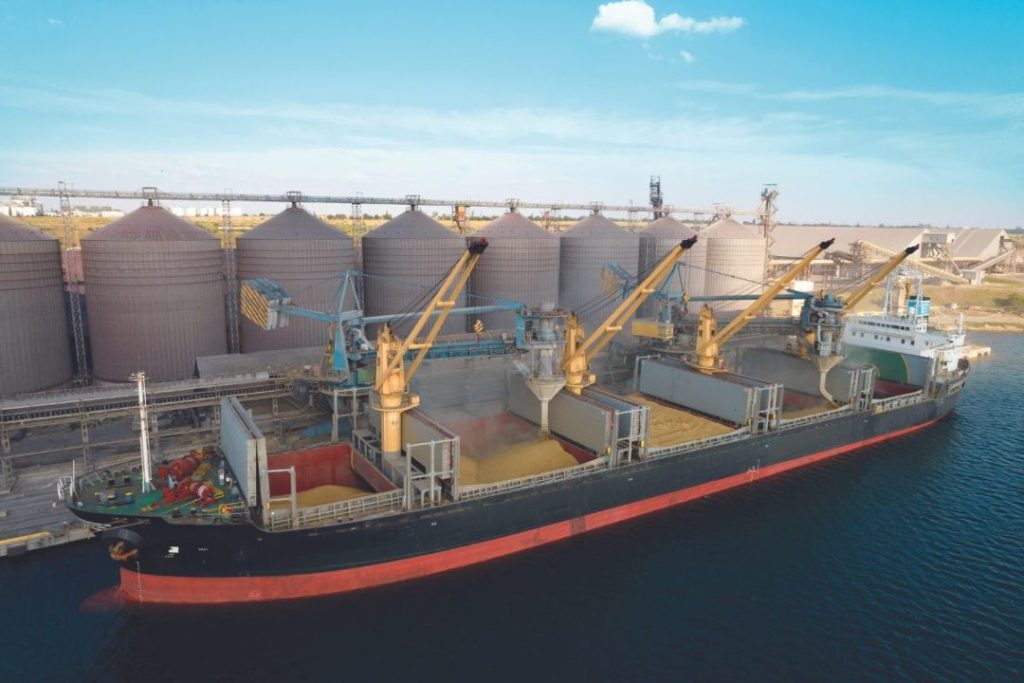
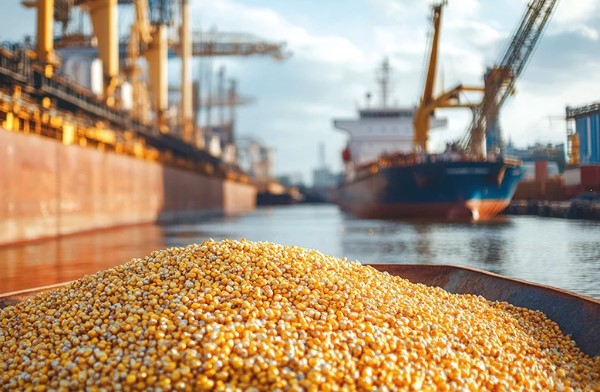
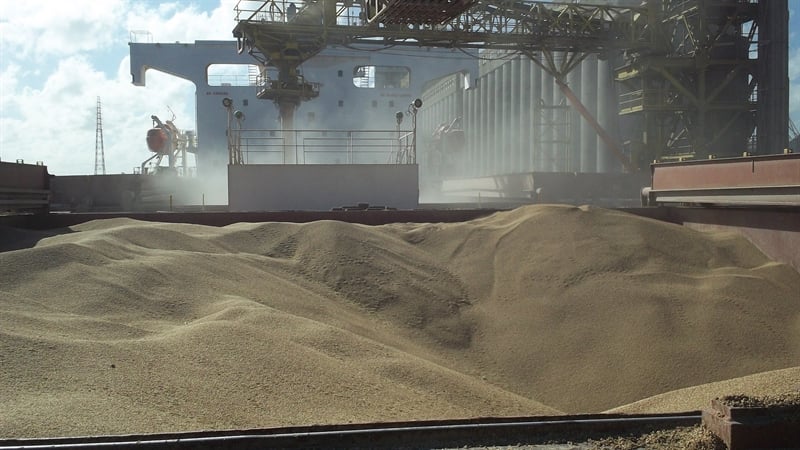
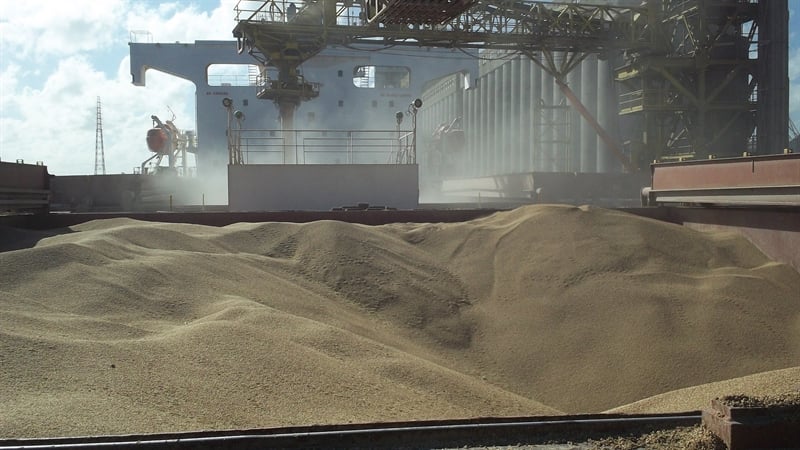
- Cost-effective for large volumes like ship holds (20,000–60,000 MT common for wheat).
Data backs this: Studies from sources like the FAO and USDA show phosphine achieves 100% mortality when concentration-time (CT) products are met. For instance, maintaining 200–300 ppm for 7–10 days eliminates even tolerant eggs and pupae.
But skimping leads to survivors. I’ve dealt with lesser grain borers that shrugged off under-dosed treatments—until we dialed in the right protocol.
Understanding Phosphine Dosage: The Fundamentals
Dosage is calculated based on the volume of the ship hold, not just the wheat tonnage, because phosphine gas fills the entire space.
Standard aluminum phosphide products:
- Tablets: 3g each, releasing 1g phosphine.
- Pellets: 0.6g each, releasing 0.2g phosphine.
Recommended dosage for bulk wheat in ship holds:
- 1.5–3g phosphine per cubic meter (m³) of hold volume.
- This translates to roughly 2–4 tablets per tonne of wheat, but always verify hold volume for precision.
For in-transit fumigation (common for wheat exports):
- USDA/FGIS protocols allow application during loading, with recirculation for even distribution.
- Target: Achieve 200–700 ppm, held for the voyage duration.
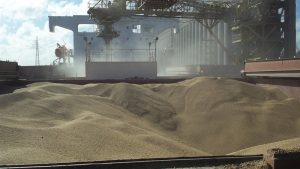
Phosphine Dosage on Bulk Wheat Shipments
Higher end of the range for cooler temperatures (<20°C) or known resistance.
| Factor | Low Dosage (1.5–2g/m³) | Standard Dosage (2–3g/m³) | High Dosage (>3g/m³, max label) |
|---|---|---|---|
| Temperature | >25°C | 15–25°C | <15°C or heavy infestation |
| Exposure Time Needed | 7–10 days | 10–14 days | 14–21 days |
| Pest Mortality RaWte | 95–98% (eggs may survive) | 99–100% | 100% even resistant strains |
| Risk of Gas Loss | Low in sealed holds | Moderate | High if poor sealing |
The Critical Role of Exposure Duration
Phosphine is slow-acting. It needs sustained concentration to kill all stages.
Proven durations for bulk wheat:
- Minimum: 7 days at 300+ ppm (warmer conditions).
- Standard: 10 days at 200–300 ppm.
- For guaranteed phytosanitary pass: 10–14 days at >200 ppm, or equivalent CT product.
In ship holds, voyages often provide natural exposure (e.g., 14–21 days to Middle East or Asia). For shorter trips, pre-load fumigation in silos ensures time.
From FAO guidelines: Exposure of 7–10 days at 500–600 ppm terminal concentration controls major pests like Sitophilus oryzae and Rhyzopertha dominica.
I’ve extended to 21 days on suspect loads—zero failures.
Step-by-Step Execution for Ship Hold Fumigation
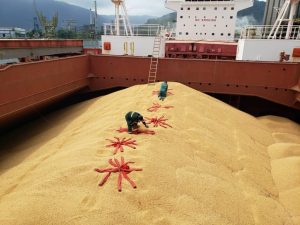
Execution for Ship Hold Fumigation
Here’s how I do it every time:
- Pre-Loading Inspection: Survey holds for cleanliness and gas-tightness. Seal vents, hatches with tape if needed.
- Calculate Dosage: Measure hold volume (get from ship plans). Apply 2–3g phosphine/m³.
- Application Method:
- Probe insertion during loading for even distribution.
- Or surface application post-loading, with forced recirculation (blowers at 300 CFM minimum).
- Sealing: Close hatches immediately. Placard as hazardous.
- Monitoring: Use gas detectors at multiple points. Top up if concentration drops below 200 ppm.
- Aeration at Discharge: Vent to <0.3 ppm before inspection. Monitor inter-grain spaces.
- Documentation: Log everything for phytosanitary certificate.
Pro tip: Use recirculation—I’ve seen uneven distribution cause pocket survivors without it.
Common Pitfalls and How to Avoid Them
- Poor Sealing: Gas leaks drop concentration fast. Fix: Pressure test holds pre-fumigation.
- Low Temperature: Slows gas release and pest metabolism. Solution: Higher dosage, longer exposure.
- Resistance: Emerging in some regions. Counter: Full label rate, no shortcuts.
- Over-Dosage Risks: Fire hazard if >1.8% in air. Stick to labels.
Case study: One shipment I consulted on failed inspection due to 5-day exposure. We re-did with 12 days—passed easily.
Safety and Regulatory Compliance
Phosphine is highly toxic—always use PPE, monitors, and trained applicators.
Comply with:
- USDA APHIS for exports.
- IMO guidelines for in-transit.
- Importing country requirements (many accept USDA-certified fumigation).
Aerate fully: Residues desorb quickly, well below tolerances.
For more on international shipping challenges, check our guides on handling container damage in global trade and avoiding disputes when exporting commodities. Also, explore air vs. sea freight options for optimizing your logistics.
Mastering phosphine fumigation has saved me millions in avoided losses. Implement these exact protocols, and your bulk wheat shipments will sail through inspections every time.
Ready to streamline your exports? Join Tendify.net today—connect directly with verified buyers, post RFQs, and secure deals with trust accounts. Register now and elevate your wholesale trade game.