Blog
Trading Under Fire: Playbook for Iran-UAE War Risk Management

I’ve spent over two decades building and scaling export businesses across volatile markets. From watching container rates spike overnight during past crises to renegotiating contracts under sudden force majeure claims, one truth stands out: the traders who survive—and thrive—are those who treat geopolitics as a core operational variable, not a distant headline.
In 2026, escalating tensions in the Middle East have turned the Strait of Hormuz and key Gulf hubs into high-risk zones. Vessel traffic has plummeted, insurance premiums have soared, and entire supply chains are being rerouted. This isn’t abstract risk—it’s hitting your margins, delivery timelines, and cash flow right now.

Iran-UAE War Risk Management
This guide delivers the practical playbook you need. Whether you’re managing B2B exports, optimizing imports, or stress-testing your operations, you’ll find actionable strategies, real data, alternative routes, contract clauses, and forward-looking opportunities. By the end, you’ll know exactly how to protect your business and even uncover new edges in the chaos.
Broken Ceasefires, Billion-Dollar Losses: The True Economic Cost of Iran-Arab Tensions
Why This Crisis Demands Immediate Action from Traders
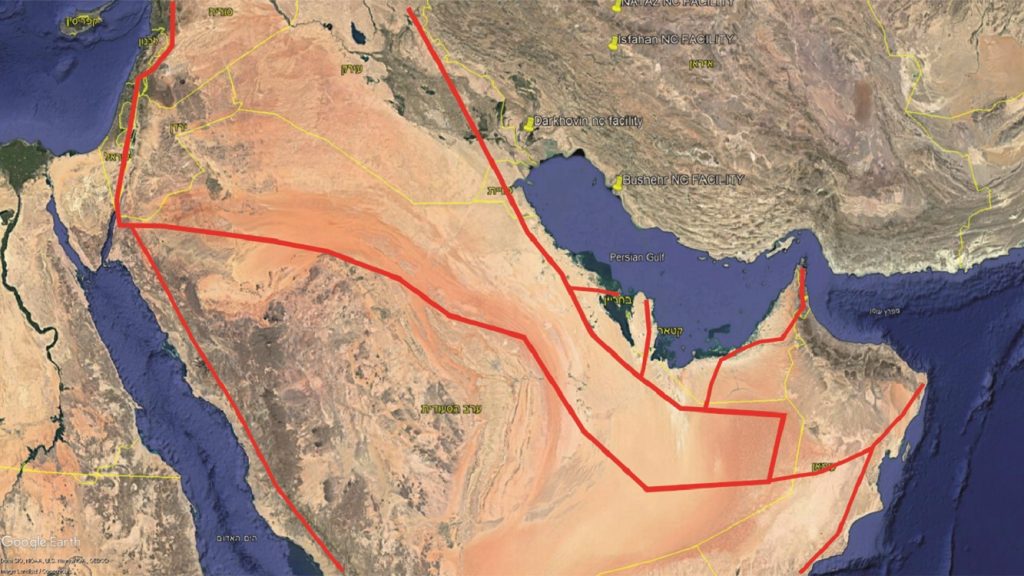
The Strait of Hormuz is no longer just a strategic chokepoint; in 2026, it has become a volatile frontline. Handling roughly 20% of global seaborne oil and significant LNG volumes, any tremor here sends shockwaves through the global economy. Recent military escalations, including targeted strikes on critical infrastructure like the Lavan Refinery, have forced a paradigm shift in regional logistics. We are witnessing a decoupling of established trade norms as major hubs like Jebel Ali and Fujairah face temporary operational suspensions and unprecedented security protocols.
The Lavan-Fujairah Energy Nexus: A New Volatility Floor
The 2026 conflict has moved beyond mere transit threats to direct infrastructure targeting. With the strikes on the Lavan Refinery and heightened risks around Fujairah’s bunkering hubs, we are seeing a decoupling of regional energy pricing. For traders, this means ‘Bunker Adjustment Factors’ (BAF) are no longer predictable monthly updates—they are now daily volatile expenses. If your pricing models don’t account for a 15-20% swing in fuel surcharges, your net margins are effectively.

Lavan-Fujairah
Key Impacts So Far (Detailed 2026 Operational Data):
Shipping & Maritime Logistics: Most Tier-1 carriers have suspended direct Gulf passages. Rerouting via the Cape of Good Hope is no longer a “worst-case scenario” but a standard operational procedure, adding 12 to 14 days to transit times and inflating TEU rates by over 150% due to emergency risk surcharges.
Energy & Bunkering Costs: As regional refining capacity takes a hit, Brent crude has entered a high-volatility cycle. More critically, the scarcity of compliant bunker fuel in the Gulf has forced vessels to refuel at alternative, high-cost ports, creating a secondary inflationary layer on all CIF contracts.
Air Freight & Belly Cargo Scarcity: With major Gulf airports prioritizing defense logistics and facing intermittent airspace closures, commercial “belly cargo” capacity has been slashed by 40%. This has triggered a massive shift toward dedicated freighters, with spot rates for electronics and high-value components reaching record highs.
Insurance & Financial Friction: War risk premiums have not just jumped—they have tripled. This has created a “documentation deadlock” where many European and Asian banks are hesitating to confirm Letters of Credit (LCs) for shipments transiting the contested zones, citing heightened compliance and “Force Majeure” risks.
These aren’t temporary blips or seasonal fluctuations. We are entering a period of “Permanent Readiness.” Smart operators are no longer waiting for a return to normalcy; they are aggressively diversifying routes, recalibrating their pricing algorithms, and leveraging AI-driven digital platforms to gain real-time visibility before the next escalation hits the headlines.
Specialized Supply Chain Alert: Chemicals and Laboratory Instrumentation
Beyond general cargo, the industrial sector is facing a critical bottleneck. High-precision laboratory equipment and specialty chemicals—often classified as sensitive or hazardous—are seeing the strictest scrutiny. Regional hubs that once acted as ‘middle-ground’ clearing houses for lab tech are now under military-grade customs audits. Traders in the chemical engineering and healthcare sectors should anticipate a 45-day extension in ‘Dual-Use’ certification processing. This is the time to audit your MSDS (Material Safety Data Sheets) and ensure compliance with the latest 2026 emergency trade protocols.”
Logistics and Port Operations: From Crisis to Adaptation
The Strategic Chokepoint: Understanding Strait of Hormuz Vulnerabilities
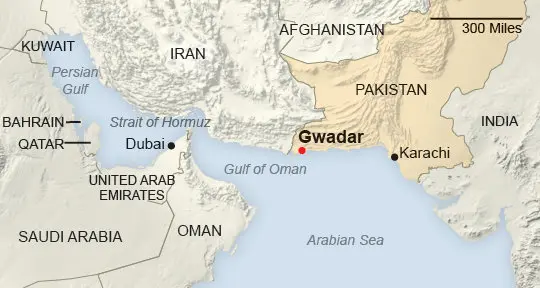
When tensions rise, the narrow Strait becomes a focal point. Reduced traffic forces reroutes, congestion at alternative ports, and higher demurrage risks. Eastern ports and overland options gain prominence as more resilient alternatives.

Strait of Hormuz Vulnerabilities
Practical Steps for Your Operations:
- Monitor real-time vessel tracking and port status via tools integrated in modern trade platforms.
- Build buffer stock or shift to just-in-case inventory for critical shipments.
- Evaluate multimodal options early—don’t wait for your forwarder to propose them.
Alternative Routes and Corridors Gaining Traction
With traditional sea lanes under pressure, these pathways are seeing renewed interest:
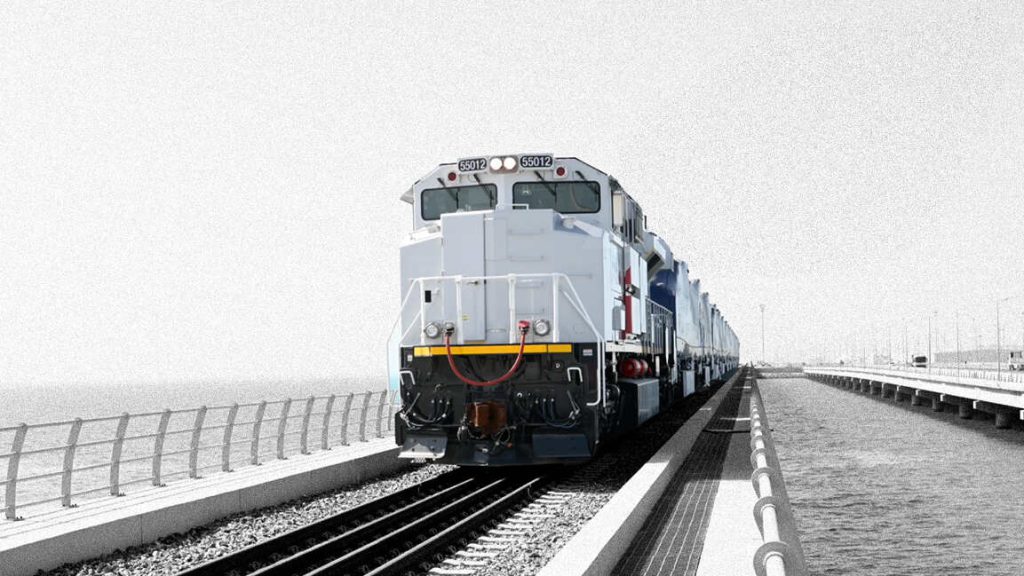
1. The North-South International Transport Corridor (INSTC) The INSTC is no longer a theoretical project—it is a vital lifeline. By utilizing an integrated network of ship, rail, and road, this corridor bypasses the maritime chokepoints of the Gulf. In the current 2026 climate, the INSTC offers a 30-40% reduction in transit time to Russian and Northern European markets compared to the traditional Suez route, provided you have vetted partners to manage the multi-modal handoffs.
2. Overland Gateways via Neighboring Frontiers When sea lanes close, asphalt and rail become the backbone of trade. Strategic road links through Turkey, Iraq, and the Caucasus are providing essential bypass options for containerized and breakbulk cargo. However, “Overland” doesn’t mean “Simple.” Successful traders are focusing on Truck-to-Rail synchronization at stable border crossings to avoid the congestion currently hitting the main maritime ports.
3. Eastern Port Diversions & Transshipment Hubs Ports located outside the immediate “Conflict Zone,” such as Chabahar and certain South Asian hubs, are seeing a record-breaking influx of diverted cargo. These ports are evolving into the new transshipment engines of the region. Forward-looking companies are establishing temporary warehousing in these “Safe Harbors” to mitigate the risk of cargo being stranded in contested waters.
4. The Caspian Pivot: Trans-Caspian and CIS Integration : As the Persian Gulf becomes a ‘contested zone,’ the North-South corridor is evolving. We are seeing a massive shift toward Trans-Caspian routes. Leveraging the rail links through Central Asia (Kazakhstan and Turkmenistan) into the Iranian plateau offers a strategic bypass. For businesses previously dependent on UAE transshipment, moving operations toward the Caspian hubs isn’t just an alternative—it’s becoming the primary ‘Blue Ocean’ for 2026 trade stability.”
Pro Tip from the Frontlines: The “Landed Cost” Reality Check In a crisis, a low freight quote is often a trap. You must model your Total Landed Costs using a dynamic scenario-based approach. Don’t just look at the ocean freight; account for new war risk surcharges, 14-day transit extensions, and potential demurrage at congested inland terminals.
Actionable Advice:
Run Triple-Scenario Modeling: Always have a spreadsheet ready with three columns: Base Case, Moderate Disruption, and Prolonged Conflict.
Dynamic Optimization: Use AI-driven calculators—like those available on Platform.Tendify.net—to compare 20ft vs. 40ft loadings against fluctuating tariffs and fuel surcharges. In 2026, the cheapest route on Monday might be the most expensive by Wednesday.
Hormuz May 2026: The Trader’s Survival Guide to the Jask Escalation
Risk Management in Contracts: Protecting Your Deals

Risk Management in Contracts: Protecting Your Deals
Force Majeure Clauses in 2026 Reality
Military actions and resulting port closures often qualify as force majeure. Review every active contract:
- Does it explicitly list “war, hostilities, or government actions” as triggers?
- What notice periods and mitigation duties apply?
- Can you invoke it without damaging long-term relationships?
Actionable Checklist:
- Audit contracts within 48 hours.
- Notify counterparties in writing with evidence of disruption.
- Document all reasonable mitigation efforts (e.g., exploring alternatives).
Updating Incoterms for Risk Transfer
In high-risk zones, shift from FOB (seller’s risk ends early) to CIF or CIP where the seller handles more of the journey and insurance. This transfers marine and war risks more effectively. Always specify the version (e.g., Incoterms 2020) and named places clearly.
For bulk commodities, review clauses around demurrage, detention, and laytime carefully—ports under pressure amplify these costs.
Banking, Payments, and Financial Resilience
Gulf financial hubs remain vital but face temporary strains in transfers and currency flows. Diversify channels:
- Explore options in stable neighboring financial centers.
- Consider escrow services for high-value deals to build trust amid uncertainty.
- Digital payments and structured trade finance can shorten cycles.
Hedging Essentials: Lock in rates where possible and maintain multi-currency accounts to buffer volatility.
Cybersecurity and Business Continuity Planning
Modern conflicts include digital dimensions. Strengthen defenses:
- Implement robust backups and multi-region hosting.
- Train teams on phishing and social engineering heightened during crises.
- Develop a continuity playbook: key contacts, alternative suppliers, communication trees.
Checklist for B2B Operations:
- Redundant communication channels (beyond email).
- Cloud-based document and CRM access.
- Regular tabletop exercises for disruption scenarios.
The Australia Trade Roadmap: Navigating ECTA, ASEAN, and Africa’s Emerging Lanes
Turning Disruption into Strategic Advantage
Crisis reveals opportunities for those prepared:
- Diversification: Shift focus to more stable corridors and markets in Asia, Africa, or beyond.
- Local Partnerships: Strengthen ties with reliable regional players for warehousing, distribution, and last-mile.
- Value-Added Services: Demand surges for compliance tools, risk assessment, and optimized logistics.
- Sustainability Edge: Green logistics and resilient supply chains win bigger contracts in recovery phases.
Platforms that integrate AI-driven insights, calculators, document builders, and market intelligence become lifelines. They let you simulate scenarios, generate compliant paperwork, and connect with vetted partners without leaving your command center.
Tools and Resources Every Trader Needs in 2026
- Duty and Tariff Calculators: For accurate landed cost modeling across jurisdictions.
- HS Code and Classification Tools: Avoid clearance delays.
- Contract and Document Generators: Proforma invoices, checklists, and agreements tailored to current rules.
- Market Pulse and Analytics: Real-time sentiment and trend tracking.
- Container Optimization and Trade Explorers: Maximize loads and visualize flows.
AI Sentiment & Risk Forecasting
In a fast-moving conflict, static data is dead on arrival. You need tools that perform Real-time Sentiment Analysis on regional trade news and customs updates. Our proprietary engines at Tendify.io now include a ‘Conflict Risk Index’ for specific HS Codes, allowing you to see if your specific commodity is likely to face upcoming restrictions or port-specific delays before you even book the container.
These aren’t nice-to-haves—they’re competitive necessities. Head over to Platform.Tendify.net to access the full suite of AI engines, utilities, and dashboards designed exactly for these conditions. Test drive the arbitrage hunter, sanctions checker, or logistics optimizers and see how they cut through the noise.
The Economic Handbrake: Why a Formal Declaration of War Remains Unlikely
Despite the tactical strikes and escalating military friction in 2026, a formal, all-out declaration of war remains the “nuclear option” that neither side—especially the UAE—is eager to trigger. The reason is simple: Economic Interdependence. For the UAE, the cost of a formal war far outweighs the strategic gains of a military victory.
1. The “Safe Haven” Reputation Risk The UAE’s global brand is built on being the Middle East’s “Safe Haven.” A formal declaration of war would trigger a massive downgrade in sovereign credit ratings and an immediate exodus of foreign direct investment (FDI). For a nation aiming to host global HQs and tech unicorns, a state of formal war is a “business-model killer.”
2. The Re-export Lifeline Historically, the UAE (specifically Dubai) has acted as the primary lungs for the Iranian economy. Even in 2026, billions of dollars in re-exports flow through this corridor. A total severance would not only hurt Iran but would also cause a double-digit GDP contraction for Dubai’s trading sector. Both sides are currently engaged in a “shadow conflict” precisely to keep the back-door trade channels operational.
3. The Insurance and Real Estate Bubble The moment a formal war is declared, maritime and aviation insurance premiums would become prohibitive, effectively grounding the UAE’s two biggest engines: Emirates Airline and DP World. Furthermore, the trillion-dollar real estate market in Dubai and Abu Dhabi relies on the perception of stability. Formal war would turn luxury skyscrapers into liability zones overnight.
4. The Energy Interdependency (The Gas Factor) While the UAE is a major oil exporter, its internal energy grid and industrial zones still rely on regional gas flows and shared maritime security. A full-scale war would jeopardize the very infrastructure—like the Dolphin pipeline and desalination plants—that sustains life in the desert.
The Strategic Reality: What we are witnessing is “Limited Kinetic Friction.” The UAE is using targeted military pressure to signal its red lines while desperately trying to keep the commercial “pipes” from bursting. For the savvy trader, this means the game isn’t about the end of trade, but about the extreme premium on gray-market logistics and alternative routing.
The India-GCC Trade Pivot: How to Price Geopolitics into Your P&L
Building Long-Term Resilience: Your 2026 Playbook
The traders I admire most didn’t just weather past storms—they used them as a catalyst to upgrade their entire operating system. They understood that in a world of “Permanent Volatility,” resilience isn’t a defensive posture; it’s a competitive advantage. To thrive in the 2026 landscape, your business must move beyond survival and embrace an Anti-fragile strategy through these five pillars:
Map Your Multi-Layered Exposure: Go beyond the surface. Identify your deep dependencies on specific maritime routes (like the Strait), port-specific labor, and currency pegs. If a single drone strike or a banking restriction in one city can freeze your operations, your map is too centralized. Knowledge is the first step to mitigation.
Diversify Aggressively & Silently: Diversity is your hedge against chaos. This means maintaining relationships with multiple suppliers across different geographies, securing contracts on at least three distinct trade corridors (Sea, Rail, and the Caspian Pivot), and establishing redundant payment gateways. Don’t wait for a shutdown to look for a backup; have the backup running at 10% capacity today.
Digitize End-to-End (The Automation Mandate): In fast-moving conflict zones, human error is a luxury you cannot afford. From CRM-driven lead management to automated compliance screening for “Dual-Use” goods, digitization ensures that your business continues to breathe even when your team is under pressure. Automation doesn’t just save time; it saves deals.
Network Proactively on B2B Ecosystems: Relationships are the ultimate currency during a crisis. Use digital B2B platforms to build a “trust-map” of vetted partners, logistics providers, and legal experts before you need to invoke a force majeure clause. In 2026, your net-worth is literally your network’s ability to reroute your cargo.
The Quarterly Geopolitical Audit: Static strategies are liabilities. Geopolitics evolves weekly, so your operational strategy must follow suit. Conduct a formal “Stress Test” of your supply chain every quarter. If the risk profile of the Gulf shifts, your inventory and transit models should have already adjusted.
The traders I admire most didn’t just weather storms—they used them to upgrade their entire operating system. They invested in visibility, relationships, and flexible infrastructure.
The AfCFTA Blueprint: Trade, Logistics & Profit
Final Thoughts: Lead with Preparation
Turbulence tests character and systems. The businesses that emerge stronger are those that act decisively today—revising contracts, modeling alternatives, and embracing tools that provide clarity amid uncertainty.
Don’t navigate this alone. Explore the integrated capabilities at Platform.Tendify.net—whether you need instant document generation, market intelligence, or seamless partner matching, it’s built for exactly these moments. Sign up, run your first scenarios, and turn potential disruption into sustainable advantage.
Your next profitable move starts with better information and faster execution. The platform is ready when you are.
What specific route or contract challenge are you facing right now? Drop a comment or connect directly through the platform for tailored insights.