وبلاگ
Middle East FMCG Trends 2026: Innovation & Growth Strategies for Brands
من بیش از ۴۰ سال است که در سنگرهای کسبوکارهای خردهفروشی و زنجیره تأمین بودهام و شاهد فراز و نشیب بازارها در مناطق مختلف بودهام. یک چیز یاد گرفتهام: بخش کالاهای مصرفی سریع (FMCG) در خاورمیانه نه تنها در حال رشد است، بلکه با سرعت سرسامآوری در حال تغییر است.. با بازاری به ارزش حدود ۱.۴ میلیارد پوند در سال ۲۰۲۵ و پیشبینی میشود که به طور پیوسته افزایش یابد، که ناشی از جمعیت جوان، شهرنشینی و پذیرش دیجیتال است، این یک معدن طلا برای تولیدکنندگان، توزیعکنندگان و برندهایی است که آن را به درستی درک میکنند.
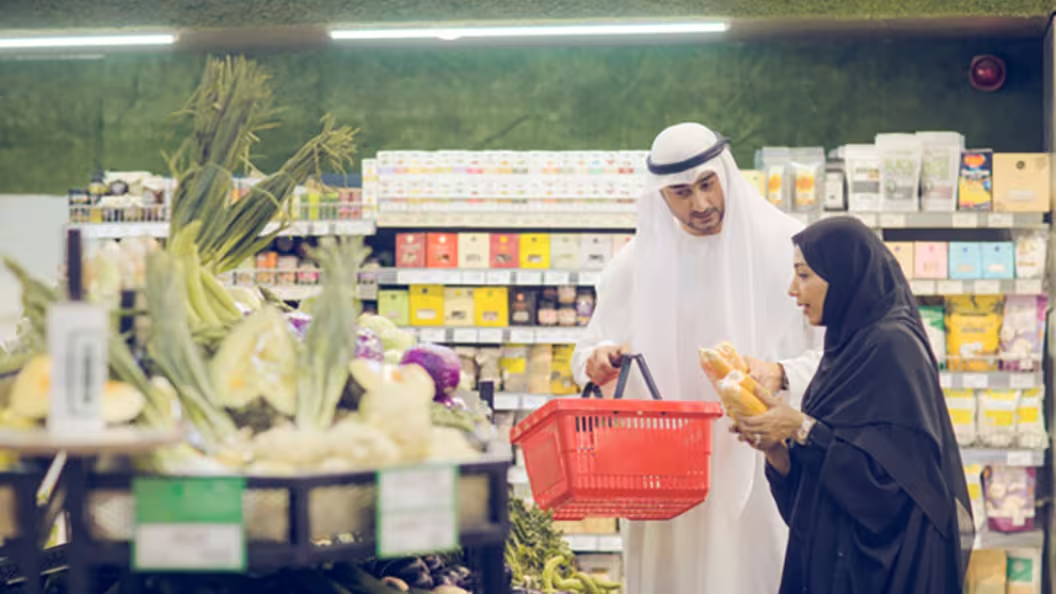
این را تصور کنید: منطقهای که مصرفکنندگان آن به طور فزایندهای نسبت به سلامت خود آگاه، از محیط زیست آگاه و برای خرید به تلفنهای خود وابسته هستند - اما همچنان در بحبوحه فشارهای اقتصادی به کیفیت و ارزش وفادارند. من دیدهام که تأمینکنندگان با تشخیص زودهنگام این تغییرات، رشد میکنند و روندها را به مشارکتهای سودآور تبدیل میکنند. اما اگر آنها را از دست بدهید، با موجودی فروخته نشده مواجه میشوید.
روندهای کالاهای مصرفی سریع (FMCG) در خاورمیانه
این راهنمای جامع، روندهای کلیدی کالاهای مصرفی سریع (FMCG) در خاورمیانه را برای سال 2025 و پس از آن بررسی میکند. ما به بررسی دادهها، “چرایی” هر تغییر و گامهای عملی برای بهرهبرداری از آنها خواهیم پرداخت. این راهنما با تکیه بر بینشهای منابعی مانند Statista، NielsenIQ و Technavio، نقشه راه شما برای پیشرو ماندن است.
The Poland Corridor: A Strategic Guide to Import-Export Opportunities
Market Overview: FMCG in MENA (2024-2026)
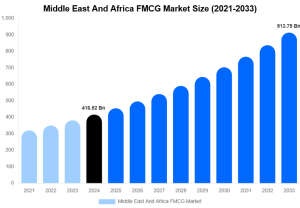
Based on recent trade data, the FMCG market in the Middle East is projected to witness a CAGR of 4.5% through 2026. Saudi Arabia and the UAE remain the primary engines, accounting for over 60% of total regional spending. As a professional active in regional logistics, we’ve observed a 15% year-on-year shift from traditional bulk imports to specialized, high-purity industrial materials and refined consumer goods.
بازار پررونق کالاهای مصرفی سریع (FMCG) در خاورمیانه: آمار کلیدی و محرکهای رشد
The Middle East FMCG landscape is not just growing; it is fundamentally transforming. As of 2025, the sector holds approximately 3.88% of the global market share, driven by exceptionally strong performance in GCC powerhouses like the UAE and Saudi Arabia.
Middle East FMCG Market
Vital Stats at a Glance
These figures highlight a market that is successfully balancing volume growth with inflationary pressures:
Regional FMCG Value: Recent data places the market value at approximately $58 billion, characterized by a 2% volume growth و یک 4% price adjustment.
GCC Online Retail Dominance: Digital adoption is skyrocketing, with the online retail share expected to exceed 16% by 2025.
UAE Spending Surge: Total FMCG spending in the UAE is up 7%, with significant momentum in high-frequency categories like snacking, beverages, dairy, and personal care.
Saudi Arabia’s Specialized Growth: The Kingdom maintains a steady 3.3% overall growth, but specific niches are exploding: pet care is up 10% و snacking has risen by 9%.
Core Growth Drivers
The underlying mechanics of this growth are tied to structural shifts in the region’s economy:
Rapid Urbanization & Demographics: The MENA region is now 64% urbanized. This shift, combined with a young, affluent, and tech-savvy population, is creating a permanent demand for modern retail solutions.
Rising Disposable Incomes & Tourism: Increased purchasing power and a massive boost in international tourism—particularly in Saudi Arabia and the UAE—are diversifying the consumer base and driving “premiumization” across product lines.
Government Diversification Mandates: Strategic frameworks like Saudi Vision 2030 و UAE’s economic diversification strategies have created a stable environment for international trade and industrial investment.
Why This Matters
These aren’t just abstract numbers—they represent a market that consistently outperforms many other global regions. While the world grapples with economic cooling, the Middle East’s urban consumers continue to demand convenience and quality. For businesses, this economic resilience ensures that spending remains steady, providing a fertile ground for brands that can adapt to high-velocity supply chains and automated customs environments.
روند ۱: تحول دیجیتال و انفجار تجارت الکترونیک
دیجیتال دیگر یک کانال فرعی نیست؛ بلکه شریان اصلی رشد کالاهای مصرفی سریع (FMCG) در خاورمیانه است.
چرا این اتفاق میافتد؟ مصرفکنندگان جوان و آشنا به فناوری (بهطور متوسط روزانه ۲ تا ۳ ساعت در رسانههای اجتماعی) مشتاق راحتی هستند. عادات پس از همهگیری و گزینههای تحویل سریع، این امر را تسریع کردهاند.
بینشهای کلیدی برای سال ۲۰۲۵:
- سهم کالاهای مصرفی سریع (FMCG) تجارت الکترونیک در حال افزایش است: ۱۱۱TP3T در امارات متحده عربی (نسبت به سالهای گذشته افزایش یافته است)، با رشد دو رقمی آنلاین در مراقبتهای شخصی و لباسشویی.
- تجارت اجتماعی و مدلهای فروش مستقیم به مصرفکننده، بهویژه در عربستان سعودی و امارات متحده عربی، رونق زیادی گرفتهاند.
- هوش مصنوعی و تحلیل دادهها، شخصیسازی را هدایت میکنند - برندها از بینشهای بلادرنگ برای موجودی و تبلیغات هدفمند استفاده میکنند.
مراحل عملی:
- حضور آنلاین قوی ایجاد کنید: برای دسترسی گستردهتر، با پلتفرمهایی مانند Noon یا Amazon همکاری کنید.
- برای تحویل در همان روز، روی پورتالهای فروشندگان و تجارت سریع سرمایهگذاری کنید.
- از ابزارهای هوش مصنوعی برای پیشبینی تقاضا استفاده کنید—من شاهد کاهش ضایعات به میزان 20-30% در عملیات مشابه بودهام.
نادیده گرفتن فضای دیجیتال به معنای واگذاری میدان به رقبای چابک است. برندهایی که فضای آنلاین و آفلاین را با هم ترکیب میکنند، پیروزیهای بزرگی به دست میآورند.
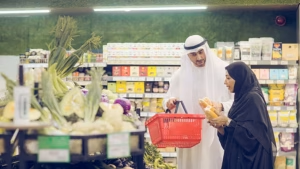
روندهای برتر کالاهای تندمصرف (FMCG) در خاورمیانه
روند ۲: سلامت و تندرستی در مرکز توجه قرار گرفتن
مصرفکنندگان فقط محصولات را نمیخرند؛ آنها برای زندگی بهتر سرمایهگذاری میکنند.
توضیح تغییر: افزایش آگاهی در مورد غذاهای فوق فرآوری شده، آفتکشها و بیماریهای ناشی از سبک زندگی. در عربستان سعودی، مصرف داروی GLP-1 به 11% رسیده است که نشاندهنده انتخابهای پیشگیرانه در حوزه سلامت است.
نکات برجسته ۲۰۲۵:
- تقاضا برای غذاهای گیاهی، غنیشده و کاربردی با برچسب سالم به شدت در حال افزایش است.
- اقلام ارگانیک و سلامتمحور، منجر به رشد در میانوعدهها، نوشیدنیها و مراقبتهای شخصی میشوند.
- ادغام ابزارهای پوشیدنی و اپلیکیشنها با خرید—۶۷۱TP3T از مصرفکنندگانی که نگران کیفیت غذا هستند.
چرا مهم است: روندهای سلامت، حق بیمه را افزایش میدهند. مصرفکنندگان برای مزایای درکشده، هزینه بیشتری میپردازند و حاشیه سود را افزایش میدهند.
نحوه نوشتن با حروف بزرگ:
- محصولات را اصلاح کنید: غنیسازی اضافه کنید یا محصولات گیاهی تهیه کنید - با گواهینامههایی مانند حلال و ارگانیک آزمایش کنید.
- مزایا را به طور شفاف برجسته کنید: از بستهبندی و بازاریابی برای آموزش در مورد مواد تشکیلدهنده استفاده کنید.
- مراکز شهری مانند دبی و ریاض را هدف قرار دهید، جایی که پذیرش سلامت در بالاترین حد خود قرار دارد.
من به تأمینکنندگانی که به خطوط تولید سالمتر روی آوردند، مشاوره دادهام و شاهد دو برابر شدن فروش بودهام - این یک مد زودگذر نیست؛ این آینده است.
CARICOM Trade Guide: How to Profit in the Caribbean Single Market
روند ۳: پایداری و انتخابهای سازگار با محیط زیست
پایداری اختیاری نیست - این یک تقاضای مصرفکننده و مزیت رقابتی است.
نیروهای محرکه: فشارهای جهانی به علاوه ابتکارات منطقهای برای شیوههای سبزتر. مصرفکنندگان به دنبال کاهش ضایعات و منبعیابی اخلاقی هستند.
تحولات کلیدی در سال ۲۰۲۵:
- نوآوریهای بستهبندی سازگار با محیط زیست: مواد قابل بازیافت و پلاستیکهای کاهشیافته در حال افزایش توجه هستند.
- برندهای پایدار شاهد رشد فروش واحد بالاتری هستند.
- تأکید بر منابع محلی و کاهش ردپای کربن.
بینش حرفهای: ۷۳۱TP3T از مصرفکنندگان جهانی (که در میان جوانان بیشتر است) مایل به پرداخت هزینه بیشتر برای گزینههای پایدار هستند - این موضوع در خاورمیانه نیز صادق است.
راهبردهای عملی:
- زنجیرههای تأمین را برای پایداری حسابرسی کنید - با تأمینکنندگان دارای گواهینامه زیستمحیطی همکاری کنید.
- بستهبندی نوآورانه: طرحهای هوشمندانه و کمضایعات که خریداران آگاه را جذب میکند.
- تلاشها را منتقل کنید: گواهینامهها و داستانها اعتماد و وفاداری ایجاد میکنند.
برندهای پیشرو در این زمینه نه تنها بیشتر میفروشند، بلکه روابط پایداری نیز ایجاد میکنند.
روند ۴: ممتازسازی در مقابل ارزشجویی - یک بازار دوشاخه
واقعیتهای اقتصادی باعث ایجاد شکاف میشوند: برخی به دنبال حق بیمه هستند، برخی دیگر به دنبال ارزش.
دینامیک: تورم، هزینهها را تعدیل میکند، اما بخشهای مرفه برای کیفیت ولخرجی میکنند.
مشاهدات:
- رشد دو رقمی در هر دو بخش حق بیمه و ارزش در امارات متحده عربی و عربستان سعودی.
- برچسبهای خصوصی و جایگزینهای مقرونبهصرفه در حال افزایش هستند.
- تنقلات و نوشیدنیها، با افزایش ناگهانی فصلی (رمضان، جشنوارهها)، در صدر قرار دارند.
قانون تعادل:
- محصولات چند سطحی ارائه دهید: محصولات ممتاز برای خریداران مشتاق، محصولات با ارزش برای خریداران حساس به قیمت.
- از تخفیفهای ویژه در زمان اوج فروش برای افزایش حجم فروش استفاده کنید.
- نظارت بر دادهها: از تجزیه و تحلیل برای ذخیرهسازی متناسب با دادهها استفاده کنید.
این دوگانگی فرصتهایی را ارائه میدهد - موقعیت هوشمندانهای برای جذب هر دو هدف.
روند ۵: انعطافپذیری زنجیره تأمین و بومیسازی
چالشهای ژئوپلیتیکی و لجستیکی، شبکههای محلی قویتر را ضروری میسازند.
چرا حالا: رویدادها و هزینهها آسیبپذیریها را برجسته میکنند؛ بومیسازی خطرات را کاهش میدهد.
روندها:
- سرمایهگذاری در لجستیک هوشمند، هوش مصنوعی و مشارکتهای 3PL.
- ترجیح برای برندها و منابع منطقهای.
- Re-export hubs like امارات متحده عربی strengthening distribution.
گامهایی به جلو:
- تنوع بخشیدن به تأمینکنندگان و ایجاد سپرهای حمایتی.
- برای ردیابی و بهرهوری، از فناوری استفاده کنید.
- برای دسترسی سریعتر و ارزانتر، تولیدات محلی را بررسی کنید.
زنجیرههای انعطافپذیر، چالشها را به مزیت تبدیل میکنند.
Trading with ASEAN : Opportunities, Regulations, and Market Entry Strategies
چالشها و چگونگی غلبه بر آنها
No growth comes without significant hurdles, and the Middle Eastern FMCG landscape is particularly nuanced. Based on current market shifts, here is how to navigate the primary obstacles:
Inflation and Heightened Price Sensitivity: While the region sees high spending, global inflationary pressures have made consumers more “value-conscious” than ever.
How to Overcome: Move beyond simple discounting by implementing Value Innovations. This includes “right-sizing” packaging for different price points and focusing on “affordable premiumization”—offering high-quality essentials that justify a slightly higher margin through superior benefits.
Hyper-Competition in a Crowded Digital Space: The barrier to entry has lowered, leading to an explosion of both local and international D2C brands.
How to Overcome: Differentiation is no longer optional; it must be driven by Data-Backed Uniqueness. Utilize AI-driven consumer insights to identify untapped niches—such as hyper-localized flavors or specialized wellness needs—and leverage “Engineering as Marketing” by providing interactive tools that help distributors and retailers forecast demand more accurately.
Rapidly Evolving Regulatory & Compliance Landscapes: Governments across the GCC and MENA are tightening standards around Halal certification, mandatory nutritional labeling (Front-of-Pack), and plastic reduction mandates.
How to Overcome: Treat compliance as a competitive advantage rather than a bureaucratic hurdle. By proactively adopting sustainable packaging and transparent labeling before they become law, brands build immense trust with both regulators and the growing demographic of “conscious consumers”.
Supply Chain Volatility and Geopolitical Shifts: Fluctuating energy markets and regional tensions can disrupt even the most robust logistics networks.
How to Overcome: Diversify trade corridors by utilizing emerging systems like rail freight و automated customs processing (e.g., Bayyan 2.0) to reduce reliance on single-mode transport. Investing in localized warehousing and multipurpose maritime vessels can provide the agility needed to bypass regional bottlenecks.
Persistence and adaptation are the ultimate differentiators—I’ve seen it time and again: those who integrate technical expertise with market agility are the ones who dominate.
برای بررسی عمیقتر فرصتهای منطقهای، این منابع Tendify.net را بررسی کنید:
- راهنمای جامع هایپرمارکتهای بزرگ، سوپرمارکتهای زنجیرهای و فروشگاههای بزرگ مواد غذایی در امارات متحده عربی برای تامینکنندگان و تولیدکنندگان
- لجستیک داخلی در امارات متحده عربی: تسلط بر شبکههای جادهای بین اماراتی، انقلاب راهآهن اتحاد و ظهور مشارکتهای هوشمند 3PL
- چرا امارات متحده عربی به عنوان قطب برتر صادرات مجدد خاورمیانه مطرح است: نگاهی عمیق به برتری استراتژیک دبی و ابوظبی
بازار کالاهای مصرفی سریع (FMCG) خاورمیانه در سال ۲۰۲۵ به افراد آماده پاداش میدهد. چه تولیدکنندهای باشید که به دنبال توزیع محصولات خود است و چه برندی که در حال توسعه است، این روندها به پتانسیل عظیمی اشاره دارند.
آمادهاید تا کسب و کار خود را با این روندهای کالاهای مصرفی سریع (FMCG) در خاورمیانه هماهنگ کنید و رشد جدیدی را رقم بزنید؟ Tendify.net شما را با ابزارهای تخصصی، اطلاعات بازار و شبکههای تأمینکنندگان مجهز میکند تا این اتفاق بیفتد. همین امروز ثبت نام کنید و بیایید بینشها را به عمل تبدیل کنیم - همین حالا در Tendify.net ثبت نام کنید!
In our experience managing technical equipment and industrial supply chains through Shayesteh Kar Rad Caspian, the bottleneck for FMCG growth in 2026 won’t be demand, but Customs Automation. Transitioning to systems like Bayyan 2.0 and leveraging rail freight over traditional road transport is reducing lead times by up to 30% in the GCC corridor.
Strategic Trade Corridors: Beyond the GCC
While Dubai remains the hub, 2026 will see the rise of the ECO (Economic Cooperation Organization) و AfCFTA corridors. Brands that utilize multipurpose working vessels and specialized maritime logistics to reach markets like Ethiopia and Uzbekistan will gain a first-mover advantage. At Tendify, we are seeing increased demand for high-margin industrial commodities like Lithium and Vein Graphite, which are essential for the manufacturing side of the FMCG ecosystem.
Need a Lead Generation Strategy for your Brand?
Use our interactive B2B Trade Audit tool to assess your market readiness for 2026.
Top Trending FMCG Products to Watch in the Middle East for 2025-2026
As these broader trends reshape the FMCG landscape in the Middle East, here are some specific product categories gaining serious traction right now—ones I’ve seen fly off shelves and dominate distributor conversations:
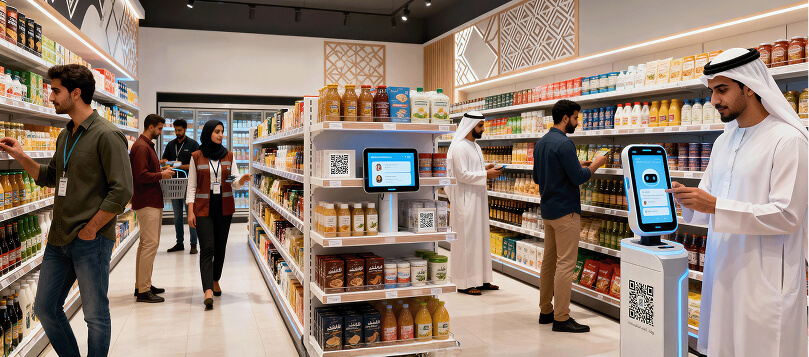
Top Trending FMCG Products
- Functional beverages with health boosts: Think probiotic sodas, mushroom-infused drinks, and low-sugar energy options that support gut health and immunity—perfect for consumers prioritizing wellness without sacrificing taste.
- Plant-based and clean-label snacks: High-protein, vegan biscuits and snacks made with natural ingredients are exploding, especially among younger buyers seeking convenient, guilt-free options.
- Herbal and beauty supplements: Collagen gummies, biotin boosters, and herbal supplements for skin, hair, and longevity are topping sales charts, driven by the “beauty from within” movement.
- Eco-friendly personal care items: Sustainable packaging in skincare serums, cruelty-free cosmetics, and recyclable hygiene products that align with growing environmental awareness.
- Premium yet affordable dairy alternatives: Plant-based milks, yogurts, and functional dairy with added probiotics or proteins, appealing to the bifurcated market of value-seekers and premium hunters.
- Halal-Certified Natural Beauty & Personal Care: There is a surging demand for skincare and cosmetics that combine Halal certification with indigenous regional ingredients like black seed oil, saffron, and date extracts.
- Gourmet Frozen & Ready-to-Eat Meals: As lifestyles accelerate across the GCC, consumers are shifting toward high-quality, preservative-free frozen meals that offer restaurant-grade taste with the convenience of rapid preparation.
- Concentrated & Eco-Friendly Household Cleaners: Driven by both sustainability goals and the need to optimize logistics costs, concentrated formulas that reduce plastic waste and shipping volume are gaining significant shelf space.
- At-Home Wellness & Diagnostic Kits: Reflecting the “preventative health” trend, rapid home testing kits for monitoring glucose, vitamin deficiencies, and food intolerances are becoming a staple in the FMCG health aisle.
- Low-Glycemic & Natural Sweeteners: With rising health awareness regarding diabetes in the Middle East, natural alternatives like Stevia, monk fruit, and low-GI syrups are rapidly replacing traditional refined sugars.
- Premium Organic Baby Food & Care: Modern parents in the region are increasingly prioritizing organic, paraben-free, and chemically clean products for their children, making this one of the most resilient high-margin sectors.

FMCG Products to Watch in the Middle East
سوالات متداول (FAQ)
Q1: What are the primary growth drivers for the FMCG sector in the Middle East for 2026? The sector is primarily driven by rapid urbanization—with MENA now 64% urbanized—and a young, tech-savvy population with high disposable income. Additionally, government initiatives like Saudi Vision 2030 and UAE economic diversifications are creating a highly stable environment for trade and investment.
Q2: How significant is the shift toward E-commerce in the GCC? The shift is transformative. Online retail share in the GCC is expected to exceed 16% by 2025. This surge is particularly evident in the UAE, where spending in snacking, beverages, and personal care has seen a 7% increase.
Q3: Which product categories are seeing the highest growth in Saudi Arabia? While the overall market grows at a steady 3.3%, specialized categories are leading the way. Specifically, pet care has seen a 10% increase, while the snacking category has grown by 9%.
Q4: How can brands overcome the challenge of inflation and price sensitivity? Brands should focus on “Value Innovations” rather than just price cuts. This involves right-sizing packaging for different price points and focusing on “affordable premiumization”—delivering high-quality essentials that justify their value through superior benefits.
Q5: What regulatory trends should FMCG distributors be aware of? There is an increasing focus on strict Halal certification, mandatory nutritional “Front-of-Pack” labeling, and sustainability mandates aimed at reducing plastic waste. Proactively adopting these standards is now a key competitive advantage in the region.
Q6: How is the supply chain evolving to meet these new demands? Efficiency is being driven by automation and infrastructure diversification. The transition to automated customs systems like Bayyan 2.0 and the increasing use of rail freight are significantly reducing lead times and helping brands bypass traditional logistics bottlenecks.